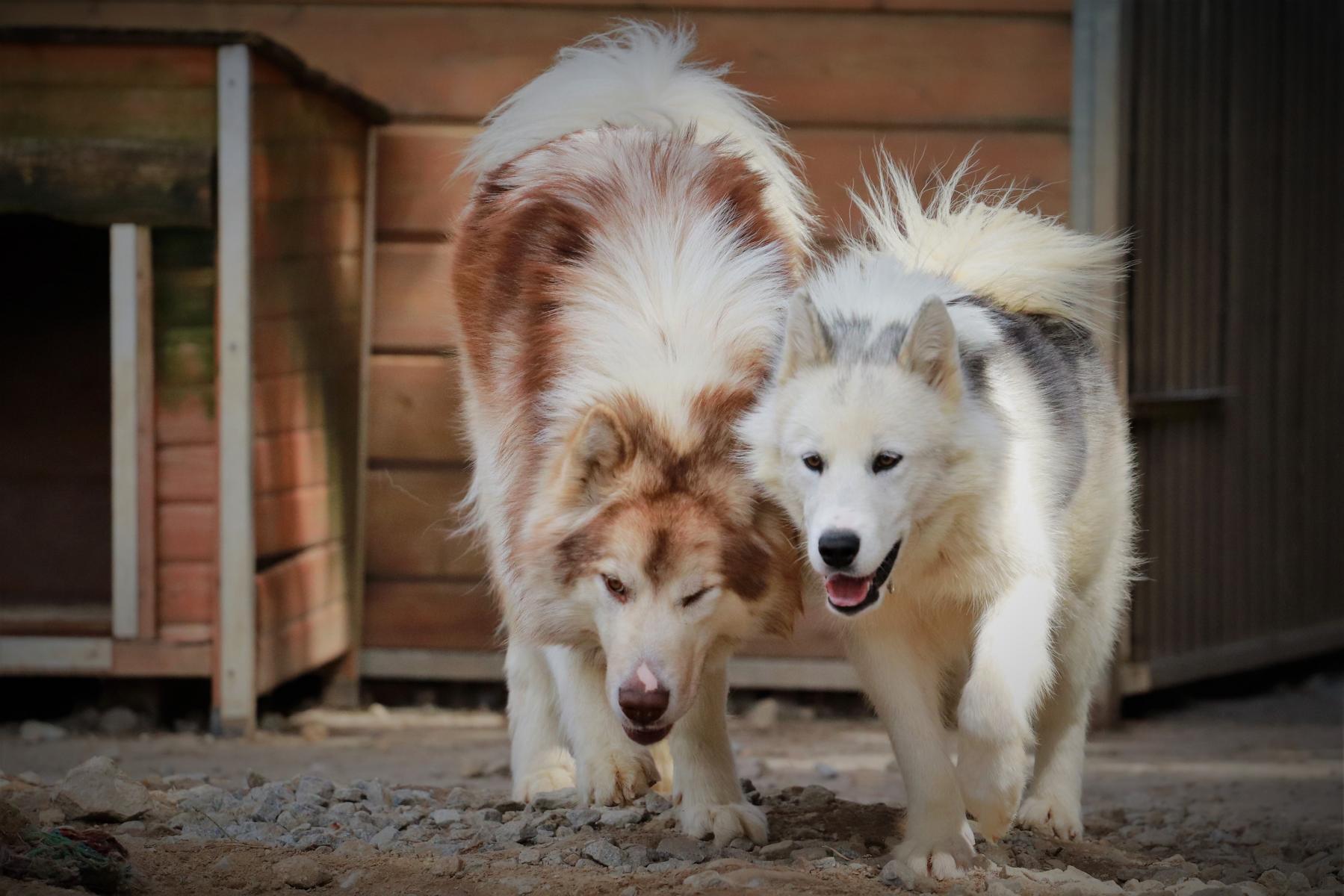

The term "Eskimo Dog" conjures images of powerful, resilient canines braving the harsh Arctic landscape. However, it’s crucial to understand that this umbrella term often refers to several distinct breeds with rich, ancient histories deeply intertwined with the indigenous peoples of the circumpolar North. This comprehensive guide will delve into the fascinating breeding history of these remarkable animals, primarily focusing on the true Arctic sled dogs like the Canadian Eskimo Dog (Qimmiq) and the Greenland Dog, while clarifying common misconceptions.
For millennia, dogs have been indispensable partners to humans in the Arctic. Their history is not merely one of domestication but of a profound, symbiotic relationship forged in the crucible of survival. These dogs were not just pets; they were the engines of exploration, the guardians of camps, and the very lifeline for nomadic communities.
The genetic lineage of today’s Arctic sled dogs can be traced back thousands of years to Siberia. Archaeological and genetic evidence suggests that the ancestors of modern Eskimo dogs migrated across the Bering Land Bridge alongside early human settlers, approximately 10,000 to 12,000 years ago. This monumental journey marked the beginning of their unique adaptation to the extreme cold and challenging terrain.
As these early canines spread across the North American Arctic, they adapted to diverse environments and human cultures. The indigenous Inuit, Inupiat, Yup’ik, and Greenlandic peoples meticulously bred these dogs over countless generations, shaping them into the highly specialized working animals we recognize today. This traditional dog breeding was not arbitrary but a careful selection process based on critical traits.
The Inuit, in particular, developed a sophisticated understanding of canine genetics and behavior. Their survival depended on dogs possessing specific qualities: immense strength to pull heavy sleds, unparalleled endurance for long journeys, a thick double coat for insulation, and an unwavering loyalty and intelligence to navigate treacherous conditions.
Breeding practices were often communal, with entire communities participating in the selection of puppies. Dogs that exhibited desirable traits such as good temperament, strong work ethic, and robust health were chosen for breeding, ensuring the continuation of strong bloodlines. Those that were aggressive, weak, or lacked the necessary drive were typically not allowed to reproduce, a natural selection process guided by human needs.
One of the most prominent true Eskimo Dog breeds is the Canadian Eskimo Dog, known in Inuktitut as "Qimmiq." This breed is an ancient aboriginal dog of the Canadian Arctic. Its history is inseparable from the Inuit people, for whom the Qimmiq was essential for hunting seals, polar bears, and muskoxen, as well as for transportation across vast, frozen landscapes.
The Qimmiq’s breeding focused on developing a powerful, muscular dog with incredible stamina. They possess a dense undercoat and a long, coarse outer coat, perfectly designed to withstand temperatures far below freezing. Their thick neck, broad chest, and strong legs are hallmarks of a dog built for heavy-duty sledding and survival.
Similarly, the Greenland Dog shares a common ancestry with the Canadian Eskimo Dog, both descending from the same ancient Arctic spitz types. For thousands of years, the Greenlandic Inuit have relied on these dogs for hunting and transportation, particularly for seal hunting on the sea ice. The Greenland Dog is known for its robust build, immense strength, and often a more independent, rugged temperament.
While sharing many characteristics, subtle differences emerged between the Greenland Dog and the Canadian Eskimo Dog due to geographical isolation and specific breeding focuses of their respective human partners. Both, however, represent the pinnacle of Arctic working dog evolution.
A common point of confusion arises with the American Eskimo Dog. Despite its name, this breed is not an indigenous Arctic dog. It is a descendant of European Spitz breeds, such as the German Spitz, brought to America by German immigrants. Its name was changed during World War I due to anti-German sentiment. Therefore, its breeding history is entirely separate from the true Arctic Eskimo dogs.
The arrival of European explorers and traders in the Arctic had a profound impact on indigenous dog populations. While some explorers quickly recognized the value of sled dogs and adopted their use, the introduction of new breeds often led to cross-breeding, diluting the pure bloodlines of the native dogs. Diseases brought by Europeans also decimated dog populations.
The 20th century brought significant challenges. With the advent of snowmobiles and other modern technologies, the practical necessity for sled dogs diminished in many communities. This shift, coupled with controversial government policies, particularly in Canada during the mid-20th century, led to a catastrophic decline in the Canadian Eskimo Dog population.
During this period, many Qimmiq were culled by government officials, often under the guise of public health or safety, but with devastating effects on Inuit culture and the breed itself. The Canadian Eskimo Dog faced near extinction, with only a few hundred individuals remaining by the 1970s.
Thankfully, dedicated individuals and organizations recognized the urgent need to preserve these ancient breeds. People like William Carpenter and the Canadian Eskimo Dog Research Foundation (CEDRF) spearheaded efforts to locate remaining purebred dogs and establish breeding programs aimed at genetic preservation.


These preservation efforts have been slow and challenging, focusing on maintaining genetic diversity within a small gene pool. Breeders meticulously track pedigrees and work to ensure the health and traditional working abilities of the dogs. The goal is not just to increase numbers but to safeguard the unique characteristics that define these magnificent animals.
Today, both the Canadian Eskimo Dog and the Greenland Dog are recognized breeds, though they remain relatively rare compared to more common household pets. Their breeding continues to emphasize their working heritage, with a strong focus on maintaining their physical prowess, intelligence, and resilience.
Understanding the Eskimo Dog today means recognizing them as more than just a pet. They are powerful, high-energy working dogs that thrive in cold climates and require significant physical and mental stimulation. Their ancient instincts mean they often possess a strong prey drive and an independent nature.
For potential owners, responsible breeding means selecting from reputable breeders who prioritize health, temperament, and the preservation of the breed’s historical traits. These dogs are best suited for experienced owners who can provide ample exercise, consistent training, and an environment that respects their unique needs.
Are Eskimo dogs good family dogs? While their loyalty is undeniable, their high energy and strong personalities mean they are often better suited for active families who understand the demands of a working breed. Early socialization and consistent training are paramount to ensure they integrate well into a domestic setting.
What is the difference between an American Eskimo Dog and a Canadian Eskimo Dog? As discussed, the American Eskimo Dog is a European Spitz descendant, typically smaller, white, and bred primarily as a companion and performance dog. The Canadian Eskimo Dog is an ancient Arctic sled dog, larger, more robust, and bred for extreme working conditions, coming in various colors.
How long have Eskimo dogs been around? The ancestors of true Eskimo dogs have been in the Arctic for over 10,000 years, making them one of the oldest aboriginal dog breeds in North America.
What breeds make up the Eskimo dog? The true Eskimo dogs (Canadian Eskimo Dog, Greenland Dog) are not a mix of multiple distinct modern breeds but rather ancient, indigenous spitz-type canines that evolved in the Arctic alongside human partners.
Are Eskimo dogs aggressive? While they can be assertive and possess a strong pack drive, true Eskimo dogs are not inherently aggressive. However, their strong prey drive and need for clear leadership can be misinterpreted. Proper training and socialization are crucial to channeling their natural instincts positively.
In conclusion, the breeding history of the Eskimo Dog is a compelling narrative of survival, partnership, and cultural significance. From their ancient Siberian origins to their integral role in Inuit life, these dogs represent a living legacy of adaptation and resilience.
The journey of the Canadian Eskimo Dog and the Greenland Dog showcases humanity’s profound connection with animals, particularly in the face of extreme environmental challenges. Their existence today is a testament to the dedicated efforts of those committed to preserving these magnificent Arctic sled dogs.
As we look to the future, understanding and respecting this rich history is vital for ensuring the continued health and preservation of these unique canine companions, allowing their ancient tracks to endure for generations to come.


