

In an increasingly interconnected world, cultural exchange programs serve as vital bridges, fostering understanding, empathy, and mutual respect between diverse communities. Among the most unique and profoundly impactful are those centered around the indigenous peoples of the Arctic – often broadly referred to as ‘Eskimo’ cultures. These programs offer unparalleled opportunities to learn directly from the stewards of the Arctic, experiencing their rich traditions, deep connection to the land, and resilient way of life.
Understanding the terminology is crucial before delving deeper. The term ‘Eskimo’ is an exonym, meaning a name given by external groups, and its origin is debated, with some interpretations being derogatory. Many indigenous peoples of the Arctic prefer to be identified by their specific group names. The two primary groups historically referred to as Eskimo are the Inuit (primarily in Canada and Greenland, and parts of Alaska) and the Yupik (primarily in Alaska and Siberia). Throughout this article, while acknowledging the historical usage of ‘Eskimo’ in the prompt’s keyword, we will prioritize using ‘Inuit’ and ‘Yupik’ or ‘Arctic indigenous peoples’ to reflect respectful and accurate terminology.
Cultural exchange programs, at their core, are designed to facilitate direct interaction and learning between people from different cultural backgrounds. For Arctic indigenous communities, these programs are not merely about tourism; they are powerful vehicles for cultural preservation, economic development, and dispelling misconceptions that have often plagued their representation in wider society.
The profound importance of these indigenous cultural exchanges cannot be overstated. They provide a platform for Arctic peoples to share their heritage on their own terms, challenging stereotypes and fostering genuine connections. For participants from outside the Arctic, it’s an opportunity to move beyond textbook knowledge and engage with living cultures, gaining insights into subsistence living, traditional knowledge systems, and the impacts of climate change on their unique environment.
Key Benefits of Eskimo Cultural Exchange Programs
Cultural Preservation and Revitalization: These programs are instrumental in safeguarding indigenous languages, oral histories, traditional arts, and ancestral practices. By actively sharing their heritage, communities reinforce cultural identity, particularly among younger generations, and ensure the continuity of their invaluable traditions.


Fostering Global Understanding and Empathy: Direct engagement breaks down barriers. Participants gain a nuanced understanding of Arctic life, appreciating the resilience, adaptability, and profound wisdom embedded in Inuit and Yupik cultures. This fosters empathy and a global perspective that transcends superficial differences.
Educational Enrichment for All Participants: For visitors, the learning experience is immersive and transformative. For host communities, it often involves developing educational materials, sharing stories, and teaching skills, which in turn strengthens their own cultural knowledge and presentation abilities. It’s a two-way street of learning.
Economic Empowerment for Arctic Communities: Thoughtfully designed programs can provide sustainable economic opportunities, generating income through cultural tourism, craft sales, and hospitality services. This can reduce reliance on external aid and support self-sufficiency in often remote and resource-scarce regions.
Diverse Forms of Engagement: Types of Programs
- Youth and Student Exchanges: Programs designed for younger participants often involve school visits, shared activities, and homestays, promoting peer-to-peer learning and lifelong friendships across cultural divides.
- Elder-Led Knowledge Sharing Initiatives: These invaluable programs connect participants with community elders, who share traditional knowledge, stories, hunting techniques, survival skills, and the history of their people.
- Arts, Crafts, and Performance Workshops: Participants can learn traditional skills such as carving, sewing (e.g., sealskin garments), drumming, throat singing, or traditional dance, often creating their own authentic pieces under expert guidance.
- Language Immersion Experiences: Some programs offer the chance to learn basic phrases or even delve deeper into Inuktitut, Yup’ik, or other indigenous languages, providing a profound connection to the culture.
- Environmental Stewardship and Traditional Land Use: These programs often focus on understanding Arctic ecosystems, traditional hunting and fishing practices, and the indigenous perspective on conservation and climate change.
- Academic and Research Collaborations: Universities and research institutions partner with Arctic communities to conduct studies, document oral histories, or explore contemporary issues, ensuring indigenous voices are central to the research process.
Who can participate in these enriching exchanges? Opportunities exist for a wide range of individuals, including students, educators, artists, researchers, environmental enthusiasts, and responsible tourists. Many programs are designed for individuals or small groups, emphasizing intimate, respectful interaction rather than large-scale tourism.
Ensuring Authentic and Respectful Engagement
Prioritizing Local Voices and Leadership: The most meaningful exchanges are those initiated and led by the indigenous communities themselves. Look for programs where local people are the primary hosts, guides, and educators, ensuring the narrative is authentic and benefits the community directly.
Embracing Traditional Practices and Daily Life: Be open to participating in daily activities, which might include preparing traditional foods, learning about subsistence hunting or fishing (where culturally appropriate), or observing community gatherings. This immersion offers the deepest insights.
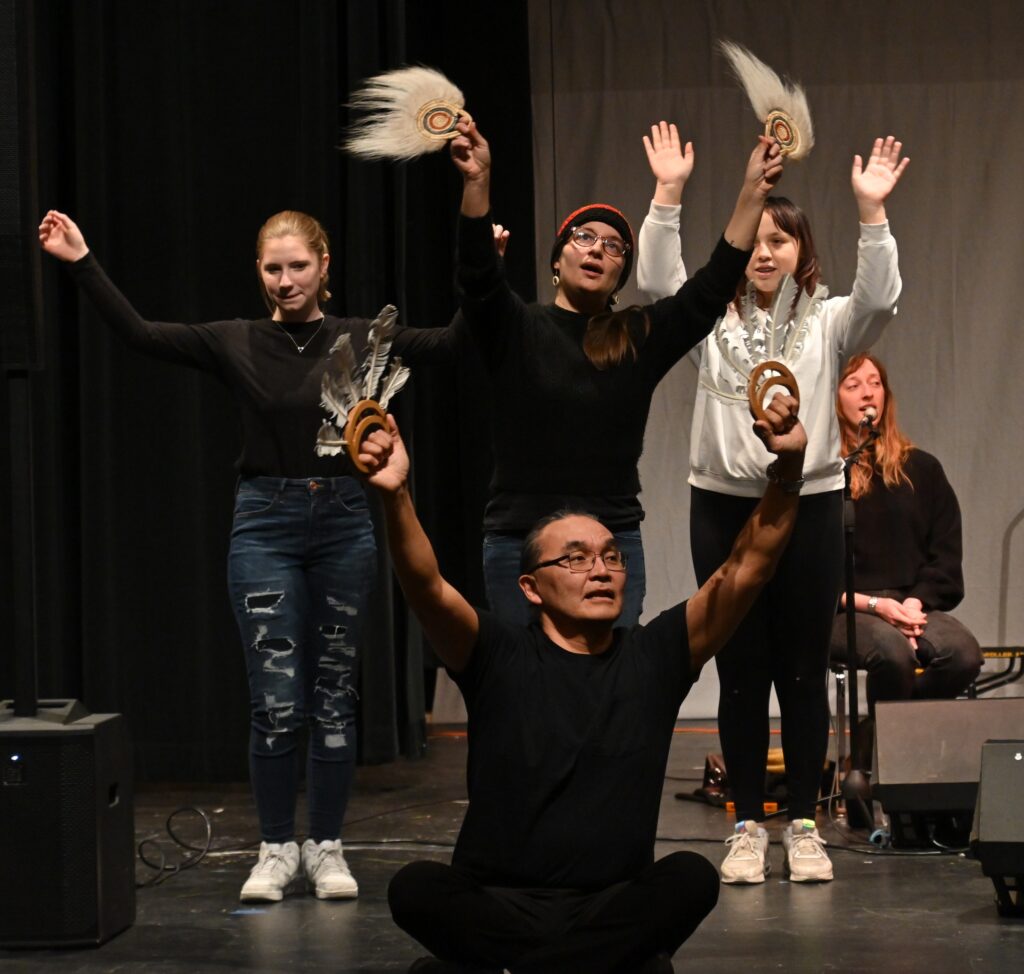

Learning Basic Phrases and Cultural Etiquette: Making an effort to learn a few words in the local language, such as greetings, demonstrates respect. Understanding and adhering to local customs and etiquette, often guided by your hosts, is paramount.
Understanding the Historical Context: Familiarize yourself with the history of the Inuit, Yupik, or other Arctic indigenous peoples, including their experiences with colonialism, residential schools, and ongoing struggles for self-determination. This context enriches your understanding of their resilience and cultural strength.
Navigating the Challenges of Arctic Cultural Exchange
While immensely rewarding, these programs also present unique challenges that participants and organizers must address.
Ethical Considerations and Avoiding Cultural Appropriation: It’s crucial to ensure that cultural sharing does not devolve into exploitation or the appropriation of indigenous symbols, stories, or practices without permission or proper attribution. Seek to support, not to take.
Logistical Complexities of Remote Arctic Travel: Traveling to Arctic communities often involves significant logistical planning, including limited transportation options, extreme weather conditions, and higher costs. Flexibility and patience are essential.
Securing Sustainable Funding: Many indigenous-led initiatives rely on grants, donations, and careful management of program fees to operate. Ensuring financial sustainability without compromising cultural integrity is an ongoing challenge.
Mitigating Environmental Impact: Increased visitor traffic, even for cultural exchange, can have an environmental footprint. Responsible programs prioritize minimizing impact, educating participants on Arctic ecology, and supporting local conservation efforts.
How can you find reputable Eskimo cultural exchange opportunities? Start by researching indigenous organizations, cultural centers, and tribal councils in regions like Alaska, Northern Canada, and Greenland. Universities often have programs or partnerships. Non-profit organizations specializing in indigenous cultural preservation or ethical travel may also be excellent resources. Always vet programs carefully to ensure they are community-led and genuinely beneficial to the host culture.
Transformative Impacts for Participants
- Personal Growth and Expanded Worldview: Stepping outside one’s comfort zone and into a vastly different cultural context fosters introspection, resilience, and a broader understanding of humanity.
- Development of Cross-Cultural Communication Skills: Navigating new social norms and language barriers enhances one’s ability to communicate effectively and respectfully across cultures.
- Deepened Environmental Awareness: Witnessing firsthand the effects of climate change and learning traditional ecological knowledge from those living closest to the land instills a powerful sense of environmental stewardship.
Tangible Benefits for Host Indigenous Communities
- Strengthening Cultural Identity and Pride: The act of sharing one’s culture with respectful outsiders can reinforce a community’s pride in its heritage and encourage cultural practices.
- Creating Sustainable Economic Opportunities: Cultural tourism provides jobs, supports local artists and entrepreneurs, and diversifies the local economy.
- Challenging Stereotypes and Promoting Accurate Representation: Direct interaction allows indigenous peoples to control their own narrative, correcting misconceptions and fostering a more accurate and respectful understanding of their cultures globally.
Addressing Common Questions
Is it appropriate to use the term "Eskimo"? As discussed, it’s generally best to use specific terms like Inuit, Yupik, or ‘Arctic indigenous peoples’ out of respect, as ‘Eskimo’ can be considered outdated or even offensive by some.
What kind of activities can I expect? Activities vary widely but often include traditional storytelling, learning about local wildlife, participating in craft workshops (e.g., carving, sewing), experiencing traditional foods, dog sledding, snowshoeing, or boat trips, and learning about the history and current issues facing the community.
How do I ensure my visit is ethical? Choose programs that are community-led, transparent about how funds are used, and emphasize respectful interaction. Prioritize learning, listening, and contributing positively rather than merely observing or consuming.
Is travel to Arctic regions safe? Yes, generally. However, Arctic travel requires careful preparation for cold weather, remote locations, and potential wildlife encounters. Reputable programs will prioritize safety, providing appropriate gear, experienced guides, and emergency protocols.
In conclusion, Eskimo cultural exchange programs, when conducted ethically and respectfully, are invaluable endeavors. They offer an unparalleled opportunity for mutual enrichment, allowing visitors to gain profound insights into the vibrant cultures of the Arctic indigenous peoples, while simultaneously empowering these communities to preserve their heritage, share their wisdom, and build a sustainable future on their own terms. These exchanges are more than just trips; they are journeys of connection, learning, and transformation that bridge worlds and foster a deeper understanding of our shared humanity.
By supporting and participating in these authentic cultural exchanges, we contribute to a global dialogue that values diversity, respects indigenous sovereignty, and champions the enduring spirit of the Arctic’s original inhabitants. It is an investment in cultural survival, mutual respect, and a more informed world.


