
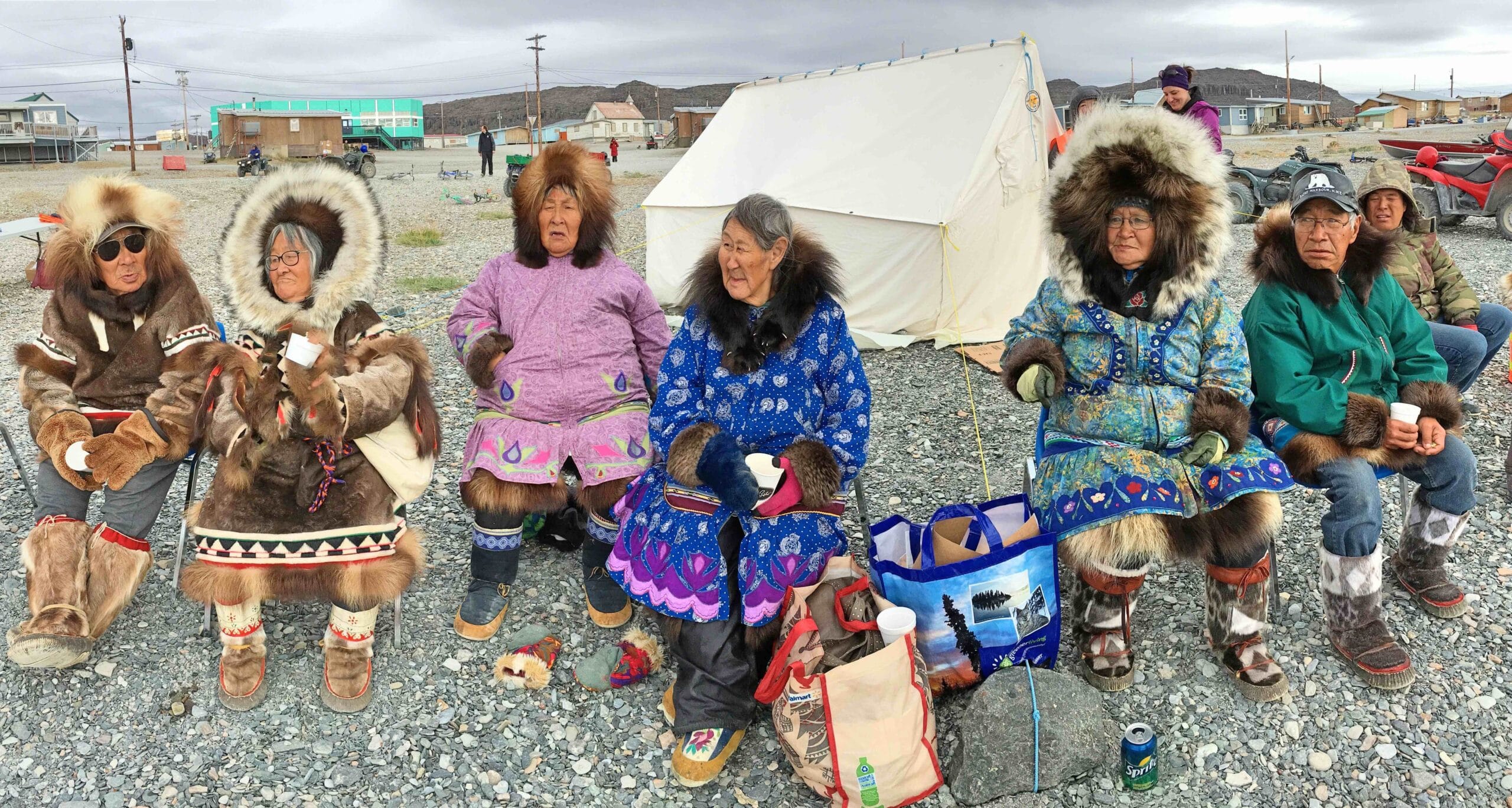
Traditional Eskimo clothing, often referred to as Inuit garments or Arctic wear, represents not just a means of survival in one of the world’s harshest climates, but also a profound expression of cultural identity, ingenuity, and artistry. These meticulously crafted garments, fashioned from materials like caribou hide, sealskin, and various furs, were engineered for unparalleled warmth, durability, and functionality. However, preserving these unique pieces, whether they are historical artifacts in museums or cherished family heirlooms, presents distinct challenges.
The inherent nature of organic materials, combined with the extreme conditions they were designed for, means that traditional Eskimo clothing requires specialized preservation techniques. Understanding these methods is crucial not only for maintaining their physical integrity but also for safeguarding the rich cultural heritage they embody for future generations.
Understanding the Materials: The Foundation of Preservation
Before delving into preservation techniques, it’s vital to appreciate the diverse array of materials used in traditional Arctic attire. Each material possesses unique properties and vulnerabilities that dictate its specific care requirements.
Caribou Hide and Fur: Often used for anoraks (parkas) and trousers, caribou hide provides exceptional insulation due to its hollow hairs. The hide can be dehaired for inner layers or left with fur for outer layers. Its primary vulnerabilities include drying out, becoming stiff, and shedding fur if not properly maintained.
Sealskin: Highly prized for its water-resistant properties, sealskin was used extensively for boots (kamiks), outer parkas, and protective coverings. It’s durable but susceptible to cracking and stiffening if it loses its natural oils or is exposed to extreme humidity fluctuations.

Various Furs: Arctic fox, wolf, wolverine, polar bear, and other animal furs were used for trim, hoods, and specialized garments, offering additional warmth and protection. These furs are prone to insect damage, matting, and shedding.
Bird Skins and Down: For lightweight, incredibly warm inner layers, bird skins (like eider duck) with their down were sometimes used. These are exceptionally delicate and prone to compression and tearing.
Sinew and Gut: Used for sewing and intricate decorative work, sinew (animal tendon) and gut (intestine) are organic and can degrade, become brittle, or attract pests if not kept in stable conditions.
Environmental Control: The Cornerstone of Preservation
Maintaining a stable environment is the single most critical factor in the long-term preservation of Eskimo clothing and other organic artifacts. Fluctuations in temperature, humidity, and light can accelerate degradation significantly.
Temperature: Ideally, traditional garments should be stored in a cool, stable environment, typically between 18-20°C (64-68°F). High temperatures can dry out hides and furs, making them brittle, while also encouraging insect activity.
Relative Humidity (RH): This is perhaps the most challenging factor. A stable RH between 45-55% is generally recommended. Too high humidity (above 65%) promotes mold and mildew growth, and can cause materials to swell. Too low humidity (below 30%) can lead to drying, cracking, and stiffening of hides and skins. Dehumidifiers or humidifiers may be necessary to maintain consistency.
Light: Both visible light and ultraviolet (UV) radiation are highly damaging. UV light causes fading, embrittlement, and chemical degradation of organic materials. Garments should be stored in darkness or under very low, filtered light (below 50 lux, with UV filtering). Avoid direct sunlight or strong artificial lighting at all costs.
Integrated Pest Management (IPM): Protecting Against Biological Threats
Organic materials like fur, hide, and feathers are highly attractive to pests such as moths, carpet beetles, and rodents. A robust IPM strategy is essential.
Regular Inspection: Periodically inspect garments for any signs of pest activity, including droppings, webbing, larvae, or adult insects. Early detection is key.
Cleanliness: Keep storage areas clean and free of dust, food particles, and other debris that might attract pests.
Physical Barriers: Store garments in sealed, breathable containers or archival boxes made from acid-free materials. Avoid storing them directly on the floor.
Environmental Control: Stable temperature and humidity levels, as discussed, also help deter pests. Extreme cold (freezing) can be used as a treatment for active infestations, but this should be done carefully and by professionals to avoid material damage.
Avoid Chemical Treatments: Traditional pesticides can be harmful to artifacts and humans. Focus on prevention and non-toxic methods first.
Proper Handling and Storage Techniques
How garments are handled and stored directly impacts their longevity.
Clean Hands: Always handle artifacts with clean, gloved hands (nitrile or cotton) to prevent transferring oils and dirt from your skin.
Support and Shape: Garments should be stored in a way that supports their natural shape and prevents stress on seams and materials. For parkas, use padded hangers or store them flat in archival boxes with acid-free tissue paper for support.
Avoid Folding: Excessive folding can create permanent creases and stress points, leading to cracking and tearing, especially in hides and skins. If folding is necessary, pad the folds generously.
Breathability: While protecting from dust and pests, ensure storage containers allow for some air circulation to prevent stagnant air and moisture buildup. Avoid airtight plastic bags for long-term storage.
Acid-Free Materials: Use only archival-quality, acid-free tissue paper, boxes, and garment bags. Regular paper and cardboard contain acids that can migrate to the artifacts and cause degradation.
Specific Material Care Considerations
Fur Maintenance: Gently brush furs with a soft-bristled brush to remove dust and prevent matting. For shedding fur, ensure proper humidity. Never wet or clean fur with harsh chemicals.
Hide and Leather Care: To maintain suppleness, traditional methods involved natural oils and careful re-tanning. For modern preservation, avoid applying commercial leather conditioners unless specifically recommended by a conservator, as they can alter the material’s original composition. Focus on stable RH.
Cleaning: Generally, traditional Eskimo clothing should not be cleaned with water or commercial cleaning products. Surface dust can be removed with a soft brush or a museum-grade vacuum cleaner with a HEPA filter and a low-suction setting, using a screen to protect the fibers. Any deeper cleaning should only be performed by a professional textile conservator.
Long-Term Archival and Ethical Considerations
For significant cultural artifacts, museum-level conservation practices offer the highest standard of preservation.
Professional Conservation: When in doubt, consult with a professional textile or ethnographic conservator. They can assess the condition of garments, recommend specific treatments, and provide guidance on long-term care.
Documentation: Thoroughly document each garment, including its origin, materials, construction, history of use, and any previous conservation treatments. This information is invaluable for future preservation efforts and cultural understanding.
Respectful Handling: Remember that these are not just objects, but tangible links to ancestral knowledge and living cultures. Handle them with the respect and reverence they deserve.
Common Mistakes to Avoid
- Storing in attics or basements with unstable temperature and humidity.
- Exposing to direct sunlight or strong artificial light.
- Using mothballs, which can leave residues and harmful fumes.
- Washing or dry cleaning without professional advice.
- Storing in ordinary plastic bags or non-archival cardboard boxes.
- Compressing garments in overcrowded storage.
Conclusion: Safeguarding a Legacy
The preservation of traditional Eskimo clothing is a meticulous yet deeply rewarding endeavor. By understanding the unique properties of these remarkable garments and implementing rigorous environmental controls, integrated pest management, and proper handling techniques, we can ensure their survival. These practices not only protect invaluable cultural artifacts but also honor the ingenuity, skill, and enduring spirit of the Indigenous peoples of the Arctic. Through diligent care, these garments will continue to tell their stories, educating and inspiring generations to come about the rich heritage of Arctic survival and artistry.
Embracing these preservation principles is a commitment to safeguarding a vital part of human history and cultural identity. It’s a testament to the enduring power of traditional knowledge and craftsmanship in the face of environmental challenges.


