
The journey of birth, a universal human experience, is imbued with unique cultural significance across every society. For the indigenous peoples of the Arctic – including the Inuit, Yup’ik, and Inupiat, often collectively and broadly referred to as ‘Eskimo’ – childbirth is not merely a biological event but a profound spiritual and communal rite of passage. These traditions, shaped by millennia of living in one of the world’s most challenging environments, reflect an intricate understanding of life, death, and the interconnectedness of all beings.
While the term ‘Eskimo’ has been historically used, it’s important to note that many indigenous groups within the Arctic prefer to be identified by their specific names, such as Inuit (spanning Canada, Greenland, and Alaska), Yup’ik (southwest Alaska and Siberia), and Inupiat (northern Alaska). Each group possesses distinct, yet often interwoven, customs surrounding the arrival of new life, emphasizing respect for ancestors, the land, and the spirits.
The Ancestral Path: Pre-Natal Beliefs and Preparations
Long before a child’s arrival, the expectant mother and her community would engage in various practices designed to ensure a safe delivery and a healthy future for the infant. These pre-natal customs were deeply rooted in spiritual beliefs and practical wisdom passed down through generations. The harsh Arctic environment demanded resilience, and this ethos began even before birth.
Dietary restrictions and specific activities were common. For instance, some traditions suggested that pregnant women avoid certain foods, like caribou eyes, to prevent the child from having visual impairments. Similarly, refraining from sewing or knot-tying was believed to prevent complications during labor, symbolizing an unobstructed passage for the baby.
Spiritual preparations were equally vital. Many communities believed that the mother’s thoughts and actions during pregnancy directly influenced the child’s spirit and character. Positive thoughts, prayers, and adherence to community norms were paramount, fostering a harmonious environment for the nascent life.

The Sacred Space: Birthing Environments and Support
Traditionally, birth often occurred within the family igloo or sod house, or sometimes in a specially designated birthing hut, offering privacy and warmth. The severe climate meant that birthing outdoors was rarely an option, emphasizing the importance of sheltered, safe spaces. The woman was typically assisted by experienced elder women, often grandmothers or aunts, who acted as midwives (kivgaq in some dialects).
These traditional midwives possessed extensive knowledge of herbal remedies, massage techniques, and spiritual practices to aid in labor. Their role extended beyond physical assistance; they provided emotional support, shared ancestral stories, and offered prayers for a smooth delivery. The presence of these wise women underscored the communal aspect of childbirth.
In many instances, the father and other male relatives would be involved in practical ways, such as preparing the birthing area, ensuring a steady supply of fresh water and fuel, and protecting the family from any perceived dangers, both physical and spiritual.
The Moment of Arrival: Rituals During Labor and Delivery
During labor, various rituals were observed to ease the mother’s pain and invoke benevolent spirits. Chants, songs, and specific body positions were often employed. The woman might lean against a wall, squat, or be supported by a helper, positions that were often more conducive to natural childbirth than lying flat.
Protective amulets or charms, sometimes made from animal parts like a polar bear claw or a specific bird feather, might be worn by the mother or placed near her to ward off malevolent spirits (tupilaq) or negative influences believed to cause complications.
Upon the baby’s arrival, immediate care focused on keeping the newborn warm and ensuring its first breaths. The umbilical cord held significant spiritual meaning. It was often carefully cut and sometimes preserved, perhaps buried in a special location or kept as a protective charm, symbolizing the child’s connection to its ancestors and the land.
The Sacred Act of Naming: Connecting to Ancestors and Spirits
One of the most profound and spiritually significant post-birth rituals was the naming ceremony. For many Arctic indigenous cultures, a child’s name was far more than a label; it was a living connection to the past, a spiritual inheritance, and a guide for the future. Names were often chosen from recently deceased relatives, carrying the spirit, personality, and even memories of the ancestor into the new child.
This practice of naming after a deceased loved one, known as ‘soul transference’ or ‘name-soul inheritance,’ meant that the child was seen as a reincarnation or a vessel for the ancestor’s spirit. The child would be addressed with the kinship terms appropriate for the ancestor, blurring the lines of generations and reinforcing communal bonds. For example, a child named after a grandmother would be called ‘grandmother’ by her own parents.
The process of selecting a name involved careful consideration, often guided by dreams, omens, or the advice of elders or shamans. The name was believed to impart specific qualities or strengths to the child, ensuring a strong and purposeful life.
Early Childhood: Nurturing the Next Generation
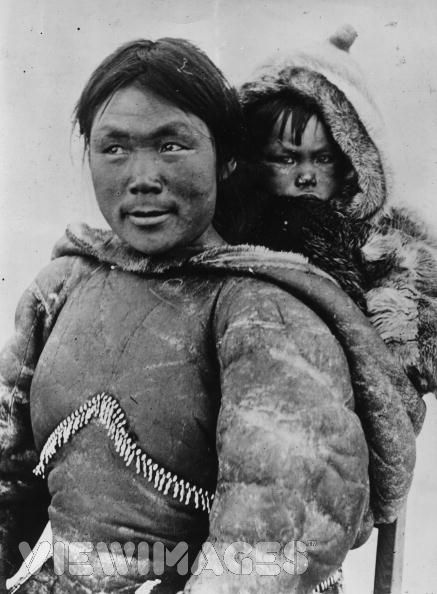
Post-natal care for both mother and child was comprehensive. The mother would often observe a period of rest and special diet, while the infant would be kept close, typically in an amautik (a traditional parka with a built-in baby pouch) where it could feel the mother’s warmth and heartbeat, fostering a strong bond and ensuring constant protection.
Early childhood was characterized by constant physical closeness, gentle discipline, and learning through observation. Children were seen as precious gifts, and the entire community played a role in their upbringing, sharing wisdom, stories, and practical skills. This collective responsibility was crucial for survival and cultural transmission.
The Shaman’s Role: Spiritual Guidance and Healing
In many traditional Arctic societies, the shaman (angakkuq) played a vital role in all stages of life, including birth. Shamans were spiritual leaders, healers, and intermediaries between the human and spirit worlds. They might be consulted during pregnancy to interpret dreams, offer protective rituals, or provide spiritual guidance.
During difficult births, a shaman might perform ceremonies to appease spirits, diagnose spiritual causes of complications, or offer healing chants. After birth, they could help ensure the safe passage of the ancestor’s soul into the child and offer blessings for the newborn’s health and prosperity.
Enduring Traditions in a Changing World
While modern healthcare has become accessible in many Arctic communities, many traditional birth rituals and customs persist, often integrated with contemporary practices. There’s a strong movement towards cultural revitalization, with elders passing down knowledge to younger generations, ensuring that these vital aspects of their heritage are not lost.
Today, some indigenous women choose to have traditional midwives assist alongside medical professionals, creating a blend of ancestral wisdom and modern science. The emphasis on community support, ancestral connections, and the spiritual significance of new life remains a cornerstone of these resilient cultures.
The traditions surrounding birth rituals and customs among Arctic indigenous peoples are a testament to their profound respect for life, their deep connection to the spiritual world, and their incredible adaptability. They remind us that every birth is a miracle, a bridge between past and future, and a celebration of enduring cultural identity.
These practices offer invaluable insights into human resilience, the power of community, and the timeless wisdom of living in harmony with nature and spirit. They are not merely historical footnotes but living traditions that continue to shape the identities and futures of Arctic families.
In essence, the ‘Eskimo’ birth rituals—encompassing the diverse practices of Inuit, Yup’ik, and Inupiat peoples—are a vibrant mosaic of spiritual reverence, practical knowledge, and communal love, ensuring that each new life is welcomed with dignity, protection, and a profound connection to its heritage.
From the careful preparations of the expectant mother to the sacred act of naming, every step underscores a deep respect for the cycle of life and the continuity of their unique cultural legacy. These customs serve as a powerful reminder of the richness and diversity of human experience.
The preservation of these unique customs is crucial, not only for the indigenous communities themselves but for humanity as a whole, offering lessons in holistic well-being, intergenerational respect, and environmental stewardship.
The stories and practices surrounding birth are woven into the very fabric of their oral traditions, passed down through storytelling, songs, and direct mentorship, ensuring that the wisdom of their ancestors continues to guide new parents.
Ultimately, these birth rituals are an affirmation of life, a celebration of community, and a spiritual journey that connects each newborn to a lineage stretching back thousands of years, anchoring them firmly within their cultural identity.
They highlight the importance of recognizing and honoring indigenous knowledge systems, which offer profound insights into human well-being and our relationship with the natural world.
These customs are a living heritage, constantly adapting yet retaining their core values, demonstrating the enduring strength and beauty of Arctic indigenous cultures.


