Eskimo art, also known as Inuit art, is a captivating reflection of the culture, history, and environment of the Arctic peoples. With the rise of online marketplaces, acquiring and selling these unique pieces has become increasingly accessible. However, navigating the world of Eskimo art online sales requires careful consideration to ensure authenticity, fair pricing, and ethical practices. This comprehensive guide will delve into the intricacies of buying and selling Eskimo art online, providing valuable insights for both seasoned collectors and newcomers to this fascinating art form.
Understanding Eskimo Art: A Cultural Tapestry
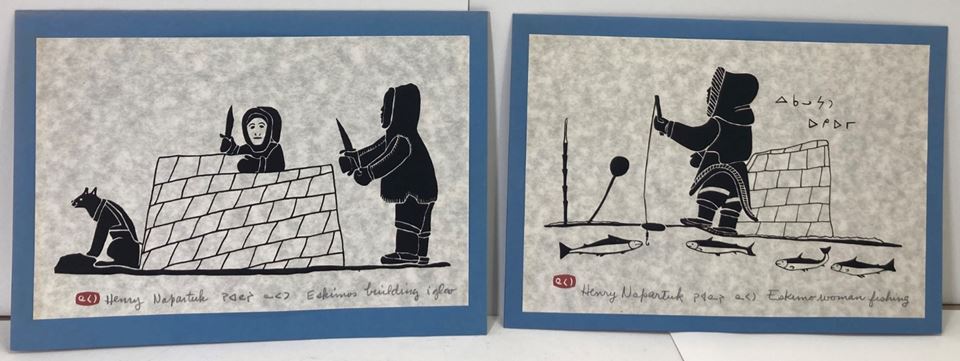
Eskimo art encompasses a wide range of artistic expressions, including sculptures, prints, carvings, and textile art. These pieces often depict scenes from daily life, mythology, and the natural world, offering a glimpse into the rich cultural heritage of the Inuit, Yupik, and other Arctic communities. Materials traditionally used in Eskimo art include stone, bone, ivory, and antler, reflecting the resources available in the Arctic environment. Modern Eskimo artists also incorporate contemporary materials and techniques, while still maintaining the cultural significance of their work.
Why is it called Eskimo art and not Inuit art? The term ‘Eskimo’ has complex and contested origins. While historically used to refer to the Inuit and Yupik peoples, its usage is now often discouraged, particularly in Canada, where ‘Inuit’ is the preferred term. However, in Alaska and other regions, ‘Eskimo’ may still be used by some to refer to specific groups. When discussing the art, it’s important to be sensitive to these nuances and use the terminology preferred by the artists and communities themselves.
The Appeal of Buying Eskimo Art Online
- Wider Selection: Online marketplaces provide access to a far greater selection of Eskimo art than traditional galleries, allowing collectors to discover unique and rare pieces.
- Convenience: Buyers can browse and purchase art from the comfort of their own homes, eliminating the need for travel and time constraints.
- Price Transparency: Online platforms often provide price comparisons and auction histories, enabling buyers to make informed decisions.
- Direct Connection with Artists: Some online platforms facilitate direct interaction between artists and buyers, fostering a deeper appreciation for the art and its cultural context.


Navigating the Online Marketplace: Authenticity and Provenance
- Reputation: Look for sellers with a proven track record of selling authentic Eskimo art. Check their reviews, ratings, and testimonials.
- Expertise: Seek out sellers who demonstrate a deep understanding of Eskimo art, its history, and its cultural significance.
- Affiliations: Consider sellers who are affiliated with reputable art organizations or Inuit cooperatives.
- Materials: Familiarize yourself with the materials traditionally used in Eskimo art, such as stone, bone, ivory, and antler. Be wary of pieces made from unusual or synthetic materials.
- Craftsmanship: Look for evidence of skilled craftsmanship, attention to detail, and a clear understanding of the subject matter.
- Style: Research the different styles and techniques associated with various Inuit communities and artists.
- Documentation: Request documentation that establishes the artwork’s origin and history. This may include certificates of authenticity, artist biographies, or previous sales records.
- Artist Attribution: If possible, confirm the artist’s identity and their connection to the artwork.
Understanding Eskimo Art Market Trends
The market for Eskimo art is dynamic and influenced by various factors, including cultural trends, collector preferences, and economic conditions. Staying informed about current market trends can help both buyers and sellers make informed decisions.
Popular Themes and Styles: Certain themes and styles of Eskimo art tend to be more popular among collectors. These may include depictions of wildlife, hunting scenes, and mythological figures. The artistic styles of specific Inuit communities, such as Cape Dorset and Pangnirtung, may also be highly sought after.
Emerging Artists: Keep an eye out for emerging Eskimo artists who are pushing the boundaries of traditional art forms and creating innovative new works. Investing in emerging artists can be a rewarding experience, both financially and culturally.
Auction Results: Track auction results for Eskimo art to gain insights into current market values and trends. Auction houses often provide detailed information about the artworks, including their provenance and condition.

Tips for Buying Eskimo Art Online
- Set a Budget: Determine how much you are willing to spend before you start browsing. This will help you narrow your search and avoid overspending.
- Compare Prices: Compare prices from different sellers to ensure you are getting a fair deal.
- Read the Fine Print: Carefully review the seller’s terms and conditions, including their return policy and shipping fees.
- Use Secure Payment Methods: Use secure payment methods, such as credit cards or PayPal, to protect your financial information.
- Insure Your Purchase: Consider insuring your purchase, especially if it is a valuable piece.
Selling Eskimo Art Online: Reaching a Global Audience
For artists and collectors looking to sell Eskimo art, the internet offers a powerful platform for reaching a global audience. However, successful online sales require careful planning and execution.
- Online Marketplaces: Platforms like eBay, Etsy, and specialized art marketplaces can provide access to a large pool of potential buyers.
- Your Own Website: Creating your own website allows you to showcase your art in a curated environment and build a direct relationship with your customers.
- Social Media: Social media platforms like Instagram and Facebook can be used to promote your art and engage with potential buyers.
- High-Quality Photos: Use high-quality photos that accurately represent the artwork’s colors, details, and condition.
- Detailed Descriptions: Provide detailed descriptions of the artwork, including its materials, dimensions, provenance, and cultural significance.
- Artist Biography: Include a biography of the artist, highlighting their background, training, and artistic achievements.
- Market Research: Research the prices of similar artworks to determine a fair and competitive price.
- Consider Your Costs: Factor in your costs, including materials, labor, and shipping fees, when setting your prices.
- Be Flexible: Be prepared to negotiate prices with potential buyers.
- Secure Packaging: Use secure packaging materials to protect the artwork during shipping.
- Insurance: Insure the artwork for its full value to protect against loss or damage.
- Tracking: Provide tracking information to the buyer so they can monitor the shipment’s progress.
Ethical Considerations in Eskimo Art Sales
The ethical considerations surrounding Eskimo art sales are crucial, particularly in relation to cultural preservation and fair compensation for artists. It’s important to be aware of these issues and to support ethical practices.
- Fair Compensation: Ensure that artists receive fair compensation for their work.
- Cultural Preservation: Support initiatives that promote the preservation of Inuit culture and traditions.
- Sustainable Practices: Encourage the use of sustainable materials and practices in the creation of Eskimo art.
- Authenticity: Only buy and sell authentic Eskimo art.
- Respectful Representation: Represent the artwork and its cultural context respectfully and accurately.
- Transparency: Be transparent about the artwork’s provenance and the artist’s identity.
The Future of Eskimo Art Online Sales
The online market for Eskimo art is expected to continue to grow in the coming years, driven by increasing demand and the accessibility of online platforms. As the market evolves, it’s important to stay informed about emerging trends, ethical considerations, and best practices.
- Virtual Reality: Virtual reality technology could be used to create immersive online experiences that showcase Eskimo art in a more engaging way.
- Blockchain: Blockchain technology could be used to verify the authenticity and provenance of Eskimo art, providing greater transparency and security.
- Educational Resources: Online platforms can be used to provide educational resources about Eskimo art and culture, fostering a deeper appreciation for the art form.
- Artist Collaboration: Online platforms can facilitate collaborations between Eskimo artists and artists from other cultures, creating innovative new works.
Conclusion: A World of Art at Your Fingertips
The world of Eskimo art online sales offers a unique opportunity to connect with a rich cultural heritage and acquire stunning works of art. By understanding the nuances of the online marketplace, prioritizing authenticity and ethical practices, and staying informed about market trends, both buyers and sellers can participate in this vibrant and rewarding art form. Whether you’re a seasoned collector or a curious newcomer, the journey into Eskimo art online is sure to be a fascinating and enriching experience.
- Authenticity is paramount: Always verify the authenticity of Eskimo art before purchasing.
- Research is essential: Thoroughly research sellers, artworks, and market trends.
- Ethics matter: Support ethical practices and fair compensation for Inuit artists.
- The online market is evolving: Stay informed about emerging trends and technologies.