
Entrepreneurship on Indian Reservations represents a dynamic and evolving frontier, brimming with untapped potential and unique challenges. Far from a monolithic entity, the economic landscapes of the 574 federally recognized Native American tribes across the United States are diverse, shaped by distinct cultures, geographies, and governance structures. Understanding this intricate environment is crucial for anyone looking to engage with or support business development within these sovereign nations.
For generations, Native American communities have demonstrated remarkable resilience and ingenuity. Today, a new wave of entrepreneurs is leveraging traditional knowledge, cultural identity, and modern business practices to build sustainable enterprises that not only generate wealth but also serve community needs and promote self-determination. This comprehensive guide aims to illuminate the path for aspiring entrepreneurs, investors, and policymakers interested in the vibrant world of tribal economies.
The Historical Context of Tribal Economies
To fully appreciate the current state of entrepreneurship on Indian Reservations, it’s essential to acknowledge the historical backdrop. Centuries of dispossession, forced assimilation policies, and economic marginalization have profoundly impacted tribal communities. These historical traumas have resulted in significant socioeconomic disparities, including limited access to capital, inadequate infrastructure, and educational disadvantages, which continue to influence economic development efforts today.
However, despite these historical obstacles, tribal nations have consistently pursued economic self-sufficiency. The concept of tribal sovereignty – the inherent right of tribes to govern themselves – is fundamental to understanding their economic aspirations. This sovereignty empowers tribes to establish their own laws, develop their resources, and chart their own economic futures, often through tribal enterprises and supporting individual Native American businesses.
The Unique Landscape of Tribal Entrepreneurship
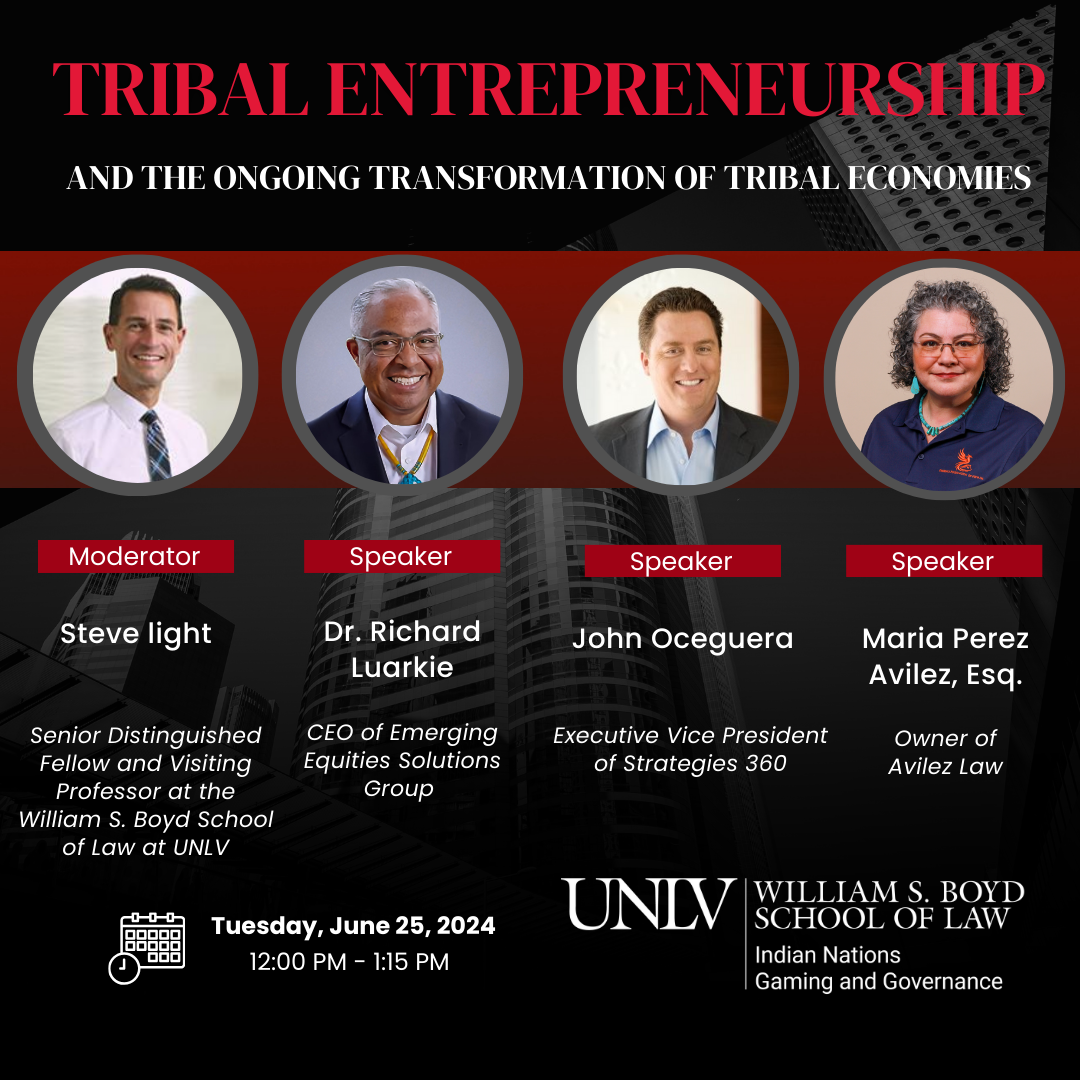
Operating a business on an Indian Reservation differs significantly from conventional business environments. Entrepreneurs must navigate a complex interplay of tribal, state, and federal laws and regulations. Tribal governments often act as both regulators and key economic players, owning and operating significant enterprises themselves, such as casinos, resorts, and utility companies. This unique structure presents both opportunities for partnership and specific compliance considerations.
Furthermore, the strong community ties and cultural values within tribal nations often influence business practices. Successful enterprises frequently prioritize community benefit, cultural preservation, and environmental stewardship alongside profit generation. This holistic approach can create businesses with deep roots and strong local support.
Key Opportunities for Growth and Innovation
The potential for economic growth on Indian Reservations is vast and diverse. Several sectors are currently experiencing significant development or hold immense promise for future expansion.
- Tourism and Hospitality: Leveraging unique cultural heritage, natural beauty, and established gaming operations, many tribes are expanding into cultural tourism, eco-tourism, and resort development. This includes hotels, restaurants, cultural centers, and guided outdoor experiences.
- Renewable Energy: With significant land bases and often abundant solar, wind, and geothermal resources, tribal lands are ideal for renewable energy projects. Tribes are increasingly developing utility-scale solar farms, wind turbines, and biomass facilities, creating jobs and sustainable revenue.
- Agriculture and Food Systems: Many tribes are revitalizing traditional agricultural practices, developing sustainable farming operations, and creating food processing businesses. This can range from bison ranching and specialty crop production to value-added food products and farmers’ markets.
- Technology and Digital Services: As broadband access improves, opportunities in tech-based businesses are emerging, including software development, IT consulting, e-commerce, and remote work hubs that can serve a global market.
- Cultural Arts and Crafts: Native American art, jewelry, textiles, and other crafts are highly valued. Entrepreneurs are finding success in creating and marketing authentic, high-quality cultural products through various channels, including online platforms and galleries.
- Manufacturing and Construction: Tribes are developing businesses in light manufacturing, construction services, and building materials, often driven by infrastructure needs on the reservation itself or contracts with external partners.
Addressing Common Challenges for Native Entrepreneurs
While opportunities abound, entrepreneurs on Indian Reservations face specific hurdles that require strategic navigation and dedicated support.
Access to Capital: This remains one of the most significant barriers. Traditional financial institutions often hesitate to lend on tribal lands due to complexities around land tenure (trust land status) and collateral. This necessitates innovative financing solutions.
Infrastructure Deficiencies: Many reservations still lack adequate infrastructure, including reliable broadband internet, paved roads, water and sanitation systems, and consistent electricity. These gaps can impede business operations and connectivity.

Regulatory Complexities: Navigating the jurisdictional maze of tribal, state, and federal laws can be daunting. Understanding tribal business codes, taxation, and licensing requirements is essential.
Workforce Development: While there’s a strong desire for local employment, some reservations face challenges in workforce readiness, requiring investments in education, vocational training, and skill-building programs.
Market Access: Geographically isolated reservations may struggle with logistics for raw materials and finished goods, as well as reaching broader consumer markets, making e-commerce and strategic partnerships vital.
Support Systems and Resources for Tribal Businesses
Fortunately, a robust ecosystem of support is emerging to help Native American entrepreneurs overcome these challenges and thrive.
- Tribal Economic Development Corporations (EDCs): Many tribes have established EDCs to foster economic growth, manage tribal enterprises, and support individual tribal members’ businesses through incubators, loans, and technical assistance.
- Native Community Development Financial Institutions (CDFIs): These specialized financial institutions provide loans, credit, and financial services specifically tailored to Native communities and businesses, often filling gaps left by mainstream banks. Examples include Oweesta Corporation and Native American Bank.
- Federal Programs: Agencies like the Small Business Administration (SBA) offer programs specifically for Native American-owned businesses, including loan guarantees (e.g., SBA 8(a) Business Development Program) and technical assistance. The USDA, EDA, and Department of the Interior also have initiatives supporting tribal economic development.
- Non-profit Organizations: Organizations like the National Center for American Indian Enterprise Development (NCAIED) and the American Indian Business Leaders (AIBL) provide mentorship, training, networking opportunities, and advocacy.
- Business Incubators and Accelerators: A growing number of incubators, both on and off reservations, are dedicated to nurturing Native American startups, offering workspace, mentorship, and access to capital.
Strategies for Success in Tribal Entrepreneurship
Entrepreneurs looking to build successful ventures on Indian Reservations can benefit from adopting specific strategies that acknowledge the unique environment.
Build Strong Relationships: Trust and relationships are paramount. Engage with tribal leadership, community members, and local organizations early and often.
Understand Tribal Sovereignty: Respect tribal governance and laws. Seek counsel from tribal legal experts and economic development professionals.
Leverage Cultural Identity: Authentically integrate cultural values and traditions into business models, products, and marketing. This can be a powerful differentiator.
Prioritize Community Engagement: Involve the community in your business planning. Consider how your enterprise can create local jobs, provide training, and contribute to community well-being.
Seek Strategic Partnerships: Collaborate with tribal enterprises, other Native American businesses, and external partners who share your vision and can provide resources or market access.
Utilize Available Resources: Actively seek out and leverage the financial, technical, and educational support offered by Native CDFIs, federal programs, and non-profits.
Inspiring Success Stories
Across Indian Country, numerous entrepreneurs are demonstrating the immense potential. From small, family-owned businesses to large-scale tribal enterprises, these ventures are creating jobs, generating revenue, and fostering self-sufficiency.
Consider the success of tribes investing in large-scale renewable energy projects, generating clean power and significant revenue streams. Or the resurgence of traditional food businesses, bringing healthy, culturally relevant products to market. Individual Native artists and designers are building global brands, while tech startups are emerging to address local and national needs.
These stories underscore a powerful truth: with vision, resilience, and appropriate support, entrepreneurship on Indian Reservations can lead to profound economic and social transformation.
Conclusion: A Future of Self-Determination and Prosperity
Entrepreneurship on Indian Reservations is more than just starting a business; it’s a vital pathway to tribal self-determination, economic diversification, and community empowerment. While the journey presents unique challenges, the spirit of innovation, the strength of cultural identity, and a growing network of support are paving the way for a future of prosperity.
By understanding the unique landscape, leveraging available resources, and adopting culturally sensitive business strategies, entrepreneurs can unlock the vast potential within Native American communities. Supporting Indigenous entrepreneurship is not just good business; it’s an investment in a more equitable, sustainable, and culturally rich future for all.
The ongoing growth of tribal economies is a testament to the enduring strength and entrepreneurial spirit of Native American people, proving that with strategic focus and collaborative effort, the future of business on Indian Reservations is undeniably bright.


