Echoes of the Tundra: The Urgent Fight to Save Alaska’s Native Languages
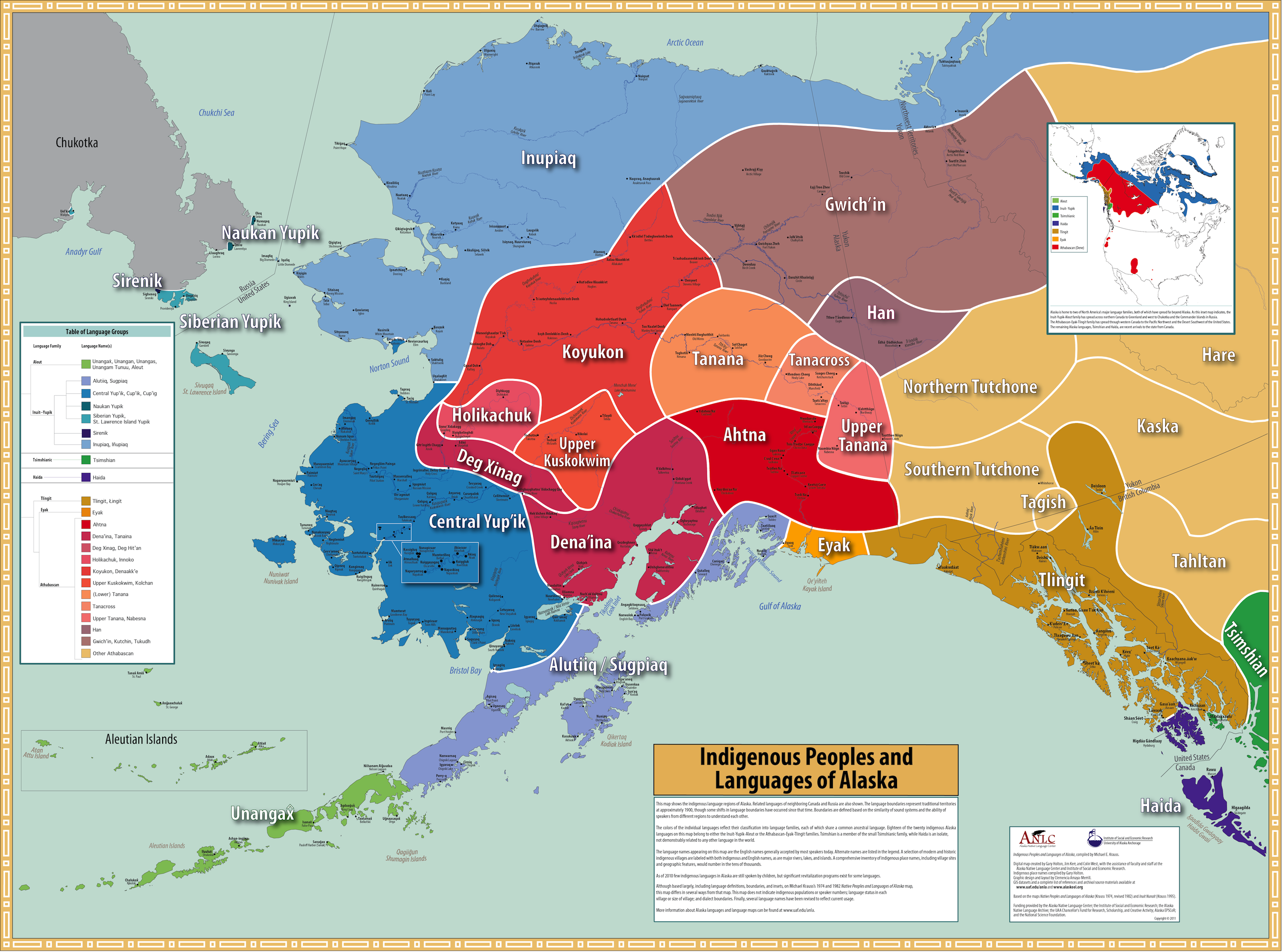
In the vast, untamed expanse of Alaska, where ancient traditions meet the relentless march of modernity, a silent crisis unfolds. Twenty distinct Alaska Native languages, each a unique repository of history, wisdom, and identity, teeter on the precipice of extinction. For generations, these languages have served as the living breath of cultures deeply intertwined with the land, sea, and sky. Now, communities across the state are engaged in an urgent, multi-faceted struggle to reclaim and revitalize these linguistic treasures before their echoes fade forever into the Alaskan wilderness.
The severity of the situation is stark. Of the two dozen original Alaska Native languages, four – Eyak, Han, Holikachuk, and Ahtna – are considered critically endangered, with only a handful of fluent elders remaining. Others, like Deg Xinag, Gwich’in, and Koyukon, face similar fates. The story of Eyak, famously reduced to a single fluent speaker, Marie Smith Jones, before her passing in 2008, serves as a poignant reminder of the fragility of these linguistic legacies. Though efforts to revitalize Eyak continue, it underscores the profound loss when a language, and the worldview it encapsulates, is nearly silenced.
This linguistic erosion is not an accident of history but a direct consequence of deliberate policies aimed at assimilation. The arrival of Russian colonizers in the 18th century brought the first wave of suppression, followed by a more systematic and brutal campaign under American rule. The infamous "kill the Indian, save the man" philosophy of federal boarding schools, prevalent from the late 19th through the mid-20th centuries, forbade Native children from speaking their ancestral tongues, often enforcing these rules with physical punishment. Generations were taught to be ashamed of their heritage, leading to a devastating break in intergenerational language transmission. Elders, remembering the pain and humiliation, often chose not to teach their children their language, believing it would protect them from similar suffering.
"My grandparents never taught my mother to speak Alutiiq because they didn’t want her to experience the same shaming they did in boarding school," explains Alutiiq language learner and advocate April Counceller. "That trauma created a gap, and now we’re fighting to bridge it." This historical trauma continues to ripple through communities, making revitalization efforts not just about grammar and vocabulary, but about healing and reclaiming a collective sense of worth.
The Indispensable Value of Language

The preservation of Alaska Native languages is far more than an academic exercise; it is fundamental to cultural survival, identity, and sovereignty. Each language carries traditional ecological knowledge (TEK) developed over millennia – nuanced terms for snow and ice conditions, animal behaviors, plant uses, and navigation that are essential for survival and understanding the unique Alaskan environment. When a language is lost, this intricate web of knowledge, often irreplaceable, is lost with it.
"Our language is our land," asserts James Kari, a renowned linguist and professor at the Alaska Native Language Center at the University of Alaska Fairbanks (UAF). "The place names, the stories, the vocabulary for plants and animals – it all connects us directly to this place in a way no other language can." This connection is not merely practical; it is spiritual and deeply tied to individual and community well-being. Studies have shown that strong cultural and linguistic identity can contribute to better health outcomes, lower rates of suicide, and increased resilience within Indigenous communities.
Furthermore, language is the primary vehicle for transmitting oral histories, ceremonies, songs, and spiritual beliefs. It is the vessel of humor, proverbs, and the unique ways of thinking and expressing that define a people. To lose a language is to lose a unique lens through which to view the world, diminishing the diversity of human thought and expression.
A Tapestry of Preservation Efforts
Despite the daunting challenges, a powerful and diverse movement for language revitalization is gaining momentum across Alaska. Communities, often with limited resources but boundless determination, are pioneering innovative approaches to bring their languages back from the brink.
One of the most effective strategies is the establishment of language immersion schools and programs. These initiatives aim to create environments where children can learn their ancestral language naturally, much like they would English, from a young age. The Dena’ina Language Immersion Program in Anchorage, for example, offers early childhood education where Dena’ina is the primary language of instruction, nurturing new generations of speakers. Similar efforts are underway in Yup’ik and Iñupiaq communities, where children are immersed in their language through daily activities, stories, and songs.
Master-apprentice programs are another critical approach, pairing the few remaining fluent elders with dedicated learners. This intensive, one-on-one or small-group mentorship allows for the direct transmission of not just vocabulary and grammar, but also the nuances of pronunciation, cultural context, and traditional storytelling. These programs are often labor-intensive and require significant commitment from both mentor and apprentice, but they are proving vital in creating new semi-fluent speakers.
Digital innovation has become an indispensable tool in overcoming the geographical isolation and resource limitations faced by many communities. Language apps, online dictionaries, digital archives of spoken language, and interactive learning platforms are making languages accessible to a wider audience, including those living far from their ancestral lands. Social media platforms like TikTok and Instagram are increasingly used by young Alaska Natives to share phrases, songs, and cultural insights in their languages, sparking interest and engagement among their peers.
"Technology allows us to democratize language learning," says Alice Taff, a linguist and language advocate. "It can’t replace human interaction, but it can provide crucial resources and inspiration, especially for younger generations who are digital natives." Projects like the Alutiiq language learning app, the Yup’ik online dictionary, and various YouTube channels dedicated to Iñupiaq lessons exemplify this digital renaissance.
Language camps and cultural gatherings provide immersive environments where learners of all ages can practice speaking, listen to elders, and engage in traditional activities in their native language. These events not only build linguistic proficiency but also foster a strong sense of community and cultural pride. From summer camps focusing on Gwich’in to regional gatherings celebrating Yup’ik or Sugpiaq (Alutiiq) culture, these events are vital for creating vibrant language communities.
Academic institutions play a foundational role. The University of Alaska Fairbanks’ Alaska Native Language Center (ANLC), established in 1972, is a global leader in Indigenous language research and documentation. ANLC houses an extensive archive of Alaska Native languages, conducts linguistic research, develops curricula, and offers language courses, serving as a critical hub for revitalization efforts across the state. The University of Alaska Southeast (UAS) also offers degrees and certificates in various Alaska Native languages, training a new generation of language educators and advocates.
Furthermore, the Alaska Native Language Preservation and Advisory Council (ANLPAC), established by the Alaska Legislature, advises the state on policy, funding, and programmatic needs related to language preservation. Its efforts are crucial in advocating for resources and ensuring that state-level support aligns with community needs. In 2018, the state of Alaska officially recognized all 20 Alaska Native languages as official state languages, a symbolic but significant step towards acknowledging their importance and affirming their rightful place.
Challenges and the Path Forward
Despite these inspiring efforts, significant challenges remain. The sheer number of fluent elders is dwindling rapidly, creating an urgent race against time. Funding for language programs is often inconsistent and insufficient, especially for smaller, isolated communities. The vast geography of Alaska makes it difficult and expensive to bring learners and elders together. Moreover, English remains the dominant language in schools, media, and daily life, posing a constant threat to the use of Native languages outside of dedicated learning environments.
The intergenerational trauma caused by historical policies also continues to be a hurdle. Some elders, still carrying the pain of past punishments, are hesitant to teach, while some younger individuals, internalizing past shame, may feel resistance to learning. Healing this trauma is an integral part of language revitalization.
Yet, the spirit of resilience and determination among Alaska Native communities is unwavering. The rising generation, armed with technology and a strong sense of cultural pride, is increasingly embracing their ancestral languages. They see it not as a relic of the past, but as a vibrant, living connection to their heritage and a powerful tool for self-determination.
The fight to save Alaska’s Native languages is a testament to the enduring power of culture and identity. It is a struggle for memory, for knowledge, and for the very soul of a people. As the sun rises over the vast, ancient lands of Alaska, the work continues – one word, one phrase, one learner at a time – ensuring that the echoes of the tundra, in all their linguistic richness, will resonate for generations to come. The future of these languages, and the cultures they carry, depends on a sustained commitment to teaching, learning, and celebrating these irreplaceable voices of Alaska.


