
Emergency services are the bedrock of public safety, providing critical assistance during times of crisis. However, the provision and coordination of these services on Indian reservations present a unique and often complex landscape, distinct from non-tribal communities. Understanding these intricacies is vital for effective response and community resilience.
This comprehensive guide delves into the multifaceted aspects of emergency services across Indian Country, exploring the historical context, jurisdictional challenges, types of services, funding mechanisms, and the innovative solutions being implemented by tribal nations and their partners. Our aim is to shed light on this crucial topic, fostering greater awareness and support.
Understanding the Unique Context of Indian Reservations
To grasp the complexities of emergency services on reservations, one must first appreciate the distinct legal and political status of tribal nations. Indian reservations are sovereign territories, often with their own governments, laws, and cultures, predating the formation of the United States. This sovereignty profoundly impacts how emergency services are organized and delivered.
Historical Context and Sovereignty: The relationship between tribal nations and the U.S. federal government is rooted in treaties, statutes, and court decisions. This history has led to a unique jurisdictional framework where tribal, state, and federal authorities often share or contest responsibility for various services, including emergency response.
Tribal self-governance is a fundamental principle, empowering tribes to establish and manage their own institutions, including public safety and emergency management departments. This self-determination is a powerful force driving many of the solutions seen today.
Jurisdictional Complexities: A Major Hurdle
One of the most significant challenges in delivering emergency services on Indian reservations is navigating the labyrinthine jurisdictional landscape. Unlike a typical county or municipality, where a single governmental entity generally holds primary authority, reservations often involve overlapping and sometimes conflicting jurisdictions.
Who is Responsible? This is a frequently asked question with no simple answer. Depending on the crime, the location, and the individuals involved (tribal member or non-member), responsibility can fall to:
- Tribal Police/Law Enforcement: For crimes committed by tribal members on tribal land.
- Bureau of Indian Affairs (BIA) Law Enforcement: Historically, the BIA has provided law enforcement on some reservations, particularly where tribal police forces are nascent or under-resourced.
- State and Local Authorities: For crimes committed by non-tribal members on reservation land, or in specific cases outlined by Public Law 280 (PL-280) where states were granted criminal jurisdiction over certain reservations.
- Federal Agencies (e.g., FBI): For major crimes (e.g., murder, kidnapping) as outlined in the Major Crimes Act, regardless of tribal membership.
This patchwork of authority can lead to confusion, delays in response, and challenges in inter-agency communication, especially during high-stress emergency situations. Clarifying roles and establishing robust communication protocols are paramount.
Types of Emergency Services on Reservations
Despite the jurisdictional complexities, tribal communities require and strive to provide a full spectrum of emergency services, often mirroring those found in non-tribal areas, but with unique adaptations.
Public Safety and Law Enforcement: Many tribes operate their own fully commissioned tribal police departments, providing patrol, investigations, and community policing services. These departments are critical first responders, often the first point of contact for any emergency.
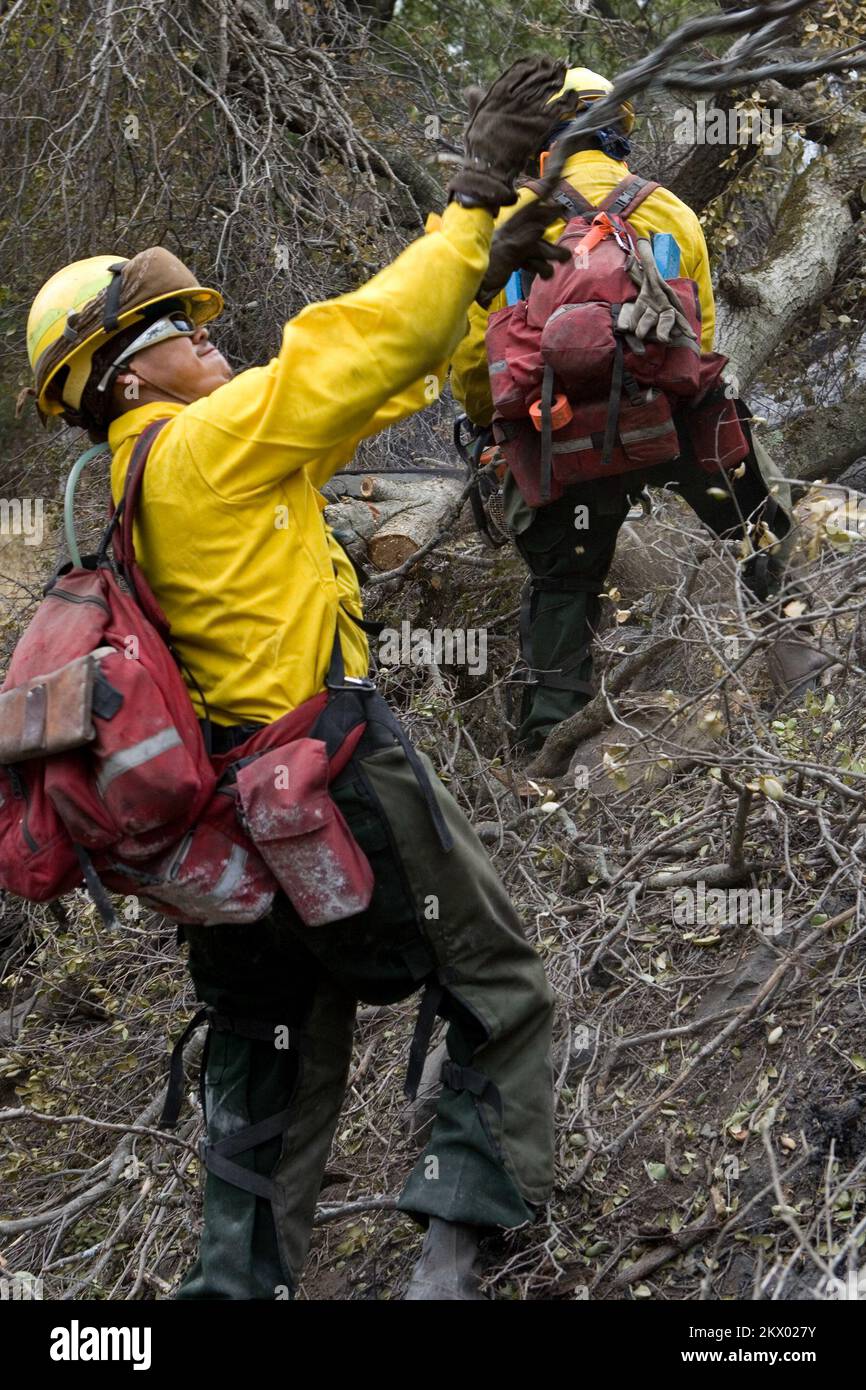
Fire and Rescue Services: Tribal fire departments, volunteer fire departments, and mutual aid agreements with neighboring non-tribal departments provide essential fire suppression, rescue operations, and hazardous material response. Wildland fire management is also a significant concern for many reservations, especially in forested or arid regions.
Emergency Medical Services (EMS): Access to timely medical care is a critical component of emergency services. Tribal EMS agencies, often operating ambulances and providing paramedic services, work to address medical emergencies. However, geographic isolation and staffing can present significant hurdles to rapid response times.

Disaster Preparedness and Response: Tribal nations face a range of natural and man-made hazards, from floods and wildfires to severe weather events. Many tribes have developed comprehensive emergency management programs, often in coordination with the Federal Emergency Management Agency (FEMA) and state emergency services, to prepare for, respond to, and recover from disasters.
Challenges Faced by Emergency Responders
Emergency service personnel on reservations often contend with a unique set of challenges that can exacerbate already difficult situations.
Geographic Isolation and Infrastructure: Many reservations are located in remote, rural areas, far from major medical centers or population hubs. This isolation means longer response times, limited access to specialized equipment, and challenges with communication infrastructure, such as reliable internet and cellular service.
Staffing and Training Shortages: Recruiting and retaining qualified emergency personnel can be difficult due to lower pay scales, limited housing options, and the demanding nature of the work. Specialized training, particularly in areas like advanced medical care or complex rescue, may also be less accessible.
Funding and Resources: A chronic lack of adequate funding is arguably the most pervasive challenge. Tribal governments often operate with limited tax bases and rely heavily on federal grants, which can be inconsistent or insufficient to meet the extensive needs of their communities.
Cultural Sensitivity and Trust: Effective emergency response requires building trust within the community. Responders must be culturally competent, understanding tribal traditions, languages, and historical experiences to provide respectful and effective care. A lack of trust can hinder cooperation and information sharing during an emergency.
Innovative Solutions and Collaborative Efforts
Despite the hurdles, tribal nations are demonstrating remarkable resilience and innovation in strengthening their emergency services. Collaboration is often the key to overcoming many of these challenges.
Tribal Emergency Management Programs: Many tribes have established their own dedicated emergency management offices, developing hazard mitigation plans, conducting drills, and coordinating resources across various departments and external agencies.
Inter-agency Agreements and MOUs: Formal agreements (Memoranda of Understanding or MOUs) between tribal, state, and local agencies are crucial. These agreements clarify jurisdictional roles, facilitate mutual aid, and streamline communication for a more coordinated response across boundaries.
Technology Adoption: Leveraging technology, such as advanced dispatch systems, GIS mapping for remote areas, and satellite communication, helps overcome infrastructure deficiencies and improves situational awareness for responders.
Community Involvement: Engaging tribal members in emergency preparedness, through volunteer programs or community education, empowers residents to play an active role in their own safety and resilience.
Funding and Resources: A Constant Struggle
Securing consistent and sufficient funding remains a critical concern for tribal emergency services. The reliance on grants often means a fluctuating budget, making long-term planning difficult.
Federal Grants and Programs: Key funding sources include grants from FEMA (e.g., Tribal Homeland Security Grant Program, Hazard Mitigation Grant Program), the Department of Justice (DOJ), and the Department of Health and Human Services (HHS). These programs are vital but often competitive and require significant administrative capacity to apply for and manage.
Tribal Self-Funding: Some tribes with robust economic development can allocate their own revenues towards public safety and emergency services, reducing reliance on external funding. This is a testament to tribal self-determination and economic growth.
Indian Health Service (IHS): While primarily focused on healthcare delivery, IHS plays a role in supporting emergency medical services on some reservations, particularly through funding for clinics and ambulance services.
The Role of Federal Agencies
Several federal agencies play significant roles in supporting emergency services on Indian reservations, often acting as partners or providers of last resort.
FEMA: Works with tribal governments on disaster preparedness, mitigation, response, and recovery, including direct assistance and grant funding.
Bureau of Indian Affairs (BIA): Through its Office of Justice Services (OJS), the BIA provides law enforcement services, detention facilities, and tribal court support, and also assists with fire management and emergency management planning.
Indian Health Service (IHS): As mentioned, IHS supports healthcare infrastructure, which is foundational to emergency medical response and public health emergencies.
Community Involvement and Tribal Self-Governance
The strength of emergency services on reservations often lies in the resilience and self-determination of the tribal communities themselves. Tribal councils and leaders are at the forefront of advocating for resources, developing policies, and fostering a culture of preparedness.
Empowering tribal members to participate in emergency planning, volunteer fire departments, or community watch programs not only builds capacity but also strengthens social cohesion, which is critical during a crisis. This bottom-up approach, combined with top-down support, creates a robust emergency framework.
Looking Ahead: Towards Greater Resilience
The landscape of emergency services on Indian reservations is continuously evolving. The ongoing efforts of tribal nations, in collaboration with federal, state, and local partners, are steadily improving capabilities and ensuring safer communities.
Continued advocacy for equitable funding, streamlined jurisdictional processes, enhanced infrastructure development, and culturally appropriate training are essential for further progress. The goal is to ensure that every individual on every reservation has access to the highest quality emergency services when they need them most.
By understanding and addressing the unique challenges, and by supporting the innovative solutions championed by tribal governments, we can collectively work towards a future where emergency services on Indian reservations are fully resourced, seamlessly coordinated, and deeply trusted by the communities they serve.
In conclusion, emergency services on Indian reservations are a complex but vital field. The unique interplay of tribal sovereignty, jurisdictional challenges, and resource limitations requires a nuanced approach. Through robust tribal self-governance, strategic inter-agency cooperation, and dedicated funding, tribal communities are building increasingly resilient and effective emergency response systems, safeguarding the lives and well-being of their members.


