The Eastern Shoshone Reservation, located in west-central Wyoming, is home to the Eastern Shoshone Tribe, also known as the Wind River Shoshone. This sovereign nation possesses a unique history, vibrant culture, and significant presence in the American West. This comprehensive guide delves into various aspects of the reservation, providing insights into its past, present, and future.
Historical Background
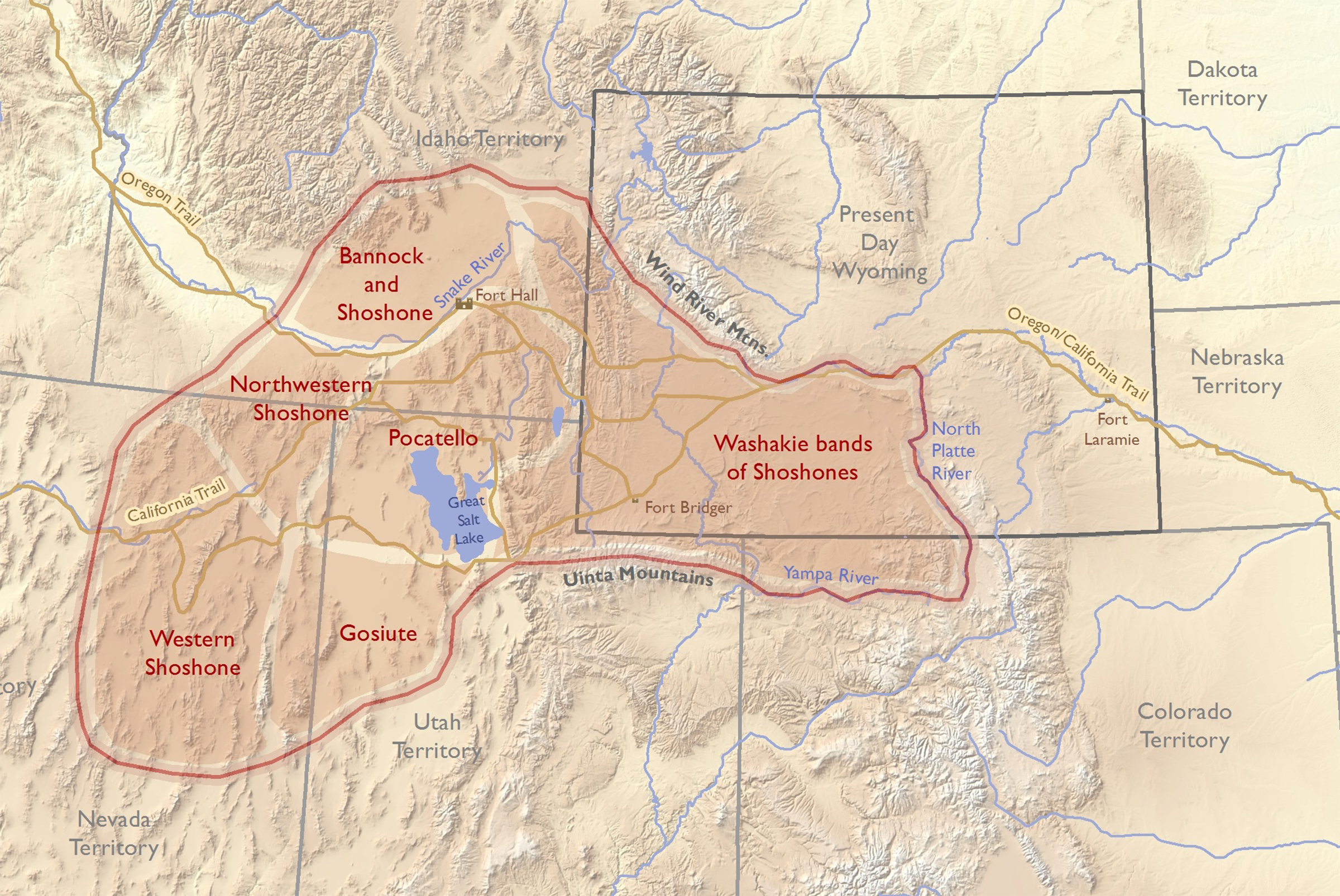
The Eastern Shoshone people have inhabited the Wind River region for centuries, traditionally following a nomadic lifestyle centered around hunting, gathering, and fishing. Their territory once spanned a vast area, encompassing parts of present-day Wyoming, Idaho, Utah, and Montana. The arrival of European settlers in the 19th century brought significant changes, including forced displacement, resource depletion, and conflict.
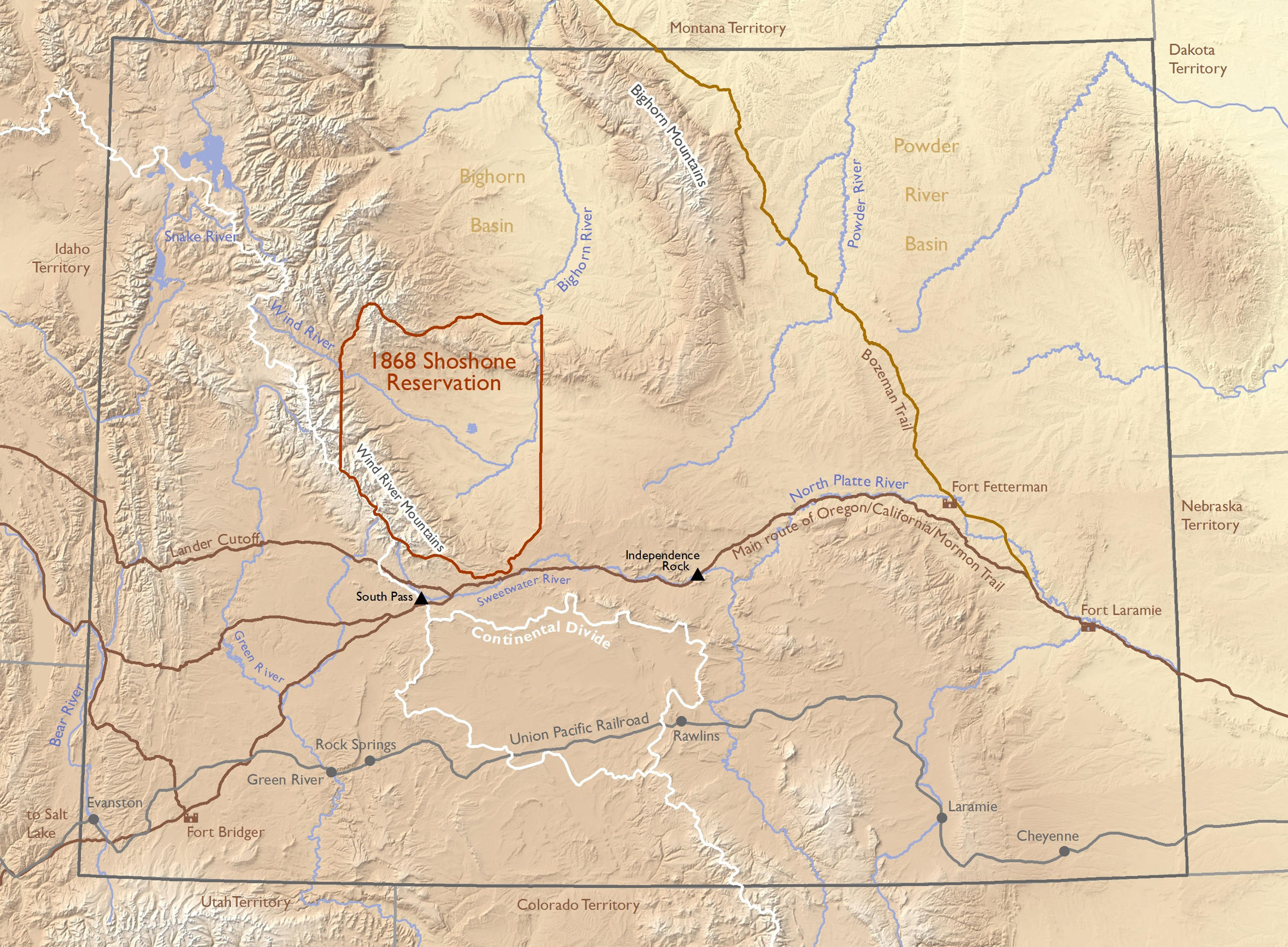
The Fort Bridger Treaty of 1868 established the Wind River Reservation as a permanent homeland for the Eastern Shoshone. However, the treaty’s promises were often broken, and the tribe faced ongoing challenges in protecting their land and resources. Despite these hardships, the Eastern Shoshone have persevered, maintaining their cultural identity and fighting for their rights.
The Wind River Reservation Today
Today, the Wind River Reservation encompasses approximately 2.2 million acres. It is co-occupied by the Eastern Shoshone and the Northern Arapaho tribes. The reservation’s landscape is diverse, ranging from sagebrush flats and grasslands to rugged mountains and forests. The Wind River flows through the heart of the reservation, providing a vital source of water and sustenance.
Governance and Tribal Structure
The Eastern Shoshone Tribe is a sovereign nation with its own government, laws, and institutions. The tribe is governed by a General Council, comprised of all enrolled adult members, and a Business Council, which is elected by the General Council to manage the day-to-day affairs of the tribe. The Business Council consists of a Chairman, Vice-Chairman, Secretary, Treasurer, and several committee members.
The tribal government provides essential services to its members, including healthcare, education, housing, and social services. It also manages tribal lands and resources, promotes economic development, and protects the tribe’s cultural heritage.
Culture and Traditions
The Eastern Shoshone culture is rich and vibrant, with a deep connection to the land and its resources. Traditional beliefs and practices are still an integral part of daily life. The Shoshone language, although endangered, is being revitalized through language immersion programs and cultural preservation efforts.
Important cultural events include powwows, which are celebrations of Native American culture featuring traditional music, dance, and regalia. The Eastern Shoshone also maintain strong traditions in arts and crafts, including beadwork, leatherwork, and basketry. Storytelling plays a vital role in passing down history, legends, and cultural values.
Economy and Development
The Eastern Shoshone economy is based on a mix of natural resources, agriculture, tourism, and government services. The tribe owns and operates several businesses, including a casino, a hotel, and a construction company. They also lease land for mineral extraction and grazing.
Economic development is a key priority for the tribal government. The tribe is working to diversify its economy, create jobs for its members, and improve the overall quality of life on the reservation. Renewable energy projects, such as wind and solar farms, are being explored as potential sources of revenue and employment.

Challenges and Opportunities
The Eastern Shoshone Reservation faces numerous challenges, including poverty, unemployment, substance abuse, and health disparities. These challenges are often rooted in historical trauma, systemic discrimination, and limited access to resources.
However, the tribe is also actively working to address these challenges and create a brighter future for its members. Efforts are underway to improve education, healthcare, and housing, as well as to promote economic development and cultural preservation.
Visiting the Eastern Shoshone Reservation
Visitors are welcome to explore the Wind River Reservation and learn about the Eastern Shoshone culture. However, it is important to be respectful of tribal customs and traditions. Certain areas of the reservation may be restricted to tribal members only. Contact the Eastern Shoshone Tribal Office for information on visiting the reservation and attending cultural events.
Key Attractions and Points of Interest
- Wind River Casino: Experience gaming and entertainment.
- Cultural Centers: Learn about Shoshone history and traditions.
- Outdoor Recreation: Enjoy hiking, fishing, and wildlife viewing in the Wind River Mountains.
Frequently Asked Questions (People Also Ask)
What is the population of the Eastern Shoshone Tribe?
The Eastern Shoshone Tribe has an enrolled membership of approximately 4,000 people. However, not all tribal members live on the Wind River Reservation.
The Wind River Reservation is located in west-central Wyoming, encompassing parts of Fremont and Hot Springs counties. It is situated in the Wind River Basin, surrounded by the Wind River Mountains and the Owl Creek Mountains.
What is the relationship between the Eastern Shoshone and the Northern Arapaho tribes?
The Eastern Shoshone and the Northern Arapaho tribes co-occupy the Wind River Reservation. The two tribes have a complex history of cooperation and conflict. Today, they share governance responsibilities and work together on many issues, but also maintain their distinct cultural identities and tribal governments.
What are the major industries on the Wind River Reservation?
The major industries on the Wind River Reservation include natural resources (oil, gas, and minerals), agriculture (ranching and farming), tourism (gaming and recreation), and government services (tribal administration and federal programs).
How can I learn more about the Eastern Shoshone culture?
You can learn more about the Eastern Shoshone culture by visiting the Wind River Reservation, attending cultural events, visiting tribal museums and cultural centers, and reading books and articles about the tribe’s history and traditions. You can also find information on the Eastern Shoshone Tribe’s website.
The Importance of Understanding and Respect
Understanding the history, culture, and challenges faced by the Eastern Shoshone Tribe is crucial for fostering respect and promoting reconciliation. By learning about the tribe’s past and present, we can work towards building a more just and equitable future for all.
Conclusion
The Eastern Shoshone Reservation represents a resilient community with a rich heritage. Despite historical injustices and ongoing challenges, the Eastern Shoshone people continue to preserve their culture, strengthen their sovereignty, and build a better future for generations to come. By understanding their story, we gain a deeper appreciation for the diversity and complexity of the American West and the importance of respecting tribal sovereignty.


