

The story of the Eastern Band of Cherokee Indians (EBCI) is one of profound resilience, cultural richness, and unwavering determination. Nestled amidst the breathtaking landscapes of Western North Carolina, their ancestral lands, known as the Qualla Boundary, represent a living testament to a people who defied forced removal and preserved their heritage against formidable odds.
This comprehensive guide delves into the fascinating world of the EBCI, exploring their unique history, vibrant cultural practices, modern economic endeavors, and the enduring spirit that defines their community. From ancient traditions to contemporary challenges, we aim to provide an insightful overview of this sovereign nation.
A Glimpse into Cherokee History: Roots in the Southeast
Long before European contact, the Cherokee people occupied a vast territory across the southeastern United States, including parts of present-day Georgia, Tennessee, North Carolina, South Carolina, Alabama, and Virginia. They developed a complex society with sophisticated governance, agricultural practices, and a rich spiritual life deeply connected to the land.
Their history is marked by a deep reverence for nature, intricate social structures, and a democratic system that predated many Western models. The Cherokee Nation was a powerful and influential force in the region for centuries.
The Trail of Tears and the Formation of the Eastern Band


The 19th century brought immense tragedy with the Indian Removal Act of 1830. This culminated in the forced relocation of thousands of Cherokee people – along with other Southeastern tribes – from their homelands to Indian Territory (present-day Oklahoma) during the infamous Trail of Tears in 1838-1839.
However, a significant number of Cherokee managed to resist removal, either by hiding in the mountains or by acquiring state citizenship. Among them were ancestors of the modern Eastern Band, led by figures like Tsali, who made a heroic stand, and those who held private land titles.
These resilient individuals, through immense struggle and the advocacy of allies like William Holland Thomas, gradually consolidated their landholdings, forming the basis of what would become the Qualla Boundary.
Understanding the Qualla Boundary: Not a Typical Reservation
It’s crucial to understand that the Qualla Boundary is not a reservation in the traditional sense, as many federally recognized tribes possess. Instead, it is land purchased by the Cherokee people themselves, initially through individual efforts and later consolidated into a tribal trust. This distinction underscores the EBCI’s self-determination and unique path.
Located primarily in Swain and Jackson counties, with portions extending into Cherokee and Graham counties, the Qualla Boundary encompasses over 57,000 acres. This land is held in trust by the U.S. government for the benefit of the EBCI, granting them a degree of sovereignty over their territory.
Vibrant Culture and Heritage Preservation
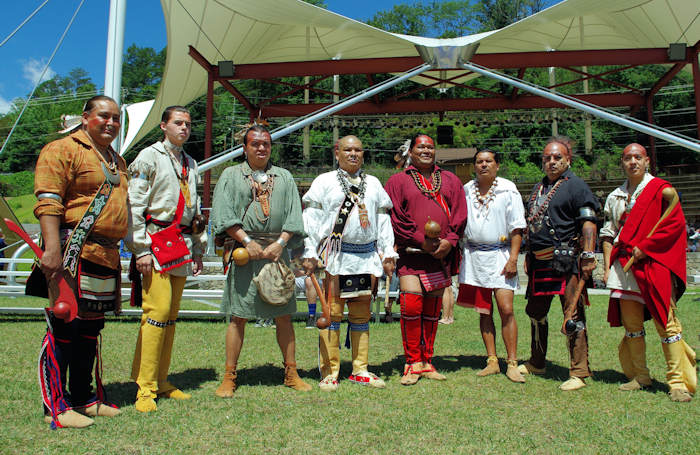
The EBCI is a beacon of cultural preservation. Efforts to maintain and revitalize traditional Cherokee language (Tsalagi), ceremonies, and arts are central to community life. The Cherokee language, one of the Iroquoian languages, is actively taught in schools and through community programs, ensuring its survival for future generations.
- Basket weaving: Utilizing river cane and white oak, baskets are intricate and deeply symbolic.
- Pottery: Reflecting ancient designs and techniques.
- Wood carving: Masks, pipes, and figures often tell stories or represent spiritual beings.
- Beadwork: Intricate patterns adorn clothing and accessories.

The Museum of the Cherokee Indian serves as a vital institution, preserving artifacts, documents, and oral histories, offering an immersive journey through Cherokee history and culture from prehistoric times to the present day.
Economic Development and Tourism: A Modern Foundation
The EBCI has strategically embraced economic diversification, with tourism playing a significant role. The most prominent example is Harrah’s Cherokee Casino Resort, which opened in 1997. This enterprise has been a transformative force, generating substantial revenue for tribal services, infrastructure, and per capita payments to enrolled members.
Beyond gaming, the EBCI leverages its rich cultural heritage to attract visitors. The Oconaluftee Indian Village offers a living history experience, transporting guests back to an 18th-century Cherokee community, complete with traditional dwellings, craft demonstrations, and cultural interpretations.
Another iconic attraction is Unto These Hills, an outdoor drama performed annually that tells the compelling story of the Cherokee people, their struggles, and their triumphs, drawing thousands of spectators each summer.
Outdoor enthusiasts are also drawn to the Qualla Boundary and surrounding areas for its natural beauty, offering opportunities for fishing, hiking, and exploring the adjacent Great Smoky Mountains National Park.
Governance and Community Life
The EBCI operates as a sovereign nation with its own distinct governmental structure. It is led by a Principal Chief, Vice Chief, and a Tribal Council, elected by tribal members. This government oversees all aspects of tribal affairs, from law enforcement and education to healthcare and economic development.
Community life on the Qualla Boundary is vibrant and forward-looking. The tribe invests heavily in education, operating its own school system and offering scholarships for higher education. Healthcare facilities, housing programs, and social services are also priorities, aimed at enhancing the well-being of all tribal citizens.
Environmental Stewardship and Connection to the Land
The Cherokee people have an inherent and profound connection to the land, viewing themselves as stewards rather than owners. This philosophy translates into active environmental conservation efforts within the Qualla Boundary, protecting its natural resources, water quality, and diverse ecosystems.
Sustainable practices and cultural teachings emphasize living in harmony with nature, a principle that continues to guide tribal policies and community initiatives.
Addressing Common Questions (People Also Ask)
What is unique about the Qualla Boundary? It is not a federally designated reservation but rather land purchased by the Cherokee people themselves, held in trust by the U.S. government, signifying a unique history of self-acquisition.
What is the economy like on the reservation? The economy is robust, largely driven by tourism and gaming, particularly Harrah’s Cherokee Casino Resort, alongside traditional crafts and cultural attractions.
What can visitors do there? Visitors can explore the Museum of the Cherokee Indian, experience the Oconaluftee Indian Village, watch Unto These Hills, visit Harrah’s Casino, and enjoy the natural beauty of the surrounding Smoky Mountains.
How many Cherokee are in the Eastern Band? The EBCI has over 16,000 enrolled members, with many residing on the Qualla Boundary.
What language do they speak? While English is widely spoken, the traditional Cherokee language (Tsalagi) is actively preserved and taught, with ongoing revitalization efforts.
What is the difference between the Eastern Band and other Cherokee Nations? The primary difference lies in their history of removal; the EBCI are descendants of those who remained in the ancestral homelands in the Southeast, while the Cherokee Nation and United Keetoowah Band of Cherokee Indians are descendants of those forcibly removed to Oklahoma.
The Future: Balancing Tradition and Progress
The Eastern Band of Cherokee Indians continues to navigate the complexities of the modern world while steadfastly upholding their cultural identity. Their future is focused on continued economic diversification, robust cultural preservation, educational advancement, and the unwavering pursuit of self-determination and sovereignty.
Their journey serves as an inspiring example of a people who have overcome immense adversity, maintaining their unique identity and contributing significantly to the cultural tapestry of North America.
Conclusion: A Legacy of Resilience and Pride
The Eastern Band of Cherokee Indians and their home, the Qualla Boundary, stand as a powerful symbol of resilience, cultural endurance, and successful self-governance. From the harrowing events of the Trail of Tears to the vibrant, thriving community of today, the EBCI exemplifies a people deeply connected to their past, actively shaping their present, and confidently building their future.
Their commitment to preserving language, art, and traditions, alongside strategic economic development, ensures that the rich legacy of the Cherokee people continues to flourish for generations to come. Visiting the Qualla Boundary offers a profound opportunity to engage with living history and witness the strength of the human spirit.


