Domestic violence is a pervasive issue affecting communities worldwide, but its impact on Indigenous populations residing on Indian Reservations presents a unique and deeply complex challenge. For Native American and Alaska Native communities, historical trauma, jurisdictional complexities, and a scarcity of resources often exacerbate the problem, making access to vital support systems incredibly difficult for survivors.
This comprehensive guide aims to shed light on the critical domestic violence resources available on Indian Reservations, understanding the unique landscape, and highlighting pathways to safety and healing. Our goal is to provide a clear, informative, and empowering resource for survivors, advocates, and allies seeking to understand and combat this crisis within Native American communities.
Understanding the Unique Landscape of Domestic Violence on Reservations
The fight against domestic violence in Indian Country is shaped by a confluence of factors, including tribal sovereignty, a history of federal policies, and the cultural context of Indigenous nations. These elements create a distinct environment that often differs significantly from non-Native communities in terms of law enforcement, justice systems, and social services.
One of the most significant challenges is the intricate web of jurisdiction. Depending on the location, the tribal affiliation of those involved, and the nature of the crime, jurisdiction can fall under tribal, state, or federal authorities. This complexity can create confusion, delays, and gaps in protection for victims, often leaving them feeling unheard and unsupported.
Unique Challenges Faced by Indigenous Survivors
Survivors of domestic violence on Indian Reservations often encounter hurdles that are less prevalent in other communities. These challenges are deeply rooted in historical injustices and ongoing systemic issues.
Jurisdictional Maze: As mentioned, the question of who has the authority to investigate and prosecute domestic violence cases can be bewildering. For decades, tribal courts had limited jurisdiction over non-Native perpetrators, leaving many Native victims of violence by non-Native partners without adequate legal recourse. While recent legislative changes, such as the Violence Against Women Act (VAWA) reauthorizations, have begun to address this, significant gaps remain.
Geographic Isolation and Resource Scarcity: Many reservations are located in remote, rural areas, making access to shelters, legal aid, medical facilities, and transportation extremely difficult. The sheer distance and lack of infrastructure can be a major barrier to escaping abusive situations or seeking help.
Cultural Barriers and Trust Issues: Historical trauma, including forced assimilation, boarding schools, and systemic discrimination, has fostered deep-seated distrust in external government systems. This distrust can make survivors hesitant to reach out to non-Native law enforcement or social services, even when they are in desperate need.
Impact of Historical Trauma and Intergenerational Violence: The legacy of colonization, forced removal, and cultural suppression has contributed to intergenerational trauma within Indigenous communities. This trauma can manifest in various ways, including increased rates of violence, substance abuse, and mental health issues, further complicating the healing process for survivors.
Underreporting and Stigma: Fear of retaliation, shame, cultural norms around privacy, and a desire to protect tribal members can lead to significant underreporting of domestic violence. Survivors may also fear judgment from within their own communities or face difficulty navigating traditional healing practices alongside modern support systems.
Key Resources and Support Systems for Survivors
Despite the challenges, a growing network of dedicated resources and organizations is working tirelessly to support Indigenous survivors of domestic violence. These resources often blend culturally appropriate approaches with professional advocacy and legal assistance.
- Tribal domestic violence shelters and safe houses
- Victim advocacy and support groups
- Legal aid services within tribal courts
- Crisis intervention and safety planning
- Traditional healing and cultural ceremonies

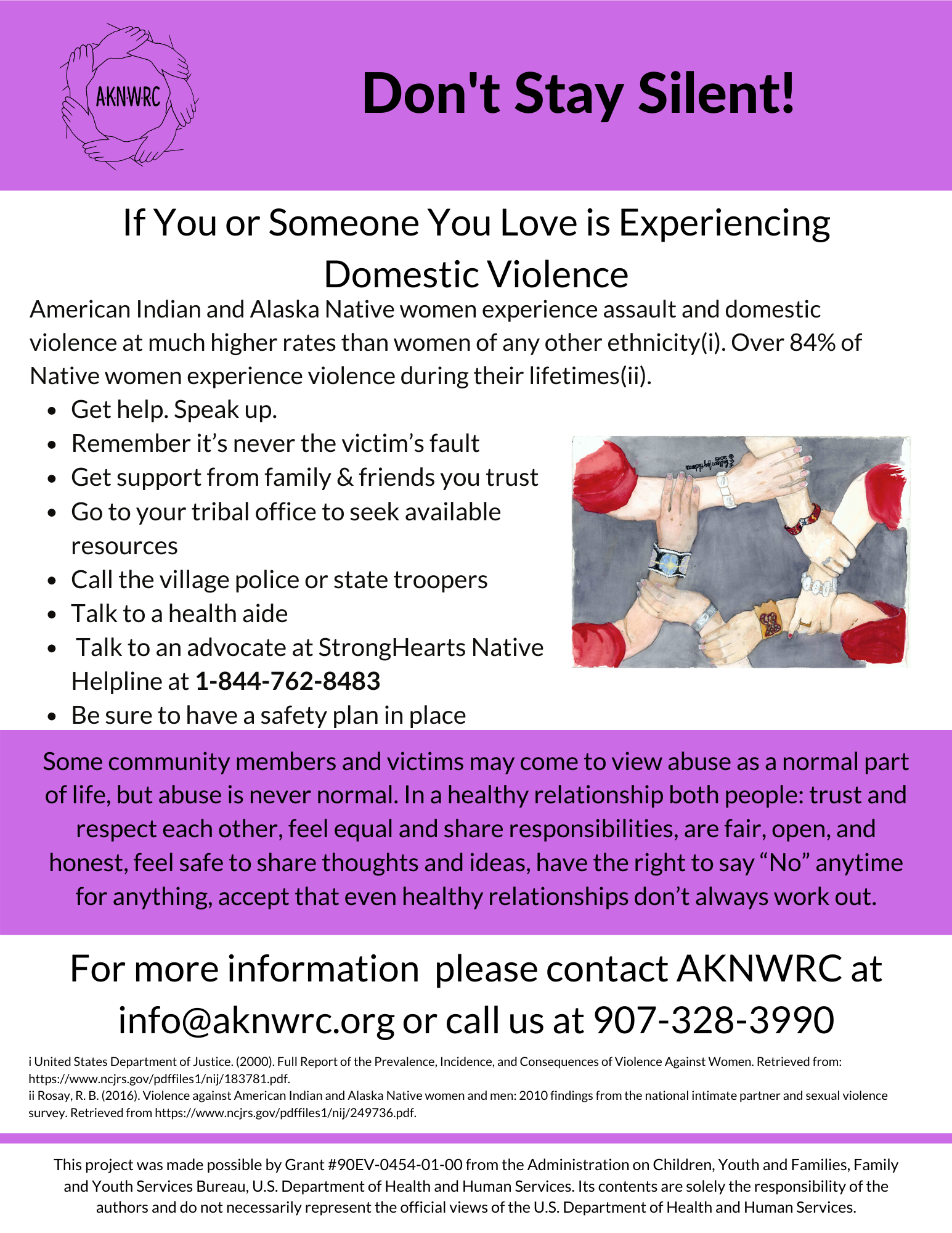
StrongHearts Native Helpline: This is a crucial, culturally appropriate helpline specifically for Native Americans and Alaska Natives impacted by domestic violence and sexual assault. Operating 24/7, 365 days a year, StrongHearts (1-844-7NATIVE) provides confidential support, advocacy, and referrals to Native-centered resources. It’s a lifeline for many who might not feel comfortable calling a mainstream hotline.
National Indigenous Women’s Resource Center (NIWRC): NIWRC is a leading national non-profit organization dedicated to ending violence against Native women and children. They provide technical assistance, training, and policy advocacy to tribal programs, advocates, and policymakers. Their website is a wealth of information, resources, and reports.
Federal Initiatives and Funding: The U.S. government, primarily through the Office on Violence Against Women (OVW) and the Indian Health Service (IHS), provides grants and funding to tribal governments and organizations to develop and enhance domestic violence programs. The Violence Against Women Act (VAWA) has been instrumental in strengthening tribal jurisdiction and providing resources.
Legal Resources and Advocacy: Access to legal assistance is paramount. This includes tribal legal aid services, pro bono attorneys specializing in tribal law, and victim advocates who can help navigate the complexities of the justice system, whether tribal, state, or federal. Understanding the implications of VAWA 2013 and VAWA 2022, which restored tribal jurisdiction over certain non-Native perpetrators, is vital.
Healthcare and Mental Health Services: Addressing the physical and psychological toll of domestic violence is critical. Indian Health Service (IHS) facilities, tribal health clinics, and culturally informed mental health professionals offer medical care, counseling, and support for trauma recovery. Many programs integrate traditional healing practices alongside Western medicine.
Addressing Jurisdictional Gaps and Inter-Agency Cooperation
Significant strides have been made to close jurisdictional gaps, particularly with the reauthorization of VAWA. The 2013 and 2022 reauthorizations affirmed tribal criminal jurisdiction over non-Native perpetrators of domestic violence, sexual assault, and certain other crimes committed against Native Americans on tribal lands. This was a monumental step towards justice and safety for Indigenous women.
Effective responses to domestic violence on reservations require robust inter-agency cooperation. This means tribal law enforcement working hand-in-hand with federal agencies like the FBI, U.S. Attorneys’ Offices, and even state and local police. Coordinated efforts ensure that perpetrators are held accountable and victims receive consistent support, regardless of the jurisdictional entity involved.
Empowering Communities Through Prevention and Cultural Healing
- Youth Engagement: Educating younger generations about healthy relationships, consent, and the cycle of violence is crucial for breaking intergenerational patterns.
- Men’s Programs: Engaging men and boys in prevention efforts and promoting positive masculinity can shift community norms.
- Cultural Revitalization: Reconnecting with traditional values that honor and respect women, and promoting cultural healing practices, can be powerful tools for community well-being and violence prevention.
- Public Awareness Campaigns: Raising awareness within and outside Native communities about the prevalence and impact of domestic violence, and the available resources, is essential.
How to Access Help: Practical Steps for Survivors
- Contact StrongHearts Native Helpline: Call or text 1-844-7NATIVE (1-844-762-8483) for confidential, culturally appropriate support and referrals.
- Reach Out to Your Tribal Social Services or DV Program: Many tribes have dedicated departments or organizations that can provide immediate assistance, shelter, and advocacy.
- Seek Legal Counsel: Contact tribal legal aid or a victim advocate to understand your legal options within tribal, state, or federal systems.
- Create a Safety Plan: Work with an advocate to develop a personalized plan for safety, including emergency contacts, escape routes, and essential items to take if you need to leave quickly.
- Access Healthcare: Visit a tribal clinic or IHS facility for medical attention and to document any injuries.
Future Directions and Advocacy
- Increased and sustained funding for tribal domestic violence programs.
- Further strengthening of tribal criminal jurisdiction and law enforcement capacity.
- Enhanced data collection and research to better understand the scope of the problem.
- Greater collaboration between tribal, state, and federal governments to ensure seamless support for survivors.
- Promoting and supporting community-led healing and prevention initiatives.
Conclusion
Domestic violence on Indian Reservations is a deeply rooted issue, yet hope and help are available. Understanding the unique challenges and knowing where to turn are the first steps toward safety and healing. From dedicated tribal programs and the StrongHearts Native Helpline to vital federal initiatives and the tireless work of organizations like NIWRC, a network of support exists to empower Indigenous survivors.
By honoring tribal sovereignty, respecting cultural traditions, and advocating for robust resources, we can collectively work towards a future where all Native American and Alaska Native individuals live free from violence and fear, with access to justice and compassionate care.


