
Cultural tours of Indian Reservations offer a unique and enriching experience, allowing travelers to connect with the history, traditions, and contemporary lives of Native American communities. These tours provide an opportunity to learn directly from tribal members, gain insights into their cultural practices, and support the economic well-being of these communities. Understanding the significance and respecting the protocols of these visits is crucial for a meaningful and responsible experience.
What are Cultural Tours of Indian Reservations?
Cultural tours of Indian Reservations are guided visits to tribal lands that focus on sharing the history, traditions, and contemporary life of Native American tribes. These tours are often led by tribal members who offer firsthand accounts and perspectives. They can include visits to historical sites, cultural centers, museums, and opportunities to participate in traditional activities.
Why Take a Cultural Tour of an Indian Reservation?
- Authentic Learning: Gain firsthand knowledge from tribal members about their history, culture, and traditions.
- Cultural Immersion: Experience traditional ceremonies, dances, and storytelling.
- Support Native Communities: Contribute to the economic well-being of tribal communities through tourism.
- Respectful Engagement: Learn about the challenges faced by Native Americans and how to support their self-determination.
- Unique Travel Experience: Discover a side of American history and culture often overlooked in mainstream tourism.
Planning Your Visit: Essential Considerations

Researching Tribal Nations
Begin by researching the specific tribal nation you plan to visit. Each tribe has its unique history, culture, and protocols. Understanding these differences is vital for showing respect and engaging appropriately. Look into their official websites or cultural centers for information.
Booking Tours and Accommodations
Many reservations offer guided tours that can be booked in advance. Some may also have lodging options on tribal land, ranging from campgrounds to hotels. Ensure that you book through official tribal sources or authorized tour operators to directly support the community.
Respecting Tribal Protocols
Tribal protocols are the customs and rules of conduct that visitors are expected to follow. These can include dress codes, photography restrictions, and rules about entering sacred sites. Always ask for permission before taking photos or videos of people or places. Be mindful of noise levels and avoid disruptive behavior.
Understanding Cultural Sensitivities
Be aware of cultural sensitivities and avoid making assumptions or stereotypes about Native American people. Listen respectfully to the stories and perspectives shared by tribal members, and ask questions thoughtfully. Avoid topics that may be considered offensive or disrespectful, such as questioning the validity of tribal traditions or making light of historical injustices.
What to Expect on a Cultural Tour

Guided Tours of Historical Sites
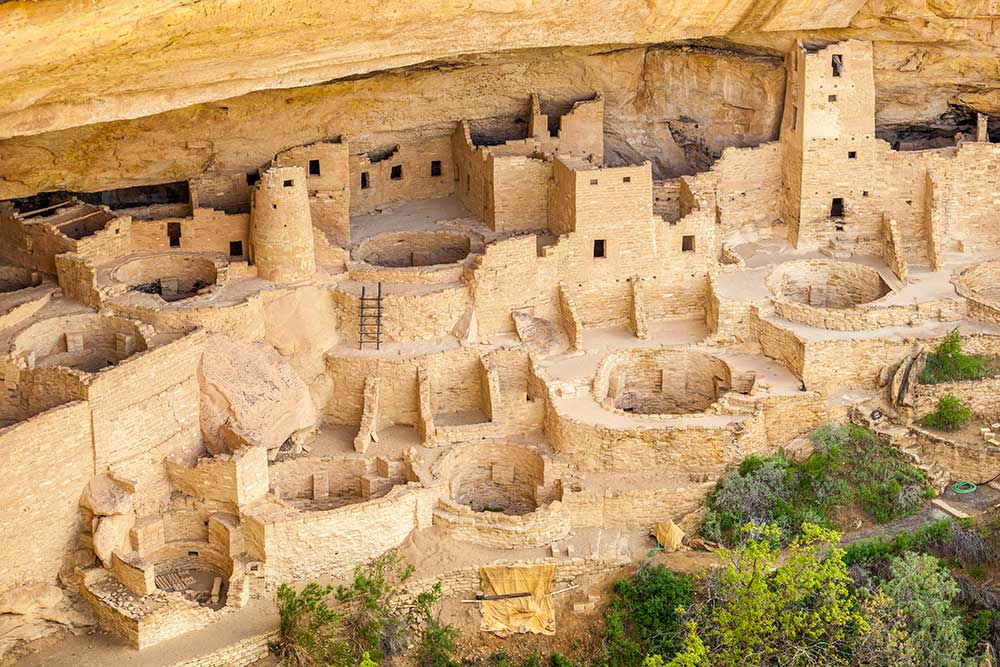
Many reservations have historical sites that tell the story of the tribe’s past. These sites may include ancient villages, battlefields, burial grounds, and other places of significance. Guided tours provide valuable context and insights into the historical events that shaped the tribe’s identity.
Visits to Cultural Centers and Museums
Cultural centers and museums showcase the tribe’s art, artifacts, and cultural traditions. These institutions often feature exhibits on tribal history, language, and contemporary life. They may also offer demonstrations of traditional crafts, such as weaving, pottery, and beadwork.
Participation in Traditional Activities
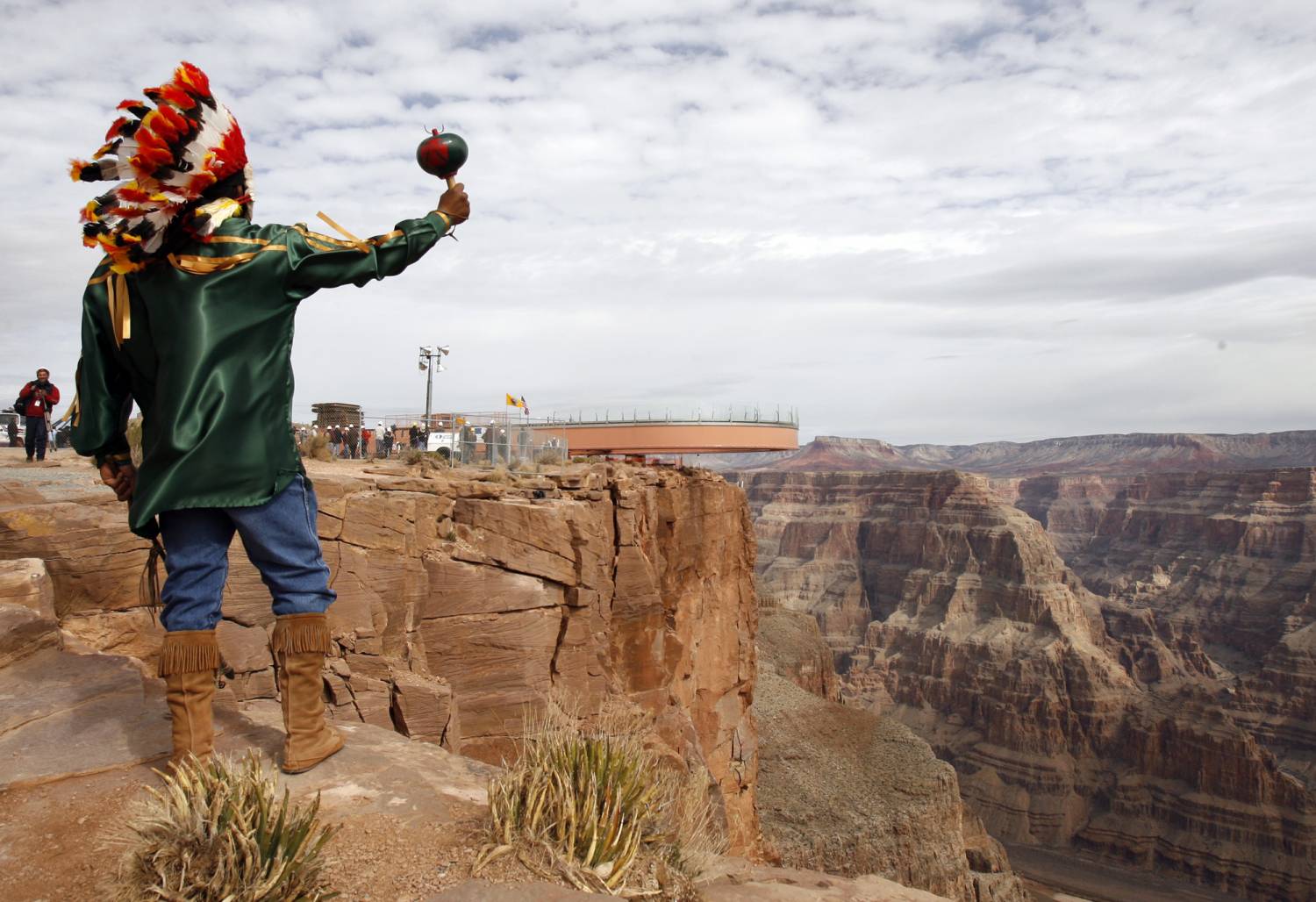
Some tours offer opportunities to participate in traditional activities, such as dancing, drumming, storytelling, or crafting. These activities provide a hands-on way to learn about the tribe’s culture and connect with its members. Be sure to follow the instructions of the tour guides and respect the cultural significance of these activities.
Learning About Contemporary Life
Cultural tours also provide insights into the contemporary lives of Native American people. You may have the opportunity to visit tribal schools, healthcare facilities, or community centers. This can help you understand the challenges and opportunities facing Native Americans today, as well as their efforts to preserve their culture and self-determination.
Responsible Tourism: Supporting Native American Communities
Shop at Tribal Businesses
Support the local economy by purchasing souvenirs and crafts directly from tribal businesses. This ensures that your money goes directly to the community and helps to sustain traditional arts and crafts.
Stay at Tribal Accommodations
If possible, stay at accommodations owned and operated by the tribe. This provides a direct source of revenue for the community and supports their economic development efforts.
Respect the Environment
Be mindful of the environment when visiting tribal lands. Avoid littering, stay on designated trails, and respect wildlife. Some tribes have specific environmental protocols that visitors are expected to follow.
Educate Others
Share your experiences and insights with others to raise awareness about Native American cultures and issues. Encourage friends and family to visit Indian Reservations and support Native American communities.
Common Questions About Cultural Tours of Indian Reservations
Are cultural tours of Indian Reservations safe?
Yes, cultural tours of Indian Reservations are generally safe. However, it’s important to book tours through reputable operators and follow their instructions. Be aware of your surroundings and take precautions to protect your personal safety and belongings.
What is the best time of year to visit an Indian Reservation?
The best time of year to visit an Indian Reservation depends on the region and the specific activities you’re interested in. Spring and fall are often pleasant, with mild temperatures and fewer crowds. Summer can be hot, but it’s also a popular time for cultural events and festivals. Winter can be cold and snowy, but it can also be a beautiful time to experience the landscape.
Are there any age restrictions for cultural tours?
Age restrictions vary depending on the tour operator and the specific activities. Some tours may be geared towards adults, while others are suitable for families with children. Check with the tour operator for details.
What should I wear on a cultural tour?
Dress modestly and respectfully when visiting Indian Reservations. Avoid wearing revealing clothing or clothing with offensive slogans or images. Comfortable shoes are recommended, as you may be doing a lot of walking.
Can I take photos on a cultural tour?
Photography policies vary depending on the tribe and the specific location. Always ask for permission before taking photos of people or places. Some tribes may have restrictions on photography in sacred sites or during ceremonies.
Conclusion: Embracing Cultural Exchange and Understanding
Cultural tours of Indian Reservations offer a powerful opportunity to learn about the history, traditions, and contemporary lives of Native American communities. By engaging respectfully and supporting responsible tourism practices, visitors can contribute to the economic well-being of these communities and help to preserve their cultural heritage. These tours provide a unique and enriching travel experience that fosters understanding, empathy, and appreciation for the diversity of American culture. Remember to respect tribal protocols, support local businesses, and educate yourself and others about the rich heritage of Native American tribes.
By participating in these tours, you’re not just a tourist; you become a supporter of cultural preservation and community empowerment. The lessons learned and the connections made during these experiences can last a lifetime, fostering a greater understanding and respect for the Indigenous peoples of America.
Consider planning your visit today and experience the richness of Native American culture firsthand. Support their communities, learn their stories, and become an advocate for their heritage.


