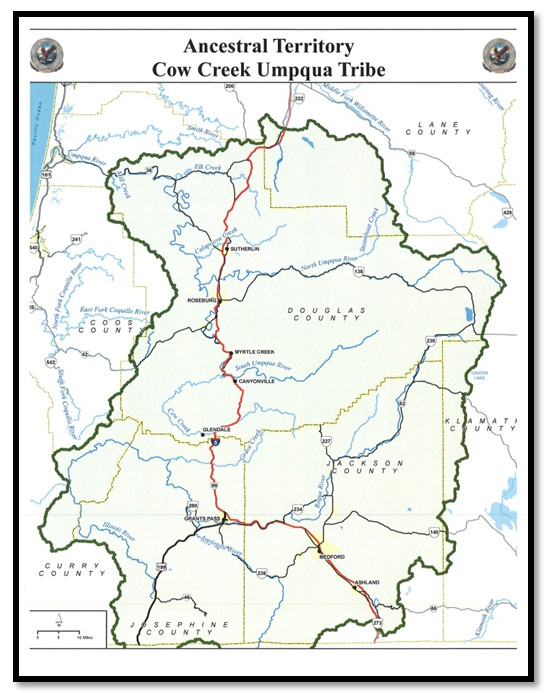
The Cow Creek Band of Umpqua Tribe of Indians represents a compelling narrative of resilience, cultural preservation, and economic self-determination in the heart of Southern Oregon. Their story is deeply interwoven with the landscape, particularly the Umpqua River watershed, a region they have called home for thousands of years. This comprehensive guide delves into their rich history, enduring traditions, and modern-day achievements, offering insight into one of Oregon’s vital sovereign nations.
For those seeking to understand the fabric of Oregon’s indigenous heritage, the Cow Creek Band stands as a beacon. Their reservation, situated near Canyonville in Douglas County, serves not only as a governmental and residential hub but also as a powerful symbol of their enduring presence and sovereignty.
A Deep-Rooted History: Ancestral Lands and Early Life
Before the arrival of European settlers, the ancestral lands of the Cow Creek Umpqua people spanned a vast and fertile territory. Their traditional boundaries encompassed the South Umpqua River and its tributaries, extending into the Cascade and Coast mountain ranges. This area provided abundant natural resources, crucial for their hunter-gatherer lifestyle.
Life was dictated by the seasons, with a sophisticated understanding of the environment. Salmon runs in the Umpqua River were central to their diet and culture, alongside hunting deer, elk, and gathering a wide array of roots, berries, and nuts. Their resourcefulness and deep connection to the land fostered a sustainable way of life for millennia.
The Cow Creek Umpqua people maintained complex social structures, distinct languages, and rich oral traditions that passed down knowledge, history, and values from generation to generation. These traditions formed the bedrock of their identity and community.
The Impact of European Settlement and Treaties
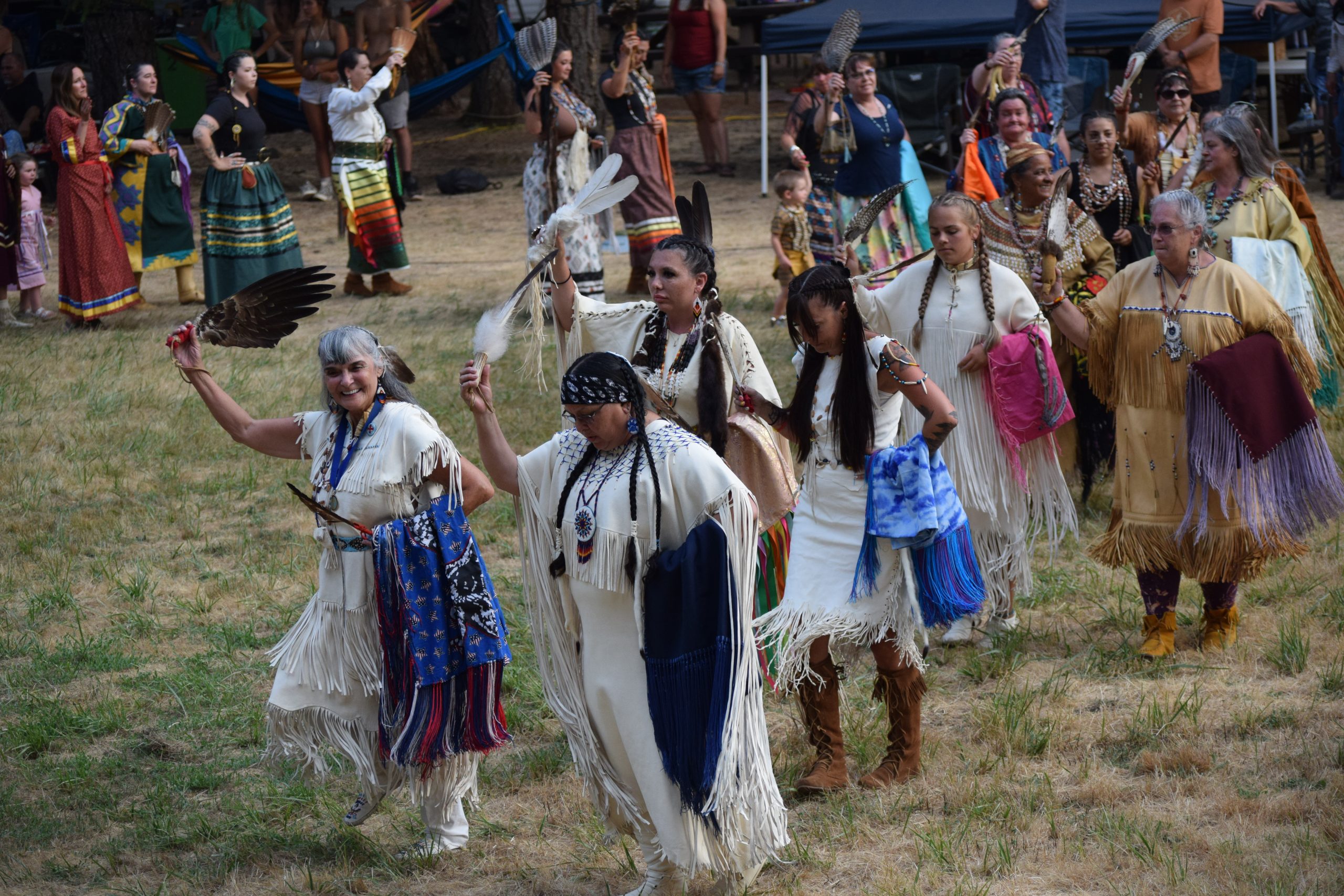
The mid-19th century brought significant upheaval with the influx of Euro-American settlers drawn by the Oregon Trail and the promise of land. This period marked a dramatic shift for the Cow Creek Umpqua, as their lands were encroached upon, and their traditional way of life was severely disrupted.
In 1853, the Cow Creek Band entered into a treaty with the U.S. government, ceding much of their ancestral territory in exchange for a small reservation and provisions. However, like many treaties of the era, the promises made were often broken, leading to further displacement and hardship.
The tribe faced immense pressure and systemic policies designed to assimilate Native Americans, including forced removal to distant reservations and the suppression of their cultural practices. This era was characterized by profound loss and a determined struggle for survival.
The Long Road to Federal Restoration
Despite the adversities, the Cow Creek Umpqua people never relinquished their identity or their claim to sovereignty. For decades, they fought tirelessly to regain federal recognition, a status that had been unjustly terminated or denied to many tribes across the nation.
The journey for restoration was arduous, requiring extensive documentation, legal battles, and unwavering advocacy by tribal members. It was a testament to their enduring spirit and commitment to their heritage.
Finally, in 1982, their perseverance bore fruit with the passage of the Cow Creek Band of Umpqua Tribe of Indians Restoration Act. This landmark legislation formally recognized the tribe’s sovereign status, allowing them to re-establish their tribal government and begin the process of rebuilding their community on their own terms.
Rebuilding and Cultural Preservation
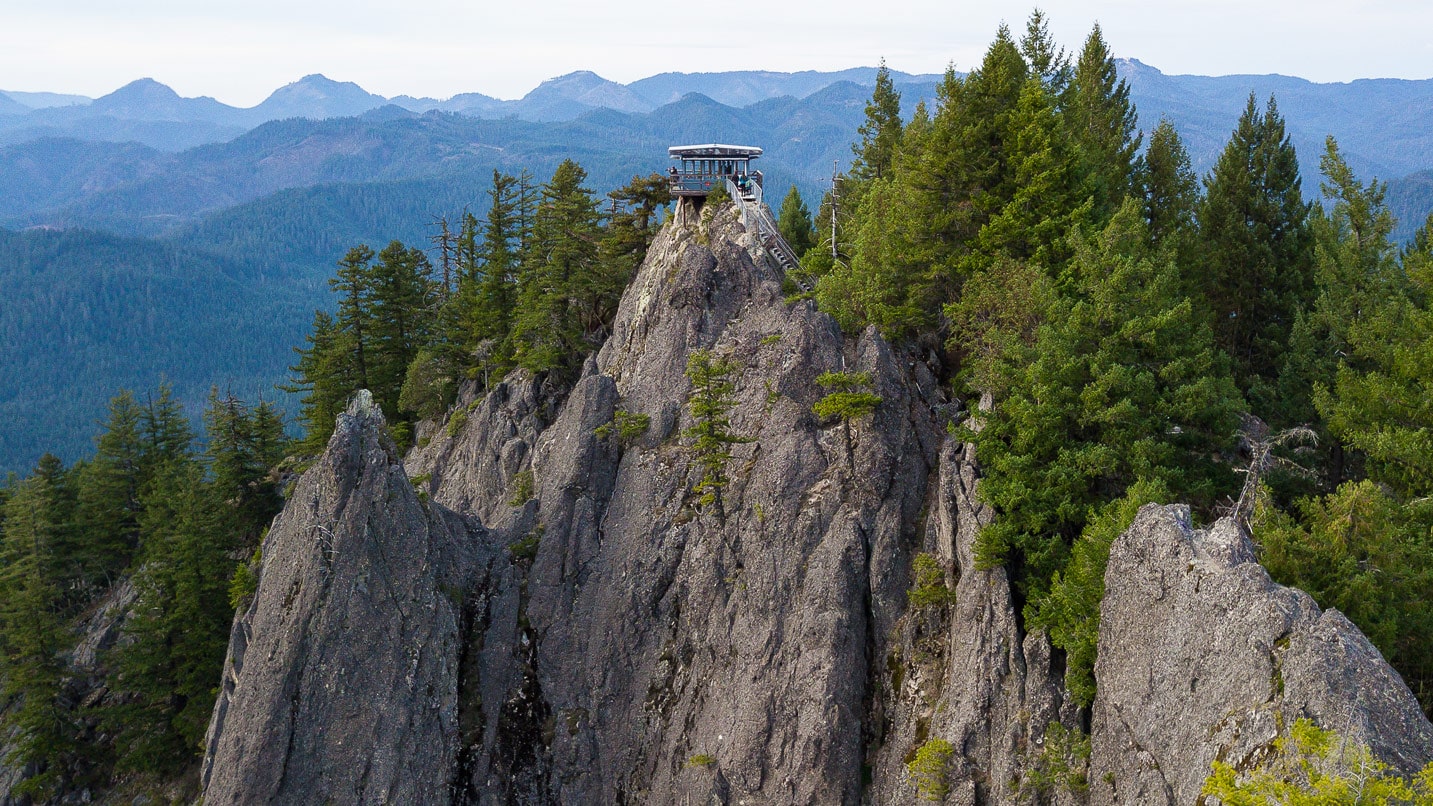
With federal recognition, the Cow Creek Band embarked on a mission to revitalize their culture, language, and community. Programs were established to teach the Umpqua language, preserve traditional arts and crafts, and educate younger generations about their history and heritage.
Cultural events, ceremonies, and gatherings became central to reinforcing tribal identity and fostering a strong sense of community. These initiatives ensured that the wisdom and traditions of their ancestors continued to thrive and evolve.
The tribe actively promotes educational opportunities for its members, recognizing that education is key to both individual and collective advancement. Scholarships, youth programs, and support for higher learning are integral parts of their community development efforts.
Economic Self-Sufficiency: The Seven Feathers Legacy
A cornerstone of the Cow Creek Band’s modern success story is their commitment to economic self-sufficiency. Leveraging their tribal sovereignty, they strategically invested in ventures that would provide stable revenue and create jobs for both tribal members and the surrounding Southern Oregon communities.
The most prominent of these ventures is the Seven Feathers Casino Resort, located in Canyonville. Opened in 1994, it has grown into a major economic engine, offering hospitality, entertainment, and employment opportunities.
Beyond the casino, the tribe has diversified its economic portfolio, investing in various enterprises including timber, retail, and other hospitality ventures. This strategic approach has allowed them to fund essential tribal services and contribute significantly to the regional economy.
The economic impact of the Cow Creek Band extends far beyond their reservation boundaries. They are one of the largest employers in Douglas County, providing stable jobs and generating substantial tax revenues that benefit all residents of Oregon.
Tribal Government and Services
The Cow Creek Band operates as a sovereign nation with a democratically elected tribal government. This government is responsible for providing a wide array of services to its members, ensuring their well-being and fostering a healthy community.
These services include:
- Healthcare and wellness programs
- Housing assistance
- Educational support and scholarships
- Elder care services
- Natural resource management and environmental stewardship initiatives, particularly concerning the Umpqua River ecosystem
- Law enforcement and tribal justice systems
Their commitment to environmental stewardship is particularly noteworthy, as they actively work to protect and restore the natural resources that have sustained their people for generations. This includes efforts to conserve salmon habitats and manage forest lands responsibly.
Modern Challenges and a Vision for the Future
While the Cow Creek Band has achieved remarkable success, they continue to navigate modern challenges. These include balancing traditional values with contemporary society, addressing health disparities, and ensuring sustainable growth amidst economic fluctuations.
The tribe remains dedicated to long-term planning, focusing on sustainable development, expanding economic opportunities, and continuing to strengthen their cultural programs. Their vision is one of continued prosperity, cultural vitality, and self-determination for future generations.
They are active participants in regional initiatives, collaborating with local governments and organizations to address shared challenges and contribute to the overall well-being of Southern Oregon.
Visiting and Learning More
The Cow Creek Band welcomes visitors to learn about their culture and experience their hospitality. Seven Feathers Casino Resort serves as a gateway, offering a glimpse into the tribe’s economic success and providing a base for exploring the beautiful Umpqua Valley.
Respectful engagement and a willingness to learn are key. Understanding the tribe’s history and ongoing contributions enriches the broader appreciation of Oregon’s diverse cultural landscape.
Conclusion: A Story of Perseverance and Progress
The Cow Creek Band of Umpqua Tribe of Indians stands as a powerful testament to the resilience and strength of indigenous peoples. From enduring centuries of hardship to achieving federal restoration and building a robust, self-sufficient economy, their journey is truly inspiring.
Their commitment to cultural preservation, community development, and economic empowerment not only benefits their tribal members but also enriches the entire Southern Oregon region. The Cow Creek Band continues to write its history, a vibrant and dynamic narrative of an ancient people thriving in the modern world, deeply connected to their ancestral lands along the Umpqua River.


