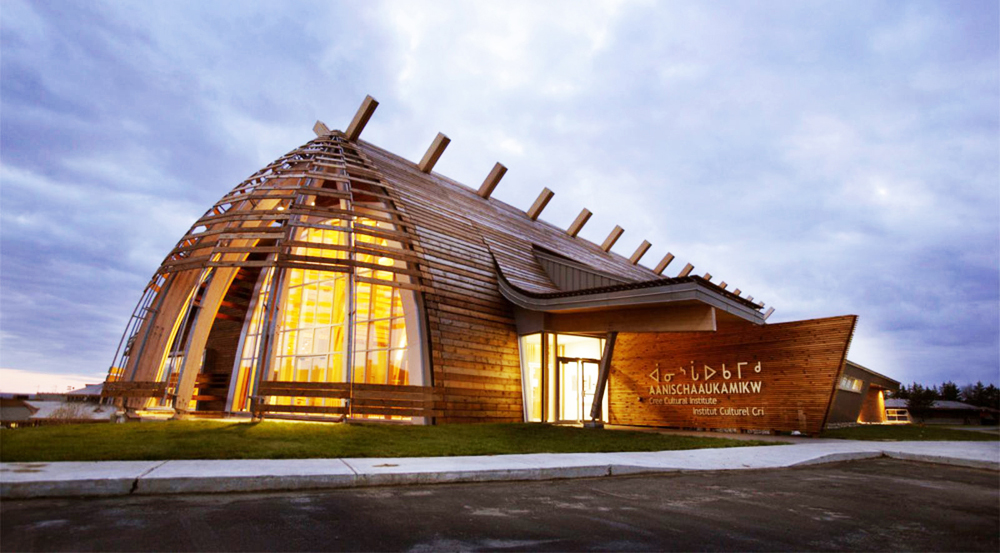
The landscape of Indigenous reservations is undergoing a profound transformation, marked by a resurgence of architectural innovation rooted deeply in cultural identity and sustainable practices. This movement, often termed contemporary Indigenous architecture, is far more than mere construction; it is a powerful expression of self-determination, resilience, and a forward-looking vision for tribal communities.
For generations, Indigenous communities faced the imposition of colonial architectural styles, often ill-suited to their climate, cultural practices, or spiritual beliefs. Homes and public buildings on reservations frequently mirrored mainstream designs, leading to a disconnect from traditional ways of living and a loss of culturally significant spaces.
However, a new era has dawned. Indigenous architects, planners, and community leaders are now at the forefront of designing buildings that not only serve practical needs but also embody the rich heritage, values, and environmental stewardship principles of their respective nations. This shift represents a crucial step in decolonizing built environments and reclaiming spatial sovereignty.
Reclaiming Identity Through Design. At its heart, contemporary Indigenous architecture is about cultural revitalization. It seeks to reintroduce and reinterpret traditional forms, materials, and symbolism into modern structures, creating spaces that resonate deeply with community members and tell their unique stories.
This architectural movement is a direct response to a historical lack of culturally appropriate infrastructure. It’s about creating spaces where Indigenous languages can thrive, ceremonies can be performed with dignity, and intergenerational knowledge can be passed down in environments that truly reflect Indigenous worldviews.
A Foundation in Traditional Wisdom. Traditional Indigenous architecture was inherently sustainable, developed over millennia in harmony with local ecosystems. Structures were often designed to respond to regional climates, utilizing natural ventilation, passive solar heating, and locally sourced materials like earth, timber, and stone.

These ancestral building methods were not just practical; they were imbued with spiritual significance, reflecting a deep respect for the land and all living things. The orientation of a dwelling, the use of specific materials, or even the shape of a gathering space often held profound cultural and cosmological meaning.
The contemporary approach draws heavily from this ancient wisdom, adapting it for modern construction techniques and materials. It’s not about replicating the past, but rather understanding its principles and applying them creatively to present-day challenges and opportunities.
Key Principles of Contemporary Indigenous Architecture. Several core principles guide the development of these innovative structures, ensuring they are both functional and deeply meaningful.
One paramount principle is community engagement. Projects are typically community-led, involving extensive consultation with elders, youth, and tribal members from conception through completion. This ensures that the final design truly meets the needs and aspirations of the people it serves, fostering a strong sense of ownership and pride.
Another critical aspect is sustainability and environmental stewardship. Echoing traditional practices, contemporary designs prioritize energy efficiency, renewable materials, and minimal environmental impact. This often includes features like rainwater harvesting, green roofs, solar panels, and designs that maximize natural light and air circulation.
Cultural responsiveness is non-negotiable. This involves integrating Indigenous art, iconography, storytelling, and spatial arrangements into the design. It might manifest in the building’s form reflecting a traditional dwelling, the use of specific colors or patterns, or the creation of spaces for traditional ceremonies and gatherings.
Finally, resilience and self-determination are woven into the fabric of these projects. By designing and building their own infrastructure, tribal nations assert their sovereignty, strengthen their economies, and create enduring symbols of their cultural continuity and future aspirations.
Architectural Styles and Materials: A Blend of Old and New. Contemporary Indigenous architecture embraces a diverse range of styles, often characterized by a thoughtful fusion of modern aesthetics with traditional elements. You might see clean, minimalist lines softened by natural textures and earth tones, or bold forms that evoke ancestral structures.
The choice of materials is often strategic, prioritizing local sourcing to reduce environmental impact and support regional economies. Wood, stone, and adobe are frequently used, sometimes alongside modern, durable materials chosen for their sustainability and performance.
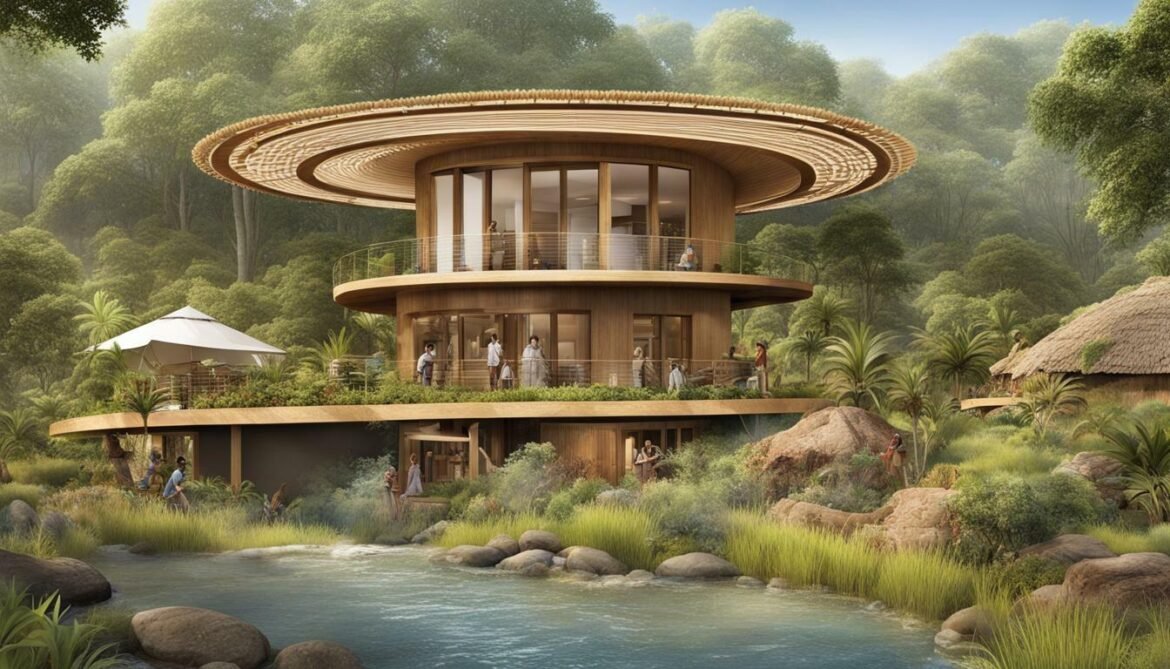
Advanced building technologies are often employed to enhance energy efficiency and structural integrity, but always with an eye towards cultural appropriateness. For instance, geothermal heating systems might be integrated into a building designed to resemble a traditional earth lodge, providing modern comfort within a culturally resonant form.
Impact on Reservation Life and Identity. The development of culturally appropriate architecture has a transformative impact on reservations. It provides safe, healthy, and dignifying spaces for tribal members, addressing critical needs such as housing, healthcare, and education.
New tribal housing projects, for example, are moving away from generic suburban models to designs that incorporate extended family living, communal spaces, and connections to the land, reflecting traditional family structures and values.
Cultural centers and museums built with Indigenous design principles become vibrant hubs for preserving languages, teaching traditional arts, and hosting ceremonies. These buildings are not just repositories of culture; they are living spaces that actively foster cultural transmission and identity.
Educational institutions, from early childhood centers to tribal colleges, are being designed to create learning environments that are culturally affirming and responsive to Indigenous pedagogies, helping to bridge the gap between Western education and traditional knowledge systems.
Furthermore, these architectural projects often stimulate local economies by creating jobs for tribal members in construction, design, and related industries, contributing to greater economic self-sufficiency.
Challenges and Opportunities Ahead. While the movement is gaining momentum, it faces several challenges. Funding remains a significant hurdle, as securing resources for projects that prioritize cultural and environmental values over purely economic ones can be complex.
Navigating regulatory frameworks, which are often not designed with Indigenous cultural considerations in mind, also presents difficulties. Advocacy for policy changes that support culturally specific building codes and practices is ongoing.
However, these challenges also present opportunities. Increased awareness and support from philanthropic organizations, government agencies, and educational institutions are helping to overcome financial barriers. The growing number of Indigenous architects and designers entering the field is also a positive development.
Collaboration with non-Indigenous architectural firms that are committed to respectful partnership and learning from Indigenous communities is also expanding the capacity to undertake larger, more complex projects.
The Role of Indigenous Architects and Planners. The emergence of a strong cohort of Indigenous architects, urban planners, and designers is central to this movement. These professionals bring not only technical expertise but also an invaluable understanding of their own cultures, histories, and the unique needs of their communities.
They are instrumental in translating ancestral knowledge into contemporary forms, ensuring authenticity and cultural integrity. Their work is pivotal in shaping spaces that truly empower and reflect the aspirations of Indigenous peoples.
The Future of Building on Ancestral Lands. The future of contemporary Indigenous architecture on reservations is bright and full of potential. As more communities embrace this approach, we can expect to see an even greater diversity of innovative designs that continue to push the boundaries of what is possible.
This movement will continue to play a crucial role in strengthening tribal sovereignty, promoting environmental justice, and ensuring that Indigenous cultures not only survive but thrive in the modern world. It is a testament to the enduring spirit and creativity of Indigenous peoples.
The lessons learned from Indigenous design principles—sustainability, community-focus, and deep respect for place—offer valuable insights for the broader architectural world, demonstrating how to build in a way that is both responsible and deeply meaningful.
Ultimately, contemporary Indigenous architecture is about more than just buildings; it’s about building a better future, one structure at a time, where cultural heritage and modern innovation coexist in powerful harmony. It is a testament to resilience, a celebration of identity, and a profound statement of self-determination.
These architectural endeavors serve as powerful symbols of hope and progress, inspiring not only Indigenous communities but also a global audience to reconsider how we design, build, and interact with our environments.


