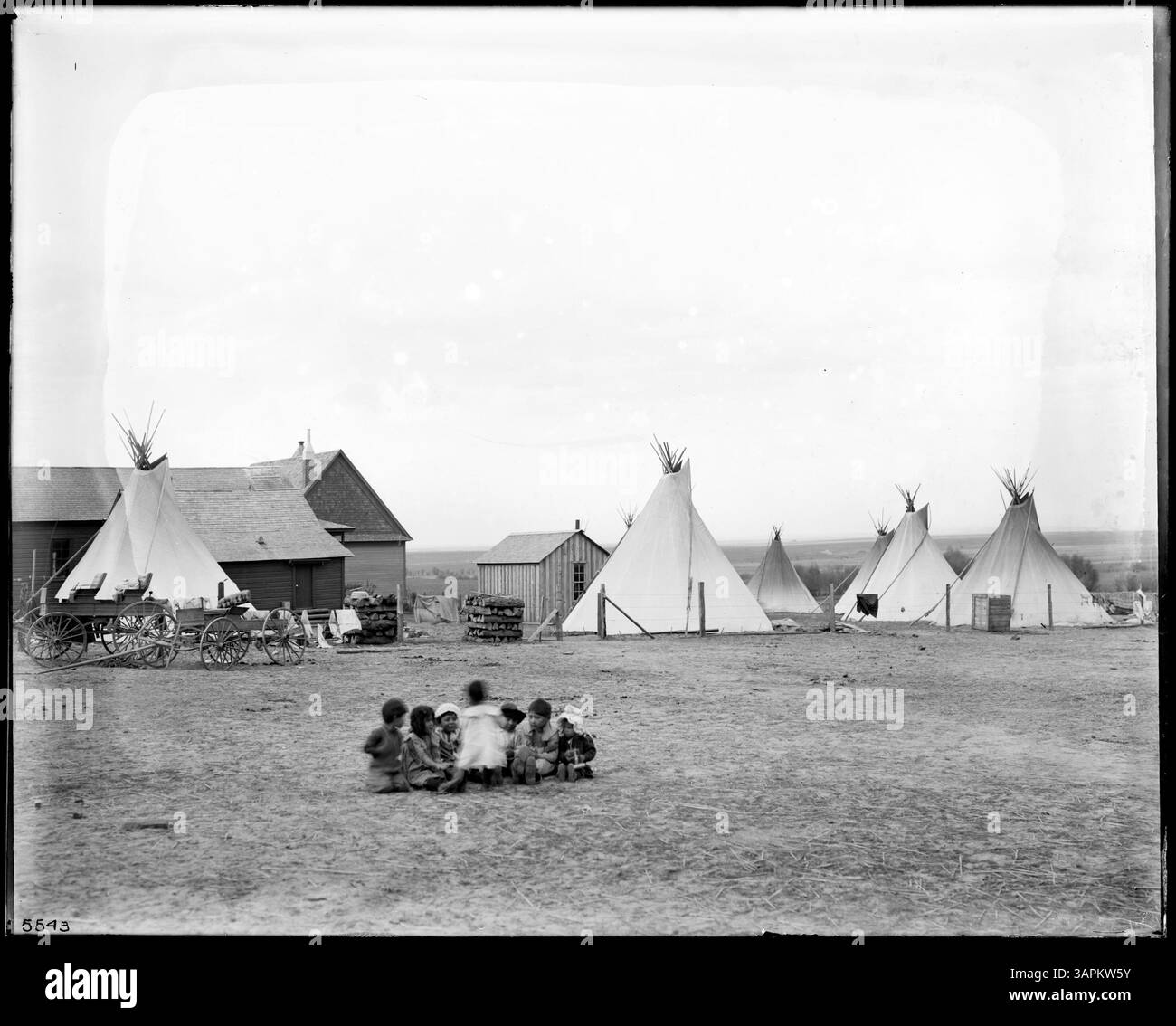

Community building on Indian Reservations is a multifaceted and critical endeavor, essential for fostering self-determination, cultural preservation, and economic prosperity. It involves addressing historical injustices, overcoming systemic barriers, and empowering tribal members to shape their own futures. This comprehensive guide explores the key aspects of community building, highlighting successful strategies and ongoing challenges.
Understanding the Historical Context
To effectively engage in community building, it’s crucial to understand the historical context that has shaped the current realities of Indian Reservations. Centuries of colonization, forced assimilation, and broken treaties have left deep scars. These historical traumas continue to impact social, economic, and health outcomes within tribal communities.
The legacy of the Dawes Act, which aimed to break up communal land holdings, and the forced removal of children to boarding schools, where they were stripped of their language and culture, are just two examples of policies that have had devastating consequences. Recognizing and acknowledging this history is the first step towards healing and reconciliation.
Key Pillars of Community Building
Cultural Preservation: Protecting and promoting tribal languages, traditions, and cultural practices is paramount. Cultural preservation strengthens identity, fosters a sense of belonging, and provides a foundation for future generations.
Economic Development: Creating sustainable economic opportunities is essential for reducing poverty and increasing self-sufficiency. This includes supporting tribal businesses, attracting investment, and developing a skilled workforce.
Education: Improving educational outcomes is critical for empowering tribal members to pursue their dreams and contribute to the community. This involves ensuring access to quality education, culturally relevant curriculum, and support services.
Healthcare: Addressing health disparities and improving access to healthcare services is vital for the well-being of the community. This includes addressing issues such as diabetes, substance abuse, and mental health.
Housing: Providing safe and affordable housing is a basic necessity and a foundation for stability. This involves addressing housing shortages, improving housing quality, and promoting homeownership.
Infrastructure: Investing in infrastructure, such as roads, water systems, and broadband internet, is essential for supporting economic development and improving quality of life.
Cultural Preservation: Reclaiming Identity and Heritage
Cultural preservation is the cornerstone of community building on Indian Reservations. It involves revitalizing tribal languages, promoting traditional arts and crafts, and celebrating cultural ceremonies and events. Many tribes have established cultural centers and museums to preserve and share their history and heritage.
Language revitalization programs are particularly important, as language is a key carrier of culture. These programs often involve teaching language classes, creating language immersion programs, and developing language resources.
Economic Development: Creating Sustainable Opportunities
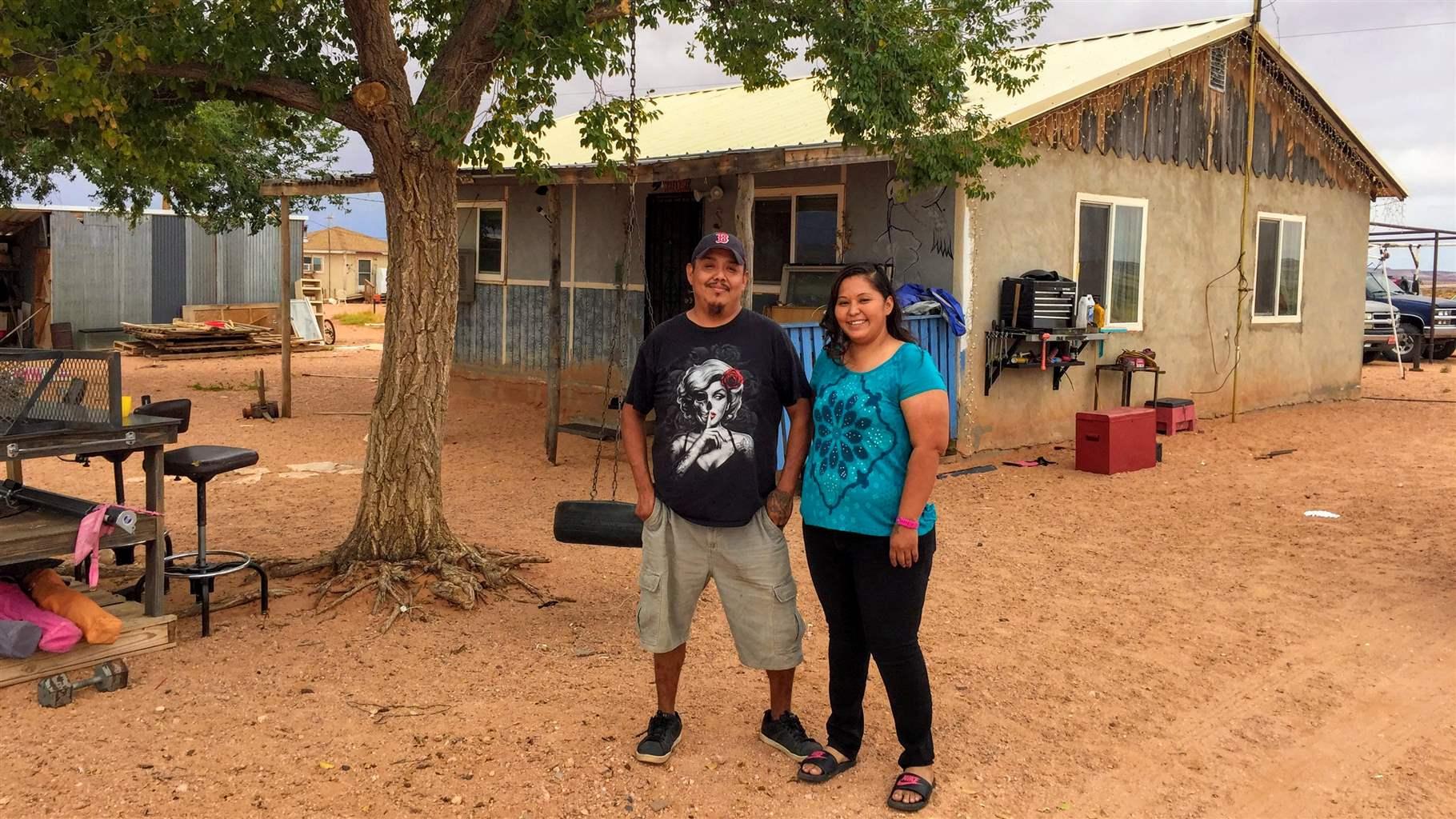

Economic development is crucial for creating jobs, generating revenue, and improving the overall standard of living on Indian Reservations. Many tribes have successfully developed businesses in sectors such as gaming, tourism, and natural resources.
Tribal gaming has been a significant source of revenue for many tribes, providing funding for essential services such as education, healthcare, and infrastructure. However, it’s important to diversify the economy and create opportunities in other sectors as well.
Supporting tribal entrepreneurship is another key strategy for economic development. This involves providing access to capital, training, and mentorship for tribal members who want to start their own businesses.
Education: Investing in Future Generations
Education is a powerful tool for empowering tribal members and creating a brighter future. Improving educational outcomes involves ensuring access to quality education, culturally relevant curriculum, and support services.
Tribal colleges and universities play a vital role in providing higher education opportunities for tribal members. These institutions offer programs that are tailored to the needs of the community and that incorporate Native American culture and perspectives.
Healthcare: Addressing Health Disparities
Indian Reservations often face significant health disparities, including higher rates of chronic diseases, substance abuse, and mental health issues. Addressing these disparities requires a comprehensive approach that includes improving access to healthcare services, promoting healthy lifestyles, and addressing the social determinants of health.
Telehealth is an increasingly important tool for improving access to healthcare in rural and remote areas. It allows tribal members to consult with specialists and receive care without having to travel long distances.
Housing and Infrastructure: Building a Foundation for the Future
Safe and affordable housing is a basic necessity and a foundation for stability. Addressing housing shortages and improving housing quality are critical priorities on many Indian Reservations.
Investing in infrastructure, such as roads, water systems, and broadband internet, is essential for supporting economic development and improving quality of life.
Addressing Common Challenges
Lack of Resources: Many tribes face a lack of funding and resources to support community building initiatives.
Bureaucracy: Navigating complex federal regulations and bureaucratic processes can be challenging.
Historical Trauma: The legacy of historical trauma continues to impact social, economic, and health outcomes.
Internal Divisions: Internal divisions within the tribal community can hinder progress.
Brain Drain: Many young people leave the reservation to pursue education and employment opportunities elsewhere.
Overcoming Challenges and Building a Brighter Future
Despite the challenges, there are many reasons to be optimistic about the future of Indian Reservations. With strong leadership, community engagement, and a commitment to self-determination, tribes can overcome obstacles and build thriving communities.
Seeking outside partnerships can be beneficial, but it is important to maintain tribal sovereignty and control over decision-making processes.
Examples of Successful Community Building Initiatives
There are numerous examples of successful community building initiatives on Indian Reservations across the country. These initiatives demonstrate the power of community engagement, cultural preservation, and economic development.
One example is the development of a tribally owned renewable energy project, which provides clean energy, creates jobs, and generates revenue for the tribe.
Another example is the establishment of a tribal language immersion school, which is helping to revitalize the tribal language and culture.
The Role of Technology in Community Building
Technology plays an increasingly important role in community building on Indian Reservations. Broadband internet access can connect tribal members to educational opportunities, healthcare services, and economic opportunities.
Online platforms can also be used to facilitate community engagement and communication.
Conclusion: A Path Towards Self-Determination
Community building on Indian Reservations is a long-term process that requires a holistic approach. By focusing on cultural preservation, economic development, education, healthcare, housing, and infrastructure, tribes can create thriving communities that are rooted in their traditions and values.
The path towards self-determination is not easy, but it is a path worth pursuing. By empowering tribal members to shape their own futures, we can create a brighter future for Indian Reservations and for the nation as a whole.


