
The Unseen Continent: Combating Misinformation About Turtle Island
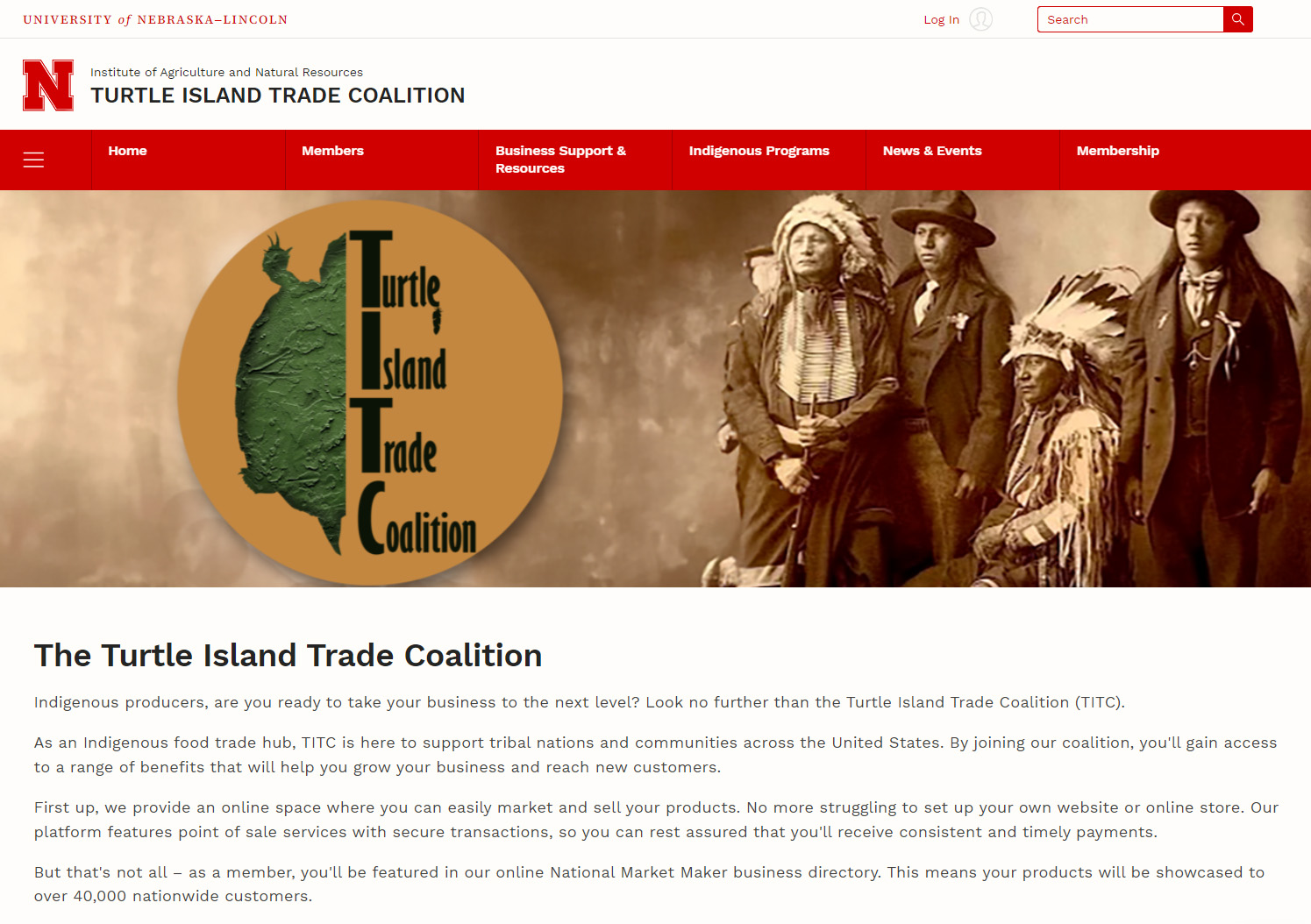
The name "Turtle Island" resonates with a profound history, a spiritual connection, and a cultural tapestry far older and richer than the colonial narratives that have largely dominated our understanding of North America. It is the Indigenous name for this continent, a name rooted in creation stories that speak of a giant turtle supporting the land on its back, a symbol of resilience, wisdom, and continuity. Yet, for many, this ancient designation remains unfamiliar, overshadowed by Eurocentric geography. This unfamiliarity is not benign; it is a symptom of pervasive misinformation that has systematically erased, distorted, and marginalized Indigenous histories, cultures, and contemporary realities. Combating this misinformation is not merely an academic exercise; it is an urgent imperative for justice, reconciliation, and the fostering of a truly equitable society on Turtle Island.
The roots of misinformation about Turtle Island run deep, intertwined with the very fabric of colonialism. The myth of terra nullius – "empty land" – was perhaps the most damaging of all, serving as a legal and moral justification for European expansion. This falsehood propagated the idea that Indigenous peoples were nomadic, unsophisticated, and without legitimate claims to the land, despite millennia of complex societies, agricultural innovations, extensive trade networks, and sophisticated governance systems. For instance, before European contact, estimates suggest North America supported a population of up to 100 million people, many living in vast, interconnected nations like the Haudenosaunee Confederacy or the urban center of Cahokia, which once rivaled London in size. The deliberate downplaying or outright omission of these facts from mainstream education has created a vacuum, easily filled by stereotypes and romanticized, yet inaccurate, portrayals of Indigenous life.
This historical erasure has been meticulously perpetuated through educational systems. For generations, textbooks presented a one-sided account of history, glorifying "discoverers" and pioneers while minimizing or demonizing Indigenous resistance. The residential school system in Canada and the boarding school system in the United States, designed with the explicit goal of "killing the Indian in the child," were instruments of cultural genocide, severing children from their languages, traditions, and families. The profound trauma inflicted by these institutions, and the ongoing intergenerational impacts, are often glossed over or entirely absent from public discourse, replaced by a sanitized version of history that avoids accountability. The consequence is a society largely ignorant of the systemic oppression that Indigenous peoples have endured, leading to a fundamental misunderstanding of contemporary issues.
Media plays a critical role in both perpetuating and combating misinformation. Historically, Indigenous peoples have been depicted through a narrow lens of stereotypes: the "noble savage," the "drunken Indian," or the "stoic warrior." These caricatures strip Indigenous individuals of their humanity and diversity, reducing complex cultures to simplistic tropes. News coverage often sensationalizes conflict, focuses on deficits rather than strengths, and frequently fails to consult Indigenous voices or provide historical context for current events. When Indigenous communities protest resource extraction on their ancestral lands, for example, they are often portrayed as "activists" or "radicals" obstructing progress, rather than sovereign nations defending their inherent rights and environmental stewardship. The struggle of the Wet’suwet’en hereditary chiefs against the Coastal GasLink pipeline in so-called British Columbia, or the Standing Rock Sioux Tribe against the Dakota Access Pipeline, are prime examples where media narratives often failed to adequately convey the deep historical injustices and treaty violations at play.
Beyond historical and cultural inaccuracies, misinformation actively harms Indigenous communities in the present day. Misunderstandings about treaty rights, which are often dismissed as "special rights" rather than constitutionally protected agreements between nations, fuel resentment and resistance to land claims and self-determination efforts. The crisis of Missing and Murdered Indigenous Women, Girls, and Two-Spirit People (MMIWG2S) is another area where misinformation and neglect converge. For too long, these disappearances and murders were underreported, dismissed by law enforcement, and ignored by mainstream media, contributing to a pervasive lack of public awareness and urgent action. The perception that Indigenous lives hold less value, subtly reinforced by misinformation, contributes directly to the systemic failures that allow such atrocities to continue.
Combating this entrenched misinformation requires a multi-pronged, sustained effort, beginning with a fundamental shift in education. Decolonizing curricula means incorporating Indigenous histories, perspectives, languages, and worldviews as central, not supplementary, elements of learning from kindergarten through university. This involves teaching about pre-contact societies, the true history of treaties, the devastating legacy of residential schools, and the vibrant resilience of contemporary Indigenous nations. As Murray Sinclair, former chair of the Truth and Reconciliation Commission of Canada, often stated, "Education got us into this mess, and education will get us out." This requires not just new content, but also Indigenous educators, pedagogies, and resources to ensure authentic and respectful knowledge transfer.
Media literacy and responsible journalism are equally crucial. News organizations must commit to hiring and supporting Indigenous journalists, ensuring Indigenous voices are heard, and providing the necessary historical and cultural context for stories involving Indigenous communities. This means moving beyond crisis reporting to showcase the diversity, innovation, and strength within Indigenous nations. Documentary filmmakers, artists, and storytellers have a powerful role to play in sharing authentic narratives, challenging stereotypes, and fostering empathy. Platforms like APTN (Aboriginal Peoples Television Network) in Canada are vital examples of Indigenous-led media creating space for these essential stories.
Furthermore, active engagement and truth-telling are paramount. Land acknowledgements, now increasingly common, are a positive first step, but they must be more than performative gestures. They should be accompanied by genuine efforts to understand the Indigenous nations whose traditional territories one occupies, to support Indigenous-led initiatives, and to engage in reconciliation in meaningful ways. This includes supporting land back movements, advocating for the implementation of the United Nations Declaration on the Rights of Indigenous Peoples (UNDRIP), and recognizing Indigenous sovereignty. Challenging misinformation online, where false narratives can spread rapidly, also becomes a collective responsibility. Correcting inaccuracies, sharing credible Indigenous sources, and demanding accountability from platforms are all essential actions.
Ultimately, combating misinformation about Turtle Island is about more than just correcting facts; it is about decolonizing the mind. It is about understanding that the history of this continent did not begin with European arrival, that Indigenous peoples are not a relic of the past but vibrant, modern nations with inherent rights and profound contributions to make. It is about recognizing the ongoing impacts of colonialism and actively working towards justice. The future of Turtle Island depends on all its inhabitants embracing a more accurate, equitable, and respectful understanding of its true history and its diverse peoples. Only by confronting the misinformation that has long obscured the truth can we build a foundation for genuine reconciliation and a shared future where all nations on this continent can thrive.