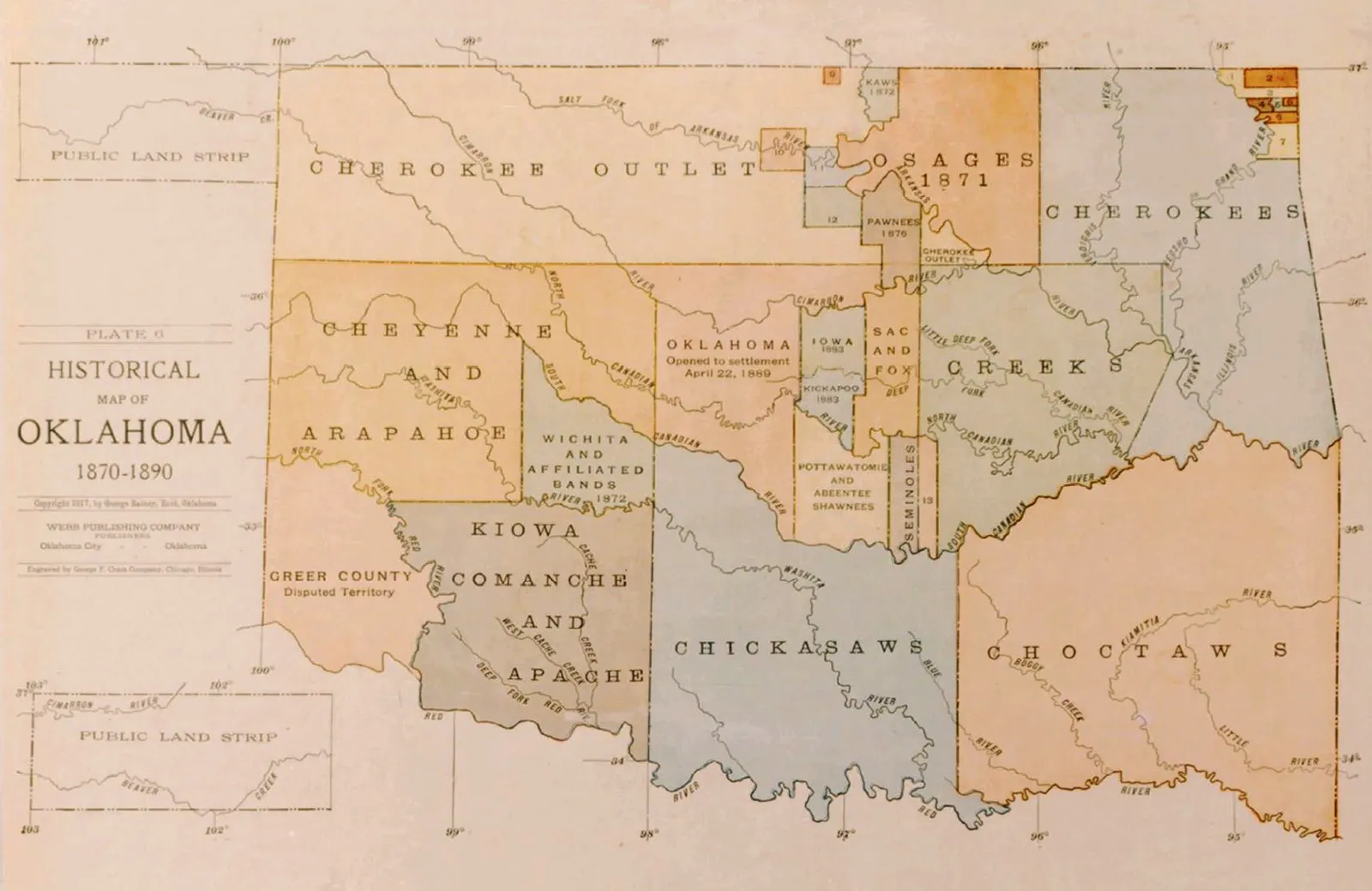
The Comanche Nation Reservation in Oklahoma holds a significant place in American history and continues to be a vibrant center of Comanche culture. This comprehensive guide delves into the reservation’s past, present, and future, offering insights into its government, economy, cultural heritage, and the opportunities it presents for both residents and visitors. Understanding the Comanche Nation requires appreciating its unique history and the resilience of its people.
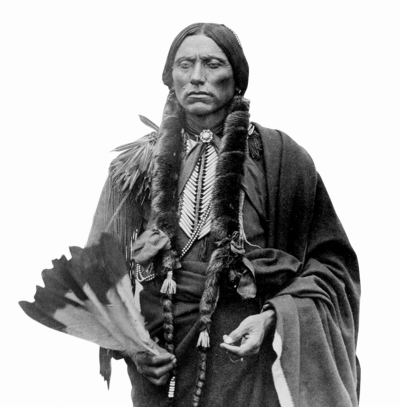
The Comanche people, known as the ‘Lords of the Plains,’ once dominated a vast territory stretching across present-day Texas, Oklahoma, Kansas, and New Mexico. Their equestrian skills and military prowess made them a formidable force. This section explores their early history and gradual displacement.
The Comanches were originally part of the Shoshone tribe but migrated southward in the 17th century. By the 18th century, they had established themselves as a distinct group known for their skilled horsemanship and hunting abilities. They developed a unique culture centered around the horse, which transformed their way of life. They became expert hunters, warriors, and traders, controlling vast areas of the Southern Plains.
The arrival of European settlers and the expansion of the United States government led to increasing conflicts with the Comanche. Treaties were signed and broken, and the Comanches were gradually pushed onto smaller and smaller areas of land. The Medicine Lodge Treaty of 1867 formally established a reservation for the Comanche, Kiowa, and Apache tribes in southwestern Oklahoma. This treaty aimed to bring peace and provide resources for the tribes, but it ultimately failed to protect their land and way of life.
The late 19th century was a period of immense hardship for the Comanche. The loss of their hunting grounds, the destruction of the buffalo herds, and the spread of diseases decimated their population. The US government implemented policies aimed at assimilating Native Americans into mainstream society, including forced education and the suppression of traditional customs. Despite these challenges, the Comanche people persevered, maintaining their cultural identity and fighting for their rights.
Today, the Comanche Nation Reservation is located in southwestern Oklahoma. Understanding its boundaries and demographics provides crucial context.
The reservation’s boundaries are primarily defined by individual land allotments and trust lands held by the Comanche Nation. Unlike some reservations with clearly defined borders, the Comanche Nation’s land is interspersed with private property. This checkerboard pattern reflects the history of allotment policies that divided tribal lands among individual members.
According to the Comanche Nation, the tribal headquarters is located in Lawton, Oklahoma. The population of enrolled members of the Comanche Nation is approximately 17,000, with many residing in and around the reservation area. Communities such as Lawton, Cache, and Walters have significant Comanche populations.
The Comanche Nation government plays a vital role in the lives of its citizens. This section delves into its structure and functions.
The Comanche Nation operates under a constitution that establishes a governmental structure consisting of a Tribal Council, a Chairman, and various committees and departments. The Tribal Council is the legislative body, responsible for enacting laws and policies that govern the Nation. The Chairman serves as the executive leader, overseeing the administration of tribal affairs.
The Comanche Nation government provides a wide range of services to its citizens, including healthcare, education, housing, and social services. It also manages tribal lands and resources, promotes economic development, and protects the rights and interests of the Comanche people. The Nation operates its own court system to resolve disputes and enforce tribal laws.
The Comanche Nation actively works to preserve and promote its cultural heritage. This section highlights some of its key initiatives.
The Comanche Nation Cultural Preservation Committee works to preserve and promote the Comanche language, traditions, and history. The committee supports language revitalization programs, cultural events, and educational initiatives. The Nation also operates a tribal museum that showcases Comanche artifacts and tells the story of the Comanche people.
The Comanche Nation hosts numerous cultural events throughout the year, including powwows, dances, and ceremonies. These events provide opportunities for tribal members to come together, celebrate their heritage, and pass on their traditions to future generations. The Comanche Nation Fair is a major annual event that attracts visitors from across the country.
The Comanche Nation is actively engaged in economic development initiatives. This section explores its key industries and business ventures.

The Comanche Nation has diversified its economy in recent years, investing in various business ventures, including gaming, hospitality, and energy. The Comanche Nation Casino and other gaming facilities provide employment opportunities and generate revenue for the Nation. The Nation also operates hotels, restaurants, and other businesses.
The Comanche Nation is committed to creating jobs and promoting economic growth within the reservation. It offers job training programs, small business loans, and other resources to support entrepreneurs. The Nation also partners with outside businesses to bring new industries and opportunities to the area.
The Comanche Nation Reservation offers a variety of attractions for visitors interested in learning about Comanche history and culture. This section highlights some of the key places to visit.
The Comanche National Museum and Cultural Center in Lawton, Oklahoma, offers a comprehensive overview of Comanche history and culture. The museum features exhibits on Comanche art, artifacts, and traditions. Visitors can learn about the Comanche language, social structure, and spiritual beliefs.
The annual Comanche Nation Powwow is a major cultural event that attracts visitors from across the country. The powwow features traditional dances, music, and food. It is an opportunity to experience Comanche culture firsthand and celebrate the resilience of the Comanche people.
Several historical sites within the reservation offer insights into the past. These sites include battlefields, trading posts, and other landmarks that played a role in Comanche history. Visitors can explore these sites and learn about the events that shaped the Comanche Nation.
Several factors will shape the future of the Comanche Nation Reservation. This section discusses some of the key challenges and opportunities.
The Comanche Nation faces challenges such as preserving its cultural heritage, promoting economic development, and addressing social issues. The Nation is working to overcome these challenges through strategic planning, community engagement, and partnerships with other organizations.
The Comanche Nation has opportunities to expand its economy, strengthen its cultural identity, and improve the well-being of its citizens. The Nation is investing in education, healthcare, and infrastructure to create a brighter future for the Comanche people. The Nation is also working to protect its sovereignty and exercise its rights as a self-governing nation.
The Comanche Nation is dedicated to preserving its environment and promoting sustainable practices. This section highlights some of its environmental initiatives.
The Comanche Nation is committed to protecting its natural resources, including water, land, and wildlife. The Nation implements environmental regulations and programs to prevent pollution and conserve resources. The Nation also promotes sustainable agriculture and forestry practices.
The Comanche Nation is working to educate its citizens about environmental issues and encourage them to adopt sustainable lifestyles. The Nation sponsors environmental education programs, community cleanups, and other initiatives to promote environmental awareness.
The relationship between the Comanche Nation and the state of Oklahoma is complex and evolving. This section explores some of the key aspects of this relationship.
The Comanche Nation and the state of Oklahoma have a government-to-government relationship, with each entity recognizing the sovereignty of the other. The two governments work together on issues such as law enforcement, economic development, and environmental protection.
The Comanche Nation and the state of Oklahoma have sometimes disagreed on issues such as taxation, gaming, and land use. The two governments are working to resolve these differences through negotiation and collaboration. The goal is to build a strong and mutually beneficial relationship.
Many people have questions about the Comanche Nation Reservation. This section answers some of the most frequently asked questions.
The Comanche Nation Reservation is located in southwestern Oklahoma, with its tribal headquarters in Lawton. The reservation boundaries are defined by individual land allotments and trust lands held by the Comanche Nation.
The Comanche Nation is governed by a Tribal Council and a Chairman. The Tribal Council is the legislative body, and the Chairman serves as the executive leader.
The Comanche Nation offers a variety of services to its citizens, including healthcare, education, housing, and social services. It also operates tribal businesses and promotes economic development.
Visitors can explore the Comanche National Museum and Cultural Center, attend the annual Comanche Nation Powwow, and visit historical sites within the reservation.
The Comanche Nation is focused on preserving its cultural heritage, promoting economic development, and protecting its environment. The Nation is working to create a brighter future for the Comanche people.
The Comanche Nation Reservation in Oklahoma stands as a testament to the resilience and enduring spirit of the Comanche people. From their historical dominance of the Southern Plains to their present-day efforts to preserve their culture and build a strong economy, the Comanche Nation continues to shape its own destiny. By understanding its history, government, culture, and future aspirations, we can gain a deeper appreciation for this unique and vibrant community. The Comanche Nation’s story is one of perseverance, adaptation, and a commitment to preserving its identity for generations to come. Further research into tribal resources and community engagement can provide even deeper insights into the ongoing story of the Comanche Nation.
The Comanche Nation’s commitment to self-governance and cultural preservation serves as an inspiration to other indigenous communities and a valuable lesson in resilience and self-determination. As the Nation continues to navigate the complexities of the 21st century, its rich history and cultural heritage will undoubtedly serve as a guiding light, ensuring that the legacy of the ‘Lords of the Plains’ endures for generations to come. By supporting their endeavors and fostering a deeper understanding of their history and culture, we can contribute to a more inclusive and equitable future for all.


