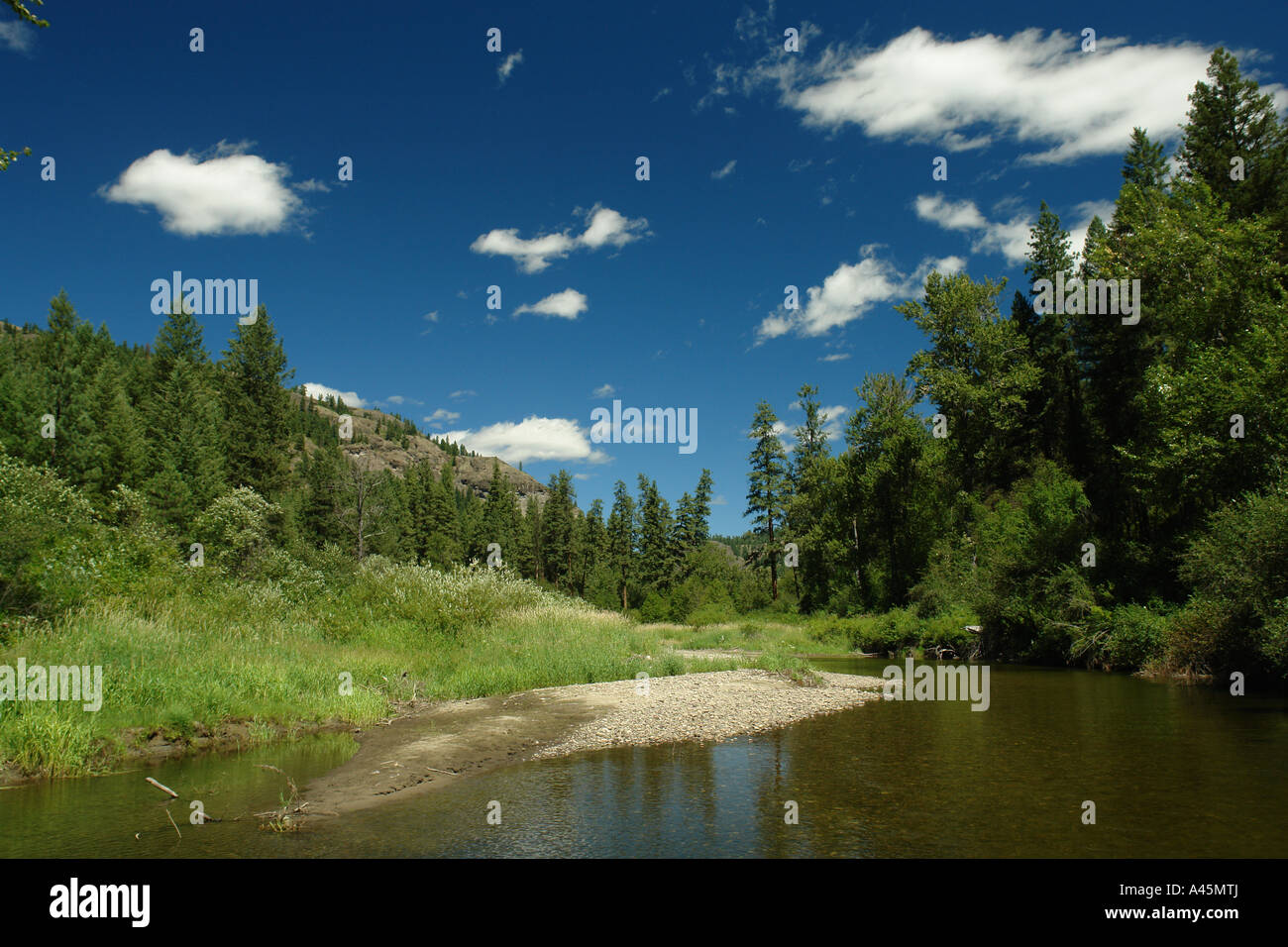
Nestled in the pristine landscapes of north-central Washington State, the Colville Indian Reservation offers a truly unique and enriching travel experience. Far removed from the typical tourist trails, this vast territory invites visitors to immerse themselves in a world where ancient traditions meet unparalleled natural beauty. It’s an opportunity to connect with a vibrant Indigenous culture and explore an untouched wilderness.
The Confederated Tribes of the Colville Reservation represent twelve distinct bands, each with its own rich history, language, and customs. These tribes include the Colville, Nespelem, Sanpoil, Lakes (Sinixt), Palus, Wenatchi, Chelan, Entiat, Methow, Southern Okanagan, Moses-Columbia, and Nez Perce of Chief Joseph’s Band. This confederation, established in 1872, has worked tirelessly to preserve their heritage while embracing a sustainable future.
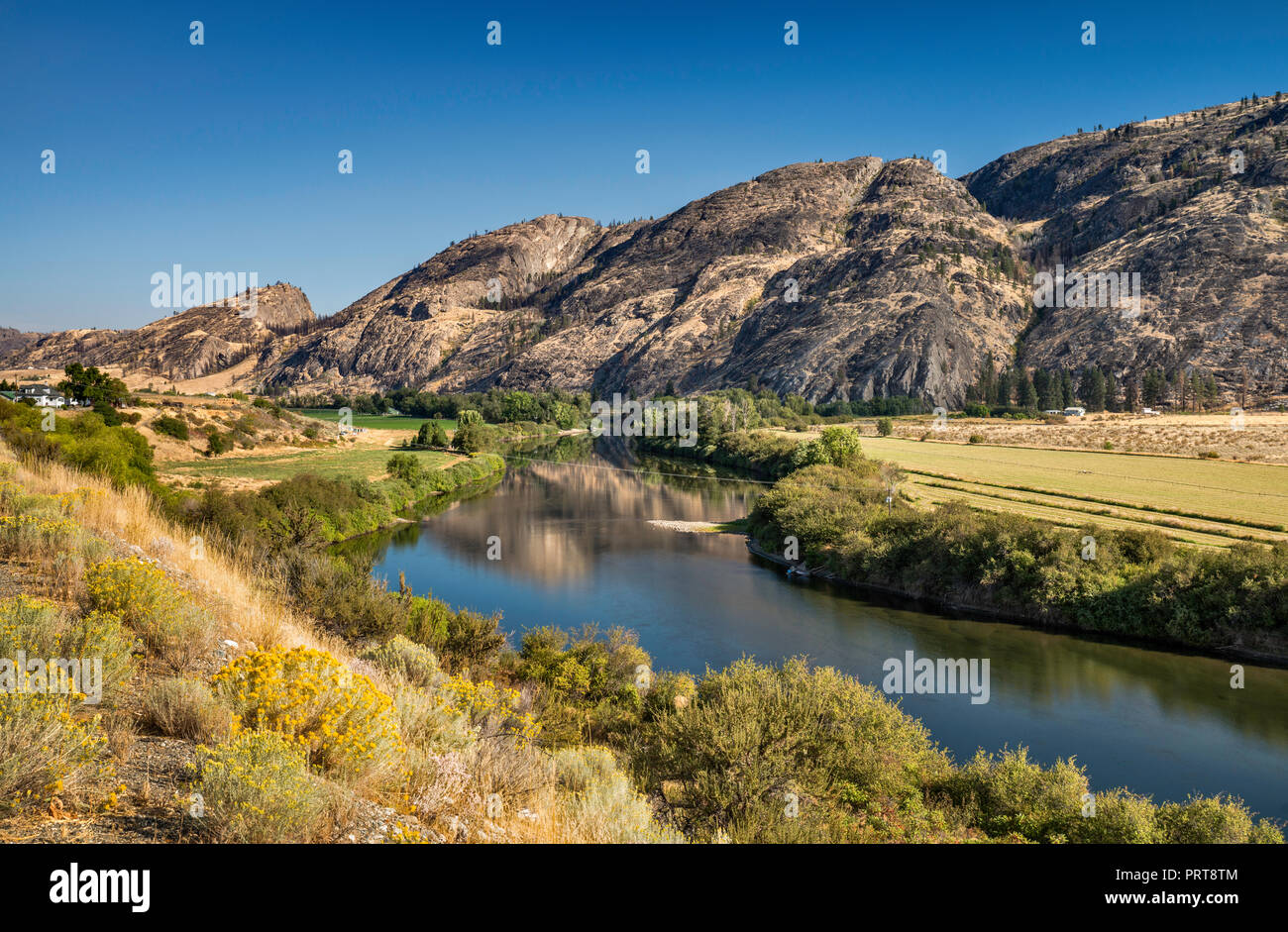
Spanning approximately 1.4 million acres, the reservation is a mosaic of diverse ecosystems, from the rolling hills of the Okanogan Highlands to the dramatic canyons carved by the Columbia River. Its boundaries encompass significant portions of the Columbia River and Lake Roosevelt, offering a wealth of recreational opportunities against a backdrop of stunning scenery.
A Tapestry of History and Resilience
The history of the Colville Tribes is one of profound connection to the land, marked by both ancient traditions and periods of immense change. For thousands of years, these lands have been home to Indigenous peoples, whose lives were intricately woven with the natural rhythms of the seasons, the salmon runs, and the bounty of the forests and rivers. Understanding this deep historical context enriches every aspect of a visit.
The formation of the Confederated Tribes was a strategic response to the pressures of westward expansion and government policies. Despite immense challenges, the tribes have maintained their distinct identities while working collectively to govern their lands, preserve their languages, and promote economic self-sufficiency.
Discovering the Natural Wonders
The reservation is a paradise for outdoor enthusiasts. Its vastness ensures a wide array of activities suitable for all ages and interests. The landscape itself is a primary draw, offering breathtaking vistas and serene environments.
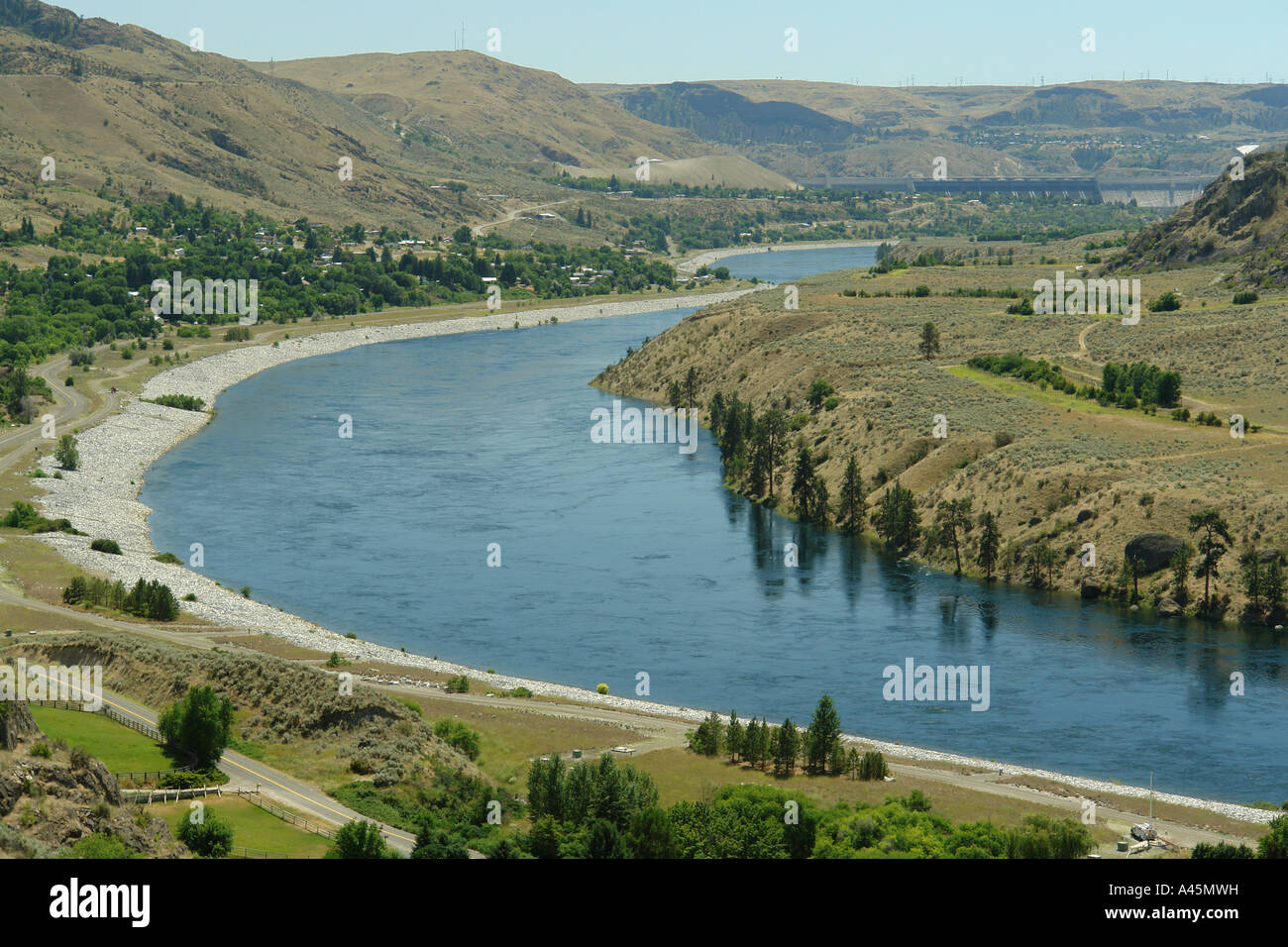
Lake Roosevelt National Recreation Area forms a significant portion of the eastern boundary of the reservation. This massive reservoir, created by the Grand Coulee Dam, is an angler’s dream, teeming with walleye, rainbow trout, kokanee, and smallmouth bass. Boating, swimming, and various water sports are also popular activities here.
The majestic Columbia River, a vital artery for the region, flows through and alongside the reservation, providing stunning views and additional fishing opportunities. Its powerful currents and scenic banks are a testament to the raw beauty of the Pacific Northwest.
Hiking enthusiasts will find numerous trails, ranging from easy strolls to more challenging treks. Areas like Moses Mountain offer rewarding climbs with panoramic views of the surrounding valleys and waterways. Wildlife viewing is also a highlight, with opportunities to spot deer, elk, bears, and a diverse array of bird species.
Immersing in Cultural Experiences
A visit to the Colville Reservation is incomplete without engaging with the vibrant culture of the Confederated Tribes. These experiences offer profound insights into their heritage and contemporary life.
The Colville Tribal Museum in Coulee Dam is an excellent starting point, housing artifacts, historical documents, and exhibits that tell the story of the twelve confederated tribes. It provides crucial context and understanding before venturing further into the reservation.
Throughout the year, the tribes host various powwows and cultural celebrations. These gatherings are powerful expressions of identity, featuring traditional drumming, singing, dancing, and regalia. Attending a powwow is a privilege and offers a unique opportunity to witness living traditions firsthand. It’s important to research dates and specific event etiquette in advance.
Visitors can also seek out opportunities to engage with traditional arts and crafts. Local artisans often create beautiful beadwork, basketry, carvings, and other items that reflect their cultural heritage. Purchasing directly from these artists not only provides a unique souvenir but also supports the local tribal economy.
Recreational Pursuits on Tribal Lands
Beyond sightseeing, the Colville Reservation offers a wealth of recreational activities, many of which require specific tribal permits in addition to any state licenses.
Fishing and Hunting are deeply rooted in tribal culture and remain popular activities. The reservation boasts excellent fishing in its many lakes, rivers, and streams. Hunting opportunities for deer, elk, and other game are available, but strictly regulated. Always obtain the necessary tribal permits and familiarize yourself with seasonal regulations.
For those who enjoy sleeping under the stars, camping and RVing are popular options. Designated campgrounds offer various amenities, while dispersed camping might be available in certain areas with proper permits. Always practice Leave No Trace principles to protect these pristine environments.
Planning Your Respectful Visit
To ensure a positive experience for both visitors and tribal members, it’s crucial to plan your visit with respect and awareness.
Accommodation options within the reservation are generally limited to tribal enterprises, such as the Colville Casino & Resort, or local small businesses in surrounding towns like Grand Coulee, Nespelem, or Omak. Camping is also a popular choice, with various tribal campgrounds available.
Dining experiences may include local cafes and restaurants in nearby towns. For a truly authentic experience, inquire about any community events or tribal food vendors where you might sample traditional Indigenous cuisine.
Getting there typically involves driving, as the reservation is quite expansive. Major routes like US-97 and SR-174 provide access. The nearest major cities are Spokane to the east and Wenatchee to the west, both with regional airports.
The best time to visit depends on your interests. Summer offers ideal conditions for water activities and cultural events like powwows. Spring and fall provide milder weather for hiking and fishing, with stunning seasonal foliage. Winter brings opportunities for snow sports in some areas, though access can be limited.
Cultural Etiquette and Permits
When visiting the Colville Indian Reservation, remember that you are on sovereign tribal land. Showing respect for the culture, land, and people is paramount. Always ask for permission before photographing individuals, especially elders or children.
Adhere strictly to all posted signs and regulations regarding access to specific areas. Many parts of the reservation are considered private tribal lands or sacred sites and may require special permits or be off-limits to the public. Always check with the Colville Confederated Tribes’ administrative offices or their natural resources department for up-to-date information on permits for fishing, hunting, camping, and access.
Support tribal enterprises and local businesses where possible. Your tourism dollars contribute directly to the economic well-being and self-determination of the Confederated Tribes.
The Colville Experience: More Than Just a Destination
A journey to the Colville Indian Reservation is more than just a vacation; it’s an educational and spiritual experience. It offers a rare chance to step away from the everyday and connect with a profound sense of place, history, and community.
From the serene waters of Lake Roosevelt to the ancient stories whispered by the wind through the pines, the Colville Reservation promises an adventure unlike any other. It’s a place where you can witness the enduring spirit of Indigenous peoples and be inspired by their commitment to their heritage and the land.
Conclusion: Embrace the Spirit of the Colville Lands
The Colville Indian Reservation stands as a testament to the enduring spirit of the Confederated Tribes and the unparalleled beauty of the Pacific Northwest. By visiting, you gain an opportunity to explore diverse landscapes, engage with rich cultural traditions, and support the sovereignty and economic vitality of Indigenous communities. Plan your trip with an open mind, a respectful heart, and a desire to learn, and you will undoubtedly leave with memories that last a lifetime.
Remember to always check the official website of the Confederated Tribes of the Colville Reservation for the most current information regarding permits, events, and visitor guidelines before embarking on your journey.


