
The Colorado River Indian Tribes (CRIT) Reservation represents a profound convergence of history, culture, and resilience in the American Southwest. Nestled along a significant stretch of the Colorado River, this reservation is not merely a geographic location but a vibrant living testament to the enduring spirit of four distinct tribal nations.
Comprising the Mohave, Chemehuevi, Hopi, and Navajo peoples, the CRIT reservation offers a unique insight into indigenous life, sovereignty, and the critical importance of water resources in an arid region. This comprehensive guide will delve into the multifaceted aspects of the CRIT, from its historical origins to its contemporary challenges and triumphs.
A Rich Tapestry of History and Culture
The story of the Colorado River Indian Tribes begins long before the establishment of the reservation. The Mohave and Chemehuevi peoples have inhabited the banks of the Colorado River for centuries, their cultures deeply intertwined with the river’s ebb and flow. Their traditional territories spanned across what is now Arizona and California, sustained by the river’s bounty.
In the mid-20th century, the reservation became home to members of the Hopi and Navajo tribes, who were relocated to the area. This unique amalgamation of four distinct tribal groups, each with its own language, traditions, and governance structures, has forged a powerful collective identity while preserving individual heritage.
The Mohave, known for their agricultural prowess and intricate pottery, maintained a strong connection to their ancestral lands. The Chemehuevi, skilled basket weavers and desert travelers, adapted resourcefully to the challenging environment. Both tribes share a deep spiritual reverence for the Colorado River.

The Hopi, renowned for their ancient mesa villages and ceremonial traditions, brought their rich cultural heritage. The Navajo, the largest Native American tribe in the United States, contributed their vast knowledge of sheepherding and intricate weaving patterns to the reservation’s cultural mosaic.
Establishing the Reservation: A Historical Perspective
The Colorado River Indian Reservation was established by an act of Congress in 1865, initially intended for ‘Indians of the Colorado River and its tributaries’. This early designation laid the groundwork for what would become a complex and often challenging history of land and resource management.
The reservation spans approximately 300,000 acres, straddling the Colorado River on both the Arizona and California sides, primarily centered around the town of Parker, Arizona. Its strategic location along the river has been both a blessing and a source of contention throughout its existence.
Early years on the reservation were marked by efforts to establish agriculture, utilizing the river’s waters for irrigation. This vision, however, was often hampered by insufficient resources, political maneuvering, and the harsh realities of desert life.
The federal government’s policies towards Native American tribes, including forced assimilation and relocation, significantly impacted the development and demographics of the CRIT reservation. The eventual inclusion of Hopi and Navajo families further shaped its unique character.
Geography and Landscape: Where Desert Meets River
The CRIT Reservation’s geography is defined by the dramatic contrast between the arid Sonoran Desert landscape and the life-giving waters of the Colorado River. This unique environment supports a diverse ecosystem, from desert flora and fauna to riparian habitats along the riverbanks.
The river itself is the lifeblood of the reservation, providing water for agriculture, sustenance, and recreation. Its presence has shaped the land, the economy, and the cultural practices of the tribes for millennia.
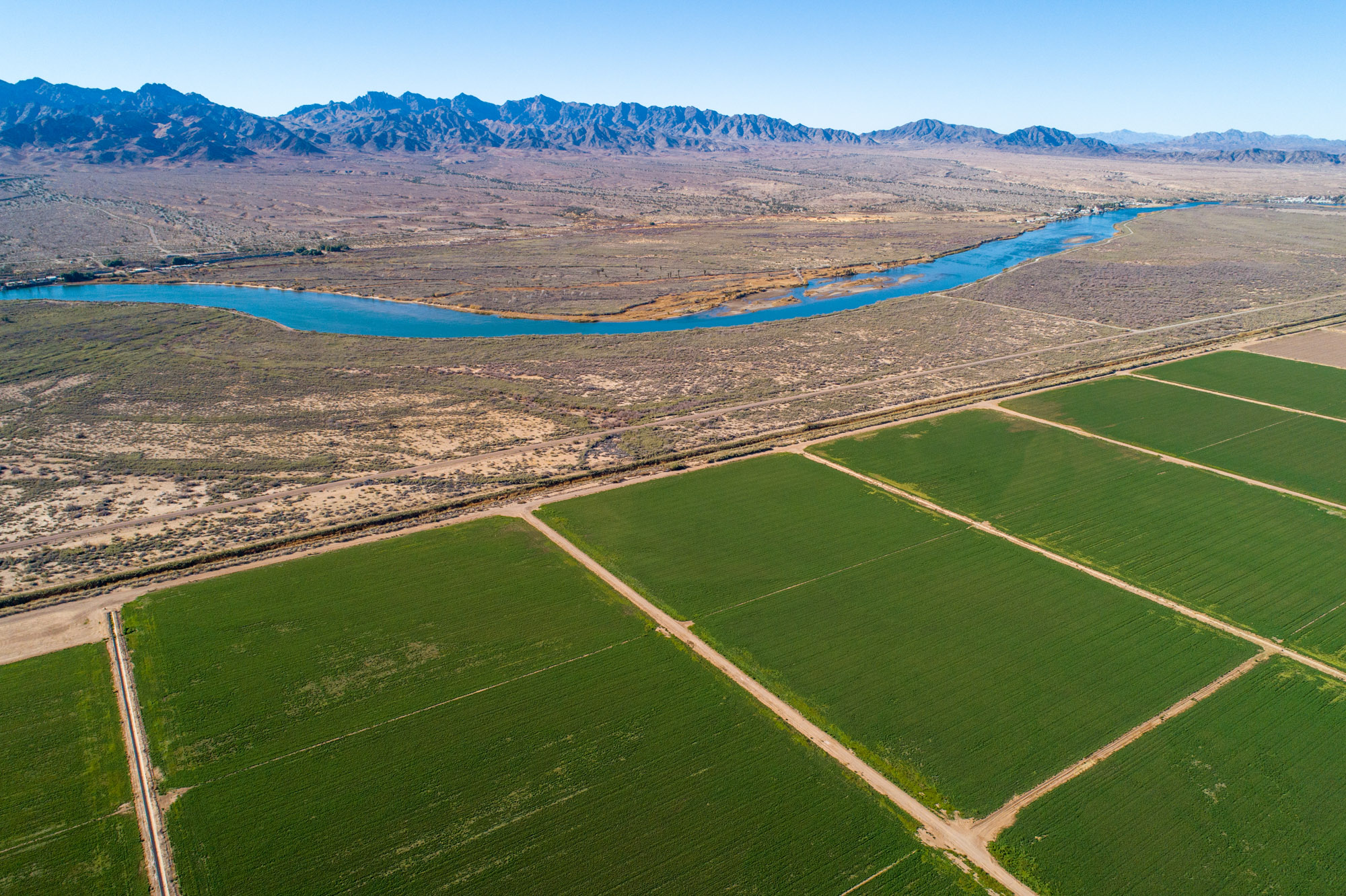
Visitors to the area can witness breathtaking desert vistas, towering saguaros, and the vibrant green of agricultural fields nourished by the Colorado River. The natural beauty of the reservation is a powerful reminder of the delicate balance between human activity and the environment.
The Lifeline: Water Rights and the Colorado River
Perhaps one of the most critical aspects of the Colorado River Indian Tribes’ story is their significant and legally recognized water rights. The CRIT holds some of the oldest and most senior water rights on the Colorado River, dating back to the establishment of the reservation.
These rights are paramount to the tribes’ sovereignty, economic development, and cultural survival. The CRIT’s water allocation, secured through landmark legal battles and federal recognition, allows for extensive irrigation for agriculture and supports other tribal enterprises.
The tribes’ water rights have been a subject of intense interest and negotiation within the broader context of the Colorado River Compact, which allocates water among seven U.S. states and Mexico. The CRIT’s role in these discussions underscores the vital importance of tribal water rights in the arid West.
Managing these precious water resources responsibly is a continuous endeavor, balancing tribal needs with regional demands and environmental conservation. The CRIT actively participates in discussions regarding the future of the Colorado River system, advocating for sustainable practices and the protection of their inherent rights.
Tribal Government and Sovereignty
The Colorado River Indian Tribes operate under a federally recognized tribal government, exercising self-determination and sovereign authority over their lands and people. The CRIT Tribal Council, elected by tribal members, serves as the governing body, making decisions on behalf of the confederated tribes.
This self-governance allows the tribes to develop their own laws, manage resources, and provide essential services to their community members, including education, healthcare, and public safety. Sovereignty is a cornerstone of the CRIT’s identity and its ability to shape its own destiny.
The tribal government plays a crucial role in advocating for tribal interests at both state and federal levels, ensuring that the voices of the Mohave, Chemehuevi, Hopi, and Navajo peoples are heard on issues ranging from water policy to economic development.
Economy and Development: Building a Sustainable Future
The economy of the Colorado River Indian Tribes Reservation is diverse, with agriculture serving as a historical cornerstone. Vast fields of alfalfa, cotton, and various produce thrive thanks to the abundant water supply from the Colorado River, providing jobs and revenue.
Beyond agriculture, the CRIT has strategically diversified its economic portfolio. Tourism and recreation play a significant role, particularly along the ‘Parker Strip’ of the Colorado River, which attracts visitors for boating, fishing, and other water sports.
The BlueWater Resort & Casino, owned and operated by the CRIT, is a major employer and revenue generator, contributing significantly to tribal programs and services. Other enterprises include retail businesses, a marina, and various service industries.
The tribes are continually exploring new avenues for economic development, focusing on sustainable practices that respect their land and culture while providing opportunities for future generations. This includes investments in renewable energy and infrastructure projects.
Education and Community Services
The CRIT government is deeply committed to the well-being and advancement of its members. They provide a range of essential community services, including schools, healthcare facilities, and programs for elders and youth.
Education is highly valued, with efforts to preserve tribal languages and cultural traditions alongside modern academic curricula. The CRIT actively supports its students from early childhood education through higher learning, recognizing that education is key to future success.
Healthcare services are critical, and the tribes work to ensure access to quality medical care for all members. Programs for cultural preservation, such as language classes and traditional arts workshops, help maintain the vibrant heritage of the four tribes.
Challenges and Resilience
Like many Native American communities, the Colorado River Indian Tribes have faced and continue to address a myriad of challenges. These include historical injustices, socio-economic disparities, and the ongoing impacts of climate change on their vital water resources.
The delicate balance of managing the Colorado River’s resources in the face of drought and increased demand presents a significant environmental and economic challenge. The CRIT remains a vocal advocate for responsible water management and conservation.
Despite these hurdles, the resilience and determination of the Mohave, Chemehuevi, Hopi, and Navajo peoples shine through. Their commitment to self-determination, cultural preservation, and sustainable development continues to guide their path forward.
Visiting the Colorado River Indian Tribes Reservation
The Colorado River Indian Tribes welcome visitors to their beautiful reservation, encouraging respectful exploration of their lands and culture. The CRIT Museum & Library in Parker, Arizona, offers an excellent starting point to learn about the history, traditions, and contemporary life of the tribes.
Recreational opportunities abound, particularly along the Colorado River. Visitors can enjoy boating, fishing, jet skiing, and camping. Many public access points and facilities are available, often managed in cooperation with the tribal government.
When visiting, it is essential to remember that you are on sovereign tribal land. Visitors are encouraged to respect tribal laws, customs, and the natural environment. Supporting tribal enterprises, like the BlueWater Resort & Casino, directly benefits the community.
For those interested in cultural tourism, check for local events and powwows, which offer incredible opportunities to experience traditional dances, music, and arts. Always seek permission before photographing individuals.
Conclusion: A Legacy of Strength and Spirit
The Colorado River Indian Tribes Reservation stands as a powerful symbol of indigenous resilience, cultural richness, and the enduring connection between people and land. Home to the Mohave, Chemehuevi, Hopi, and Navajo tribes, it is a place where ancient traditions meet modern challenges.
From their paramount water rights on the Colorado River to their diverse economy and robust tribal government, the CRIT continues to forge a path of self-determination and prosperity. Their story is a vital chapter in the broader narrative of the American West, demonstrating the strength of community, culture, and sovereignty.
Understanding the CRIT is to appreciate a legacy built on adaptability, advocacy, and an unwavering commitment to preserving a unique way of life along the mighty Colorado River for generations to come.


