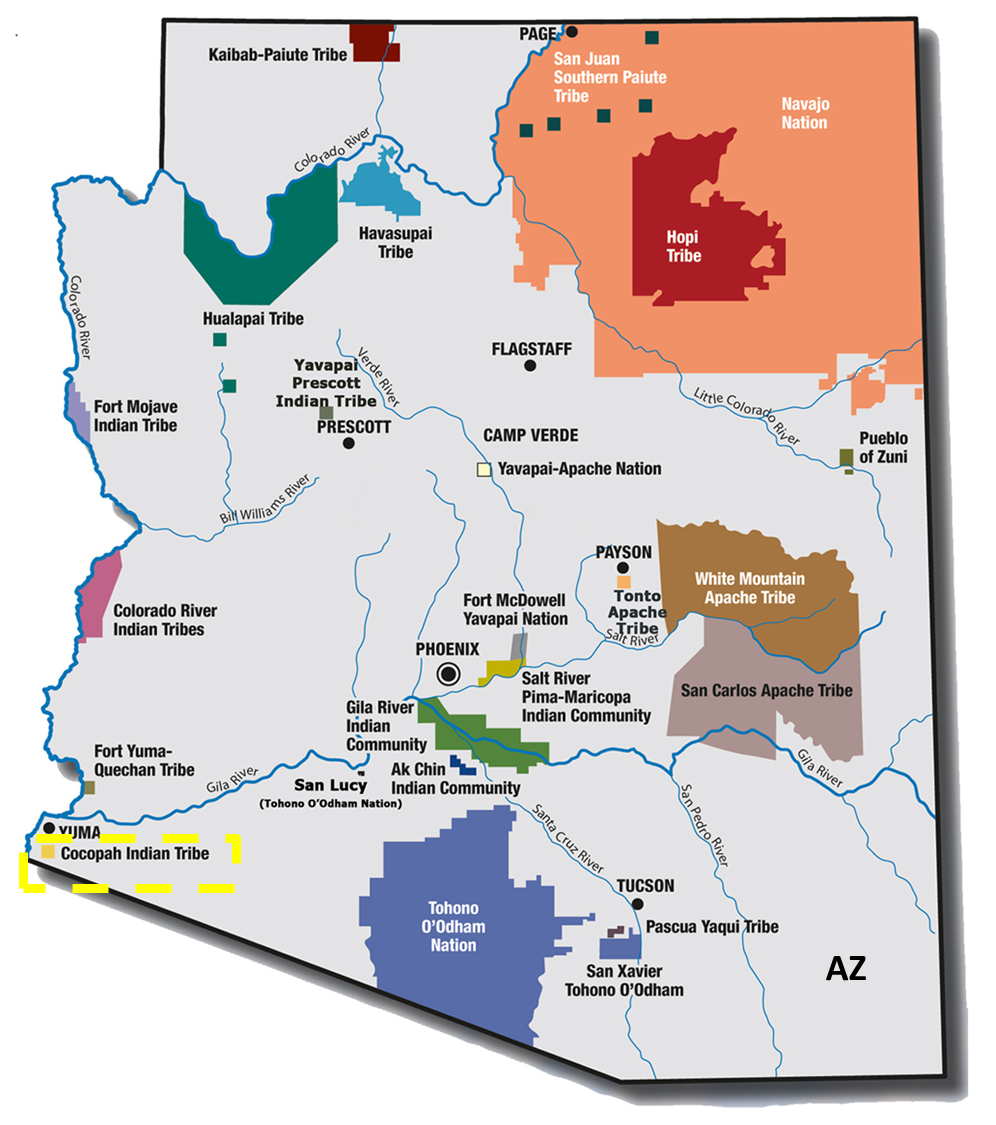
The Cocopah Indian Tribe, known historically as the ‘River People,’ holds a profound and enduring connection to the lower Colorado River and its surrounding lands. Their ancestral territory spans across what is now southwestern Arizona and northern Baja California, Mexico, a region rich in natural resources and cultural significance.
Today, the Cocopah Indian Tribe Reservation stands as a testament to their resilience, cultural preservation, and ongoing commitment to self-determination. This comprehensive article delves into the fascinating world of the Cocopah, exploring their deep historical roots, vibrant cultural practices, modern economic endeavors, and the community life that thrives within their sovereign lands.
A Glimpse into Cocopah History: Guardians of the River
For thousands of years, the Cocopah people have inhabited the delta region of the Colorado River. Their traditional way of life was intricately tied to the river’s ebb and flow, utilizing its waters for agriculture, fishing, and sustenance. They were master irrigators and skilled hunters and gatherers, adapting seamlessly to the dynamic desert and riverine environment.
The arrival of European explorers in the 16th century brought significant changes and challenges. Spanish expeditions, followed by Mexican and later American expansion, introduced new pressures, diseases, and conflicts over land and resources. Despite these profound disruptions, the Cocopah maintained their identity and cultural integrity.
In the late 19th and early 20th centuries, the Cocopah faced immense struggles, including the loss of much of their ancestral lands and the suppression of their traditional practices. However, their spirit remained unbroken, and they continued to advocate for their rights and recognition.

Establishing the Reservation: A Home on Sovereign Land
The Cocopah Indian Reservation was officially established in 1917, though its boundaries and land base have evolved over time. It is primarily located just south of Yuma, Arizona, along the banks of the Colorado River. The reservation is unique in that it is comprised of three distinct land parcels: the North Reservation, the West Reservation, and the East Reservation.
These lands, though geographically separated, are united under the governance of the Cocopah Tribal Council. The reservation totals approximately 6,500 acres, serving as the cultural, economic, and governmental heart of the Cocopah community.
Where exactly is the Cocopah Reservation located? The main portions of the Cocopah Reservation are situated approximately 13 miles south of Yuma, Arizona, directly adjacent to the Colorado River and near the U.S.-Mexico border.
Cocopah Tribal Government: Exercising Self-Determination
The Cocopah Indian Tribe operates as a sovereign nation, exercising its inherent right to self-governance. The Tribal Council, elected by tribal members, serves as the governing body, responsible for the welfare and future of the Cocopah people. This council makes decisions regarding tribal law, economic development, education, healthcare, and cultural preservation.
Tribal sovereignty allows the Cocopah to manage their own affairs, establish their own laws, and negotiate with federal and state governments on a nation-to-nation basis. This self-determination is a cornerstone of their modern identity and crucial for addressing the unique needs of their community.
Economic Development: Building a Sustainable Future
In recent decades, the Cocopah Indian Tribe has made remarkable strides in economic development, creating a diverse portfolio of enterprises that provide jobs and generate revenue for tribal programs and services. These ventures are vital for fostering economic independence and improving the quality of life for tribal members.
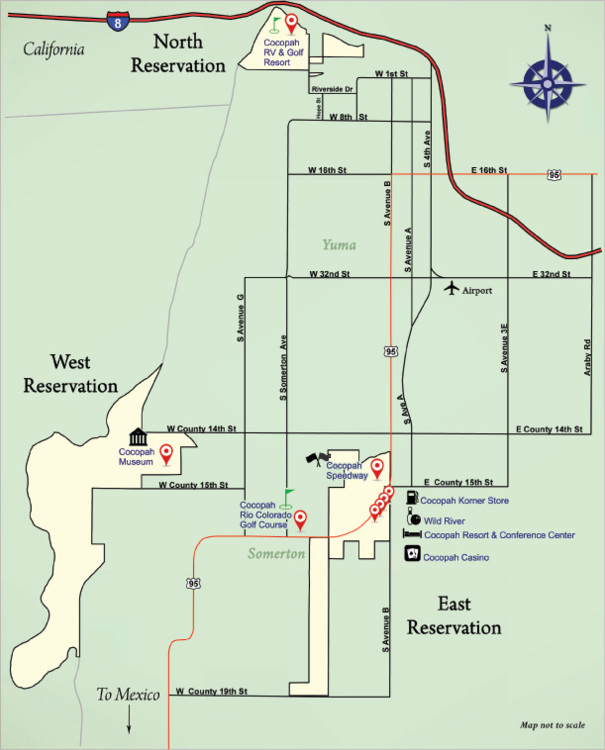
A cornerstone of their economic strategy is the Cocopah Casino and Resort. This popular destination offers gaming, dining, and entertainment, drawing visitors from across the region and contributing significantly to the local economy. The resort also includes a hotel, an RV park, and an 18-hole golf course.
Beyond gaming, the Tribe has diversified into other sectors. Agricultural ventures, including farming operations, continue to play a role, honoring their historical connection to the land. They also manage various retail businesses, a gas station, and other service-oriented enterprises, all contributing to a robust tribal economy.
What is the Cocopah Tribe known for economically? The Cocopah Tribe is widely recognized for its successful economic development initiatives, particularly the Cocopah Casino and Resort, which serves as a major employer and economic driver in the Yuma area.
Preserving a Rich Cultural Heritage: Language, Arts, and Traditions
Cultural preservation is paramount for the Cocopah Indian Tribe. Efforts are continuously made to revitalize and maintain their unique language, Kwak’wala, which is part of the Yuman language family. Language immersion programs and educational initiatives are crucial for passing this vital aspect of their heritage to younger generations.
Traditional arts and crafts also remain a significant part of Cocopah culture. Skilled artisans continue to practice and teach techniques for basket weaving, pottery, beadwork, and other crafts that reflect their ancestral knowledge and connection to the natural world. These art forms are not merely decorative but embody stories, history, and spiritual beliefs.
Ceremonies, social gatherings, and traditional songs and dances are integral to community life, reinforcing cultural identity and fostering a sense of belonging. The Tribe actively organizes events that celebrate their heritage, often inviting the public to learn about their traditions respectfully.
The Cocopah Museum and Cultural Center plays a crucial role in educating both tribal members and the public about Cocopah history and culture. It houses artifacts, photographs, and exhibits that tell the story of the Cocopah people, from ancient times to the present day. It’s an invaluable resource for understanding Indigenous life in the Southwest.
Community Life and Services on the Reservation
The Cocopah Tribe is dedicated to providing comprehensive services and programs for its members. These include robust educational initiatives, from early childhood development to scholarships for higher education, ensuring that younger generations have opportunities to succeed.
Healthcare services are also a priority, with tribal clinics and partnerships aimed at promoting the health and well-being of the community. Housing programs, elder care, and social services further support a strong and healthy tribal population.
Environmental stewardship is another key focus. As guardians of the Colorado River for millennia, the Cocopah are deeply committed to protecting their natural resources and ensuring the ecological health of their lands for future generations. This includes efforts related to water rights, land management, and conservation.
Visitor Information: Experiencing Cocopah Culture Respectfully
Visitors interested in learning about the Cocopah Indian Tribe are encouraged to visit the Cocopah Museum and Cultural Center. It offers a respectful and informative way to engage with their history and culture. Information about the Cocopah Casino and Resort, including its amenities, is also readily available for those seeking entertainment and hospitality.
When visiting tribal lands or engaging with tribal members, it is essential to do so with respect and an open mind. Adhering to any posted rules and seeking permission before photographing individuals or sensitive areas demonstrates appropriate cultural etiquette.
Challenges and Triumphs: A Forward-Looking Community
Like many Indigenous nations, the Cocopah Tribe continues to face challenges, including issues related to water rights in the arid Southwest, economic diversification in a changing global market, and the ongoing work of cultural revitalization. However, their history is one of remarkable resilience and adaptation.
The Tribe’s proactive approach to governance, economic development, and cultural preservation exemplifies their strength and determination. They are not merely surviving but thriving, building a vibrant and sustainable future for their people while honoring their profound past.
The Cocopah Indian Tribe Reservation is more than just a geographical location; it is a living, breathing community where ancient traditions meet modern aspirations. It is a place where history is revered, culture is celebrated, and the future is built with foresight and determination.
In conclusion, the Cocopah Indian Tribe stands as a powerful example of Indigenous strength and perseverance. From their ancient origins as the ‘River People’ to their modern status as a sovereign nation with a thriving economy and rich cultural heritage, the Cocopah continue to enrich the tapestry of the American Southwest. Their story is one of enduring connection to the land, unwavering self-determination, and a vibrant future forged by their own hands.


