The Choctaw Nation, one of the largest federally recognized Native American tribes in the United States, holds a profound legacy rooted in its ancestral lands. Far more than mere geographical locations, these lands represent the enduring spirit, sovereignty, and cultural heritage of the Choctaw people. Understanding the Choctaw Nation tribal lands requires a journey through history, law, and the vibrant contemporary life of its citizens.
This comprehensive article aims to illuminate the multifaceted nature of Choctaw Nation tribal lands, from their historical significance and the challenges faced through forced removal to their current legal status, economic ventures, and vital role in preserving Choctaw identity. We will explore the jurisdictional complexities and the profound impact of recent legal decisions that have reaffirmed tribal sovereignty.
A Storied Past: Origins and Early Territories
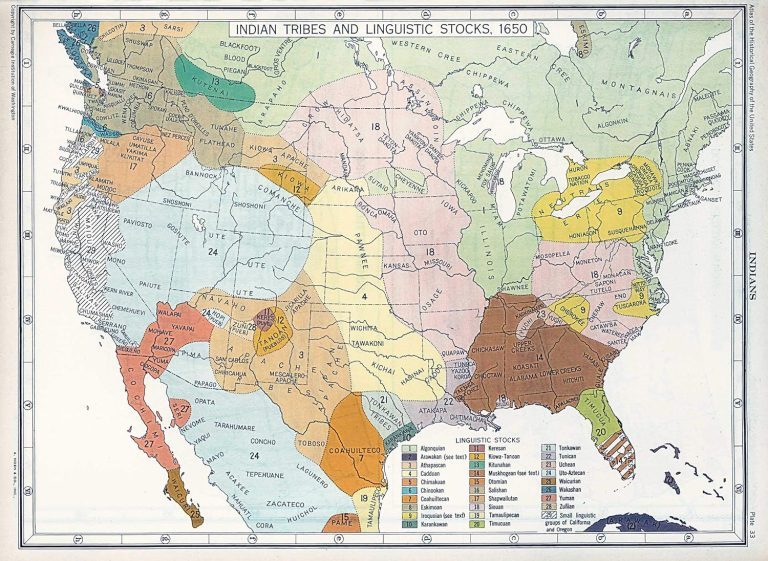
Before European contact, the Choctaw people inhabited a vast and fertile territory spanning what is now central and southern Mississippi, as well as parts of Alabama and Louisiana. Their society was complex, characterized by sophisticated agricultural practices, intricate trade networks, and a rich spiritual life. These ancestral lands were not just a place to live, but an integral part of their identity, providing sustenance, cultural continuity, and spiritual connection.
The 17th and 18th centuries brought increasing contact with European powers—French, Spanish, and British—leading to a series of treaties and land cessions. Initially, these interactions involved alliances and trade, but as colonial expansion intensified, the pressure on Choctaw lands grew exponentially.
The Trail of Tears: Forced Removal to Indian Territory
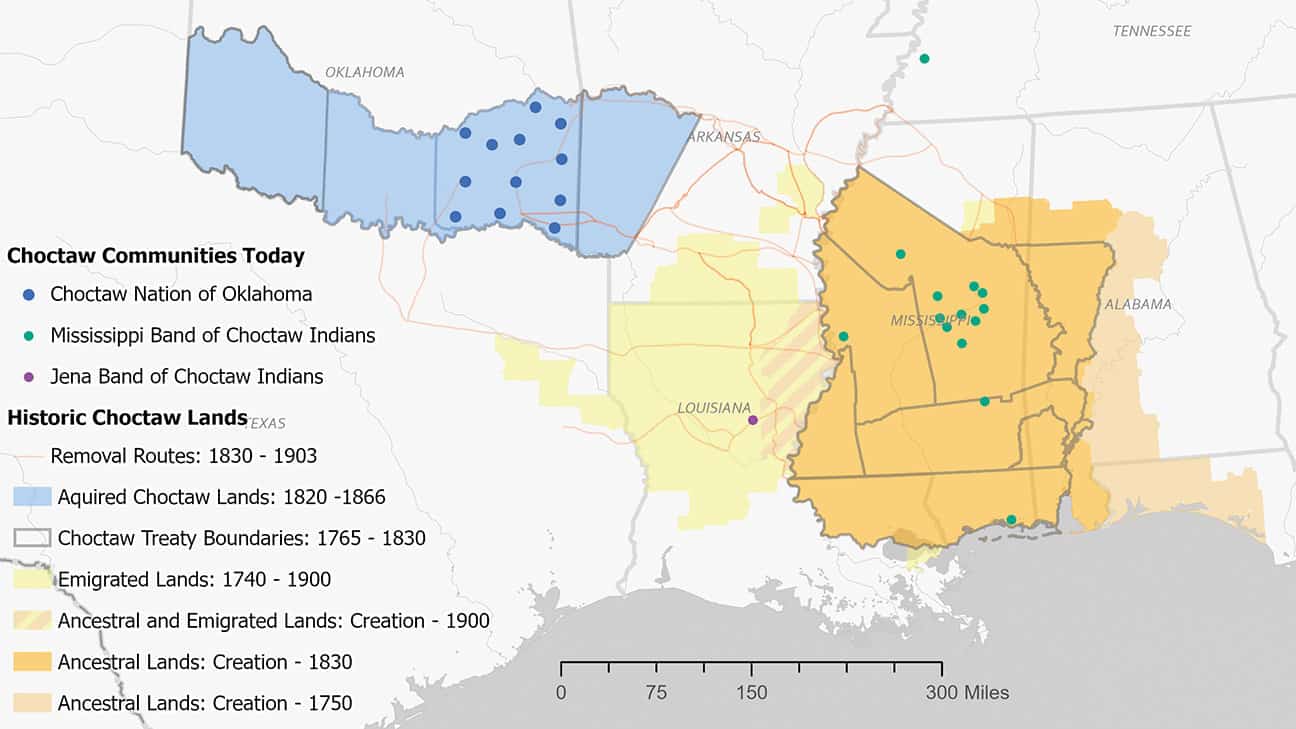
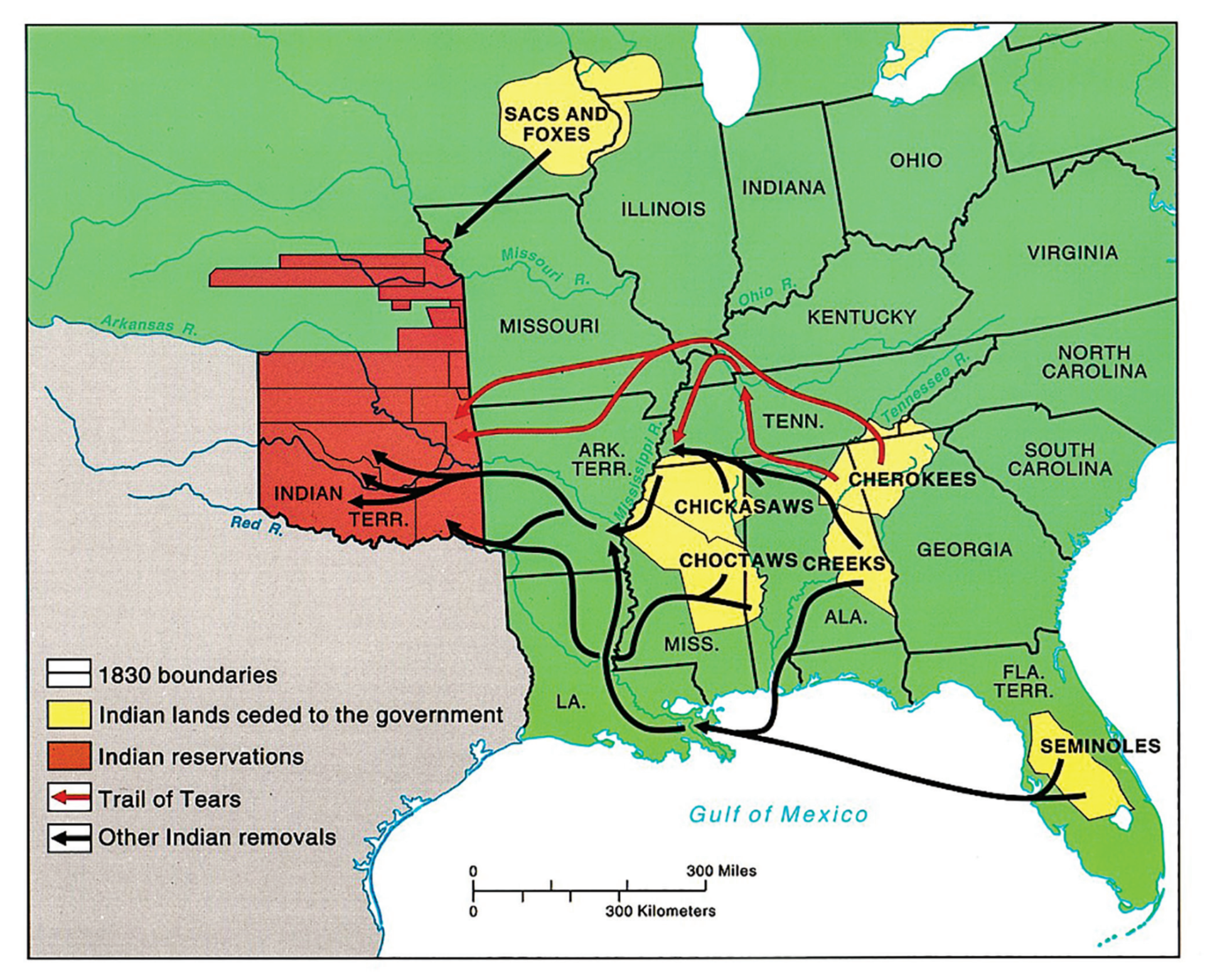
The early 19th century marked a tragic turning point with the implementation of the Indian Removal Act of 1830. Despite their efforts to adapt and assimilate, including adopting aspects of American governance and farming techniques, the Choctaw Nation was targeted for removal. The Treaty of Dancing Rabbit Creek, signed under duress in 1830, ceded the remaining Choctaw lands in Mississippi in exchange for territory in what was then known as Indian Territory (present-day Oklahoma).
The subsequent forced migration, famously known as the Trail of Tears, was a devastating ordeal. Thousands of Choctaw people endured immense hardship, disease, and death during the arduous journey westward. This period indelibly shaped the Choctaw Nation, forging a resilience that continues to define them.
Upon arrival in Indian Territory, the Choctaw Nation established a new government, adopting a written constitution and setting up a sophisticated system of laws, courts, and schools. They rebuilt their society, creating a thriving nation even amidst the challenges of a new environment.
Defining Modern Tribal Lands: Jurisdiction and Sovereignty
Today, the Choctaw Nation’s tribal lands encompass a significant portion of southeastern Oklahoma, covering over 10,800 square miles across 10.5 counties. Unlike a traditional reservation, which is often a defined, contiguous area, the Choctaw Nation’s jurisdiction is over land that retains its ‘Indian Country’ status, regardless of its specific ownership (tribal trust, individual allotment, or fee simple).
The landmark 2020 Supreme Court decision in McGirt v. Oklahoma profoundly reaffirmed the existence of the Muscogee (Creek) Nation’s reservation, and by extension, the reservations of the Five Civilized Tribes, including the Choctaw Nation. This ruling clarified that much of eastern Oklahoma remains ‘Indian Country’ for jurisdictional purposes, as defined by Congress.
What does the McGirt decision mean for the Choctaw Nation?
The McGirt decision has far-reaching implications, particularly regarding criminal and, increasingly, civil jurisdiction. Within the Choctaw Nation’s boundaries, major crimes committed by or against Native Americans are generally prosecuted in federal court or the Choctaw Nation’s tribal courts, not state courts. This reassertion of tribal sovereignty has necessitated significant collaboration between tribal, state, and federal law enforcement agencies.
It underscores the principle of tribal self-governance and the inherent right of the Choctaw Nation to exercise jurisdiction over its territory and citizens. This legal clarity strengthens the Nation’s ability to protect its people, administer justice, and govern effectively within its historic boundaries.
Governance and Self-Determination on Tribal Lands
The Choctaw Nation operates as a sovereign government with a robust constitutional framework. It features an elected Chief, Assistant Chief, and a Tribal Council, mirroring the separation of powers found in federal and state governments. This structure allows the Nation to enact laws, manage resources, and provide essential services to its citizens.
Self-determination is a cornerstone of tribal governance. The Choctaw Nation actively works to preserve its cultural identity, promote economic independence, and ensure the well-being of its people. This includes managing natural resources, developing infrastructure, and providing a wide array of social programs.
Economic Development: Building a Prosperous Future
The Choctaw Nation is a significant economic force in Oklahoma, utilizing its tribal lands for diverse enterprises that benefit its citizens and surrounding communities. Economic development initiatives are key to providing jobs, generating revenue for tribal programs, and fostering self-sufficiency.
Key sectors include:
- Gaming and Hospitality: Operating numerous casinos, resorts, and travel plazas.
- Healthcare: A comprehensive health system providing medical, dental, and behavioral health services.
- Aerospace and Defense: Engaging in advanced manufacturing and technology.
- Agriculture and Ranching: Managing significant land holdings for farming and livestock.
- Retail and Convenience Stores: Diversifying revenue streams and providing local services.
These ventures create thousands of jobs, both for Choctaw citizens and non-Native residents, contributing substantially to the regional economy.
Cultural Preservation and Education
- Language Revitalization: Programs to teach and promote the Choctaw language.
- Cultural Centers and Museums: Facilities like the Choctaw Cultural Center in Durant, Oklahoma, which educates visitors about Choctaw history, art, and customs.
- Traditional Arts and Crafts: Supporting artisans and workshops that keep traditional skills alive.
- Annual Powwows and Festivals: Events that celebrate Choctaw heritage and bring the community together.
Education is another priority, with the Nation providing scholarships, educational programs, and support for schools within its territory, ensuring that future generations are well-equipped while understanding their heritage.
Community and Social Services
Beyond economic and cultural initiatives, the Choctaw Nation provides extensive social services to its citizens, many of whom reside within the tribal lands. These services are crucial for improving quality of life and addressing community needs.
Services include:
- Housing assistance programs.
- Elder care and youth services.
- Wellness and substance abuse prevention programs.
- Employment and training assistance.
- Food distribution and nutrition programs.
These programs exemplify the Nation’s commitment to the holistic well-being of its people, leveraging its governmental capacity and resources.
Answering Common Questions About Choctaw Nation Tribal Lands
Where are the Choctaw tribal lands located? The Choctaw Nation’s jurisdictional area covers approximately 10,800 square miles across 10.5 counties in southeastern Oklahoma, including cities like Durant (the capital), McAlester, and Poteau.
What is the capital of the Choctaw Nation? The capital of the Choctaw Nation is Durant, Oklahoma, where many of its governmental offices and the Choctaw Cultural Center are located.
Can non-Choctaws live on Choctaw land? Yes, non-Choctaws can and do live within the Choctaw Nation’s jurisdictional boundaries, often owning fee-simple land. The tribal land designation primarily impacts governmental jurisdiction (e.g., criminal law, taxation for tribal members/entities) rather than private property ownership for non-tribal members.
How big is the Choctaw Nation reservation? Following the McGirt decision, the Choctaw Nation’s reservation covers its historical treaty boundaries in southeastern Oklahoma, encompassing over 10,800 square miles, making it one of the largest tribal jurisdictions in the U.S.
What is the Choctaw Nation known for? The Choctaw Nation is known for its rich history, resilience, strong self-governance, significant economic contributions (especially in gaming and healthcare), and its commitment to cultural preservation and language revitalization.
Challenges and the Path Forward
Despite significant progress, the Choctaw Nation continues to navigate complex challenges, including ongoing legal discussions regarding jurisdictional boundaries, resource management, and the protection of treaty rights. The Nation remains steadfast in its advocacy for tribal sovereignty and self-determination.
The future of Choctaw Nation tribal lands is one of continued growth, resilience, and unwavering commitment to its people. Through strategic economic development, robust social services, and vibrant cultural preservation efforts, the Nation is building a legacy of strength and prosperity for generations to come.
Conclusion: The Enduring Spirit of a Sovereign Nation
The Choctaw Nation tribal lands are more than just geographical markers; they are the bedrock of a sovereign nation, a testament to resilience, and a living repository of culture and history. From the forced migrations of the Trail of Tears to the modern-day reaffirmation of their reservation status, the Choctaw people have consistently demonstrated an unbreakable spirit.
By understanding the historical context, legal framework, and the vibrant contemporary efforts in economic development and cultural preservation, we gain a deeper appreciation for the Choctaw Nation’s journey. Their tribal lands symbolize a powerful narrative of self-determination, reminding us of the enduring strength and vital importance of indigenous sovereignty in the United States.
The Choctaw Nation continues to thrive, proudly upholding its heritage while forging a progressive path forward, ensuring that its lands and culture will flourish for all time.


