The Choctaw Nation of Oklahoma stands as a testament to resilience, cultural preservation, and self-governance. With a history deeply intertwined with the land now known as Oklahoma, the Choctaw Nation has overcome immense challenges to become a thriving sovereign nation. This article explores the multifaceted aspects of the Choctaw Nation, from its historical roots to its contemporary contributions.
A Journey Through History: From Mississippi to Oklahoma
Origins in the Southeast
The Choctaw people originally inhabited what is now southeastern Mississippi, along with parts of Alabama and Louisiana. For centuries, they developed a distinct culture, language, and social structure deeply connected to the land. Agriculture, hunting, and trade were integral to their way of life. Their society was organized into matrilineal clans, emphasizing the importance of women in kinship and inheritance.
The Trail of Tears and Forced Removal
The 19th century brought immense hardship to the Choctaw Nation. Under the Indian Removal Act of 1830, the United States government forcibly removed the Choctaw people from their ancestral lands. This devastating journey, known as the Trail of Tears, resulted in immense suffering, loss of life, and the disruption of their cultural heritage. The Choctaws were one of the first tribes to be removed, setting a tragic precedent for other Southeastern tribes.

Rebuilding in Indian Territory (Oklahoma)
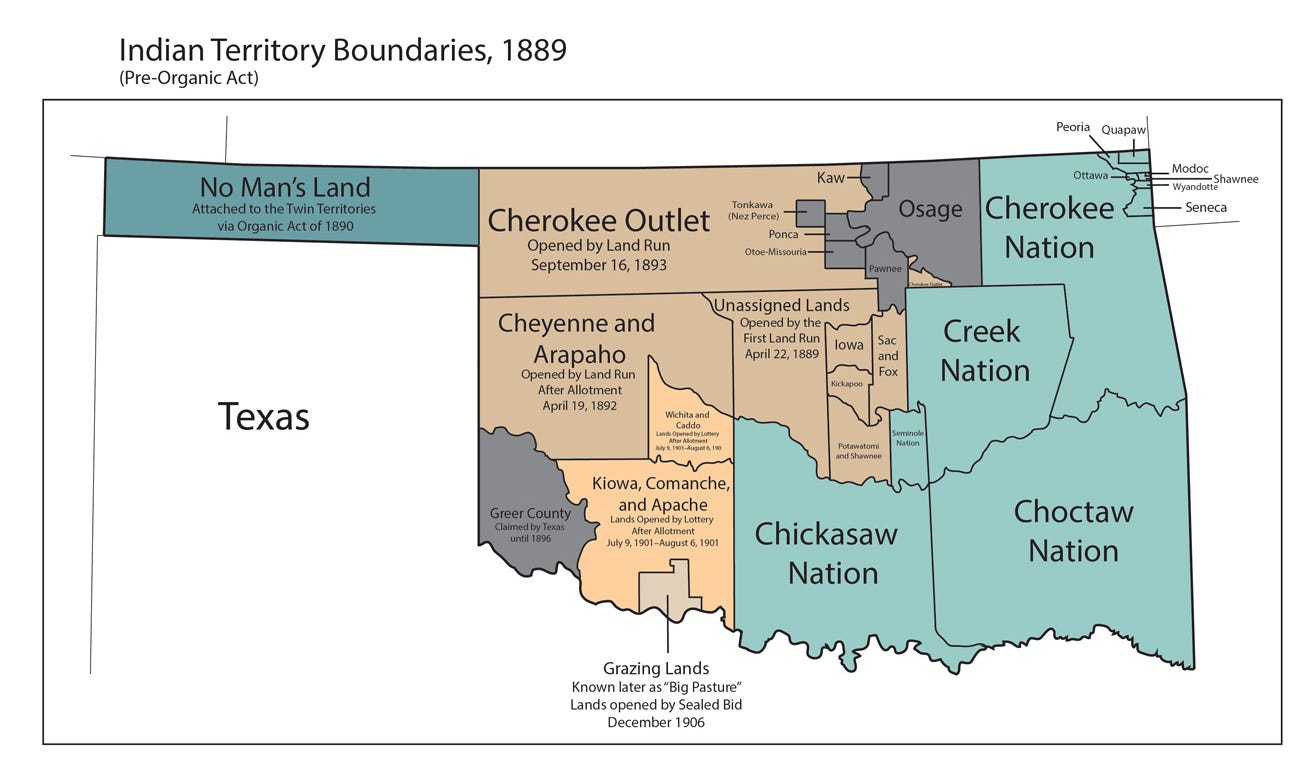
Upon arrival in Indian Territory (present-day Oklahoma), the Choctaw Nation faced the daunting task of rebuilding their lives and communities. They established a new government, schools, and infrastructure, determined to preserve their culture and sovereignty. The Choctaw Nation played a significant role in the development of Indian Territory, contributing to its economic and political landscape.
Governance and Sovereignty
A Sovereign Nation Within a State
The Choctaw Nation of Oklahoma is a federally recognized sovereign nation, possessing the right to self-governance. This sovereignty allows the Choctaw Nation to make its own laws, manage its resources, and provide services to its citizens. The relationship between the Choctaw Nation and the state of Oklahoma is complex, involving cooperation on some issues and the assertion of tribal sovereignty on others.
The Choctaw Nation Government
The Choctaw Nation government is structured with three branches: executive, legislative, and judicial. The Chief, elected by the Choctaw people, serves as the head of the executive branch. The Tribal Council, composed of representatives from different districts, forms the legislative branch. The judicial branch interprets laws and resolves disputes within the Choctaw Nation.
Economic Development and Self-Sufficiency
The Choctaw Nation has made significant strides in economic development, creating jobs and opportunities for its citizens. Through its businesses and enterprises, the Choctaw Nation generates revenue that supports essential services, such as healthcare, education, and housing. This economic self-sufficiency is crucial for maintaining the nation’s sovereignty and providing a better future for its people.
Culture and Community
Preserving the Choctaw Language
The Choctaw language is a vital part of the nation’s cultural heritage. The Choctaw Nation is actively involved in language revitalization efforts, including language immersion programs, educational resources, and community initiatives. Preserving the Choctaw language ensures that future generations can connect with their history and identity.
Traditional Arts and Crafts
Traditional arts and crafts play a significant role in Choctaw culture. From basket weaving to beadwork, these art forms reflect the Choctaw people’s deep connection to nature and their artistic expression. The Choctaw Nation supports artists and artisans through workshops, exhibitions, and cultural events.
Community and Social Programs
The Choctaw Nation is committed to providing a wide range of services and programs to support the well-being of its citizens. These include healthcare, education, housing assistance, and social services. The Choctaw Nation also operates cultural centers, community centers, and recreational facilities that promote community engagement and cultural preservation.
Contemporary Significance
Economic Impact on Oklahoma
The Choctaw Nation of Oklahoma has a significant economic impact on the state. As one of the largest employers in southeastern Oklahoma, the Choctaw Nation contributes to the state’s economy through its businesses, tourism, and charitable giving. The Choctaw Nation also partners with local communities to support economic development initiatives.
Healthcare and Education Initiatives
The Choctaw Nation is a leader in providing healthcare and education services to its citizens and surrounding communities. The Choctaw Nation operates hospitals, clinics, and healthcare programs that provide comprehensive medical care. The nation also supports educational programs, scholarships, and early childhood education initiatives.
Cultural Tourism and Heritage Preservation
The Choctaw Nation welcomes visitors to explore its rich history and culture. Cultural tourism provides opportunities to learn about Choctaw traditions, visit historical sites, and experience the nation’s hospitality. The Choctaw Nation is committed to preserving its cultural heritage for future generations.
Addressing Common Questions (People Also Ask)
What is the Choctaw Nation known for?
The Choctaw Nation is known for its resilience, cultural preservation, and economic development. It is also recognized for its commitment to providing services and programs to its citizens and surrounding communities.
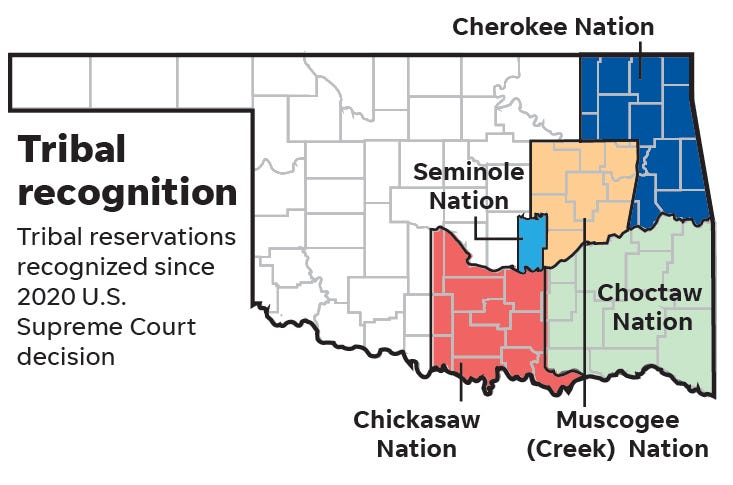
The Choctaw Nation of Oklahoma is located in southeastern Oklahoma. Its jurisdiction covers approximately 11,000 square miles across ten and a half counties.
How many members are in the Choctaw Nation?
As of 2023, the Choctaw Nation has over 200,000 enrolled members, making it the third-largest federally recognized tribe in Oklahoma.
What are some of the challenges facing the Choctaw Nation?
Like many Native American tribes, the Choctaw Nation faces challenges related to healthcare access, education disparities, and economic development in rural areas. The nation is actively working to address these challenges through its programs and initiatives.
How can I learn more about the Choctaw Nation?
You can learn more about the Choctaw Nation by visiting its official website, attending cultural events, and exploring historical sites in southeastern Oklahoma. Numerous books, documentaries, and educational resources are also available.
Conclusion: A Legacy of Resilience and Progress
The Choctaw Nation of Oklahoma stands as a powerful symbol of resilience, cultural preservation, and self-determination. From the hardships of the Trail of Tears to its contemporary achievements in economic development and community services, the Choctaw Nation has demonstrated an unwavering commitment to its people and its future. As a sovereign nation within a state, the Choctaw Nation continues to shape the landscape of Oklahoma and contribute to the rich tapestry of Native American cultures. Its story is one of strength, adaptation, and the enduring power of cultural identity.
Key Takeaways:
-
The Choctaw Nation’s history is marked by both immense suffering and remarkable resilience.
-
The nation’s sovereignty allows it to govern itself and provide services to its citizens.
-
Cultural preservation is a priority, with efforts focused on language revitalization and traditional arts.
-
The Choctaw Nation has a significant economic impact on Oklahoma.
-
Learning about the Choctaw Nation provides valuable insights into Native American history and culture.


