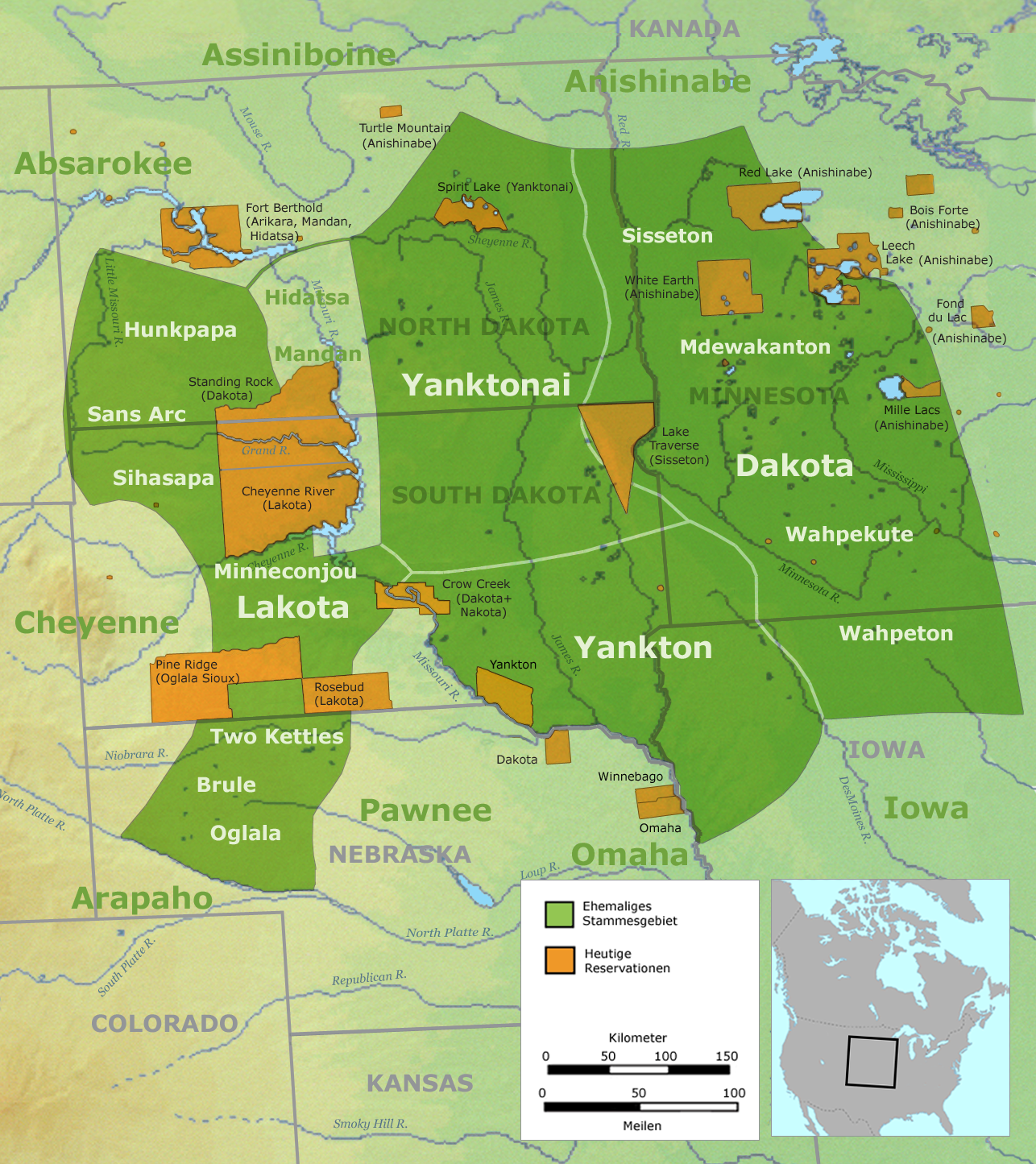

The Cheyenne River Sioux Tribe Reservation, located in north-central South Dakota, is home to the Cheyenne River Sioux Tribe (CRST), one of the seven tribes of the Lakota people. This vast and historically significant land holds a deep cultural heritage and a compelling story of resilience. This comprehensive guide explores the reservation’s history, governance, economy, cultural initiatives, and contemporary challenges.
The Cheyenne River Sioux Tribe (CRST) Reservation is a place of immense cultural and historical significance. Understanding its past and present provides valuable insight into the lives and experiences of the Lakota people. This article delves into various aspects of the reservation, offering a comprehensive overview for those seeking to learn more.
History and Formation of the Reservation
The history of the Cheyenne River Sioux Tribe is inextricably linked to the Great Sioux Nation and the tumultuous period of westward expansion in the United States. Originally, the Lakota people roamed freely across the Great Plains, relying on the buffalo for sustenance and maintaining a nomadic lifestyle. The Fort Laramie Treaty of 1851 initially defined tribal territories, but these agreements were repeatedly violated as settlers encroached upon Native lands.
The discovery of gold in the Black Hills in the 1870s triggered a massive influx of prospectors and settlers, leading to further conflict and the Great Sioux War of 1876-77. This war, which included the infamous Battle of Little Bighorn, resulted in the defeat of General Custer but ultimately led to the forced confinement of the Lakota people onto reservations. The Cheyenne River Reservation was formally established in 1889, following the breakup of the Great Sioux Reservation.
The Dawes Act of 1887 further eroded tribal lands by allotting individual parcels to Native Americans, with the aim of assimilation. This policy resulted in the loss of vast amounts of land to white settlers and significantly disrupted the traditional way of life for the Cheyenne River Sioux. The construction of the Oahe Dam in the mid-20th century flooded vast areas of the reservation, displacing families and submerging sacred sites, representing another significant trauma in the tribe’s history.


Geography and Environment
The Cheyenne River Sioux Tribe Reservation encompasses approximately 2.8 million acres of land, making it one of the largest reservations in the United States. The landscape is characterized by rolling grasslands, deep river valleys, and scattered woodlands. The Cheyenne River, which flows through the heart of the reservation, is a vital source of water and a significant geographical feature.
The climate is typical of the Great Plains, with hot summers and cold winters. The reservation’s ecosystem supports a variety of wildlife, including bison, deer, elk, and various bird species. Conservation efforts are underway to protect the natural resources of the reservation and to promote sustainable land management practices. The tribe recognizes the importance of environmental stewardship and its connection to their cultural identity.
Governance and Tribal Structure
The Cheyenne River Sioux Tribe operates under a constitution adopted in 1935, which establishes a tribal government consisting of an elected Tribal Council. The Tribal Council is the legislative body of the CRST and is responsible for enacting laws, managing tribal assets, and representing the interests of the tribe. The Chairman of the Tribal Council serves as the chief executive officer and is responsible for the day-to-day administration of the tribal government.
The tribal government provides a wide range of services to its members, including healthcare, education, housing, and social services. The tribe also operates various enterprises, such as a casino, a ranching operation, and a construction company, which contribute to the tribal economy. The CRST actively engages in intergovernmental relations with federal, state, and local governments to advocate for its rights and interests.
Economy and Development
The economy of the Cheyenne River Sioux Tribe Reservation faces significant challenges, including high unemployment rates and limited economic opportunities. Historically, agriculture and ranching have been important sectors, but these industries have been impacted by drought, market fluctuations, and land loss. The tribe is actively working to diversify its economy and to create new opportunities for its members.
The Cheyenne River Casino & Hotel is a major employer on the reservation, providing jobs and generating revenue for the tribal government. The tribe is also exploring other economic development initiatives, such as renewable energy projects, tourism, and small business development. Access to capital and infrastructure remains a barrier to economic growth, but the CRST is committed to overcoming these challenges and building a sustainable economy for future generations.

Culture and Traditions
The Cheyenne River Sioux Tribe has a rich cultural heritage that is deeply rooted in the Lakota traditions. The Lakota language, ceremonies, and oral traditions are integral to the tribe’s identity. The tribe actively promotes cultural preservation through language revitalization programs, cultural events, and educational initiatives.
The annual Cheyenne River Sioux Tribe Fair and Rodeo is a major cultural event that attracts visitors from across the region. This event showcases Lakota traditions, including traditional dancing, singing, and horsemanship. The tribe also operates a cultural center that provides educational programs and exhibits on Lakota history and culture. The preservation of cultural heritage is seen as essential to the well-being and resilience of the Cheyenne River Sioux Tribe.
Contemporary Issues and Challenges
The Cheyenne River Sioux Tribe Reservation faces numerous contemporary issues and challenges, including poverty, unemployment, healthcare disparities, and substance abuse. These challenges are often rooted in historical trauma and systemic inequalities. The tribe is actively working to address these issues through various programs and initiatives.
Healthcare access is a major concern, with limited healthcare facilities and a shortage of healthcare professionals on the reservation. The tribe operates a tribal health clinic, but many residents must travel long distances to access specialized medical care. Substance abuse is another significant challenge, with high rates of alcoholism and drug addiction. The tribe is implementing prevention and treatment programs to address this issue.
Education is also a priority, with the tribe working to improve educational outcomes for its students. The tribe operates several tribal schools and also partners with public schools to provide culturally relevant education. The CRST is committed to empowering its members and creating a brighter future for the next generation.
Efforts at Cultural Preservation
The Cheyenne River Sioux Tribe places a high priority on preserving its cultural heritage. Language revitalization programs are in place to teach the Lakota language to younger generations, ensuring its survival. Elders play a crucial role in passing down traditional knowledge and skills, including storytelling, traditional crafts, and ceremonial practices.
The tribe supports cultural events and activities that promote Lakota traditions, such as powwows, ceremonies, and traditional games. These events provide opportunities for community members to connect with their culture and to share their heritage with others. The Cheyenne River Sioux Tribe is committed to ensuring that its cultural traditions continue to thrive for generations to come.
Tourism and Recreation
The Cheyenne River Sioux Tribe Reservation offers unique opportunities for tourism and recreation. Visitors can explore the reservation’s scenic landscapes, learn about Lakota culture, and participate in outdoor activities such as fishing, hunting, and hiking. The tribe welcomes visitors and encourages them to learn about its history and culture in a respectful manner.
The Cheyenne River Casino & Hotel is a popular destination for tourists, offering gaming, dining, and lodging. The tribe is also developing other tourism initiatives, such as cultural tours and eco-tourism programs. Sustainable tourism is seen as a way to generate revenue for the tribe while also preserving its cultural and natural resources.
The Future of the Cheyenne River Sioux Tribe
The Cheyenne River Sioux Tribe faces a complex future, with both challenges and opportunities. The tribe is committed to building a stronger and more sustainable community for its members. This includes addressing social and economic challenges, preserving cultural heritage, and protecting its natural resources. The CRST is actively engaged in planning for the future and in advocating for its rights and interests.
The tribe recognizes the importance of education, economic development, and cultural preservation in creating a brighter future for its members. The Cheyenne River Sioux Tribe is a resilient and determined community that is committed to overcoming the challenges it faces and to building a thriving future for generations to come.
Conclusion
The Cheyenne River Sioux Tribe Reservation is a place of profound historical and cultural significance. From its origins in the Great Sioux Nation to its contemporary challenges and triumphs, the CRST represents a story of resilience, cultural preservation, and self-determination. By understanding the reservation’s history, governance, economy, and cultural initiatives, we gain a deeper appreciation for the Lakota people and their ongoing efforts to create a better future. The Cheyenne River Sioux Tribe stands as a testament to the enduring strength and spirit of Native American communities.
The Cheyenne River Sioux Tribe’s journey reflects a deep connection to their land and heritage. Despite facing historical injustices and contemporary challenges, their commitment to cultural preservation and community development shines through. Understanding the CRST’s story offers valuable insights into the broader narrative of Native American experiences and the ongoing pursuit of self-determination.
Frequently Asked Questions (FAQs)
What is the population of the Cheyenne River Sioux Tribe Reservation?
The population of the Cheyenne River Sioux Tribe Reservation fluctuates, but it is estimated to be around 8,000 to 10,000 residents.
The reservation is located in north-central South Dakota, encompassing parts of Dewey and Ziebach counties.
What are the main economic activities on the reservation?
The main economic activities include agriculture, ranching, gaming (Cheyenne River Casino & Hotel), and some tourism.
How does the Cheyenne River Sioux Tribe govern itself?
The tribe operates under a constitution with an elected Tribal Council and a Chairman who serves as the chief executive officer.
What are some of the cultural traditions of the Cheyenne River Sioux Tribe?
Cultural traditions include the Lakota language, ceremonies, powwows, storytelling, and traditional crafts.
What are some of the challenges facing the Cheyenne River Sioux Tribe?
Challenges include poverty, unemployment, healthcare disparities, substance abuse, and historical trauma.
How is the tribe working to preserve its culture?
The tribe is implementing language revitalization programs, supporting cultural events, and operating a cultural center.
Can visitors visit the Cheyenne River Sioux Tribe Reservation?
Yes, visitors are welcome to visit the reservation and learn about Lakota culture in a respectful manner. The Cheyenne River Casino & Hotel is a popular destination.
What is the significance of the Cheyenne River to the tribe?
The Cheyenne River is a vital source of water and a significant geographical feature that is deeply connected to the tribe’s history and culture.
What are the tribe’s efforts in education?
The tribe operates several tribal schools and partners with public schools to provide culturally relevant education, focusing on improving educational outcomes for its students.


