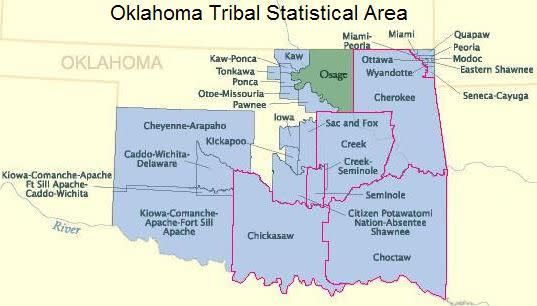
The Cheyenne and Arapaho Tribes Reservation in Oklahoma represents a significant chapter in American history and a vibrant center of contemporary Native American life. This comprehensive guide explores the reservation’s history, culture, key locations, and current status, providing a detailed overview for anyone interested in learning more.
A Brief History of the Cheyenne and Arapaho Tribes
The Cheyenne and Arapaho people originally lived as nomadic tribes in the Great Plains. The Cheyenne were primarily agriculturalists near the Great Lakes region before migrating westward, while the Arapaho were closely allied with the Cheyenne, sharing similar lifestyles and customs.
In the 19th century, westward expansion by European settlers led to increasing conflicts with the tribes. The Fort Laramie Treaty of 1851 initially sought to define tribal territories and maintain peace, but these agreements were frequently violated. The Sand Creek Massacre in 1864, where Colorado militia attacked a peaceful Cheyenne and Arapaho village, marked a tragic turning point and intensified hostilities.
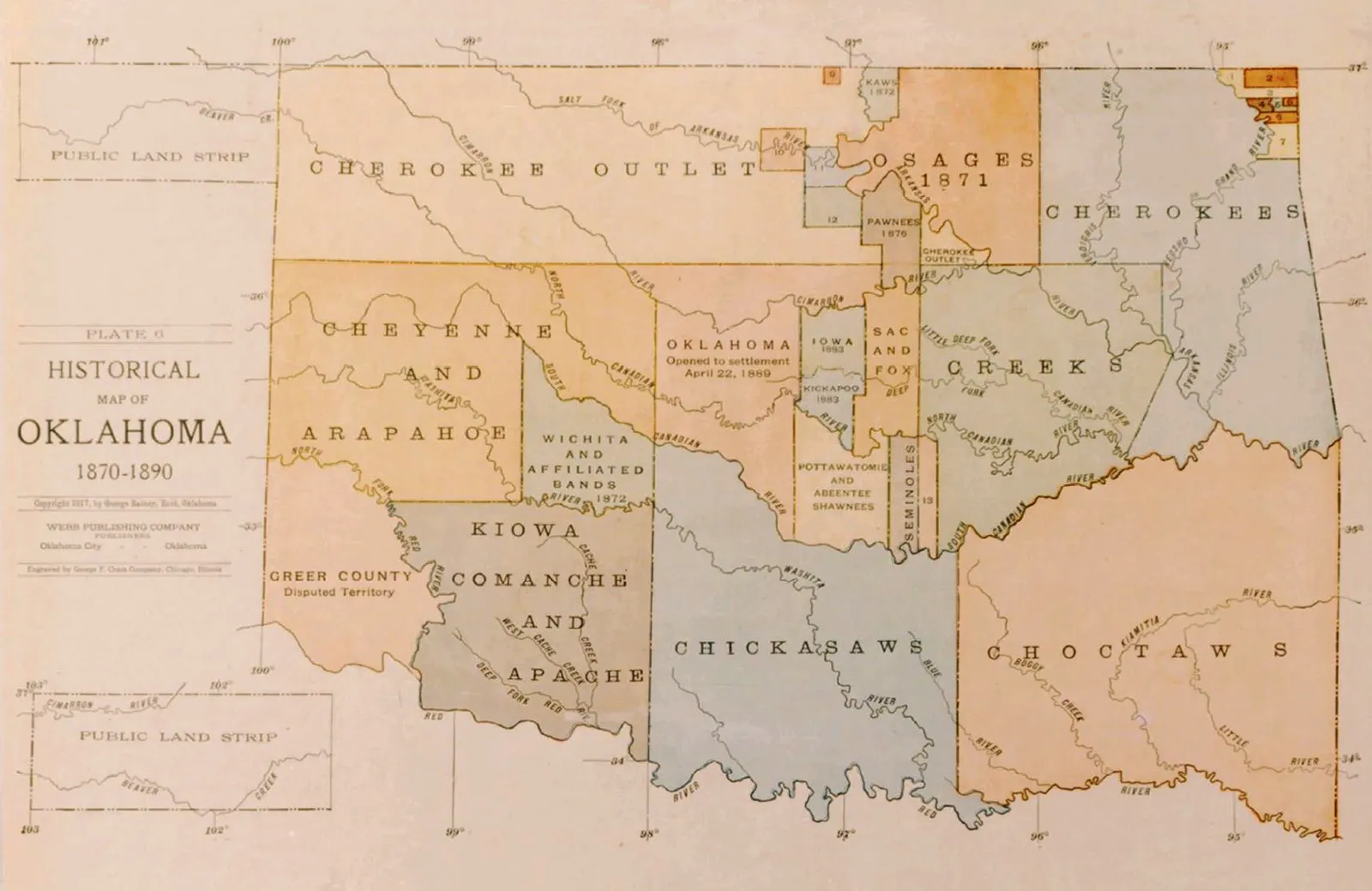
Following years of conflict and forced displacement, the Cheyenne and Arapaho were eventually relocated to a reservation in Indian Territory, which is now western Oklahoma. This relocation was part of the broader U.S. government policy of assimilation and land allotment.
The Establishment of the Reservation in Oklahoma

The reservation was established in the late 19th century, encompassing a large area of western Oklahoma. The Dawes Act of 1887 further impacted the tribes by dividing communal land into individual allotments, with the aim of encouraging private land ownership and assimilation into American society. This policy resulted in the loss of significant tribal land as portions were sold to non-Native settlers.
Key Locations and Communities within the Reservation
- Concho: Home to the tribal headquarters and various administrative offices.
- Geary: A town with a significant Native American population and historical ties to the tribes.
- Watonga: Located near the reservation, Watonga serves as a commercial and social hub for the surrounding area.
These communities reflect a blend of Native American and non-Native cultures, contributing to the diverse social fabric of the region.
Culture and Traditions
- Language: Both the Cheyenne and Arapaho languages are still spoken, although efforts are ongoing to revitalize them. Language preservation programs play a crucial role in maintaining cultural identity.
- Ceremonies: Traditional ceremonies, such as the Sun Dance, hold deep spiritual significance and are central to tribal life. These ceremonies connect the people to their ancestors and the natural world.
- Arts and Crafts: The tribes are known for their intricate beadwork, quillwork, and other traditional crafts. These art forms are passed down through generations and reflect the cultural heritage of the Cheyenne and Arapaho people.
Contemporary Life and Governance
Today, the Cheyenne and Arapaho Tribes are a self-governing entity with an elected tribal council. The tribal government is responsible for managing tribal affairs, providing services to tribal members, and promoting economic development.
Tribal Government Structure
The tribal government consists of an executive branch, a legislative branch (tribal council), and a judicial branch. The executive branch is led by a governor and lieutenant governor, who are elected by tribal members. The tribal council is composed of representatives from various districts within the reservation.
Economic Development and Opportunities
- Gaming: The tribes operate several casinos, which provide employment opportunities and generate revenue for tribal programs.
- Agriculture: Agriculture remains an important part of the local economy, with many tribal members involved in farming and ranching.
- Natural Resources: The tribes manage natural resources, such as oil and gas, to generate revenue and support tribal programs.
Healthcare and Education
The tribes prioritize healthcare and education for their members. They operate healthcare facilities and provide access to medical services. Educational programs, including scholarships and cultural education initiatives, are designed to promote academic success and cultural awareness.
Challenges and Opportunities
Like many Native American tribes, the Cheyenne and Arapaho face ongoing challenges, including poverty, unemployment, and health disparities. However, they are also actively working to address these challenges and create opportunities for future generations.
Preserving Cultural Identity
Efforts to preserve and promote the Cheyenne and Arapaho languages and cultural traditions are crucial for maintaining tribal identity. Language immersion programs, cultural events, and educational initiatives play a vital role in this effort.
Economic Self-Sufficiency
Promoting economic development and creating job opportunities are essential for achieving economic self-sufficiency. The tribes are actively seeking new business ventures and partnerships to diversify their economy and provide employment for tribal members.
Addressing Social Issues
Addressing social issues, such as substance abuse and mental health, is a priority for the tribal government. They offer counseling services, treatment programs, and support groups to help tribal members overcome these challenges.
Tourism and Cultural Preservation
Tourism presents both opportunities and challenges for the Cheyenne and Arapaho Tribes. While tourism can generate revenue and promote cultural awareness, it is important to manage it in a way that respects tribal traditions and protects cultural resources.
Visiting the Reservation
Visitors to the Cheyenne and Arapaho Tribes Reservation are welcome to learn about the tribes’ history, culture, and contemporary life. Respect for tribal customs and traditions is essential when visiting.
Respecting Tribal Customs
- Asking permission before taking photographs or videos.
- Avoiding sensitive areas, such as ceremonial grounds.
- Following any guidelines or rules established by the tribal government.
Attending Cultural Events
Attending cultural events, such as powwows and festivals, is a great way to learn about Cheyenne and Arapaho culture. These events often feature traditional music, dance, food, and crafts.
Supporting Local Businesses
Supporting local businesses owned and operated by tribal members is a way to contribute to the economic well-being of the community.
Conclusion
The Cheyenne and Arapaho Tribes Reservation in Oklahoma is a testament to the resilience and cultural richness of the Cheyenne and Arapaho people. Despite facing historical injustices and contemporary challenges, the tribes have persevered and continue to thrive. By preserving their cultural traditions, promoting economic development, and addressing social issues, the Cheyenne and Arapaho are creating a brighter future for generations to come. Visiting the reservation offers a unique opportunity to learn about their history, culture, and contemporary life, while also supporting the community’s economic well-being.
Understanding the history, culture, and contemporary life of the Cheyenne and Arapaho Tribes provides valuable insights into the broader narrative of Native American history and the ongoing efforts to promote tribal sovereignty and self-determination. The reservation stands as a symbol of resilience, cultural preservation, and the enduring spirit of the Cheyenne and Arapaho people.
This exploration into the Cheyenne and Arapaho Tribes Reservation in Oklahoma hopefully provided a comprehensive overview. The tribes’ journey, marked by resilience and cultural preservation, offers valuable lessons in history and the importance of self-determination. By understanding their past and present, we can better appreciate the contributions of the Cheyenne and Arapaho people to the diverse tapestry of American culture.
Frequently Asked Questions (FAQs)


