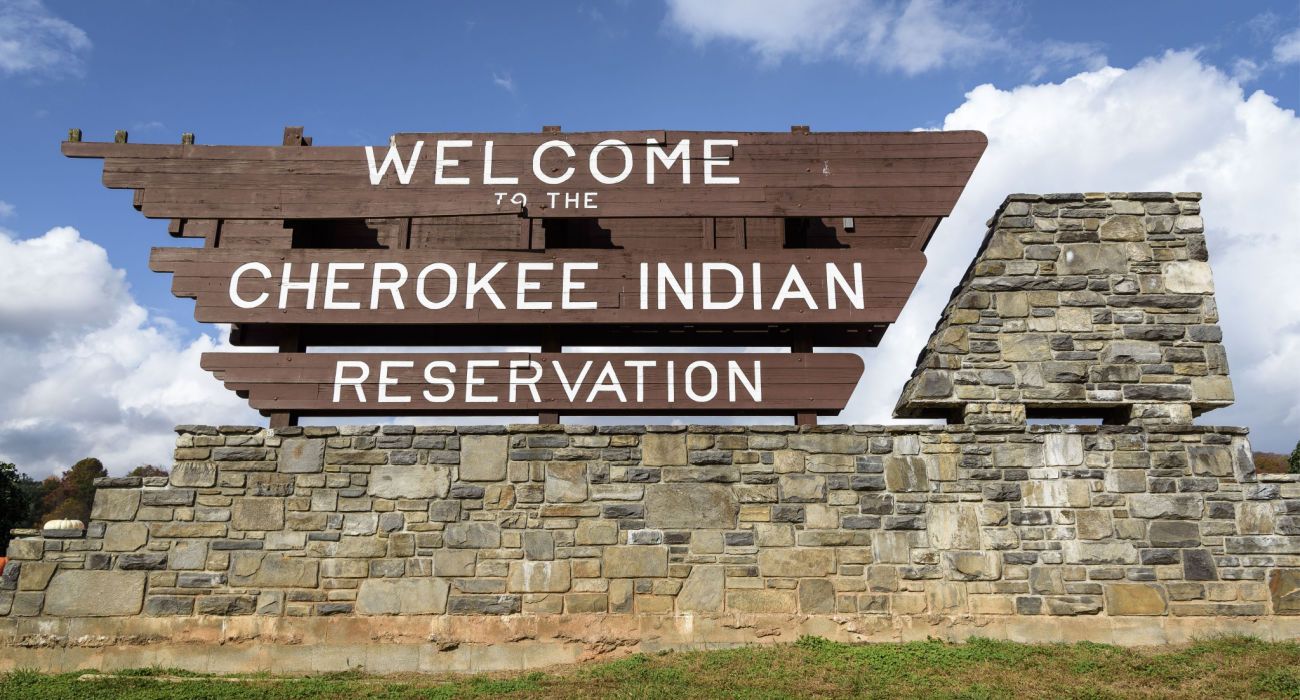
The Cherokee Nation, a beacon of resilience and self-determination, holds a profound place in the history and contemporary landscape of Oklahoma and the United States. Often referred to colloquially as the ‘Cherokee Nation Reservation’ in Oklahoma, its legal status and operational territory are far more nuanced and deeply rooted in its distinct sovereign identity.
This comprehensive guide aims to shed light on the Cherokee Nation, its historical journey, its modern governance, and its significant contributions to the region. We will explore what it means to be a sovereign nation within the borders of a state, and how its vibrant culture continues to thrive.
A Legacy Forged in Resilience: The Journey to Oklahoma
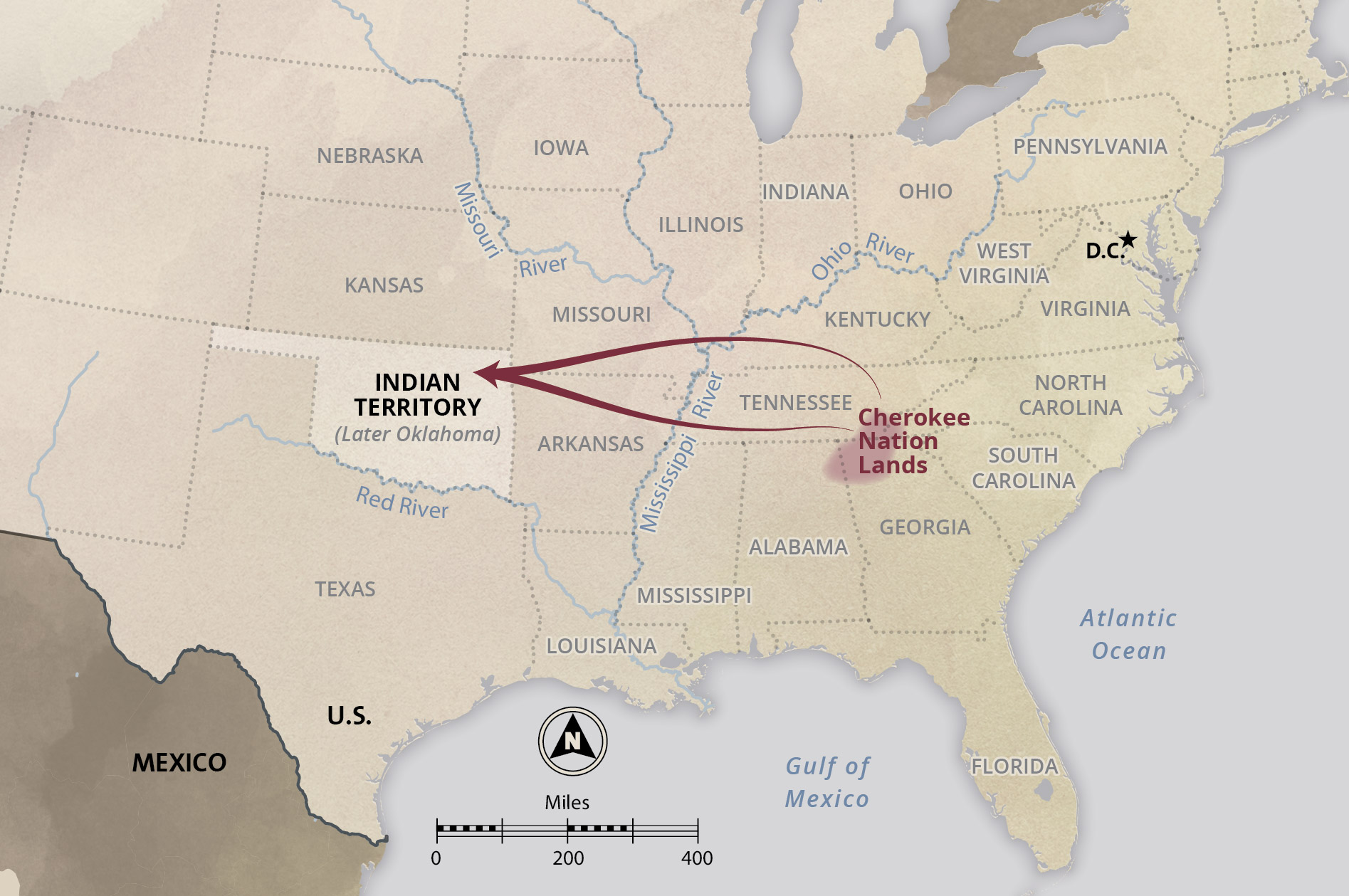
The story of the Cherokee Nation in Oklahoma is inextricably linked to one of the darkest chapters in American history: the Trail of Tears. Forced from their ancestral lands in the southeastern United States through the Indian Removal Act of 1830, the Cherokee people endured a brutal, involuntary migration to Indian Territory, which would later become Oklahoma.
Despite immense hardship and loss, the Cherokee people rebuilt their nation in this new territory. They established a new capital, developed a sophisticated governmental structure, and continued to practice their cultural traditions, demonstrating an unwavering spirit and commitment to their heritage.
By the mid-19th century, the Cherokee Nation in Indian Territory had established a constitutional republic, complete with a principal chief, a bicameral legislature, and a judicial system. They even developed a robust public education system, far exceeding many of their non-Native neighbors.

Understanding the Cherokee Nation’s Unique Legal Status
The term ‘reservation’ can be misleading when discussing the Cherokee Nation in Oklahoma. Unlike some tribal lands that were set aside by federal executive order or treaty as traditional reservations, the Cherokee Nation’s territory in Oklahoma stems from its original land grants and the fact that it was never formally disestablished by Congress.
The landmark 2020 Supreme Court decision in McGirt v. Oklahoma profoundly reaffirmed the existence of the Muscogee (Creek) Nation’s reservation for purposes of the Major Crimes Act and, by extension, clarified that the Cherokee Nation’s historic boundaries also constitute ‘Indian Country’ for certain federal criminal jurisdiction.
This ruling, along with subsequent clarifications, underscores that a significant portion of northeastern Oklahoma falls within the Cherokee Nation’s historical boundaries, where tribal sovereignty and jurisdiction apply for tribal citizens in specific legal contexts. It’s not a ‘reservation’ in the sense of a bounded, federal land parcel, but rather a recognition of long-standing tribal territory and inherent sovereignty.
Governance: A Modern Sovereign Nation
The Cherokee Nation operates as a fully functioning, democratic sovereign government. Its structure mirrors that of the United States, featuring three distinct branches designed to serve its more than 450,000 citizens worldwide, with a significant majority residing within its 14-county jurisdictional area in northeastern Oklahoma.
- Executive Branch: Led by the Principal Chief and Deputy Principal Chief, who are elected by the Cherokee people. This branch oversees the daily operations and administration of the Nation’s programs and services.
- Legislative Branch: The Tribal Council, comprising 17 elected representatives from districts across the Nation, is responsible for creating laws, appropriating funds, and representing the interests of their constituents.
- Judicial Branch: Consists of the Cherokee Nation Supreme Court and District Courts, which interpret tribal laws and resolve disputes, ensuring justice within the Nation’s jurisdiction.
This robust governmental framework allows the Cherokee Nation to provide essential services and uphold its laws, reflecting its commitment to self-governance and the well-being of its people.
Economic Powerhouse: Driving Oklahoma’s Prosperity
The Cherokee Nation is not only a cultural and political force but also a significant economic engine for Oklahoma. Through its various enterprises, particularly Cherokee Nation Businesses (CNB), it generates substantial revenue that is reinvested into the community.
CNB operates a diverse portfolio of businesses, including gaming and hospitality, manufacturing, technology, and federal contracting. These ventures create thousands of jobs, both for tribal citizens and non-Natives, contributing billions of dollars annually to the state’s economy.
The revenue generated supports vital programs in healthcare, education, housing, and social services, reducing reliance on federal funding and demonstrating the power of tribal self-sufficiency and economic development.
Preserving a Rich Culture and Heritage
Cultural preservation is a cornerstone of the Cherokee Nation’s mission. Efforts are continuously made to protect and promote the Cherokee language (Tsalagi), traditional arts, ceremonies, and historical knowledge for future generations.
The Cherokee Nation offers language immersion programs, cultural classes, and supports artists and artisans who keep traditional crafts alive. The Cherokee Heritage Center, located in Park Hill, Oklahoma, is a premier institution dedicated to preserving and sharing Cherokee history and culture through exhibits, living history villages, and educational programs.
Annual cultural events, such as the Cherokee National Holiday, draw thousands of visitors and citizens, celebrating the Nation’s vibrant traditions, music, dance, and storytelling. These events are crucial for fostering community and maintaining cultural identity.
Services and Programs: Investing in Citizens’ Futures
The Cherokee Nation provides a comprehensive array of services to its citizens, addressing needs from infancy to elder care. These programs are a testament to the Nation’s commitment to the health, education, and welfare of its people.
- Healthcare: The Cherokee Nation operates its own health system, including hospitals and clinics, providing medical, dental, and optometry services to its citizens.
- Education: From early childhood development programs to scholarships for higher education, the Nation invests heavily in educational opportunities for its youth.
- Housing: Programs assist citizens with homeownership, rental assistance, and housing improvements.
- Social Services: A wide range of services addresses elder care, family support, child welfare, and assistance for those facing adversity.
- Job Training and Employment: Initiatives help citizens develop skills and find meaningful employment, contributing to economic stability.
These services not only improve the quality of life for Cherokee citizens but also strengthen the overall community and foster self-sufficiency.
Exploring the Cherokee Nation: Tourism and Attractions
For visitors interested in Native American history and culture, the Cherokee Nation’s jurisdictional area offers numerous compelling attractions. Tahlequah, the capital of the Cherokee Nation, serves as a central hub for cultural and governmental activities.
Key attractions include the Cherokee Heritage Center, which offers an immersive journey through Cherokee history, featuring Diligwa (a 1710s Cherokee village) and Adams Corner (a 1890s rural community). The John Ross Museum, the Cherokee National Supreme Court Museum, and the Cherokee National Prison Museum provide further insights into the Nation’s past.
Beyond historical sites, the region boasts beautiful natural landscapes, including lakes and rivers, offering opportunities for outdoor recreation and appreciating the land that the Cherokee people have called home for generations.
Common Questions About the Cherokee Nation in Oklahoma
Is the Cherokee Nation a sovereign nation? Yes, the Cherokee Nation is a federally recognized sovereign nation with inherent rights to self-governance, predating the United States itself.
What is the capital of the Cherokee Nation? Tahlequah, Oklahoma, serves as the capital of the Cherokee Nation.
Can anyone live on Cherokee Nation land? While the Cherokee Nation exercises jurisdiction over its territory, the land itself is not a traditional ‘reservation’ with restricted access. People of all backgrounds can live within the 14-county jurisdictional area, though tribal services are primarily for enrolled citizens.
What is the population of the Cherokee Nation? The Cherokee Nation has over 450,000 enrolled citizens globally, making it the largest federally recognized tribe in the United States. A significant number of these citizens reside within the Nation’s jurisdictional boundaries in Oklahoma.
What is the difference between the Cherokee Nation, Eastern Band of Cherokee Indians, and United Keetoowah Band of Cherokee Indians? These are three distinct, federally recognized Cherokee tribes, each with its own government and territory. The Cherokee Nation is the largest, primarily located in Oklahoma. The Eastern Band of Cherokee Indians is based in North Carolina, and the United Keetoowah Band of Cherokee Indians is also located in Oklahoma.
The Future: Continued Growth and Advocacy
The Cherokee Nation continues to be a powerful advocate for tribal sovereignty, Native rights, and the well-being of its citizens. It actively engages in legislative efforts, fosters economic partnerships, and champions cultural revitalization.
Ongoing initiatives focus on expanding healthcare access, strengthening educational programs, protecting natural resources, and ensuring that the Cherokee voice is heard at local, state, and national levels. The Nation’s commitment to its citizens and its enduring legacy remains steadfast.
Conclusion: A Living Legacy of Strength and Culture
The Cherokee Nation in Oklahoma stands as a powerful testament to endurance, self-governance, and cultural vitality. Far from being merely a historical footnote, it is a dynamic, modern sovereign nation that significantly contributes to the social, economic, and cultural fabric of Oklahoma and the United States.
Understanding the Cherokee Nation’s unique legal status, its robust governance, its economic impact, and its unwavering dedication to cultural preservation offers crucial insights into the complexities and triumphs of tribal sovereignty in the 21st century. Its story is one of a people who, against all odds, continue to thrive, innovate, and lead.


