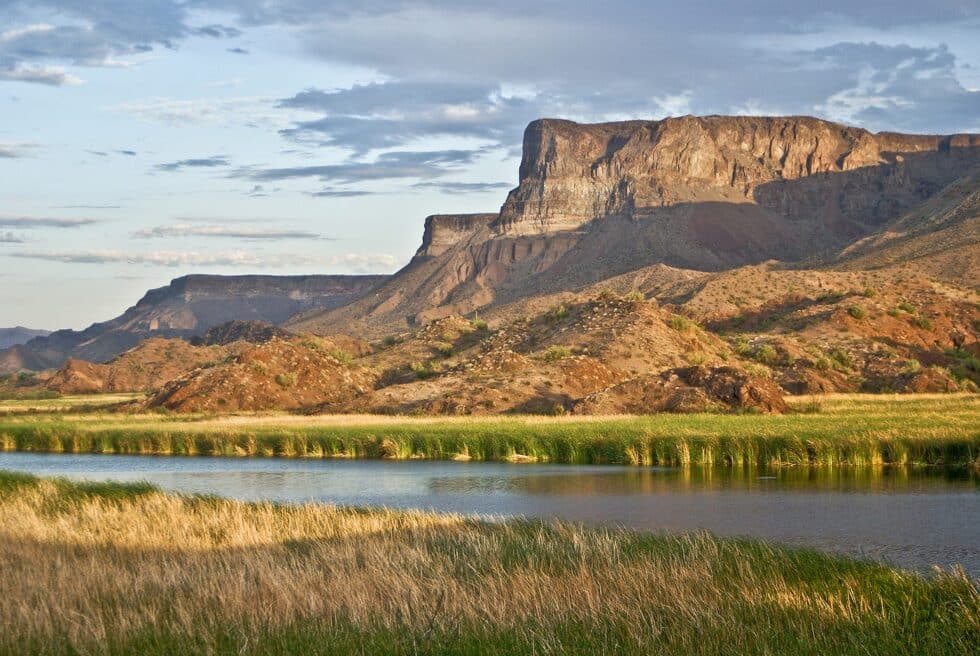
Nestled along the shimmering waters of Lake Havasu, the Chemehuevi Indian Reservation offers a captivating blend of natural beauty, profound cultural heritage, and unparalleled outdoor recreation. For many, Lake Havasu is synonymous with vibrant tourism and the iconic London Bridge. However, a significant portion of its eastern shore and the surrounding desert landscape belongs to the sovereign Chemehuevi Indian Tribe, presenting a unique dimension to this popular Arizona destination.
This comprehensive guide aims to shed light on the Chemehuevi Indian Reservation Lake experience, delving into its history, geography, recreational offerings, and the importance of respectful visitation. Whether you’re an avid angler, a history enthusiast, or simply seeking a tranquil escape, understanding this vital part of Lake Havasu’s identity enriches your journey.
A Glimpse into Chemehuevi History and Culture
The Chemehuevi people, often referred to as ‘Nüwü’ (The People), have a deep and enduring connection to the lands spanning parts of present-day California, Nevada, and Arizona. Their history is one of resilience, adaptability, and a profound respect for the natural world. Traditionally, they were a nomadic Shoshonean-speaking tribe, skilled hunters, gatherers, and weavers, whose lives were intricately tied to the rhythms of the desert and the life-giving Colorado River.
The establishment of the Chemehuevi Indian Reservation in 1907 marked a pivotal moment, affirming their ancestral ties to this specific territory. The creation of Lake Havasu in the 1930s, following the construction of Parker Dam, dramatically altered the landscape, transforming arid desert into a vast freshwater lake. The tribe has since adapted, integrating the lake into their modern way of life while preserving their traditional values and practices.
The Chemehuevi cultural heritage is rich with storytelling, intricate basket weaving, traditional dances, and a deep knowledge of the desert ecosystem. Visitors to the reservation, while respecting privacy, can often sense the spiritual connection the tribe holds with their land and water, a connection that has been nurtured for centuries.

Geographical Context: Where the Desert Meets the Water
The Chemehuevi Indian Reservation spans a significant area along the eastern bank of Lake Havasu, primarily within San Bernardino County, California, though the lake itself borders Arizona. This strategic location places it directly on the Colorado River, a lifeline through the desert.
The landscape is a striking contrast: rugged desert mountains and vast open plains give way to the sparkling blue waters of Lake Havasu. Cacti, creosote bushes, and other desert flora thrive in the arid climate, providing habitat for diverse wildlife, including bighorn sheep, coyotes, and numerous bird species. The beauty of the desert sunrise and sunset over the lake is truly unforgettable.
Lake Havasu itself is a sprawling reservoir, approximately 45 miles long, known for its clear waters and numerous coves. The portion adjacent to the Chemehuevi Reservation often feels more remote and untouched compared to the bustling areas closer to Lake Havasu City, offering a more serene experience for those seeking tranquility.
Recreational Paradise: Activities on the Chemehuevi Side of Lake Havasu
The Chemehuevi Indian Reservation’s access to Lake Havasu provides an abundance of outdoor activities, making it a prime destination for adventurers. However, it’s crucial to remember that this is tribal land, and respecting all rules and regulations is paramount.
- Boating and Water Sports: The expansive waters of Lake Havasu are perfect for all types of boating. From powerboating and jet skiing to kayaking and paddleboarding, visitors can enjoy the cool waters. Many secluded coves along the Chemehuevi shore offer ideal spots for anchoring, swimming, and picnicking away from the crowds.
- Fishing: Angler’s Delight: Lake Havasu is renowned as a premier fishing destination. The waters on the Chemehuevi side are particularly productive. Anglers can expect to catch a variety of species, including largemouth bass, smallmouth bass, striped bass, catfish, and various panfish. Remember to check local and tribal regulations regarding fishing licenses and catch limits.
- Camping Under Desert Skies: For those who love to immerse themselves in nature, camping on the reservation offers a unique experience. Primitive camping is often permitted in designated areas, allowing visitors to experience the quiet solitude of the desert night, complete with unparalleled stargazing opportunities. Always inquire about specific camping rules and permits from the Chemehuevi Tribe.
- Hiking and Exploring the Desert Trails: Beyond the water, the desert landscape invites exploration. While marked trails may be limited, the rugged terrain offers opportunities for hiking and bird watching. Always be prepared with plenty of water, appropriate footwear, and sun protection when venturing into the desert.
- Wildlife Observation: The diverse ecosystems here support a variety of wildlife. Keep an eye out for desert tortoises, roadrunners, and various raptors soaring overhead. If you’re lucky, you might even spot bighorn sheep navigating the rocky outcrops.
Understanding Tribal Sovereignty and Visitor Guidelines
Visiting the Chemehuevi Indian Reservation is a privilege, and understanding tribal sovereignty is key to a respectful and enjoyable experience. The Chemehuevi Tribe is a federally recognized sovereign nation, meaning they govern their own lands and establish their own laws and regulations.
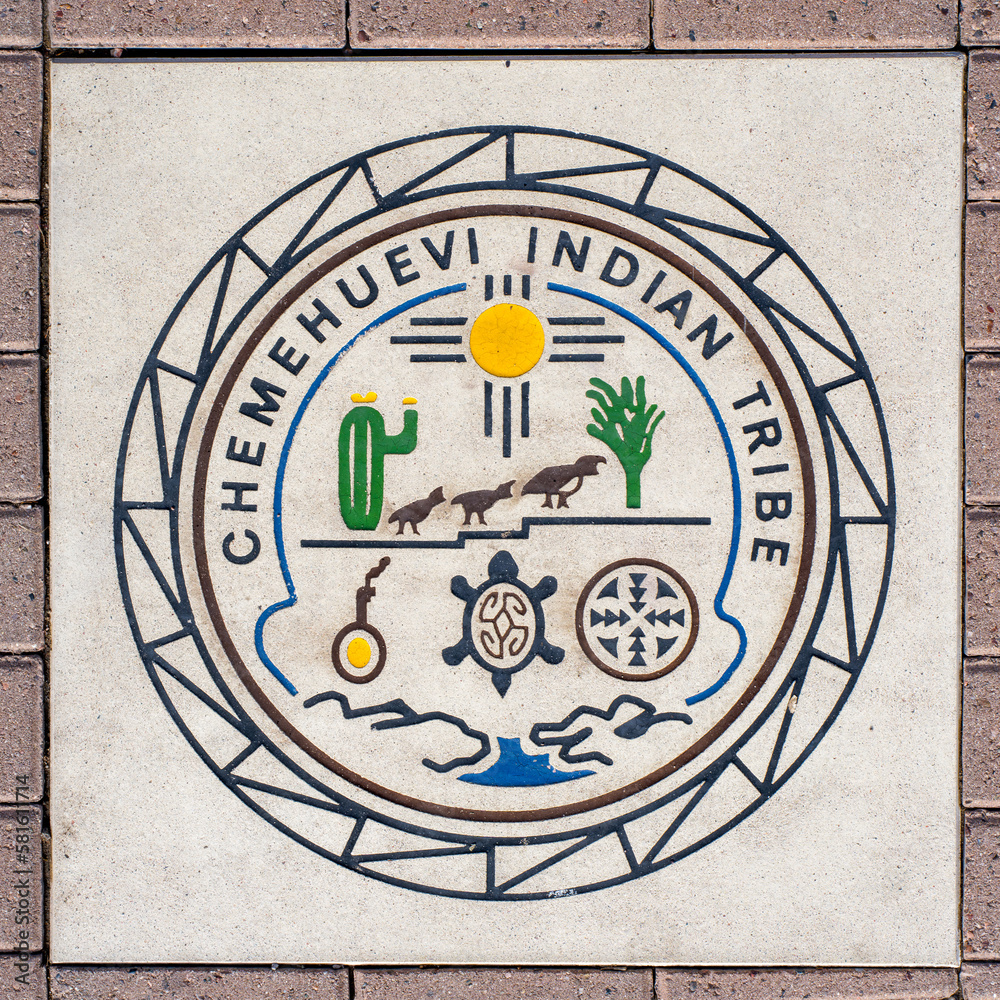
- Respecting Tribal Land and Regulations: Always adhere to posted signs, tribal laws, and directives from tribal authorities. This includes rules regarding littering, campfires, off-road vehicle use, and sensitive cultural sites.
- Permits and Access: Access to certain areas of the reservation, especially for camping or specific recreational activities, may require permits issued by the Chemehuevi Tribe. It is essential to inquire about and obtain any necessary permits beforehand. Information is typically available through the Chemehuevi Tribal offices or their official website.
- Leave No Trace: Practice ‘Leave No Trace’ principles rigorously. Pack out everything you pack in, minimize your impact on the environment, and leave the area as you found it, or better.
Economic Development and Preservation Efforts
The Chemehuevi Tribe actively engages in economic development initiatives to support its community, often balancing these with their commitment to cultural preservation and environmental stewardship. Tribal enterprises contribute to the local economy and provide services for both tribal members and visitors.
The tribe also plays a crucial role in the ongoing environmental conservation of the Lake Havasu region and the Colorado River ecosystem. Their intimate knowledge of the land helps in managing resources sustainably, protecting wildlife habitats, and preserving the natural beauty for future generations.
Planning Your Visit: Essential Information
- Best Time to Visit: Spring (March-May) and Fall (September-November) offer the most pleasant weather for outdoor activities, with milder temperatures. Summers can be extremely hot, often exceeding 100°F (38°C), making water activities essential. Winters are generally mild and sunny.
- Accommodation Options: While primitive camping might be available on the reservation with permits, more developed accommodations like hotels and RV parks are readily available in nearby Lake Havasu City.
- Safety Tips: Always carry plenty of water, especially during warmer months. Inform someone of your itinerary if you plan to hike or venture into remote areas. Be aware of desert wildlife, including snakes and scorpions. Cell service can be spotty in remote areas.
Answering Your Questions: People Also Ask
What is the Chemehuevi Indian Reservation known for? The reservation is known for its beautiful, less-developed stretches of Lake Havasu shoreline, offering excellent fishing, boating, and camping opportunities. It’s also recognized for the rich cultural heritage of the Chemehuevi Tribe and their commitment to preserving their ancestral lands.
Can you visit the Chemehuevi Indian Reservation? Yes, visitors are generally welcome, but it’s essential to respect tribal sovereignty and adhere to any specific rules, regulations, or permit requirements the tribe may have for accessing certain areas or activities. Always check with the Chemehuevi Tribal offices or their official website for the latest visitor information.
What kind of fish are in Lake Havasu? Lake Havasu is home to a diverse array of fish species, including largemouth bass, smallmouth bass, striped bass, channel catfish, flathead catfish, bluegill, redear sunfish, and crappie. It’s a popular destination for both recreational and tournament fishing.
Are there public access points on the Chemehuevi side of Lake Havasu? While specific public access points might be limited or require tribal permits, many boaters can access the coves and shoreline from the water. For land-based access, visitors should consult tribal guidelines to ensure they are on permitted areas and have any necessary passes.
Conclusion: Embracing the Spirit of Chemehuevi Land
The Chemehuevi Indian Reservation and its connection to Lake Havasu offer a profound and enriching experience for those willing to look beyond the ordinary. It’s a place where ancient history meets modern recreation, where the stark beauty of the desert embraces the refreshing expanse of the lake. By understanding and respecting the Chemehuevi Tribe’s sovereignty, culture, and land, visitors can unlock a deeper appreciation for this truly unique corner of the American Southwest.
Embark on your journey to the Chemehuevi Indian Reservation Lake with an open mind and a respectful heart, and you’ll discover not just a destination, but a vibrant living culture intertwined with one of the most beautiful natural landscapes in the region. It’s an invitation to explore, learn, and connect with a heritage that has thrived for centuries.


