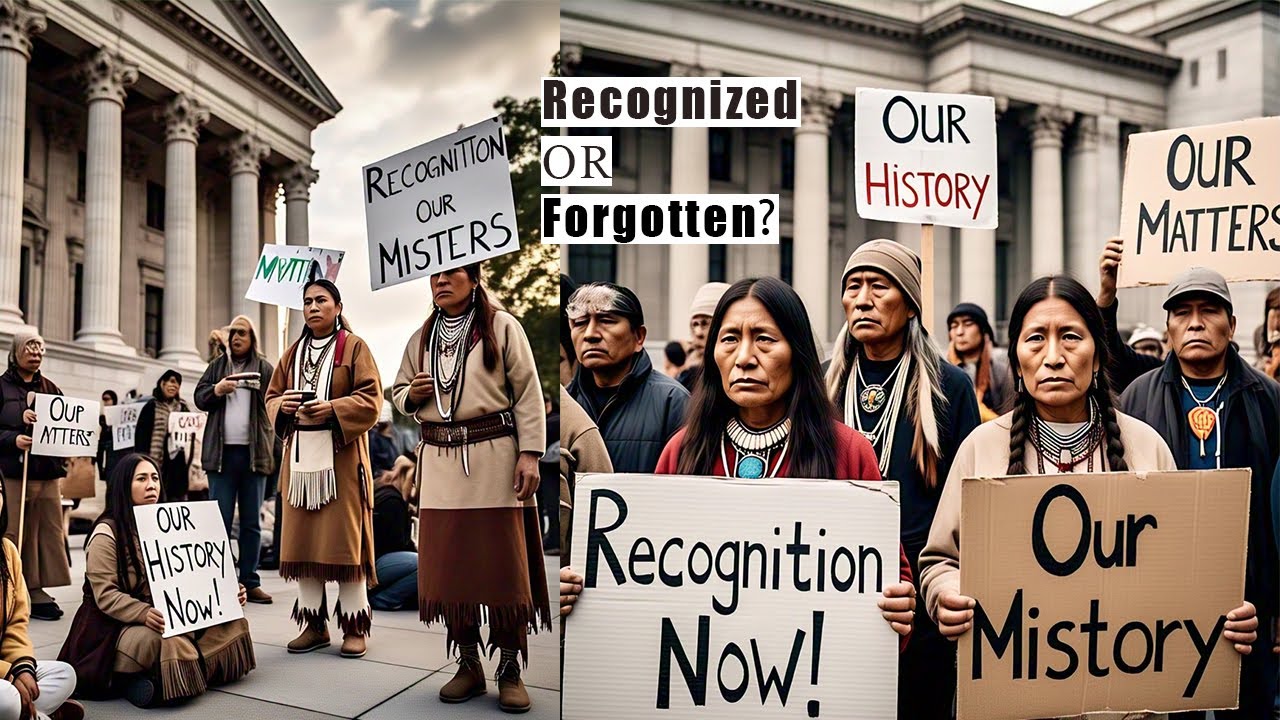

The landscape of Native American tribal sovereignty in the United States is complex, marked by a history of treaties, federal policies, and legal battles. While many tribes are federally recognized, a significant number remain unrecognized, even when residing within established reservation boundaries. This lack of recognition creates a unique set of challenges that impact every facet of their existence, from access to essential services to the preservation of their cultural identity.
This article delves into the intricate challenges faced by unrecognized tribes on reservations. We will explore the historical context, the legal ramifications, and the socio-economic struggles that these communities endure. Understanding these challenges is crucial for fostering a more equitable and just future for all Native American tribes.
The Historical Context of Tribal Recognition
The process of federal recognition for Native American tribes is deeply rooted in the history of colonization and the evolving relationship between the U.S. government and Indigenous peoples. Treaties signed in the 18th and 19th centuries initially defined the relationship, but subsequent policies, such as allotment and assimilation, eroded tribal sovereignty and land bases. The Indian Reorganization Act of 1934 aimed to reverse some of these policies, but it also established a formal process for federal recognition, which has proven to be both lengthy and arduous.
Many tribes were never formally recognized due to various factors, including geographical isolation, political marginalization, or simply a lack of documentation that met the stringent requirements of the federal government. Some tribes actively resisted federal recognition, fearing further government interference in their affairs. Regardless of the reasons, the consequences of non-recognition are profound and far-reaching.
The Bureau of Indian Affairs (BIA) and Recognition


The Bureau of Indian Affairs (BIA) plays a central role in the federal recognition process. Tribes seeking recognition must petition the BIA and provide extensive documentation to demonstrate their continuous existence as a distinct community, their historical ties to a specific territory, and their maintenance of a tribal government. This process can take decades and requires significant financial and legal resources, which many unrecognized tribes simply do not possess.
Legal and Political Challenges
The lack of federal recognition has significant legal and political ramifications for unrecognized tribes. Without recognition, these tribes are not entitled to the same rights and protections as federally recognized tribes. This includes access to federal funding for essential services such as healthcare, education, and housing. It also limits their ability to engage in government-to-government relations with the United States.
Limited Access to Federal Programs and Resources
Federally recognized tribes are eligible for a wide range of federal programs and resources designed to support tribal self-determination and economic development. These programs include funding for tribal schools, healthcare facilities, housing assistance, and infrastructure development. Unrecognized tribes are largely excluded from these programs, which can exacerbate poverty and inequality within their communities. This lack of access to resources hinders their ability to address critical needs and improve the quality of life for their members.
Challenges to Tribal Sovereignty and Self-Determination
Federal recognition is often viewed as a prerequisite for asserting tribal sovereignty and self-determination. While unrecognized tribes may still possess inherent sovereignty, their ability to exercise that sovereignty is significantly limited without federal acknowledgment. They may face challenges in enforcing their laws, regulating activities within their territory, and protecting their cultural resources.
Legal Battles and the Quest for Recognition
Many unrecognized tribes have pursued legal avenues to achieve federal recognition. These legal battles can be costly and time-consuming, often requiring tribes to navigate complex legal procedures and overcome significant evidentiary hurdles. Even when tribes are successful in court, the process can take years, and the outcome is not always guaranteed.

Socio-Economic Challenges
The legal and political challenges faced by unrecognized tribes contribute to a range of socio-economic difficulties. Limited access to resources, coupled with historical discrimination and marginalization, can create a cycle of poverty and inequality. These challenges impact every aspect of life, from education and employment to healthcare and housing.
Education and Employment Disparities
Unrecognized tribes often face significant disparities in education and employment outcomes. Limited access to quality education and job training opportunities can hinder their ability to secure stable employment and achieve economic self-sufficiency. These disparities are often compounded by discrimination and lack of access to resources.
Healthcare Access and Health Disparities
Access to healthcare is a critical challenge for unrecognized tribes. Without federal recognition, they are often excluded from Indian Health Service (IHS) programs, which provide healthcare services to federally recognized tribes. This lack of access to healthcare can lead to significant health disparities, including higher rates of chronic diseases, mental health issues, and substance abuse.
Housing and Infrastructure Deficiencies
Many unrecognized tribes struggle with inadequate housing and infrastructure. Overcrowding, substandard housing conditions, and lack of access to basic amenities such as clean water and sanitation are common challenges. These deficiencies can have a significant impact on the health and well-being of tribal members.
Cultural Preservation and Identity
The lack of federal recognition can also pose a threat to the cultural preservation and identity of unrecognized tribes. Without formal acknowledgment, it can be more difficult to protect sacred sites, preserve traditional languages, and maintain cultural practices. This can lead to a gradual erosion of cultural heritage and a loss of identity.
Protecting Sacred Sites and Cultural Resources
Unrecognized tribes often face challenges in protecting their sacred sites and cultural resources from development and desecration. Without federal recognition, they may lack the legal standing to assert their rights and protect these important cultural assets. This can lead to conflicts with developers and government agencies.
Language Revitalization Efforts
Many Native American languages are endangered, and unrecognized tribes often face challenges in preserving and revitalizing their languages. Without federal funding and support, it can be difficult to implement language immersion programs and other initiatives aimed at promoting language fluency. This can contribute to a gradual loss of cultural knowledge and identity.
The Impact on Tribal Members
The challenges faced by unrecognized tribes have a profound impact on the lives of individual tribal members. The lack of access to resources, coupled with historical trauma and ongoing discrimination, can lead to feelings of hopelessness, despair, and marginalization. These challenges can also contribute to higher rates of poverty, substance abuse, and suicide.
Mental Health and Well-being
The stress and trauma associated with non-recognition can have a significant impact on the mental health and well-being of tribal members. Feelings of isolation, powerlessness, and despair are common. Access to mental health services is often limited, which can exacerbate these challenges.
The Fight for Recognition: A Symbol of Resilience
Despite the many challenges they face, unrecognized tribes continue to fight for recognition and self-determination. Their resilience and determination are a testament to their strength and commitment to preserving their cultural heritage. The fight for recognition is not just about access to resources; it is about affirming their identity, their sovereignty, and their right to exist as distinct peoples.
What is the process for a tribe to become federally recognized?
The process for a tribe to become federally recognized is complex and can take many years. It typically involves submitting a petition to the Bureau of Indian Affairs (BIA) and providing extensive documentation to demonstrate the tribe’s continuous existence as a distinct community, its historical ties to a specific territory, and its maintenance of a tribal government. The BIA reviews the petition and conducts research to verify the tribe’s claims. If the BIA determines that the tribe meets the criteria for recognition, it issues a proposed finding of recognition, which is then subject to public comment. After considering public comments, the BIA issues a final determination. If the final determination is in favor of recognition, the tribe is added to the list of federally recognized tribes.
Why are some tribes not federally recognized?
There are many reasons why some tribes are not federally recognized. Some tribes may have been overlooked in the past due to geographical isolation or political marginalization. Others may have resisted federal recognition, fearing further government interference in their affairs. Some tribes may lack the documentation needed to meet the stringent requirements of the federal government. In some cases, the federal government may have terminated its relationship with a tribe, resulting in the loss of federal recognition.
What are the benefits of federal recognition for a tribe?
Federal recognition provides a tribe with a wide range of benefits, including access to federal funding for essential services such as healthcare, education, and housing. It also allows the tribe to engage in government-to-government relations with the United States, assert its tribal sovereignty, and protect its cultural resources.
What can be done to support unrecognized tribes?
There are many things that can be done to support unrecognized tribes. One is to advocate for changes to the federal recognition process to make it more accessible and equitable. Another is to provide financial and technical assistance to unrecognized tribes to help them prepare their petitions for recognition. It is also important to raise awareness about the challenges faced by unrecognized tribes and to support their efforts to preserve their cultural heritage and assert their tribal sovereignty.
Conclusion: A Path Forward
The challenges faced by unrecognized tribes on reservations are complex and multifaceted. They stem from a history of colonization, broken treaties, and discriminatory policies. Addressing these challenges requires a comprehensive approach that includes legal reforms, increased access to resources, and a commitment to respecting tribal sovereignty and self-determination. By working together, we can create a more just and equitable future for all Native American tribes, regardless of their recognition status.
The journey toward justice and equity for unrecognized tribes is ongoing. It requires sustained effort, collaboration, and a deep understanding of the historical and contemporary challenges they face. By amplifying their voices, supporting their endeavors, and advocating for their rights, we can help pave the way for a brighter future for these resilient communities.
- Unrecognized tribes face significant legal, social, and economic challenges.
- Federal recognition is crucial for accessing resources and asserting sovereignty.
- Cultural preservation is essential for maintaining tribal identity.
- Supporting unrecognized tribes requires advocacy, awareness, and collaboration.