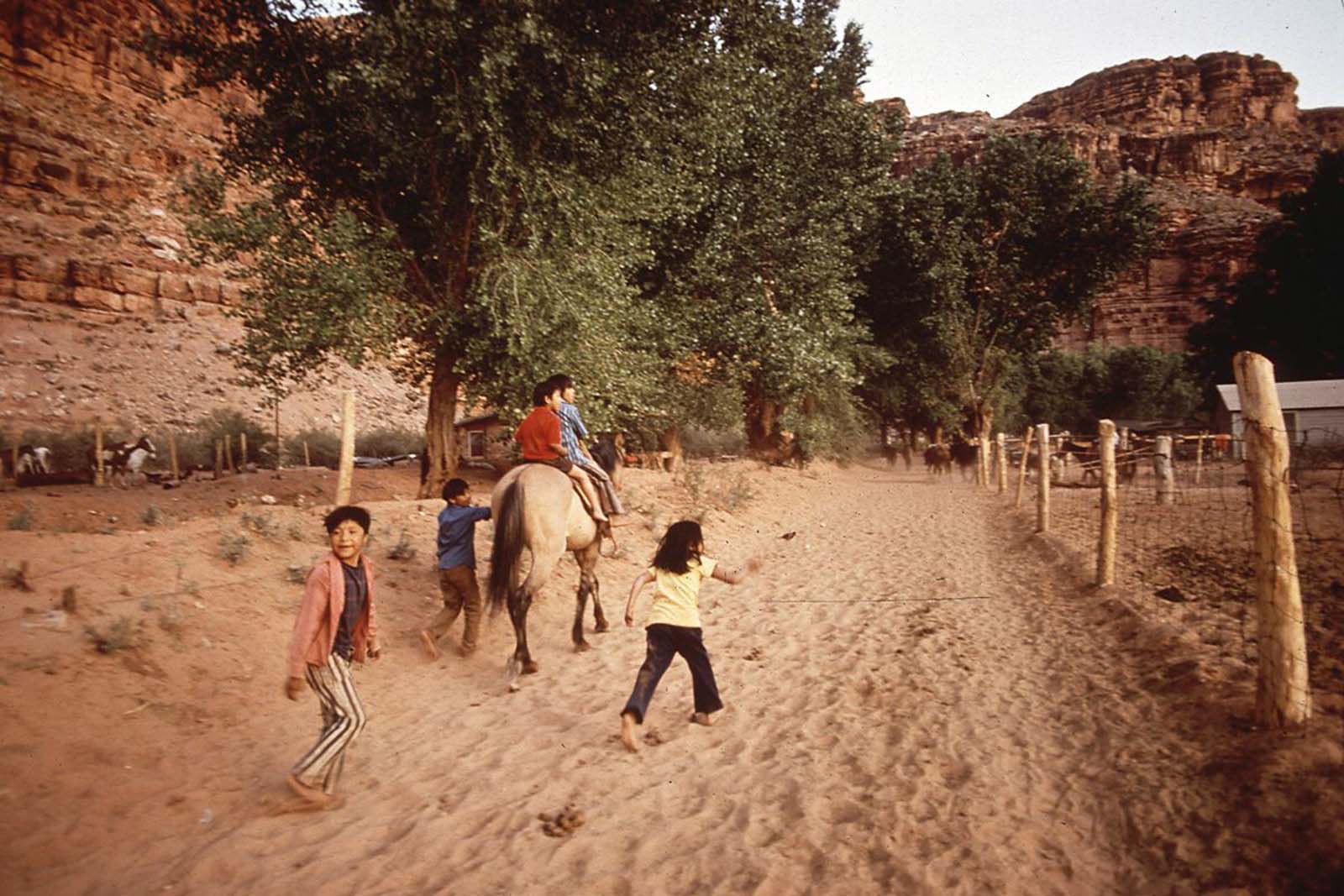
Life on Indian reservations in the United States is often profoundly misunderstood by the broader public. Far from a monolithic experience, it encompasses a diverse array of cultures, traditions, and socio-economic realities. However, beneath this rich tapestry lies a shared history of systemic challenges, many rooted in historical injustices and perpetuated by ongoing structural inequalities. Understanding these complexities is crucial for appreciating the resilience and unwavering spirit of Native American communities.
This article aims to provide a comprehensive overview of the significant hurdles faced by residents of Indian reservations. We will delve into the historical context that shaped these communities, examine the pervasive issues impacting their daily lives, and highlight the ongoing efforts by tribal nations to foster self-determination and brighter futures.
The Historical Foundation of Modern Challenges
To truly grasp the contemporary challenges, one must acknowledge the deep historical roots. The establishment of Indian reservations was a direct consequence of westward expansion, forced removals, and a series of broken treaties. These lands, often remote and resource-poor, were designated as permanent homes for Indigenous peoples, severely limiting their traditional hunting grounds, trade networks, and cultural practices.
The legacy of colonization, forced assimilation policies, and the boarding school era inflicted profound historical trauma across generations. This trauma manifests today in various social, economic, and health disparities, creating a complex backdrop against which daily life unfolds on many reservations.
Economic Disparities and Underdevelopment
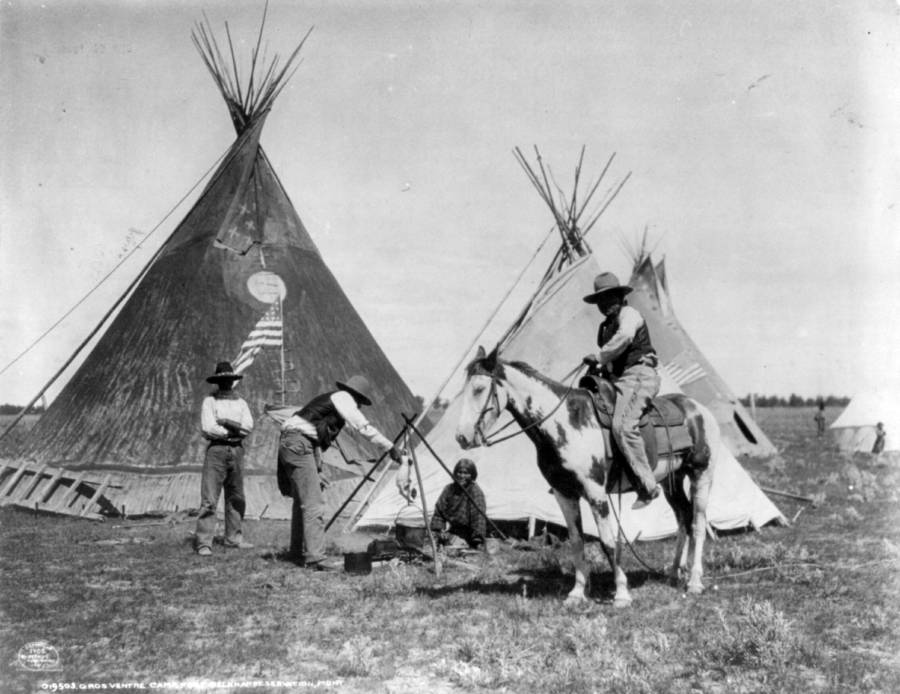
One of the most persistent challenges is the pervasive economic disparity. Many reservations grapple with alarmingly high rates of unemployment and poverty, significantly exceeding national averages. The remote geographical locations of many reservations often hinder economic development, limiting access to markets and diverse job opportunities.
Economic self-sufficiency is a critical goal for tribal nations, yet they frequently face obstacles in attracting investment, developing sustainable industries, and accessing capital for tribal businesses. Limited infrastructure, such as reliable internet and transportation networks, further exacerbates these economic hurdles, making it difficult to compete in modern economies.
Limited Job Opportunities: The scarcity of diverse industries and businesses on or near reservations means that many residents must travel long distances for work, or face limited options for skilled employment.
Poverty Rates: Statistics consistently show higher poverty rates on reservations compared to the national average, impacting everything from housing quality to access to nutritious food.
Lack of Capital: Tribal enterprises often struggle to secure the necessary funding and resources to launch and expand, hindering efforts to create local jobs and generate revenue for community services.
Healthcare Access and Disparities
Access to adequate healthcare remains a critical concern for many Indigenous peoples living on reservations. The Indian Health Service (IHS), an agency within the U.S. Department of Health and Human Services, is responsible for providing healthcare services to federally recognized Native Americans and Alaska Natives. However, it is chronically underfunded and understaffed.
This underfunding leads to significant disparities in health outcomes. Reservations often experience higher rates of chronic diseases such as diabetes, heart disease, and certain cancers. Mental health services are also severely lacking, despite a disproportionate need stemming from historical trauma, poverty, and substance abuse issues.
Underfunded Services: The budget allocated to the IHS is often insufficient to meet the healthcare needs of the population it serves, leading to long wait times, limited specialists, and outdated facilities.
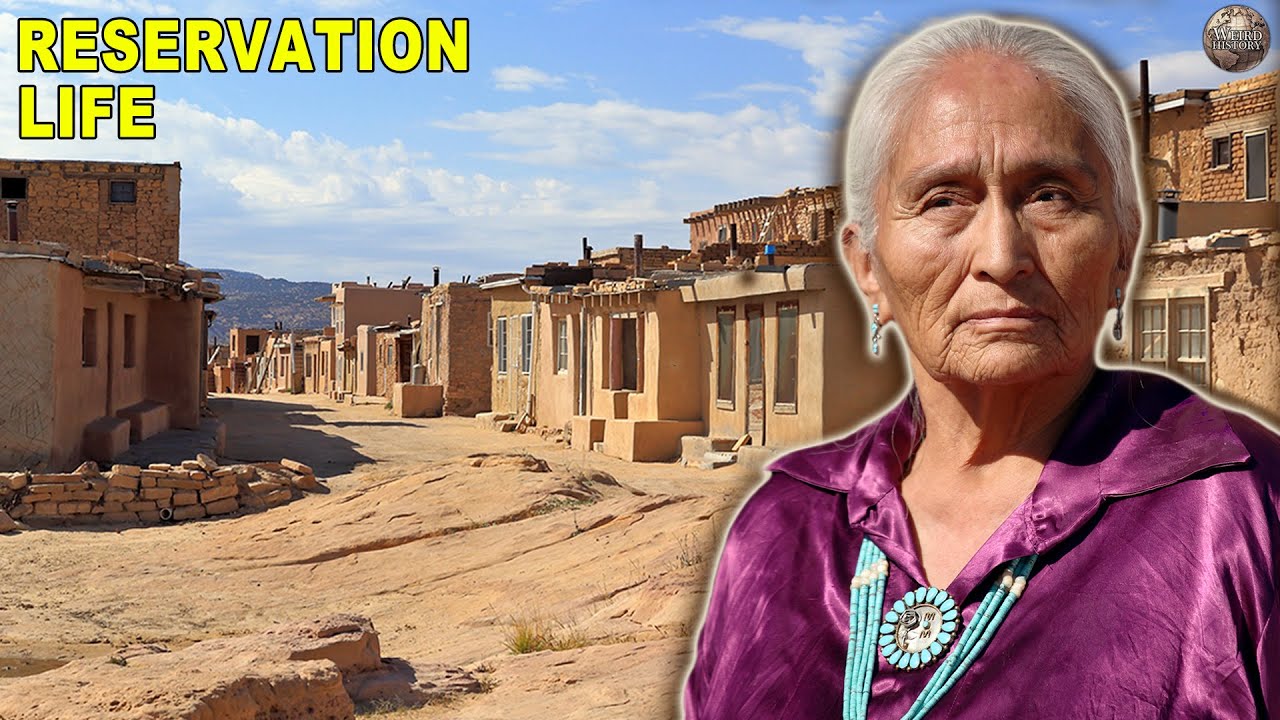
Geographic Barriers: For many remote reservations, the nearest hospital or clinic can be hours away, making emergency care and routine appointments challenging.
Behavioral Health Crisis: The devastating impact of historical trauma, coupled with socio-economic stressors, contributes to high rates of substance abuse, suicide, and other mental health challenges, often without adequate support systems.
Education Gaps and Opportunities
Education is a cornerstone of societal advancement, but on many reservations, educational systems face significant challenges. Schools on reservations, whether tribal, BIE (Bureau of Indian Education), or public, often struggle with inadequate funding, outdated facilities, and difficulties in retaining qualified teachers.
Curriculum development is another critical area. Efforts are ongoing to integrate culturally relevant content and language instruction, which is vital for preserving Indigenous identities but often requires additional resources and expertise. Access to higher education and vocational training opportunities can also be limited, contributing to a ‘brain drain’ where talented youth leave the reservation for better prospects.
Funding Shortfalls: Many reservation schools receive less funding per pupil than their off-reservation counterparts, impacting resources, technology, and extracurricular activities.
Teacher Retention: Attracting and retaining experienced educators in remote areas can be difficult, leading to high turnover rates and a reliance on less experienced staff.
Cultural Relevance: A curriculum that fails to reflect the history, language, and values of the local tribal community can disengage students and fail to prepare them for life within their cultural context.
Infrastructure Deficiencies
Basic infrastructure, often taken for granted elsewhere, is a persistent challenge on many reservations. This includes reliable access to clean water, sanitation systems, adequate housing, and broadband internet.
Many homes lack indoor plumbing or safe drinking water, and some communities still rely on hauling water. Substandard housing conditions are common, leading to health and safety concerns. The digital divide is particularly stark, with many reservations having little to no access to high-speed internet, which is essential for education, economic development, and healthcare in the 21st century.
Housing Crisis: Overcrowding, dilapidated homes, and a shortage of affordable, quality housing are widespread issues.
Water and Sanitation: Access to safe drinking water and effective wastewater treatment systems remains a fundamental challenge for numerous tribal communities.
Digital Divide: The lack of broadband internet access isolates communities, hindering remote learning, telehealth, and economic participation.
Social and Cultural Pressures
Beyond economic and infrastructural issues, residents of reservations face immense social and cultural pressures. The ongoing fight to preserve Indigenous languages, traditions, and ceremonies against the backdrop of dominant Western culture is a continuous effort.
The intergenerational impact of historical trauma contributes to complex social issues, including substance abuse, domestic violence, and mental health crises. While communities are actively engaged in healing and revitalization, these challenges require sustained support and resources.
Language Loss: Many Indigenous languages are endangered, and efforts to revitalize them require dedicated resources and community engagement.
Cultural Preservation: Maintaining traditional practices, ceremonies, and knowledge systems in a rapidly changing world is a constant endeavor.
Community Healing: Addressing the deep-seated effects of historical trauma through culturally appropriate healing practices is vital for collective well-being.
Legal and Jurisdictional Complexities
The legal framework governing Indian reservations is complex, involving overlapping jurisdictions between tribal, state, and federal governments. This often leads to confusion and gaps in services, particularly in areas like law enforcement and resource management.
Tribal sovereignty, the inherent right of tribes to govern themselves, is a cornerstone of Indigenous rights. However, its practical application is frequently challenged, impacting tribes’ ability to fully exercise self-determination and protect their lands and people.
Jurisdictional Maze: Determining which governmental entity has authority in certain legal matters can be confusing and lead to delays in justice.
Resource Management: Disputes over water rights, mineral rights, and environmental protection often involve complex legal battles between tribes, states, and federal agencies.
Pathways to Resilience and Self-Determination
- Economic Diversification: Developing tribal casinos, tourism, renewable energy projects, and small businesses to create jobs and generate revenue.
- Cultural Revitalization: Investing in language immersion programs, traditional arts, and cultural centers to preserve and promote Indigenous heritage.
- Advocacy and Policy Reform: Lobbying federal and state governments for increased funding, equitable policies, and recognition of tribal sovereignty.
- Community-Led Initiatives: Implementing local solutions for healthcare, education, and social services, often rooted in traditional knowledge and community values.
- Partnerships: Collaborating with universities, non-profits, and private sector entities to bring resources and expertise to reservation communities.
The journey towards full self-determination and improved quality of life on reservations is ongoing. It requires sustained commitment, respect for tribal sovereignty, and a deep understanding of the unique historical and contemporary realities faced by Native American communities.
Conclusion
Life on Indian reservations is a testament to both profound challenges and extraordinary resilience. From the enduring legacy of historical trauma to persistent economic, health, and educational disparities, the hurdles are significant. However, the narrative is not solely one of struggle, but also of strength, cultural vibrancy, and an unyielding pursuit of self-determination.
Understanding these complexities is the first step towards fostering meaningful support and equitable partnerships. By acknowledging the past, addressing present inequalities, and empowering tribal nations in their efforts to build sustainable, thriving communities, we can contribute to a future where the challenges of reservation life are met with comprehensive solutions and profound respect for Indigenous sovereignty and heritage.


