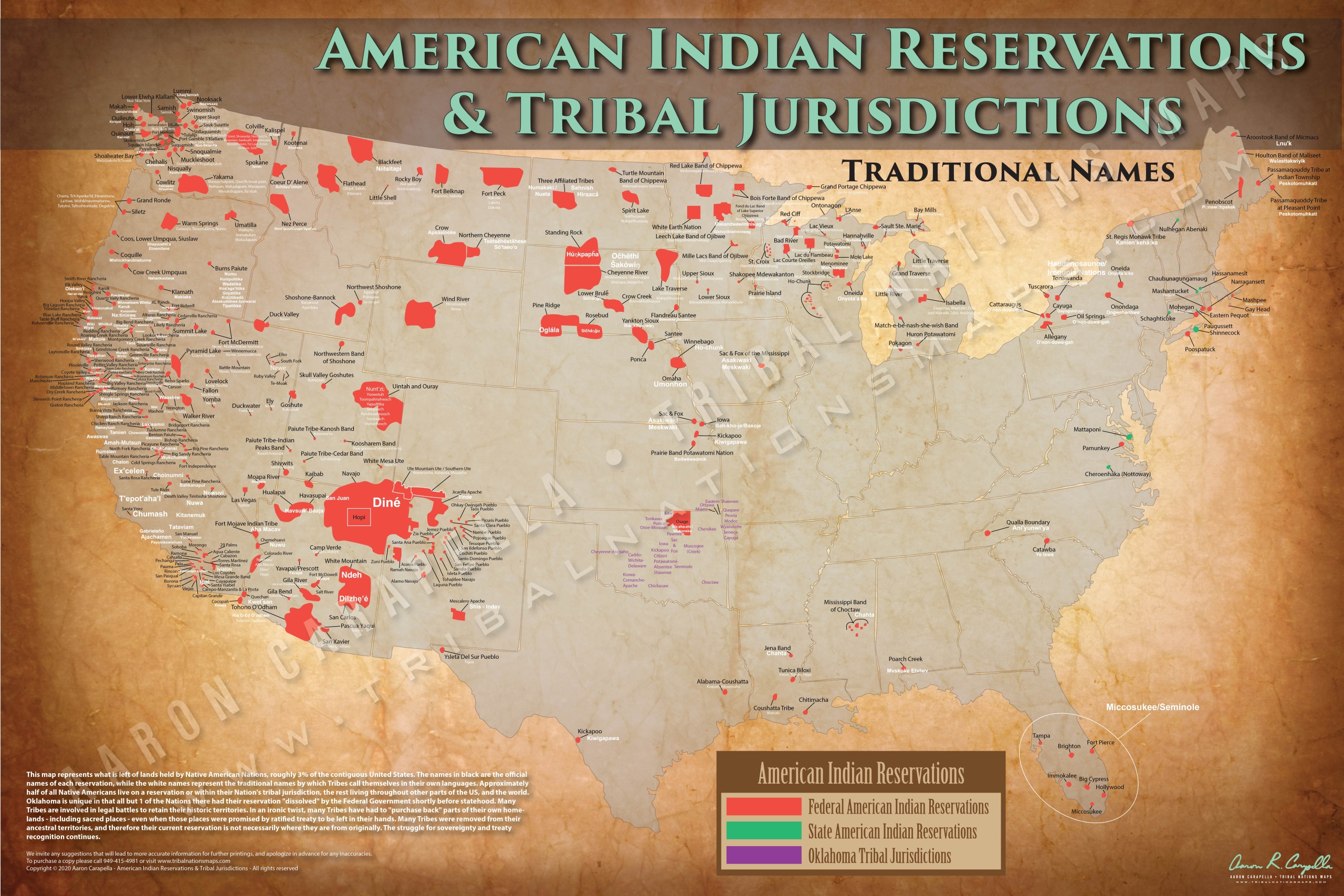

Purchasing land is a significant investment, and choosing the right location is paramount. For some, the allure of buying land near Indian Reservations is strong, offering potential benefits like unique landscapes, recreational opportunities, and even investment potential. However, it’s crucial to approach such purchases with a thorough understanding of the legal, cultural, and practical considerations involved. This guide provides a comprehensive overview to help you make an informed decision.
Understanding the Landscape: Why Buy Near a Reservation?
- Affordable Land: In some areas, land prices near reservations may be more competitive compared to other regions. This can make land ownership more accessible for those on a budget.
- Natural Beauty: Many reservations are located in areas of significant natural beauty, offering stunning landscapes, access to outdoor recreation, and a peaceful environment.
- Investment Potential: As populations grow and development expands, land near reservations may appreciate in value, providing a potential return on investment.
- Proximity to Cultural Experiences: Living near a reservation can offer opportunities to learn about and appreciate Native American culture, traditions, and history.
Navigating the Legal and Jurisdictional Complexities
One of the most critical aspects of buying land near Indian Reservations is understanding the complex legal and jurisdictional landscape. Indian law is a specialized field, and regulations can vary significantly from state to state and even reservation to reservation.
Fee Simple vs. Trust Land: A Crucial Distinction


It’s essential to understand the difference between fee simple land and trust land.
- Fee Simple Land: This is land owned outright by an individual or entity. You have full control and ownership rights, subject to local and state laws.
- Trust Land: This land is held in trust by the federal government for the benefit of a tribe or individual tribal members. It is generally not subject to state and local taxes and regulations. Buying trust land is typically not possible for non-tribal members.
Jurisdictional Issues: Who Has Authority?
Determining which government entity has jurisdiction over land near a reservation can be complex. It’s crucial to understand whether the land is subject to tribal, federal, state, or local laws.
- Tribal Jurisdiction: Tribal governments have jurisdiction over trust lands within their reservations and may also have some jurisdiction over non-Indian owned lands within reservation boundaries, depending on the specific circumstances and agreements.
- Federal Jurisdiction: The federal government has a significant role in Indian affairs and may have jurisdiction over certain matters, even on fee simple land near reservations.
- State and Local Jurisdiction: State and local governments typically have jurisdiction over fee simple land, but their authority may be limited in certain areas, particularly those affecting tribal interests.
Due Diligence: Essential Steps Before You Buy
Before making any offer on land near an Indian Reservation, it’s imperative to conduct thorough due diligence. This involves researching the property, its history, and any potential legal or environmental issues.
Title Search: Uncovering Potential Problems
A title search is a crucial step to ensure that the seller has clear title to the property and that there are no outstanding liens, encumbrances, or other claims against the land. This can reveal potential ownership disputes or other legal issues that could affect your ownership rights.

Survey: Defining the Boundaries
A professional land survey will accurately define the boundaries of the property. This is important to avoid boundary disputes with neighbors and to ensure that you are buying the land you expect.
Environmental Assessment: Identifying Potential Hazards
An environmental assessment can identify any potential environmental hazards on the property, such as soil contamination or the presence of endangered species. This can help you avoid costly cleanup efforts or legal liabilities in the future.
Zoning and Land Use Regulations: Understanding Restrictions
Research local zoning and land use regulations to understand how you can use the property. These regulations may restrict building types, lot sizes, or other activities on the land.
Cultural Sensitivity: Respecting Tribal Customs and Traditions
When buying land near an Indian Reservation, it’s essential to be respectful of tribal customs and traditions. Understanding the history of the area and the cultural significance of the land can help you avoid unintentionally offending or disrespecting the local community.
Consult with Tribal Leaders: Building Relationships
Consider reaching out to tribal leaders or community members to learn more about the area and to build positive relationships. This can help you understand local perspectives and avoid potential conflicts.
Avoid Disturbing Sacred Sites: Protecting Cultural Heritage
Be mindful of potential sacred sites or cultural resources on the property. Avoid disturbing these areas and respect their significance to the local tribe.
Water Rights: A Critical Consideration in the West
In many parts of the western United States, water rights are a critical consideration when buying land, especially near reservations. Understanding water rights is essential for agricultural use, livestock, or even domestic purposes.
Types of Water Rights: Appropriative vs. Riparian
- Appropriative Rights: These rights are based on the principle of “first in time, first in right.” The person who first appropriated the water for beneficial use has the senior right to that water.
- Riparian Rights: These rights are based on land ownership adjacent to a water source. Riparian landowners have the right to use the water flowing past their property, but their use must be reasonable and not harm other riparian owners.
Tribal Water Rights: A Priority Claim
It’s important to note that many tribes have federally reserved water rights, which often have priority over other water rights in the area. These rights are typically based on the date the reservation was established.
Access and Easements: Ensuring Legal Access to Your Property
Ensure that you have legal access to your property. This may involve obtaining an easement across neighboring land.
Types of Easements: Access, Utility, and More
- Access Easements: These easements grant you the right to cross another person’s property to access your land.
- Utility Easements: These easements allow utility companies to run power lines, pipelines, or other infrastructure across your property.
- Conservation Easements: These easements restrict development on your property to protect natural resources.
Documenting Easements: Ensuring Enforceability
It’s crucial to document any easements in writing and record them with the local county recorder’s office. This will ensure that the easement is legally enforceable and protects your rights.
Financing Your Land Purchase: Exploring Options
Financing a land purchase can be more challenging than financing a home purchase. Traditional lenders may be hesitant to lend on vacant land, so you may need to explore alternative financing options.
Land Loans: Specialized Financing for Land Purchases
Land loans are specifically designed for purchasing vacant land. These loans typically have higher interest rates and shorter terms than traditional mortgages.
Seller Financing: A Negotiated Agreement
Seller financing can be a good option if the seller is willing to finance the purchase. This involves the seller acting as the lender, and you making payments directly to them.
Cash Purchase: The Simplest Option
If you have the cash available, a cash purchase is the simplest and most straightforward option. This avoids the need for financing and can often result in a faster closing.
Potential Benefits of Living Near a Reservation
Beyond the financial aspects, living near a reservation can offer numerous personal and cultural enrichment opportunities.
- Cultural Immersion: Opportunities to learn about and appreciate Native American culture, traditions, and art.
- Outdoor Recreation: Access to vast, unspoiled natural areas for hiking, fishing, hunting, and other outdoor activities.
- Strong Sense of Community: Many reservations have strong community bonds and a welcoming atmosphere.
Potential Challenges of Living Near a Reservation
It’s also important to be aware of the potential challenges of living near a reservation.
- Limited Infrastructure: Some areas near reservations may have limited infrastructure, such as roads, utilities, and internet access.
- Economic Challenges: Reservations often face economic challenges, which can impact the surrounding communities.
- Cultural Differences: It’s essential to be sensitive to cultural differences and to avoid making assumptions or stereotypes.
Working with Local Professionals: Building a Team
When buying land near an Indian Reservation, it’s essential to work with local professionals who have experience in the area.
Real Estate Agents: Finding the Right Property
A real estate agent who specializes in land sales can help you find the right property and negotiate the purchase agreement.
Attorneys: Navigating Legal Complexities
An attorney who is familiar with Indian law can help you navigate the legal complexities of buying land near a reservation.
Surveyors: Defining Boundaries and Easements
A surveyor can accurately define the boundaries of the property and identify any potential easement issues.
Conclusion: Making an Informed Decision
Buying land near Indian Reservations can be a rewarding experience, offering unique opportunities and benefits. However, it’s crucial to approach such purchases with a thorough understanding of the legal, cultural, and practical considerations involved. By conducting thorough due diligence, working with local professionals, and being respectful of tribal customs and traditions, you can make an informed decision and enjoy the many benefits of owning land in this unique and special area. Remember to always prioritize cultural sensitivity and respect for the indigenous communities that call these lands home. Ultimately, a well-researched purchase can lead to a fulfilling and enriching experience for years to come.
This guide provides a general overview, and it is essential to consult with qualified professionals for specific advice related to your situation. Laws and regulations can change, so it’s crucial to stay informed and seek expert guidance before making any decisions.


