
Understanding property values is crucial in real estate, whether you’re buying, selling, or investing. When considering properties near Indian Reservations, the dynamics become even more complex. This comprehensive guide delves into the various factors that influence property values in these unique locations, providing you with the knowledge to make informed decisions.
Historical Context: The history of Indian Reservations in the United States is deeply intertwined with treaties, land rights, and federal policies. These historical factors significantly impact the current real estate landscape and property values in surrounding areas. Understanding this history is essential for anyone looking to invest or reside near these areas.
Tribal Sovereignty: Indian tribes possess inherent sovereignty, granting them the right to self-governance and the power to regulate activities within their reservations. This sovereignty extends to land use and zoning, which can differ significantly from surrounding jurisdictions.
Federal Trust Land: Much of the land within Indian Reservations is held in trust by the federal government for the benefit of the tribes. This trust status can restrict the sale, lease, or development of these lands, impacting property values in adjacent areas.
State and Local Laws: State and local laws also apply to properties near Indian Reservations, but they may be preempted by federal or tribal laws in certain circumstances. This complex legal landscape requires careful navigation.
Economic Factors: Economic conditions within and around Indian Reservations play a significant role in determining property values. These factors include employment rates, income levels, and the availability of infrastructure and services.
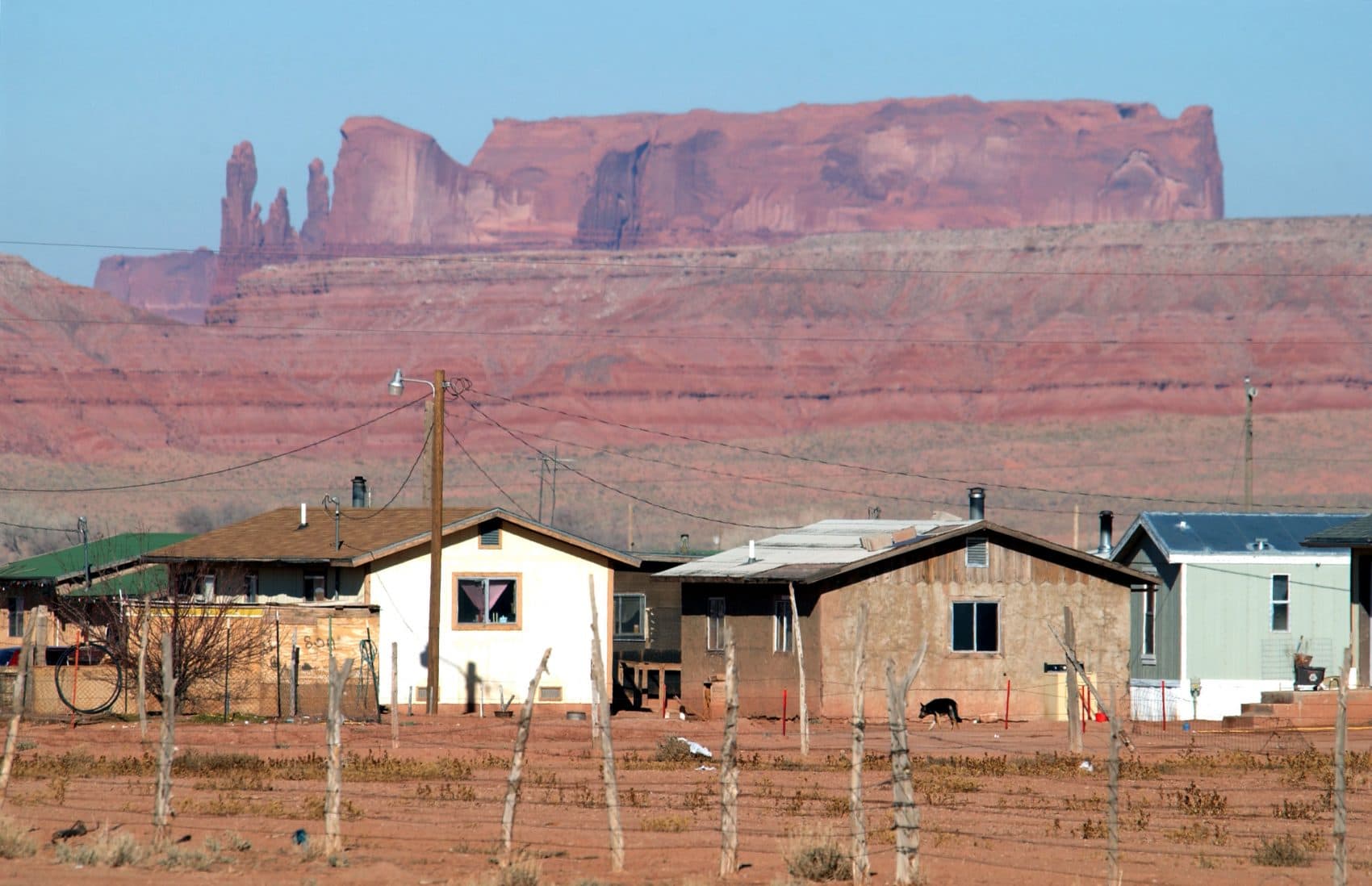
Employment Opportunities: The presence of tribal enterprises, such as casinos, resorts, and manufacturing plants, can create employment opportunities and stimulate economic growth, positively impacting property values. Conversely, high unemployment rates can depress property values.
Infrastructure and Services: Access to essential infrastructure and services, such as roads, utilities, schools, and healthcare facilities, is crucial for attracting residents and businesses. Areas with limited infrastructure may experience lower property values.
Natural Resources: The availability of natural resources, such as oil, gas, timber, and water, can also influence property values. Resource-rich areas may attract development and investment, driving up property values.
Market Perceptions: Perceptions about safety, quality of life, and investment potential can significantly impact property values near Indian Reservations. Negative perceptions can depress property values, while positive perceptions can boost them.
Environmental Concerns: Environmental issues, such as pollution, water scarcity, and natural disasters, can also affect property values. Areas with environmental problems may be less desirable to buyers and renters.
Demand and Supply: Like any real estate market, property values near Indian Reservations are influenced by the forces of supply and demand. Areas with high demand and limited supply tend to have higher property values.
Comparable Sales: Real estate appraisers and agents rely on comparable sales data to determine the fair market value of properties. Analyzing recent sales of similar properties in the area is essential for understanding current market conditions.
Location, Location, Location: The proximity to amenities, schools, and transportation routes significantly impacts property values. Properties located in desirable neighborhoods with convenient access to services tend to command higher prices.
Property Condition and Features: The condition of the property, its size, layout, and features, also play a role in determining its value. Well-maintained properties with modern amenities are generally worth more than those in need of repair or renovation.
Zoning and Land Use Regulations: Zoning ordinances and land use regulations dictate how properties can be used and developed. These regulations can impact property values by limiting the types of activities allowed on a particular site.
Title Issues and Encumbrances: Title issues, such as liens, easements, and boundary disputes, can cloud the ownership of a property and negatively impact its value. It’s essential to conduct a thorough title search before purchasing any property.
Cultural Sensitivity: When buying, selling, or developing properties near Indian Reservations, it’s crucial to be culturally sensitive and respectful of tribal customs and traditions. Engaging with tribal communities and seeking their input can help avoid misunderstandings and build positive relationships.
Environmental Impact: Development projects near Indian Reservations can have significant environmental impacts, such as habitat loss, water pollution, and cultural resource destruction. It’s essential to conduct thorough environmental assessments and mitigate potential impacts.
Socioeconomic Considerations: Development projects can also have socioeconomic impacts on tribal communities, such as displacement, increased traffic, and strain on local services. It’s essential to consider these impacts and work with tribal communities to develop mutually beneficial solutions.
Consult with Experts: Navigating the complexities of real estate near Indian Reservations requires expertise in various fields, including law, finance, and cultural sensitivity. Consulting with qualified professionals can help you make informed decisions and avoid costly mistakes.
Real Estate Attorneys: A real estate attorney can provide legal advice on property rights, zoning regulations, and contract negotiations. They can also help you navigate complex legal issues and protect your interests.
Financial Advisors: A financial advisor can help you assess your financial situation, develop a budget, and explore financing options. They can also provide advice on investment strategies and tax implications.
Tribal Representatives: Engaging with tribal representatives can provide valuable insights into local customs, regulations, and development priorities. Building relationships with tribal communities can help you gain a better understanding of the area and its unique characteristics.
Due diligence is paramount when considering real estate near Indian Reservations. Thoroughly research the legal, economic, and environmental factors that may impact property values. Engage with local communities and seek expert advice to make informed decisions.
Understand the history and cultural context of the area. Respect tribal sovereignty and engage with tribal communities in a meaningful way. Be aware of the potential environmental and socioeconomic impacts of development projects.
Consult with qualified professionals, such as real estate attorneys, financial advisors, and tribal representatives. Their expertise can help you navigate the complexities of the market and avoid costly mistakes.
What are the property tax implications near Indian Reservations? Property tax laws can be complex. Some properties may be exempt from state and local taxes due to federal trust status or tribal agreements. Consult with a tax professional to understand your specific obligations.
Are there restrictions on land use near Indian Reservations? Yes, land use restrictions may exist due to tribal zoning regulations, federal environmental laws, or historical preservation concerns. Research these restrictions carefully before purchasing or developing property.
How does tribal sovereignty affect property rights? Tribal sovereignty grants tribes the right to self-governance, including the power to regulate land use within their reservations. This can affect property rights and development potential in surrounding areas.
What are the potential environmental concerns? Environmental concerns may include water pollution, habitat loss, and cultural resource destruction. Conduct thorough environmental assessments and mitigate potential impacts.
How can I engage with tribal communities? Attend tribal council meetings, participate in community events, and seek opportunities to collaborate on projects. Building relationships with tribal communities can foster mutual understanding and respect.
Conclusion: Property values near Indian Reservations are influenced by a complex interplay of historical, legal, economic, and environmental factors. By understanding these factors and conducting thorough due diligence, you can make informed decisions and navigate this unique real estate landscape successfully. Remember to engage with local communities, seek expert advice, and respect tribal sovereignty.


