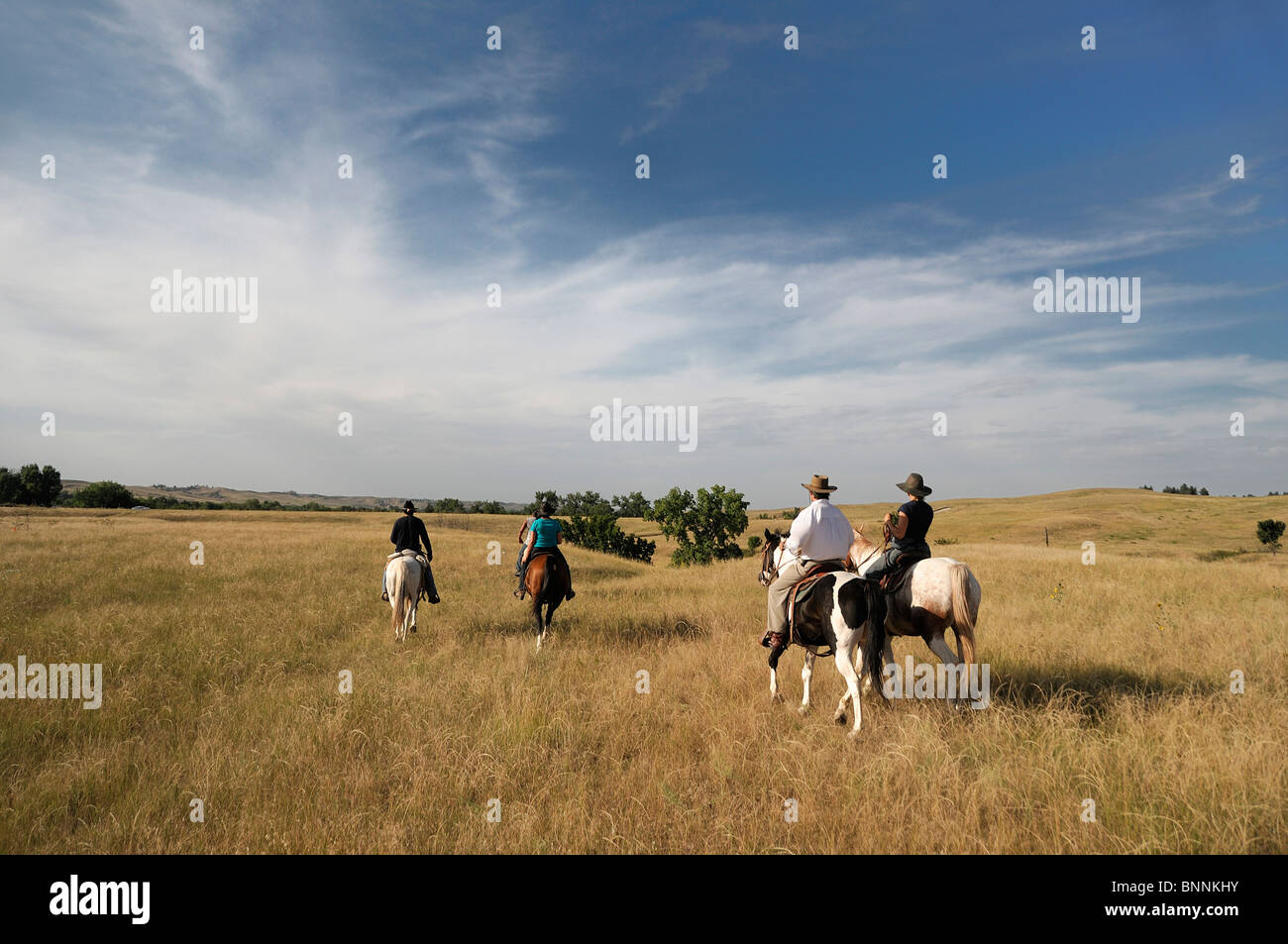
Embarking on a horseback riding tour on an Indian Reservation offers more than just a scenic trail ride; it’s an immersive journey into the heart of indigenous culture, history, and breathtaking landscapes. These unique equestrian adventures provide an unparalleled opportunity to connect with the land, learn from tribal guides, and gain a deeper appreciation for the rich heritage of Native American communities.
Unlike conventional trail rides, tours on tribal lands often carry profound cultural significance. Riders are invited to traverse ancient trails, witness sacred sites, and experience the land from a perspective rooted in centuries of tradition. It’s an intimate encounter, guided by those who know the stories and spirit of the land best.
Choosing a horseback riding tour on an Indian Reservation also represents a significant act of sustainable tourism. By participating, you directly support tribal economies, helping to preserve cultural practices, languages, and livelihoods within these communities. This form of tourism fosters mutual respect and provides authentic experiences that benefit both visitors and residents.
Exploring the Heart of Indigenous Lands
The diverse landscapes across Indian Reservations in the United States offer an incredible variety of riding experiences. From the iconic red rock formations of the Southwest to the rolling hills and pine forests of other regions, each reservation presents its own unique natural beauty and cultural narrative.
Many tribes, recognizing the growing interest in cultural tourism, have developed excellent programs. The Navajo Nation, for instance, is particularly renowned for its horseback riding tours, offering access to some of the most visually stunning and historically significant areas in the American Southwest.
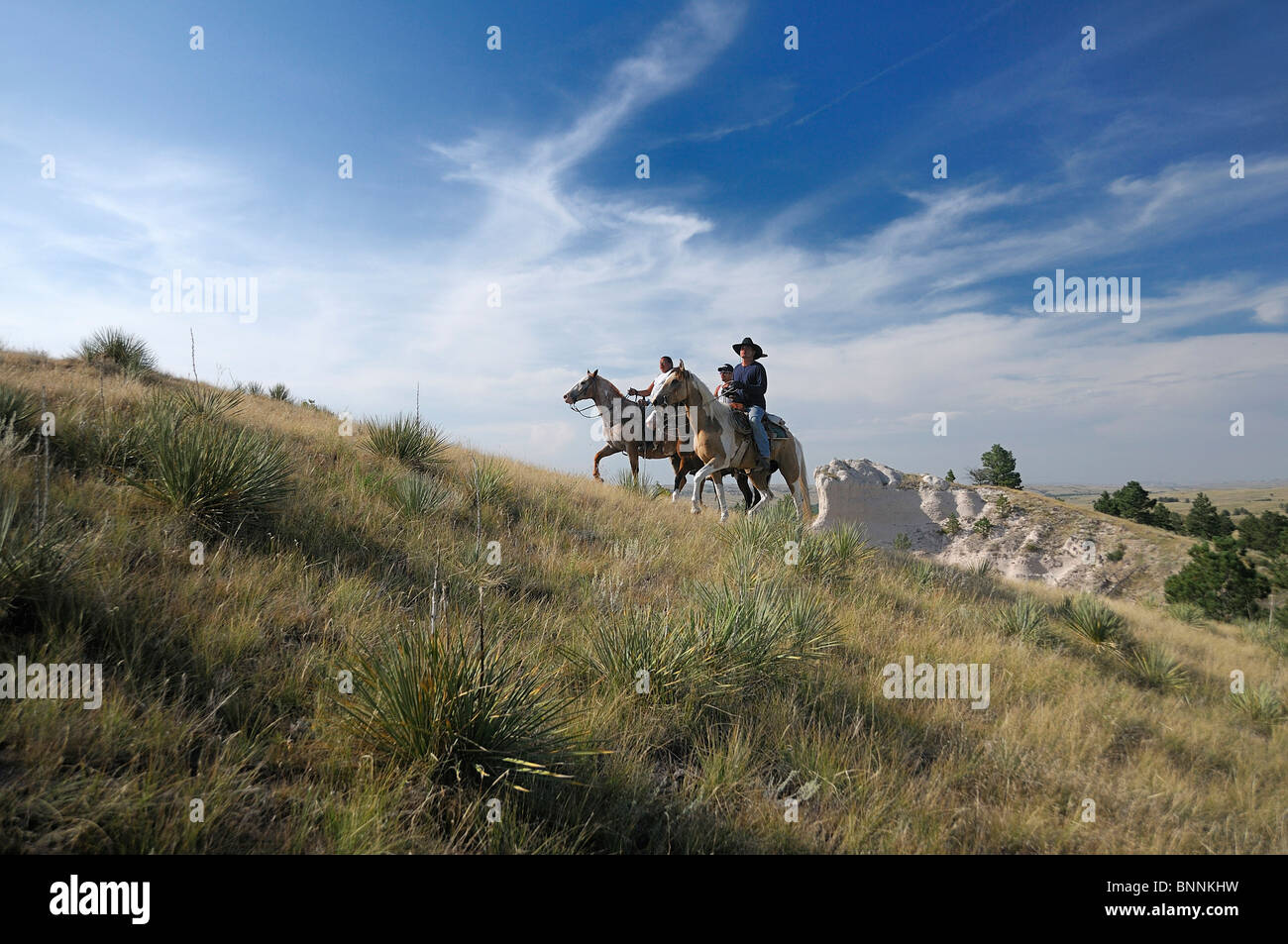
Within the Navajo Nation, destinations like Monument Valley and Canyon de Chelly stand out as prime locations for these equestrian journeys. These aren’t just pretty places; they are living landscapes imbued with generations of Navajo history, spirituality, and resilience.
Monument Valley: A Spiritual Journey
Riding through Monument Valley on horseback is an iconic experience. The towering sandstone buttes and mesas, often seen in classic Western films, take on a new dimension when explored from the saddle. Navajo guides share ancestral stories, explain the significance of various rock formations, and offer insights into their way of life amidst this grand, spiritual landscape.
Canyon de Chelly: Ancient Cliff Dwellings
Canyon de Chelly National Monument offers a dramatically different, yet equally profound, riding experience. Descending into the canyon, riders encounter ancient cliff dwellings, petroglyphs, and lush riparian areas. Local Navajo guides are essential here, as they are the only ones permitted to lead tours into the canyon, providing invaluable context to the archaeological wonders and ongoing cultural connection to the land.
Beyond the Navajo Nation, other tribes also offer remarkable horseback riding opportunities. The Apache tribes in Arizona and New Mexico provide access to rugged mountain terrain and pine forests, while the Lakota Sioux in South Dakota offer rides through the sacred Black Hills, often incorporating aspects of their spiritual connection to the land and the buffalo.
Planning Your Authentic Equestrian Adventure
When planning your tour, it’s crucial to select a reputable and tribally-owned or licensed operator. This ensures that your visit is respectful, ethical, and directly benefits the local community. Look for operators with strong reviews and clear communication about their cultural practices and safety protocols.
What can you expect on one of these tours? Generally, you’ll be paired with a well-trained horse suitable for your experience level. Guides are typically members of the tribe, sharing personal anecdotes, historical facts, and ecological insights. The pace is often relaxed, allowing ample time to absorb the surroundings and learn.
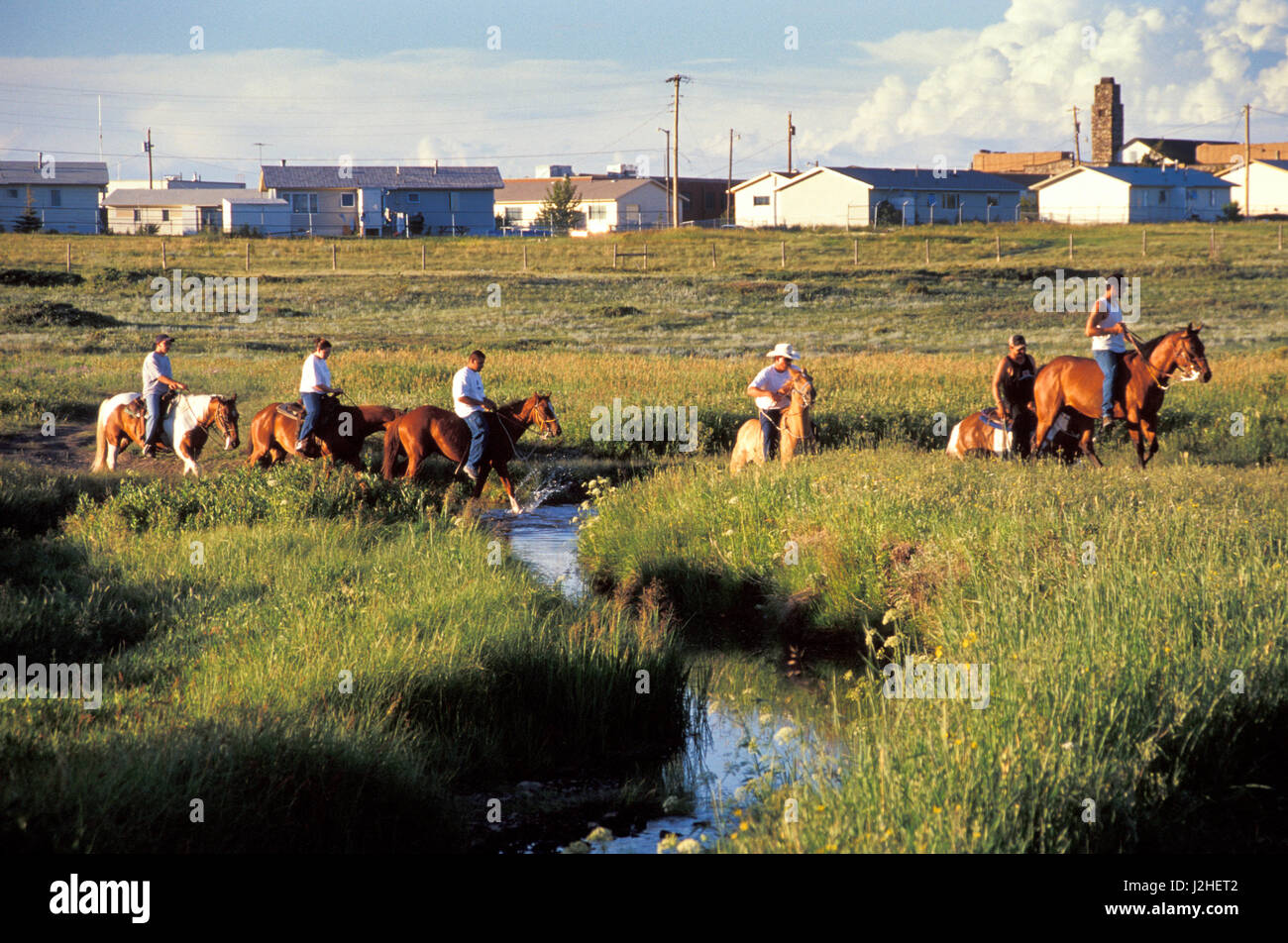
Tours can range from a few hours to multi-day excursions, catering to various fitness levels and time commitments. Many operators accommodate beginners, providing basic riding instruction, while more experienced riders might find opportunities for longer, more challenging treks.
Booking your tour in advance, especially during peak season, is highly recommended. Many tribal tour operators have websites or can be contacted directly. Don’t hesitate to ask questions about the tour’s duration, what’s included, and any specific cultural considerations.
Essential Preparation for Your Ride
Proper attire is key for comfort and safety. Always wear long pants (jeans are ideal) to prevent chafing, and sturdy, closed-toe shoes or boots with a low heel. Layers are advisable, as weather conditions can change quickly, especially in desert or mountainous environments. A wide-brimmed hat can protect you from the sun.
Bring plenty of water, sunscreen, and sunglasses. A camera is a must, but remember to be mindful of photography etiquette, especially around sacred sites or when photographing people. A small backpack can hold essentials, and some operators might provide saddlebags.
While extensive riding experience isn’t usually required, a basic level of physical fitness is beneficial. You’ll be spending time in the saddle, and some tours may involve uneven terrain. Inform your guide of any medical conditions or concerns beforehand.
Safety is paramount. Guides will provide a safety briefing before the ride, explaining how to interact with your horse and navigate the trails. Helmets are often offered or required, especially for younger riders. Trust your guide’s expertise and follow their instructions diligently.
Understanding Cultural Etiquette and Respect
Visiting tribal lands is a privilege, and demonstrating respect for the culture, land, and people is essential. Always listen carefully to your guides. They are sharing their heritage with you, and their knowledge is invaluable. Avoid wandering off designated trails, as many areas hold spiritual significance or are considered private.
When it comes to photography, always ask for permission before taking pictures of individuals, especially children. Some sacred sites may have restrictions on photography, which your guide will communicate. Respect these guidelines without question.
Engage with your guides respectfully. Ask thoughtful questions about their culture, history, and the land. Their willingness to share is a gift, and a genuine interest fosters a deeper connection and understanding.
Consider purchasing authentic crafts or artwork directly from tribal artisans. This is another way to support the local economy and take home a meaningful souvenir that directly benefits the community.
Answering Your Most Asked Questions
Are these tours ethical? Yes, when you choose tribally-owned or licensed operators that prioritize cultural preservation, environmental stewardship, and fair economic practices. Researching your tour provider is key.
What tribes offer horseback riding? While the Navajo Nation is prominent, other tribes like the Apache, Lakota Sioux, Hopi, Ute, and several others across various states offer unique equestrian experiences. It’s best to research specific regions you’re interested in.
How much do these tours cost? Prices vary widely based on duration, location, and inclusions. A short two-hour ride might cost $75-$150, while multi-day expeditions can range from $500 to several thousand dollars. Always confirm pricing and what’s included before booking.
Is previous riding experience necessary? For most introductory tours, no. Operators often have horses suitable for beginners and provide basic instruction. However, more advanced or multi-day treks may require some prior experience.
What about age or weight restrictions? Most operators have minimum age requirements (e.g., 6 or 8 years old) and sometimes maximum weight limits for the safety of both riders and horses. Always check with the specific tour provider before booking.
Can I bring my own horse? Generally, no. Public tours on Indian Reservations typically use their own herd of horses, which are accustomed to the terrain and guided routes. Private arrangements would be exceptional and require direct tribal permission.
The Unforgettable Benefits of a Tribal Horseback Tour
Participating in a horseback riding tour on an Indian Reservation offers a profound opportunity for deepened cultural understanding. You’re not just observing; you’re engaging with living history and experiencing the land through the eyes of its original custodians.
The connection with nature is palpable. Riding through vast, unspoiled landscapes, away from paved roads and crowds, allows for a unique sense of peace and wonder. The silence, broken only by the hooves of horses and the whisper of the wind, is truly restorative.
These journeys often foster personal growth and reflection. The combination of physical activity, cultural immersion, and stunning natural beauty can be a powerful catalyst for introspection and a renewed appreciation for the world around us.
Ultimately, a horseback riding tour on an Indian Reservation creates lasting memories. It’s an adventure that transcends typical tourism, offering a rare glimpse into a vibrant culture and an enduring bond with the land. It’s an experience that will stay with you long after you dismount.
In conclusion, choosing a horseback riding tour on an Indian Reservation is an exceptional way to explore America’s breathtaking landscapes while fostering a deep respect for Native American heritage. By selecting ethical operators and engaging with an open mind and heart, you contribute to sustainable tourism and embark on an adventure that is as enriching culturally as it is visually spectacular. Saddle up for an unforgettable journey into history and natural beauty.


