Exploring the diverse landscapes and rich cultural heritage of the United States often leads travelers to discover unique intersections of natural beauty and human history. A particularly compelling experience awaits those who seek out state parks near Indian reservations.
These areas offer an unparalleled opportunity to engage with both stunning natural environments and the vibrant, enduring cultures of Native American communities. It’s a journey that promises not just scenic vistas, but also profound educational insights and a deeper understanding of America’s indigenous roots.
Visiting state parks adjacent to tribal lands provides a chance to witness the intricate relationship between people and place, often spanning millennia. These regions are frequently characterized by exceptional biodiversity, unique geological formations, and a deep sense of spiritual connection.
However, embarking on such a journey requires a mindful approach. Understanding the historical context, respecting tribal sovereignty, and practicing responsible tourism are paramount to ensuring a positive experience for both visitors and host communities.
This comprehensive guide will delve into the nuances of exploring state parks near Indian reservations, offering insights into what to expect, how to prepare, and why these destinations are so profoundly enriching.
Why Focus on State Parks Near Indian Reservations?

The proximity of state parks to tribal lands creates a unique synergy. State parks are managed by state governments, typically focusing on conservation, recreation, and public access. Indian reservations, on the other hand, are sovereign territories governed by federally recognized tribal nations.
This adjacency means that visitors can often explore a state park’s natural wonders and then, with appropriate planning and respect, learn about or even visit adjacent tribal lands or cultural centers.
It’s an opportunity to move beyond mere sightseeing and engage in a form of cultural tourism that supports local economies and fosters cross-cultural understanding. These areas are often less commercialized than other tourist destinations, offering a more authentic and impactful experience.
Understanding Tribal Sovereignty and Respectful Engagement
A fundamental aspect of visiting these regions is recognizing and respecting tribal sovereignty. Native American reservations are not ‘public lands’ in the same sense as state or national parks. They are distinct nations with their own laws, governments, and cultural protocols.
Access to tribal lands, cultural sites, or events often requires specific permission, permits, or adherence to designated visitor policies. It is crucial to research the specific tribal nation and their visitor guidelines before planning any visit to their lands.
When visiting state parks in the vicinity, always be aware of boundary lines. If you are unsure whether you are on state park land or tribal land, err on the side of caution and consult local signage or visitor centers.
Common Questions: Are State Parks and Tribal Lands the Same?
No, they are not the same. State parks are managed by state governments and are open to the public under state regulations. Tribal lands (reservations) are sovereign territories of Native American nations, governed by tribal law, and access is at the discretion of the tribal government.
Can I Visit Tribal Lands Without Permission?
Generally, no. Most tribal lands require specific permission or adherence to established visitor protocols. Some areas may be entirely off-limits to non-tribal members. Always check with the specific tribal nation’s tourism office or website before attempting to enter or explore their lands.
What Are Some Examples of Such Parks and Reservations?
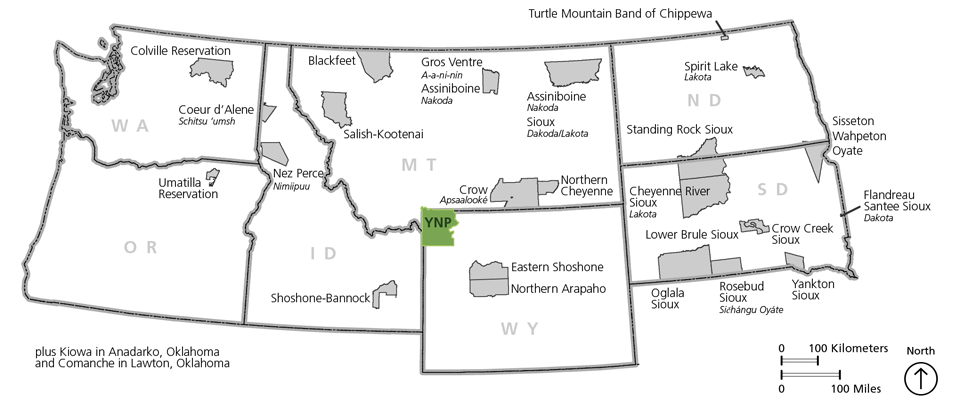
- Southwest United States: In states like Arizona, New Mexico, and Utah, many state parks are close to vast reservations such as the Navajo Nation, Hopi, Zuni, and various Apache and Pueblo lands. For example, Dead Horse Point State Park in Utah offers breathtaking views of the Colorado River, not far from the Ute Mountain Ute Reservation.
- Pacific Northwest: Washington and Oregon have state parks near Coast Salish, Nez Perce, Umatilla, and Yakama tribal lands. Exploring these areas can reveal ancient fishing grounds, petroglyphs, and vital ecological zones.
- Midwest: States like Wisconsin, Minnesota, and Michigan feature state parks near Anishinaabe (Ojibwe), Ho-Chunk, and Potawatomi reservations, offering opportunities to learn about forest management, traditional hunting, and water stewardship.
- California: With numerous federally recognized tribes, California has many state parks adjacent to tribal lands, providing insights into diverse indigenous cultures and their deep connection to the state’s unique ecosystems.
- Southeast: In Florida, state parks can be found near Seminole and Miccosukee reservations, where visitors can learn about the history and resilience of these nations in the Everglades region.
Planning Your Trip: Essential Considerations
- Research Thoroughly: Identify the specific tribal nation whose lands are adjacent to your chosen state park. Visit their official website for visitor information, cultural centers, tours, and any required permits or fees.
- Guided Tours: Many tribal nations offer guided tours, cultural experiences, or educational programs. These are often the best and most respectful ways to learn about their history, traditions, and lands.
- Respect Sacred Sites: If you are fortunate enough to visit areas considered sacred, treat them with the utmost reverence. Do not touch, disturb, or remove anything. Photography may be restricted in certain areas.
- Support Local Economies: Purchase authentic crafts, art, or services directly from tribal members. Dine at tribally owned restaurants. Your tourism dollars can directly benefit these communities.
- Leave No Trace: As always, practice Leave No Trace principles in both state parks and any tribal lands you are permitted to visit. Pack out everything you pack in, stay on marked trails, and respect wildlife.
- Seasonal Considerations: Some tribal lands or state parks may have seasonal closures or specific event schedules, so check ahead.
- Cultural Centers and Museums: Many reservations have excellent cultural centers or museums that provide invaluable historical context and contemporary perspectives. These are highly recommended stops.
- Language and Communication: While English is widely spoken, learning a few phrases in the local indigenous language, if applicable, can be a sign of respect. Always be polite and open to learning.
The Importance of Cultural Preservation and Education
These unique locations serve as vital educational hubs. They highlight the ongoing efforts of tribal nations to preserve their languages, traditions, and ancestral lands. By visiting responsibly, you become a part of supporting these efforts.
The stories held within these landscapes—of resilience, adaptation, and profound spiritual connection—offer invaluable lessons for all. It’s an opportunity to move beyond textbook history and experience living cultures.
Engaging with Native Communities: Beyond the Park Gates
Beyond the natural beauty of state parks, the true richness of these experiences often lies in the potential for interaction with native communities. Look for opportunities to attend public cultural events, powwows, or artisan markets, always with respect for local customs.
Remember that these are living, breathing communities, not historical reenactments. Treat every interaction with courtesy, humility, and genuine interest.
Environmental Stewardship and Shared Landscapes
Many indigenous cultures hold deep-seated principles of environmental stewardship, viewing themselves as caretakers of the land. This perspective often aligns with the conservation goals of state parks.
By exploring these areas, visitors can gain a greater appreciation for sustainable practices and the interconnectedness of all living things, a lesson often taught through the lens of traditional ecological knowledge.
The landscapes themselves, from ancient forests to desert canyons, are often integral to tribal identity and cultural practices. Recognizing this deep connection enhances the visitor’s experience.
Conclusion: A Journey of Respect and Discovery
Visiting state parks near Indian reservations offers a truly unique and enriching travel experience. It’s an invitation to explore magnificent natural settings while simultaneously engaging with the enduring cultures and histories of America’s first peoples.
By approaching these journeys with respect, humility, and a genuine desire to learn, travelers can foster meaningful connections, support tribal economies, and contribute to the ongoing preservation of indigenous heritage.
These are not just destinations; they are gateways to understanding, bridging the past and present, and offering a profound sense of place that resonates long after the journey ends. Plan your visit thoughtfully, and prepare for an unforgettable exploration.
Remember, responsible tourism is key to ensuring that these special places and their vibrant cultures thrive for generations to come.


