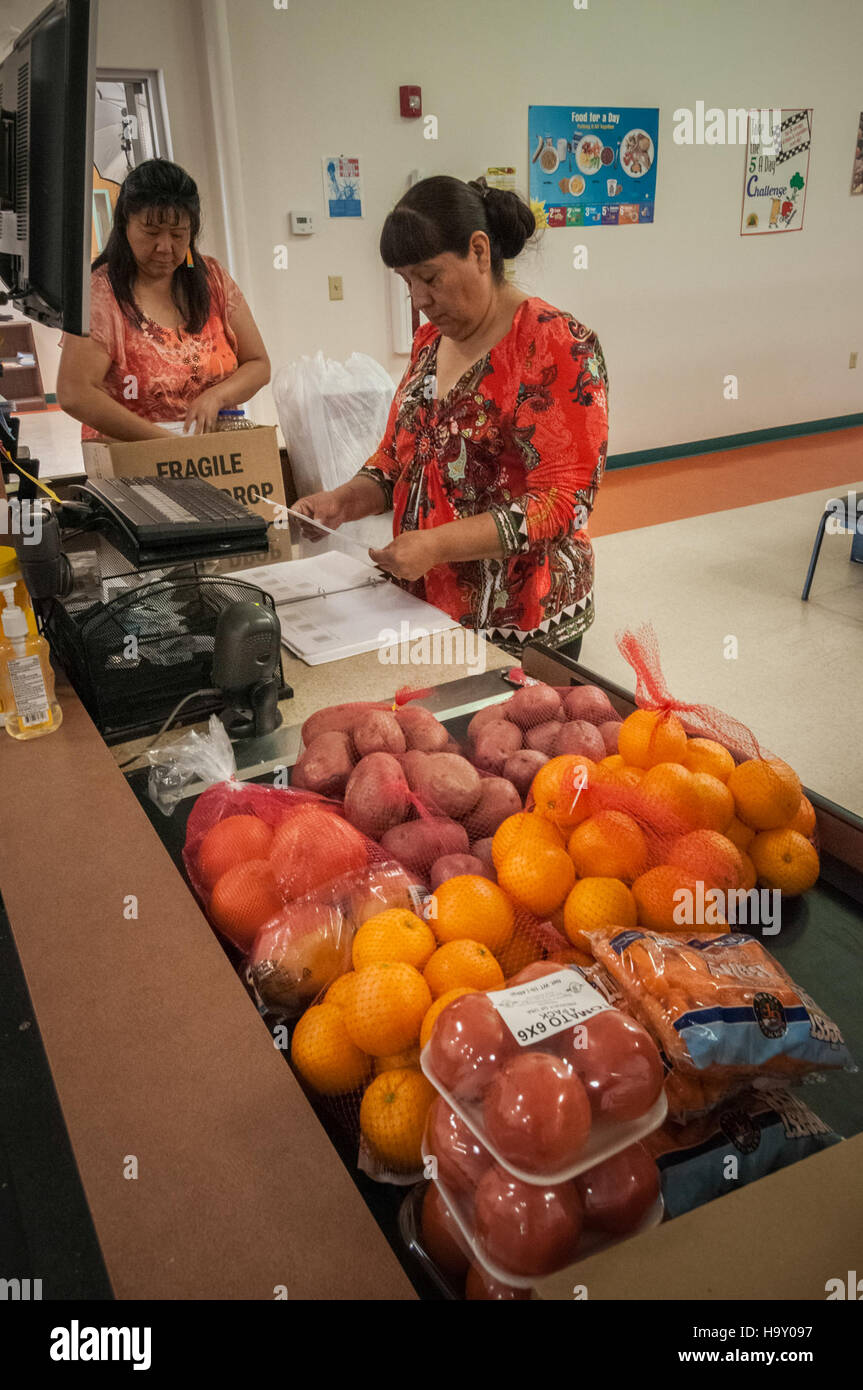
Food security is a fundamental human right, yet for many communities across the globe, and significantly within the United States, it remains an elusive goal. This challenge is particularly acute and complex on Indian Reservations, where historical injustices, geographical isolation, and socio-economic factors have created persistent food insecurity.
This comprehensive guide will explore the multifaceted issue of food security on Indian Reservations, delving into the unique challenges faced by Native American communities and highlighting the diverse array of programs, initiatives, and solutions being implemented to address this critical need.
Understanding the historical context is paramount to grasping the current state of food insecurity. Centuries of forced relocation, land dispossession, and the systematic dismantling of traditional food systems have profoundly impacted Indigenous communities’ ability to feed themselves.
Traditional Native American food systems were once robust, diverse, and self-sustaining, deeply intertwined with cultural identity, spiritual practices, and ecological knowledge. The disruption of these systems led to a reliance on government-provided, often unhealthy, commodity foods.
Today, many reservations are characterized as ‘food deserts,’ areas with limited access to affordable and nutritious food. Residents often have to travel long distances to reach grocery stores, making healthy eating a logistical and financial burden.
Poverty and high unemployment rates are significant contributors to food insecurity. Without sufficient income, families struggle to afford fresh produce, lean proteins, and other essential healthy foods, often resorting to cheaper, processed alternatives.
Lack of adequate infrastructure, including reliable transportation, refrigeration, and local food retail outlets, further exacerbates the problem, creating barriers to both food access and the development of local food economies.
The health consequences of chronic food insecurity and a reliance on processed foods are severe. Native American communities face disproportionately high rates of diet-related diseases such as type 2 diabetes, heart disease, and obesity.
Federal Programs: A Safety Net with Challenges
The U.S. government operates several key programs designed to combat food insecurity, many of which extend to Indian Reservations. However, their implementation and effectiveness often face unique challenges within tribal contexts.
One of the most significant is the Food Distribution Program on Indian Reservations (FDPIR). This program provides USDA-purchased foods to low-income households living on Indian Reservations and to Native American families residing in designated areas near reservations.
FDPIR offers an alternative to the Supplemental Nutrition Assistance Program (SNAP), providing a monthly package of nutritious foods. While vital, the selection can sometimes be limited, and the logistics of distribution can be complex for remote communities.
The Supplemental Nutrition Assistance Program (SNAP), formerly known as food stamps, also plays a role. However, barriers such as limited access to SNAP offices, technological hurdles for online applications, and a lack of awareness can hinder participation on reservations.
The Special Supplemental Nutrition Program for Women, Infants, and Children (WIC) provides nutritious foods, nutrition education, and healthcare referrals to low-income pregnant women, new mothers, infants, and young children. WIC clinics on or near reservations are crucial for supporting vulnerable populations.
Child nutrition programs, including the National School Lunch Program and School Breakfast Program, are critical for ensuring that Native American children receive nutritious meals during the school day, alleviating some of the burden on families.
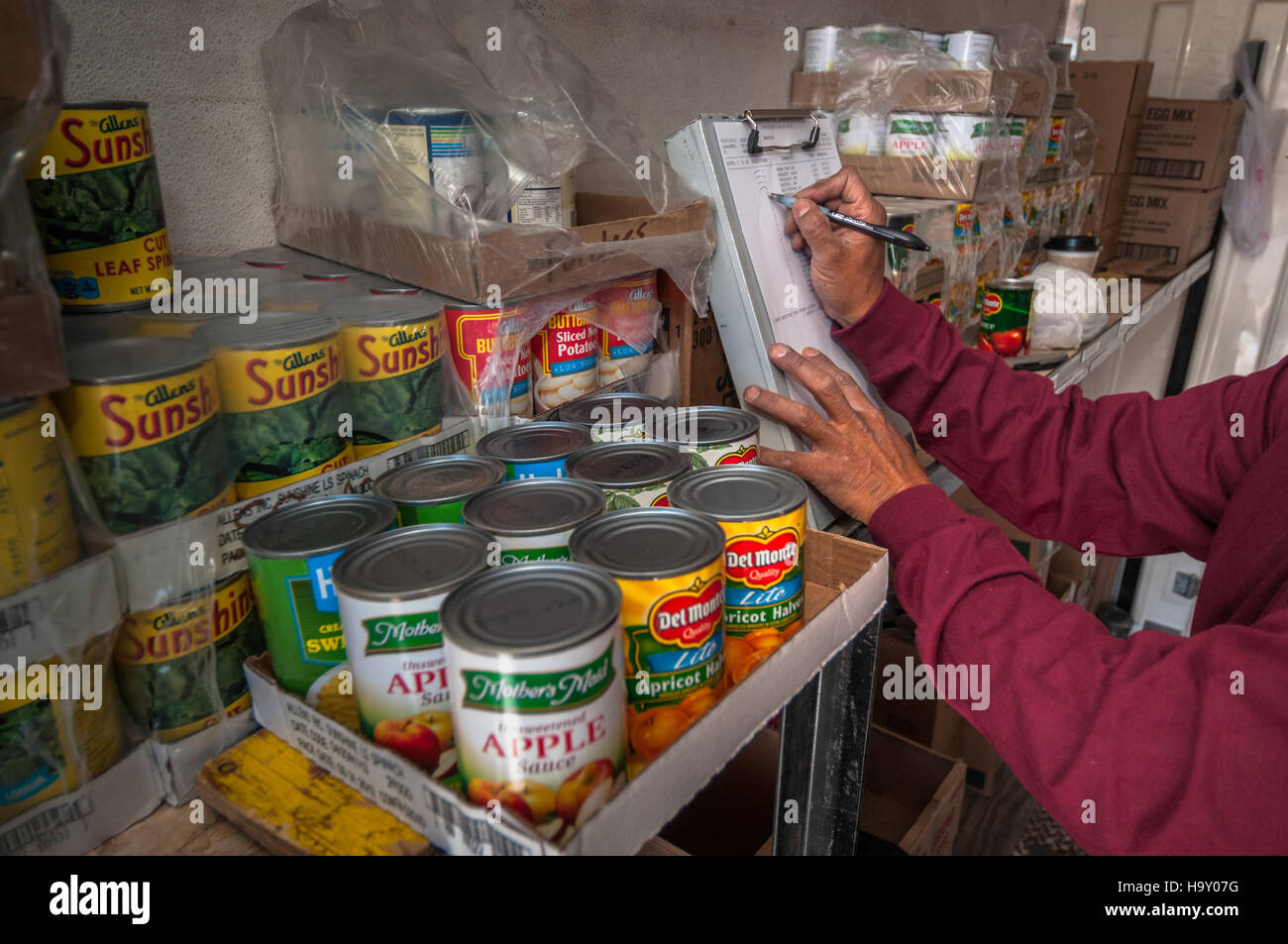
The Farm Bill, a comprehensive piece of legislation renewed approximately every five years, contains numerous provisions that impact tribal food systems, including grants for tribal land conservation, farmer’s markets, and nutrition education.
Tribal-Led Initiatives: Reclaiming Food Sovereignty
Beyond federal programs, a powerful movement for food sovereignty is gaining momentum across Indian Country. Food sovereignty is the right of peoples to healthy and culturally appropriate food produced through ecologically sound and sustainable methods, and their right to define their own food and agriculture systems.
This movement emphasizes self-determination, traditional knowledge, and community control over food systems. Tribal nations are actively working to rebuild and revitalize their food ways, often integrating traditional practices with modern sustainable agriculture.
Traditional food revitalization projects are central to this effort. Tribes are restoring buffalo herds, cultivating ancestral crops like corn, beans, and squash, and promoting traditional hunting, fishing, and foraging practices. These initiatives not only improve nutrition but also strengthen cultural identity.
The establishment of tribal farms and community gardens is a growing trend. These initiatives provide fresh produce, foster agricultural skills, create local jobs, and serve as educational hubs for all generations, reconnecting youth with the land and traditional growing methods.
Many tribes are developing their own farmers’ markets, food hubs, and tribal grocery stores to create direct access to healthy, locally grown food, bypassing external supply chains that often fail to serve reservation communities adequately.
Youth engagement is a critical component of food sovereignty. Programs that teach gardening, cooking, and traditional food preparation to younger generations are vital for ensuring the long-term sustainability of these efforts and passing down invaluable knowledge.
Partnerships with non-profit organizations, universities, and other government agencies are also instrumental in providing resources, technical assistance, and funding for tribal food security initiatives, amplifying their impact.
Addressing Common Questions (People Also Ask)
What are the main causes of food insecurity on Indian reservations? The causes are multi-faceted, including historical trauma, poverty, geographic isolation (food deserts), lack of infrastructure, and the erosion of traditional food systems.
How do federal food programs support Native American communities? Programs like FDPIR, SNAP, and WIC provide essential nutritional support, but they often require adaptation and more culturally sensitive implementation to be fully effective.
What is food sovereignty in the context of Native American tribes? It’s the inherent right of tribes to govern their own food systems, produce culturally relevant foods, and ensure healthy diets for their people, rooted in self-determination and traditional ecological knowledge.
Are there specific programs for traditional foods on reservations? While federal programs like FDPIR have made efforts to include traditional foods, many of the most impactful initiatives are tribal-led, focusing on bison restoration, traditional crop cultivation, and wild harvesting.
What challenges do tribes face in accessing healthy food? Challenges include long distances to stores, high prices, limited transportation, lack of local food retail, and the prevalence of unhealthy, processed options in convenience stores.
The Path Forward: Sustained Efforts and Collaboration
Achieving true food security on Indian Reservations requires a holistic and sustained approach. This includes increased and flexible funding for tribal initiatives, policy reforms that support tribal self-determination in food systems, and continued investment in infrastructure.
Empowering tribal nations to lead their own food systems, respecting traditional ecological knowledge, and fostering community resilience are key elements. Education, both about nutrition and traditional food ways, remains a powerful tool.
Supporting economic development on reservations, creating jobs, and improving transportation infrastructure will also indirectly but significantly impact food security by enhancing access and affordability.
Ultimately, the goal is not just to alleviate hunger but to restore health, cultural vitality, and economic self-sufficiency within Native American communities through robust and resilient food systems.
Conclusion: A Collective Commitment to Nourishment
Food security on Indian Reservations is a complex issue requiring a multi-pronged approach that respects tribal sovereignty and cultural heritage. From vital federal assistance programs to the powerful movement of tribal-led food sovereignty initiatives, efforts are underway to build healthier, more resilient communities.
The journey towards complete food security and sovereignty is ongoing, demanding continued commitment, resources, and collaboration from all levels of government, non-profit organizations, and, most importantly, the Indigenous communities themselves. By supporting these programs and understanding their profound importance, we contribute to a future where every Native American family has consistent access to nutritious, culturally appropriate food.
Investing in food security on reservations is an investment in health, culture, and the future of Indigenous nations, fostering resilience and well-being for generations to come.


