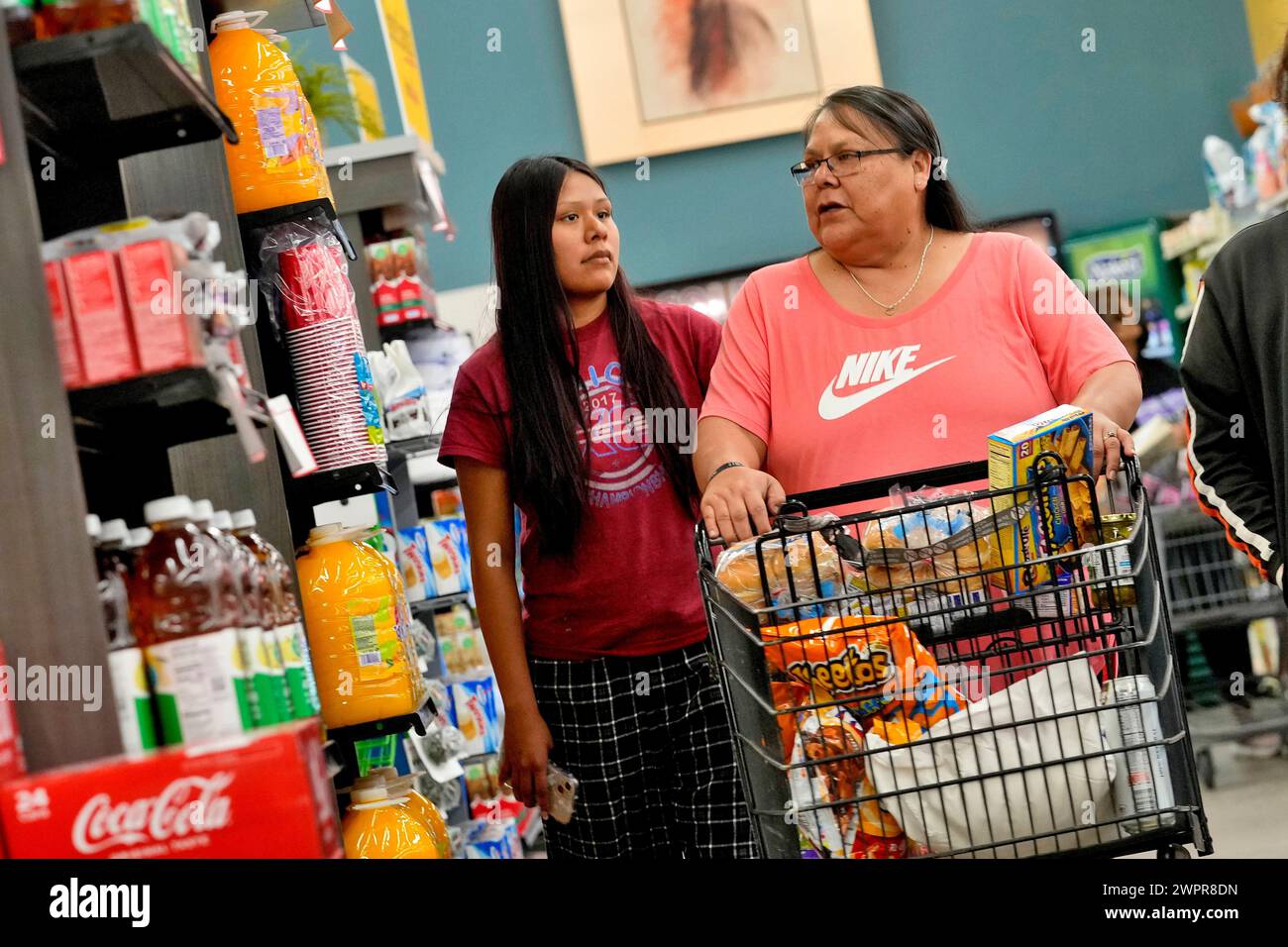
The presence of grocery stores on Indian reservations is a critical issue impacting the health, economy, and self-determination of Native American communities. Often located in remote areas, reservations frequently face challenges related to food access, leading to food deserts and a reliance on less healthy, more expensive options. This article delves into the complexities of grocery stores on Indian reservations, exploring the underlying issues, ongoing initiatives, and the path towards food sovereignty.
Understanding the Landscape: Food Deserts and Food Access
Many Indian reservations are located in geographically isolated areas, far from major urban centers and established supply chains. This isolation contributes significantly to the problem of food deserts, where residents have limited access to affordable and nutritious food. The lack of grocery stores means that community members must travel long distances to obtain fresh produce, meat, and other essential food items.
What is a Food Desert? A food desert is defined as an area where residents have limited access to affordable and nutritious food. This is often due to a lack of grocery stores, farmers’ markets, and other healthy food retailers within a reasonable distance.
- Poor Nutrition: Limited access to fresh produce and healthy foods leads to diets high in processed foods, sugar, and unhealthy fats.
- Health Disparities: Poor nutrition contributes to higher rates of obesity, diabetes, heart disease, and other chronic health conditions.
- Economic Strain: Residents often pay higher prices for food at convenience stores or gas stations, further straining already limited financial resources.
- Reduced Food Security: The lack of reliable food sources makes communities vulnerable to food shortages and price fluctuations.
The Historical Context: Federal Policies and Their Impact
The current state of food access on Indian reservations is deeply rooted in historical federal policies and systemic inequities. Treaties, land dispossession, and forced relocation have disrupted traditional food systems and undermined the ability of Native American communities to sustain themselves.
Treaty Rights and Food Security: Many treaties between the U.S. government and Native American tribes included provisions related to hunting, fishing, and gathering rights. However, these rights have often been violated or restricted, limiting access to traditional food sources.
The Commodity Food Program: The USDA’s Food Distribution Program on Indian Reservations (FDPIR) was established to provide food assistance to low-income households on reservations. While this program provides essential support, it has also been criticized for offering limited choices and often unhealthy food options.
The Role of Tribal Governments and Community Initiatives
In response to the challenges of food deserts and food insecurity, many tribal governments and community organizations are taking proactive steps to improve food access and promote food sovereignty.
Tribal Grocery Stores: Some tribes have established their own grocery stores to provide affordable and nutritious food to their members. These stores are often operated as tribal enterprises, reinvesting profits back into the community.
Community Gardens and Farmers’ Markets: Community gardens and farmers’ markets are gaining popularity on reservations, providing access to fresh produce and promoting healthy eating habits. These initiatives also offer opportunities for education, skill-building, and community engagement.
Traditional Food Revitalization: Many tribes are working to revitalize traditional food systems, including hunting, fishing, gathering, and agriculture. These efforts aim to restore cultural practices, promote food security, and improve community health.
Challenges in Establishing and Maintaining Grocery Stores
Financial Constraints: Access to capital is often limited on reservations, making it difficult to secure funding for construction, equipment, and inventory.
Infrastructure Deficiencies: Many reservations lack adequate infrastructure, including roads, water, and electricity, which can hinder the operation of grocery stores.
Supply Chain Issues: Remote locations and limited transportation options can make it difficult to maintain a reliable supply of fresh produce and other perishable goods.
Management and Expertise: Operating a successful grocery store requires specialized knowledge and skills, which may be lacking in some communities.
Success Stories: Models for Sustainable Grocery Stores
The Navajo Nation: The Navajo Nation operates several grocery stores throughout its vast territory, providing access to food and employment opportunities for tribal members.
The White Earth Reservation: The White Earth Reservation in Minnesota has established a cooperative grocery store that focuses on locally sourced and organic foods.
The Pine Ridge Reservation: The Pine Ridge Reservation in South Dakota is home to several community gardens and farmers’ markets that provide fresh produce to residents.
The Importance of Food Sovereignty
Food sovereignty is the right of peoples to healthy and culturally appropriate food produced through ecologically sound and sustainable methods, and their right to define their own food and agriculture systems. For Native American communities, food sovereignty is closely linked to self-determination, cultural preservation, and community health.
Reclaiming Control Over Food Systems: Food sovereignty empowers tribes to reclaim control over their food systems, from production to distribution. This includes the right to make decisions about what foods are grown, how they are processed, and how they are distributed.
Promoting Cultural Preservation: Traditional foods are an integral part of Native American cultures and identities. By revitalizing traditional food systems, tribes can preserve their cultural heritage and strengthen their communities.
Improving Community Health: Food sovereignty promotes access to healthy, culturally appropriate foods, which can improve nutrition and reduce the risk of chronic diseases.
Addressing Common Concerns (People Also Ask)
Why are there so few grocery stores on Indian reservations? The lack of grocery stores on Indian reservations is due to a combination of factors, including remote locations, limited access to capital, infrastructure deficiencies, and historical federal policies.
What is the Food Distribution Program on Indian Reservations (FDPIR)? The FDPIR is a USDA program that provides food assistance to low-income households on reservations. While it provides essential support, it has been criticized for offering limited choices and often unhealthy food options.
How can tribal governments improve food access on reservations? Tribal governments can improve food access by establishing tribal grocery stores, supporting community gardens and farmers’ markets, revitalizing traditional food systems, and advocating for policies that promote food sovereignty.
What is food sovereignty and why is it important for Native American communities? Food sovereignty is the right of peoples to healthy and culturally appropriate food produced through ecologically sound and sustainable methods. It is important for Native American communities because it empowers them to reclaim control over their food systems, preserve their cultural heritage, and improve community health.
What are the health implications of limited access to grocery stores on reservations? Limited access to grocery stores leads to poor nutrition, which contributes to higher rates of obesity, diabetes, heart disease, and other chronic health conditions.
The Path Forward: Collaborative Solutions and Policy Recommendations
- Increased Funding: Increase federal funding for tribal grocery stores, community gardens, and other food-related initiatives.
- Infrastructure Development: Invest in infrastructure improvements on reservations, including roads, water, and electricity.
- Technical Assistance: Provide technical assistance to tribal governments and community organizations on grocery store management, food production, and supply chain logistics.
- Policy Reform: Reform federal policies to support tribal sovereignty and promote access to traditional foods.
- Public-Private Partnerships: Encourage public-private partnerships to leverage resources and expertise.
Conclusion: Empowering Communities Through Food Access
The issue of grocery stores on Indian reservations is a multifaceted challenge that requires a comprehensive and collaborative approach. By addressing the underlying causes of food deserts, promoting food sovereignty, and investing in community-led solutions, we can empower Native American communities to improve their health, economy, and self-determination. Access to affordable, nutritious, and culturally appropriate food is a fundamental right, and it is essential that we work together to ensure that all communities have the opportunity to thrive.
- Food deserts are a significant problem on Indian reservations, leading to poor nutrition and health disparities.
- Historical federal policies have contributed to the current state of food access on reservations.
- Tribal governments and community organizations are taking proactive steps to improve food access and promote food sovereignty.
- Establishing and maintaining grocery stores on reservations can be challenging due to financial constraints, infrastructure deficiencies, and supply chain issues.
- Food sovereignty is essential for empowering Native American communities to reclaim control over their food systems, preserve their cultural heritage, and improve community health.


