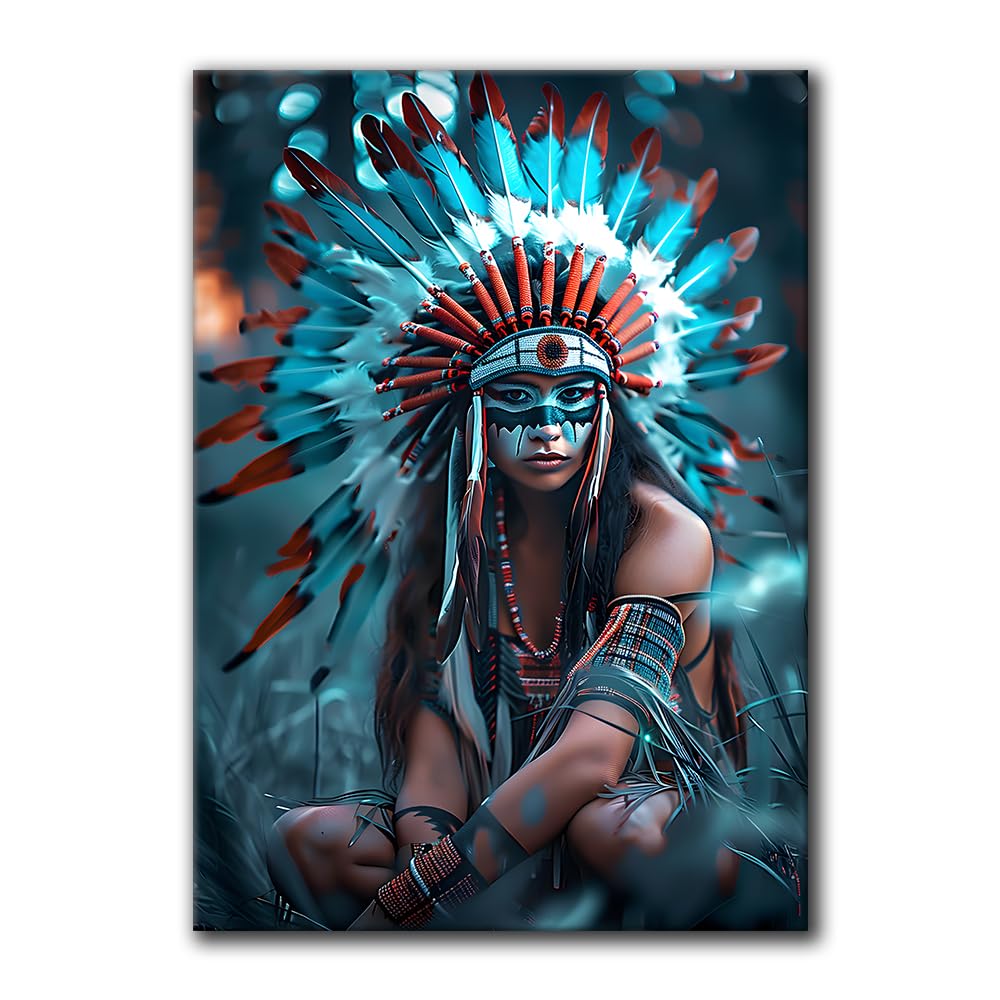
For centuries, Native American art has captivated the world with its beauty, symbolism, and deep cultural significance. Purchasing authentic Native American art is not only a way to acquire a unique piece but also a way to support Native American artisans and communities directly. One of the most reliable ways to ensure authenticity and provide direct support is to buy art directly from reservations. This article explores where and how to buy authentic Native American art on reservations, ensuring you get a genuine piece while contributing to the economic well-being of Native American artists.
Why Buy Native American Art on Reservations?
Authenticity: Purchasing on reservations significantly reduces the risk of buying counterfeit or mass-produced items. You’re more likely to find genuine, handcrafted pieces made by tribal members.
Direct Support: Your money goes directly to the artists and their communities, helping to sustain their cultural heritage and economic stability.
Cultural Immersion: Visiting reservations provides an opportunity to learn about the art’s cultural context and the artists’ stories, enriching your appreciation of the artwork.
Unique Finds: Reservations often feature art that is not available elsewhere, offering unique and rare pieces.
Finding Authentic Native American Art on Reservations
Southwest Region
The Southwest is home to numerous tribes with rich artistic traditions, including the Navajo, Hopi, Zuni, and Pueblo peoples.
Navajo Nation: The Navajo Nation, spanning parts of Arizona, New Mexico, and Utah, is famous for its intricate Navajo rugs, silver jewelry, and pottery. Visit trading posts within the reservation, such as the historic Hubbell Trading Post National Historic Site, to find authentic pieces. Look for the ‘Navajo Arts and Crafts Enterprise’ certification to ensure authenticity.
Hopi Reservation: Located in northeastern Arizona, the Hopi Reservation is known for its Kachina dolls, pottery, and basketry. The Hopi Cultural Center offers a selection of authentic art, and visiting during tribal ceremonies can provide opportunities to see artists at work.
Zuni Pueblo: In western New Mexico, the Zuni Pueblo is celebrated for its intricate stone carvings, silver jewelry, and fetish carvings. The Zuni Pueblo MainStreet Program supports local artists and provides a platform for selling their work.
Pueblo Nations: New Mexico is home to 19 Pueblo nations, each with its unique artistic style. Look for pottery from San Ildefonso Pueblo, known for its black-on-black pottery, or jewelry from Santo Domingo Pueblo, famous for its heishi necklaces.
Plains Region
The Plains region, encompassing states like Montana, North Dakota, South Dakota, and Oklahoma, is home to tribes such as the Lakota, Cheyenne, and Crow.
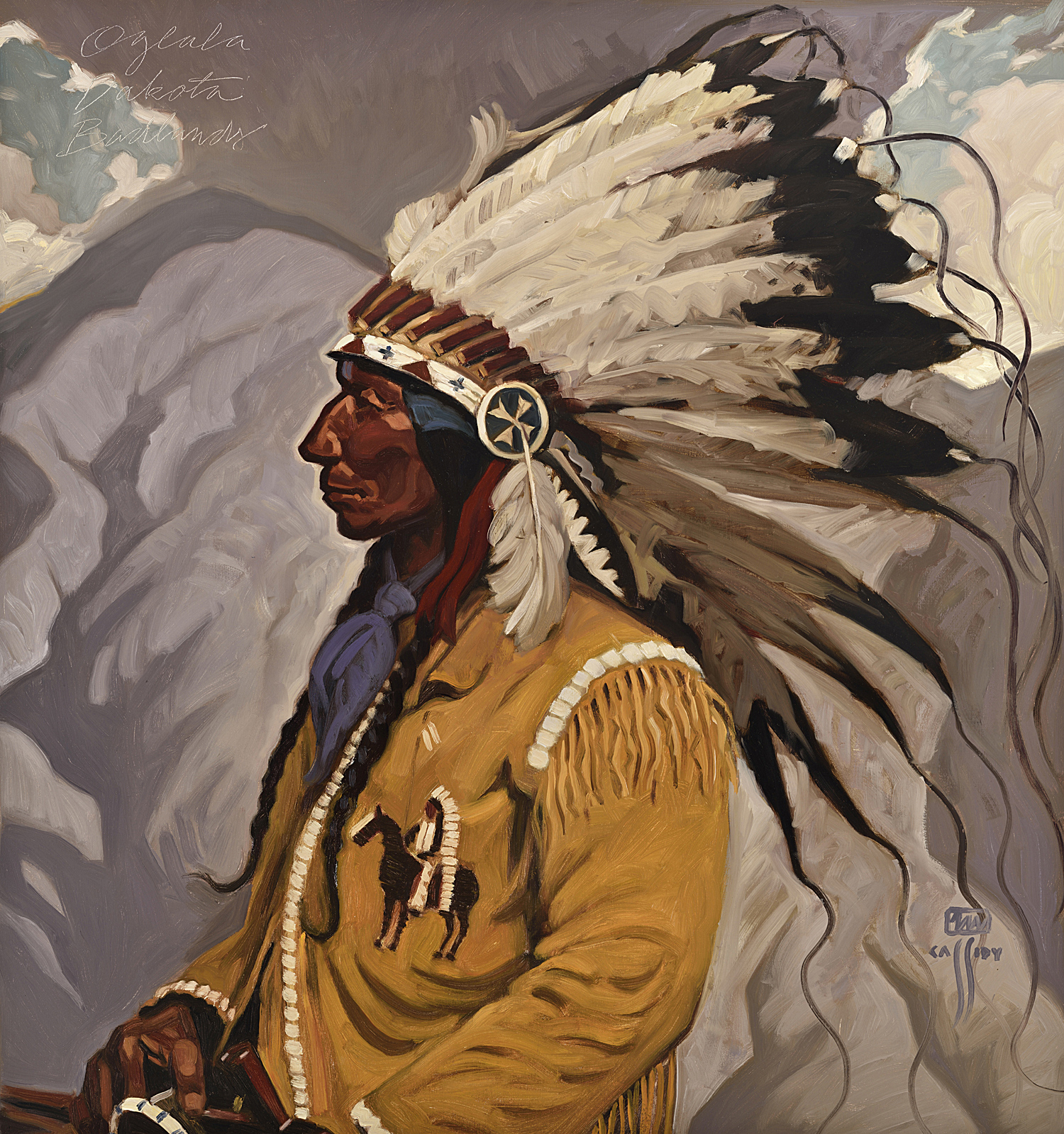
Pine Ridge Reservation: Located in South Dakota, the Pine Ridge Reservation is home to the Lakota people. Look for traditional Lakota beadwork, quillwork, and leather crafts. Local art centers and trading posts within the reservation offer authentic pieces.
Cheyenne River Reservation: Also in South Dakota, the Cheyenne River Reservation is known for its intricate beadwork and traditional clothing. Support local artists by purchasing directly from them at community events or art shows.
Crow Reservation: In Montana, the Crow Reservation is famous for its beadwork, horse regalia, and traditional crafts. Visit the Little Big Horn College Gift Shop for authentic Crow art.
Pacific Northwest Region
The Pacific Northwest, including states like Washington, Oregon, and Alaska, is home to tribes such as the Haida, Tlingit, and Coast Salish.
Quinault Indian Nation: Located in Washington State, the Quinault Indian Nation is known for its cedar bark weaving, wood carvings, and basketry. Visit the Quinault Cultural Center to learn about their art and purchase authentic pieces.
Makah Reservation: Also in Washington, the Makah Reservation is famous for its cedar carvings, basketry, and traditional whaling art. The Makah Museum offers a selection of authentic Makah art.
Tlingit and Haida: In Alaska, the Tlingit and Haida tribes are renowned for their totem poles, wood carvings, and silver jewelry. Visit tribal cultural centers and art galleries in communities like Sitka and Juneau to find authentic pieces.
Southeastern Region
The Southeastern region, including states like Oklahoma, North Carolina, and Mississippi, is home to tribes such as the Cherokee, Choctaw, and Seminole.
Cherokee Nation: Located in Oklahoma, the Cherokee Nation is known for its basketry, pottery, and wood carvings. The Cherokee Heritage Center offers a selection of authentic Cherokee art.
Choctaw Nation: Also in Oklahoma, the Choctaw Nation is famous for its basketry, beadwork, and traditional clothing. Visit the Choctaw Nation Museum to learn about their art and purchase authentic pieces.
Seminole Nation: In Florida and Oklahoma, the Seminole Nation is renowned for its patchwork clothing, beadwork, and wood carvings. Visit tribal cultural centers and art galleries to find authentic Seminole art.
Tips for Ensuring Authenticity
Buy Directly from Artists: Whenever possible, purchase directly from the artists themselves. This can be done at art shows, powwows, or by visiting their studios on the reservation.
Look for Certifications: Some tribes have certification programs that guarantee the authenticity of their art. Look for labels or tags indicating that the art is certified by the tribe.
Ask Questions: Don’t hesitate to ask the artist about their work, the materials they use, and the cultural significance of the piece. A genuine artist will be happy to share their knowledge.
Research the Artist and Tribe: Before making a purchase, research the artist and their tribe to learn about their artistic traditions and history. This will help you appreciate the art more deeply and ensure its authenticity.
Be Wary of Bargains: Authentic Native American art is often priced according to the time, skill, and materials required to create it. Be cautious of prices that seem too good to be true, as they may indicate a counterfeit item.
Visit Reputable Trading Posts and Galleries: Some trading posts and galleries have established relationships with Native American artists and are known for selling authentic art. Do your research to find reputable establishments.
Understanding the Indian Arts and Crafts Act (IACA)
The Indian Arts and Crafts Act (IACA) is a law that protects Native American artists and consumers by prohibiting the misrepresentation of Native American art and crafts. The IACA makes it illegal to offer or display for sale any art or craft product in a manner that falsely suggests it is Native American-made when it is not.
Compliance: When buying Native American art, ensure that the seller complies with the IACA. Reputable sellers will be knowledgeable about the law and will accurately represent the origin and authenticity of their products.
Reporting Violations: If you suspect a violation of the IACA, you can report it to the Indian Arts and Crafts Board (IACB), a federal agency responsible for enforcing the law.
Common Questions About Buying Native American Art
What is the best way to support Native American artists?
The best way to support Native American artists is to buy their art directly from them or from reputable sources that ensure they receive a fair price for their work. Avoid purchasing from mass-market retailers that may not provide adequate compensation to the artists.
How can I tell if a piece of Native American art is authentic?
Look for certifications, ask questions about the art’s origin and materials, and research the artist and their tribe. Be wary of prices that seem too low, and purchase from reputable sources.
What are some common types of Native American art?
Common types of Native American art include pottery, jewelry, basketry, beadwork, wood carvings, and textiles. Each tribe has its unique artistic traditions and styles.
Are there specific times of year when it’s best to buy Native American art on reservations?
Visiting during tribal ceremonies, powwows, and art shows can provide opportunities to meet artists and purchase their work directly. Many reservations also have cultural centers and trading posts that are open year-round.
What should I know about caring for Native American art?
Handle the art with care and follow any specific instructions provided by the artist. Store it in a safe place away from direct sunlight and extreme temperatures. Clean it gently with a soft cloth or brush.
Conclusion
Buying authentic Native American art on reservations is a rewarding experience that supports Native American artists and communities while providing you with a unique and culturally significant piece. By following the tips outlined in this article, you can ensure that you’re purchasing genuine art and contributing to the preservation of Native American artistic traditions. Whether you’re drawn to the intricate beadwork of the Plains tribes, the stunning pottery of the Southwest, or the captivating carvings of the Pacific Northwest, exploring the art of Native American reservations offers a journey into a rich and vibrant cultural heritage. Remember to always prioritize authenticity and direct support to the artists, and enjoy the beauty and significance of your Native American art collection.
Disclaimer
Please note that policies and conditions on reservations can change. Always check the official website of the reservation or contact the tribal authorities for the most up-to-date information before planning a visit or making a purchase.


