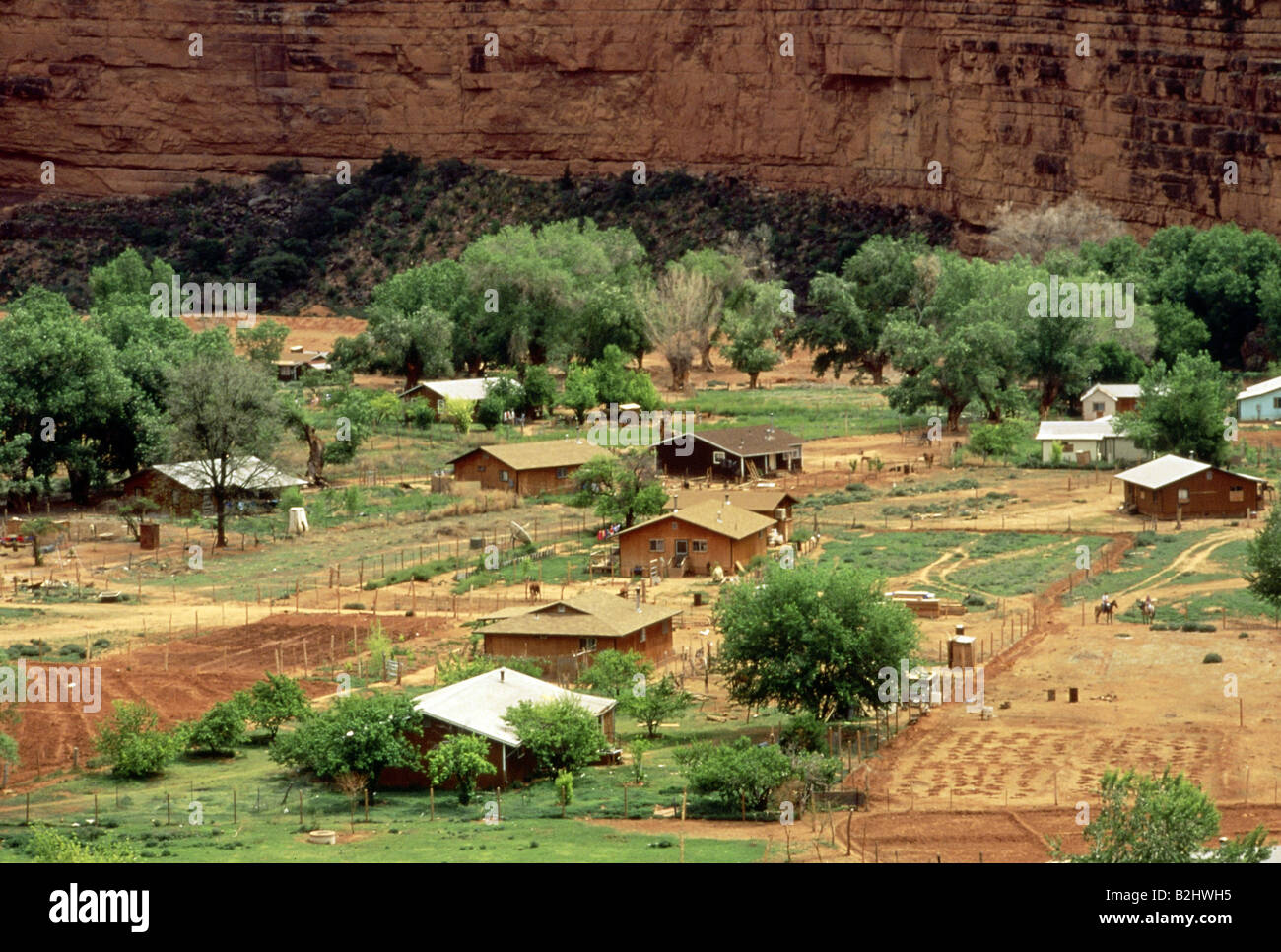
Indian reservations, sovereign lands governed by federally recognized Native American tribes, offer a unique window into the rich history, vibrant culture, and enduring traditions of indigenous peoples. Beyond their historical and cultural significance, many reservations boast captivating tourist attractions that invite visitors to learn, explore, and experience Native American heritage firsthand. This article delves into some of the most compelling Indian reservations with tourist attractions, providing insights into what makes them special and how to plan a respectful and enriching visit.
Visiting Indian reservations provides an opportunity to support tribal communities directly through tourism. Revenue generated from tourism initiatives often contributes to essential services, educational programs, and cultural preservation efforts. By choosing to explore these destinations, you’re not only gaining a memorable experience but also contributing to the well-being and sustainability of Native American communities.
Before planning your visit, it’s crucial to understand and respect tribal customs and regulations. Each reservation operates under its own set of laws and guidelines, and visitors are expected to adhere to them. Researching the specific reservation’s website or contacting the tribal tourism office is a great way to familiarize yourself with their protocols. Always be mindful of sacred sites, cultural events, and the privacy of residents. Remember that you are a guest and should behave accordingly.
Respecting the environment is also paramount. Many reservations are located in ecologically sensitive areas, and visitors should take care to minimize their impact. Stay on designated trails, avoid disturbing wildlife, and properly dispose of waste. Consider supporting eco-tourism initiatives that prioritize sustainability and environmental stewardship.
Many people wonder what attractions exist on Native American land. Here are some of the most popular and well-known.
The Navajo Nation: A Land of Natural Wonders
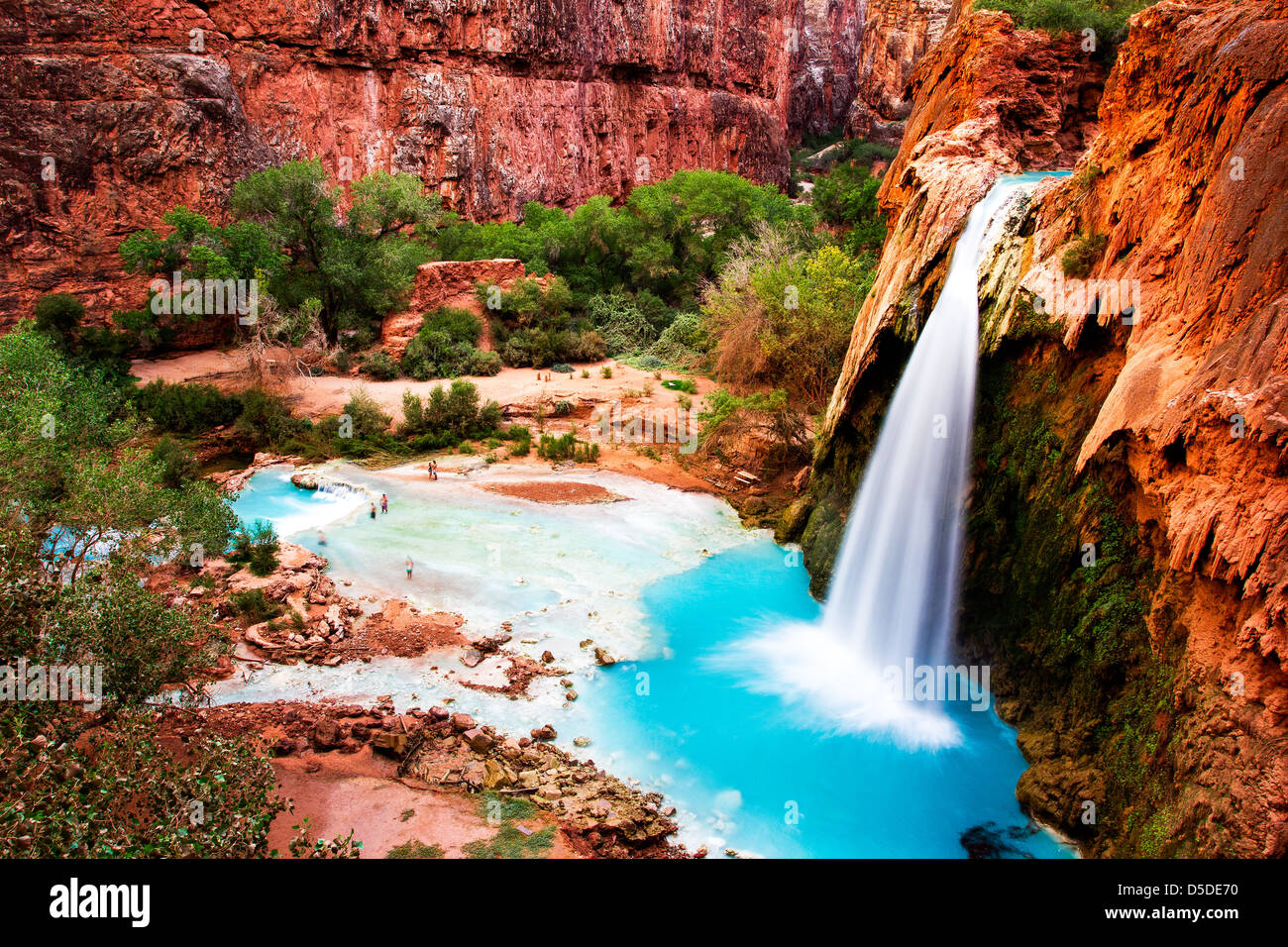
The Navajo Nation, spanning parts of Arizona, New Mexico, and Utah, is the largest Native American reservation in the United States. It’s renowned for its breathtaking landscapes, including Monument Valley, Canyon de Chelly National Monument, and Antelope Canyon. Visitors can explore these iconic sites through guided tours led by Navajo guides, learning about the geology, history, and cultural significance of the land.
Monument Valley, with its towering sandstone buttes, is a quintessential symbol of the American West. Guided tours offer insights into Navajo culture and traditions, as well as the geological history of the region. Many tours include demonstrations of traditional Navajo crafts and storytelling.
Canyon de Chelly National Monument showcases ancient cliff dwellings and stunning canyon vistas. The canyon has been inhabited for over 5,000 years, and visitors can learn about the Ancestral Puebloan and Navajo people who have called it home. Guided tours are required to access the canyon floor, ensuring the preservation of its cultural and natural resources.
Antelope Canyon, a slot canyon carved by water and wind, is famous for its mesmerizing light beams and swirling sandstone formations. Navajo guides lead tours through the canyon, sharing stories about its creation and significance to the Navajo people. Photography enthusiasts flock to Antelope Canyon to capture its unique beauty.
The Cherokee Nation: History and Heritage in Oklahoma
The Cherokee Nation, located primarily in Oklahoma, offers a rich tapestry of historical and cultural attractions. Visitors can explore the Cherokee Heritage Center, which features exhibits on Cherokee history, art, and culture. The center also hosts cultural events and demonstrations throughout the year.
The Cherokee National Museum delves into the history of the Cherokee people, from their ancestral origins to their forced removal along the Trail of Tears. Exhibits showcase traditional Cherokee crafts, clothing, and tools, as well as the tribe’s contributions to art, literature, and education.
The Trail of Tears Memorial commemorates the tragic forced removal of the Cherokee people from their ancestral lands in the southeastern United States. The memorial serves as a reminder of the hardships endured by the Cherokee people and the importance of preserving their history and culture.
The Diligwa Cherokee Village is a living history museum that recreates a traditional 17th-century Cherokee village. Visitors can witness demonstrations of traditional crafts, such as pottery, basket weaving, and canoe building, and learn about the daily life of the Cherokee people.

The Pine Ridge Reservation: Exploring Lakota Culture in South Dakota
The Pine Ridge Reservation in South Dakota is home to the Oglala Lakota tribe. It offers opportunities to learn about Lakota culture, history, and spirituality. Visitors can explore the Wounded Knee Memorial, which commemorates the tragic massacre of Lakota men, women, and children in 1890.
The Wounded Knee Museum provides historical context for the Wounded Knee Massacre and explores the ongoing struggles of the Lakota people. Exhibits showcase Lakota art, artifacts, and photographs, as well as information about Lakota traditions and beliefs.
The Red Cloud Heritage Center celebrates the life and legacy of Chief Red Cloud, a prominent Lakota leader who fought to protect his people’s land and rights. The center features exhibits on Lakota history, culture, and art, as well as information about contemporary Lakota issues.
Badlands National Park borders the Pine Ridge Reservation and offers stunning landscapes and opportunities for hiking and wildlife viewing. The park’s rugged terrain and diverse ecosystem provide a backdrop for exploring the natural beauty of the region.
The White Mountain Apache Tribe: Outdoor Adventures in Arizona
The White Mountain Apache Tribe in Arizona welcomes visitors to experience their stunning natural landscapes and engage in outdoor activities. The tribe operates the Sunrise Park Resort, which offers skiing and snowboarding in the winter and hiking, fishing, and camping in the summer.
Sunrise Park Resort is the largest ski resort in Arizona and offers a variety of winter activities for all skill levels. In the summer, the resort transforms into a haven for outdoor enthusiasts, with hiking trails, fishing lakes, and campgrounds.
The Fort Apache Historic Park preserves the history of Fort Apache, a former U.S. Army post that played a significant role in the Apache Wars. Visitors can explore the fort’s historic buildings and learn about the interactions between the Apache people and the U.S. military.
The Kinishba Ruins are the remains of an ancient Puebloan village that was inhabited from around 1250 to 1400 AD. The ruins offer insights into the culture and architecture of the Ancestral Puebloan people who once lived in the region.
The Puyallup Tribe: Salmon and Culture in Washington State
The Puyallup Tribe in Washington State has a strong connection to the salmon that inhabit the rivers and streams of the Puget Sound region. Visitors can learn about the tribe’s history, culture, and commitment to salmon conservation at the Puyallup Tribal Museum.
The Puyallup Tribal Museum showcases the history, culture, and art of the Puyallup Tribe. Exhibits explore the tribe’s traditional way of life, their relationship with salmon, and their ongoing efforts to protect the environment.
The Chief Leschi Schools provides educational opportunities for Puyallup tribal members and other Native American students. The school offers a culturally relevant curriculum that integrates traditional knowledge and values.
The Emerald Queen Casino is a popular entertainment destination operated by the Puyallup Tribe. The casino offers a variety of gaming options, as well as dining, entertainment, and lodging.
Planning Your Visit: Tips for a Respectful and Enriching Experience
Research and understand tribal customs: Familiarize yourself with the specific protocols and guidelines of the reservation you plan to visit. Check the tribe’s official website or contact their tourism office for information.
Respect sacred sites and cultural events: Be mindful of sacred sites and avoid disturbing them. If you attend a cultural event, observe the proper etiquette and show respect for the traditions being shared.
Support tribal businesses: Choose to stay at tribal-owned hotels, eat at tribal-owned restaurants, and purchase souvenirs from tribal-owned businesses. This directly supports the tribal economy and helps preserve their cultural heritage.
Ask permission before taking photos: Always ask permission before taking photos of people or cultural events. Some individuals may not want to be photographed, and it’s important to respect their wishes.
Learn about the history and culture of the tribe: Take the time to learn about the history, culture, and traditions of the tribe you are visiting. This will enhance your understanding and appreciation of their unique heritage.
Be mindful of the environment: Practice Leave No Trace principles and minimize your impact on the environment. Stay on designated trails, avoid disturbing wildlife, and properly dispose of waste.
Conclusion
Visiting Indian reservations offers a unique opportunity to connect with Native American culture, history, and traditions. By exploring these destinations with respect and understanding, you can contribute to the preservation of tribal heritage and support the economic well-being of Native American communities. Remember to research and respect tribal customs, support tribal businesses, and be mindful of the environment. Embrace the opportunity to learn, explore, and experience the rich tapestry of Native American cultures.
Exploring Native American reservations provides an enriching journey into the heart of indigenous cultures. From the majestic landscapes of the Navajo Nation to the historical depths of the Cherokee Nation, each reservation offers unique experiences that foster understanding and respect. By planning thoughtful visits and supporting tribal communities, travelers can contribute to the preservation of these invaluable cultural treasures.


