
Jewelry making on Indian reservations is more than just a craft; it’s a vibrant expression of culture, history, and identity. For centuries, Native American artisans have transformed natural materials into stunning pieces of wearable art, each telling a story of heritage and resilience. This comprehensive guide delves into the intricate world of jewelry making from Indian reservations, exploring its techniques, materials, cultural significance, and the ethical considerations for those who admire and wish to acquire these unique creations.
A Legacy of Craftsmanship
The art of jewelry making among Native American tribes dates back thousands of years, predating European contact. Early pieces were often made from natural materials such as turquoise, shells, coral, bone, and wood, each holding symbolic meaning within the tribe’s cultural beliefs. These materials weren’t merely decorative; they were integral to spiritual practices, social status, and storytelling. The techniques used were passed down through generations, ensuring the continuity of these artistic traditions.
Materials and Techniques
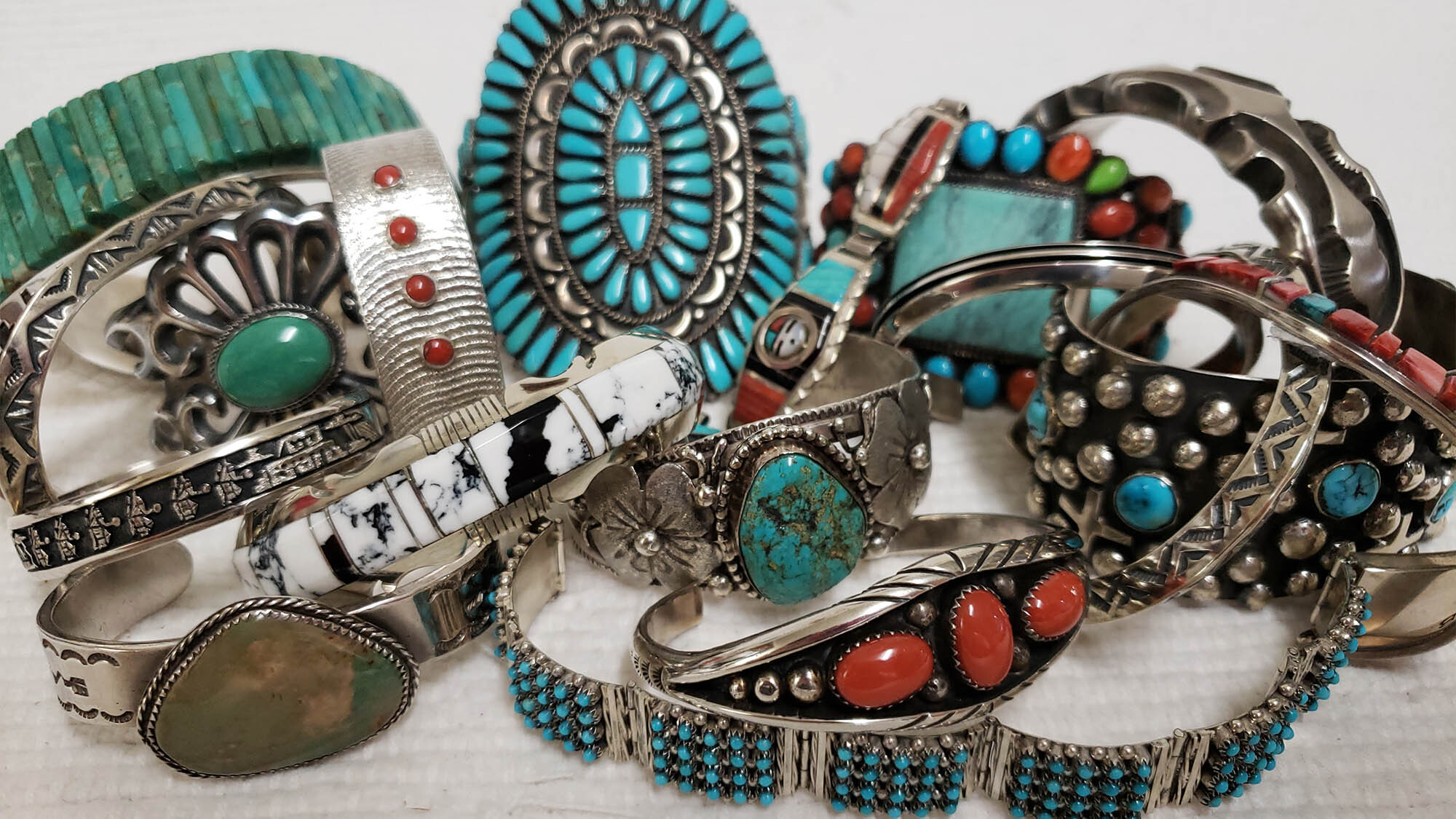
- Turquoise: Revered for its vibrant blue-green hues, turquoise is often associated with protection, healing, and good fortune. Different shades and matrix patterns are prized by various tribes.
- Silver: Introduced by European settlers, silver quickly became a staple in Native American jewelry making. Navajo silversmiths, in particular, are renowned for their intricate silverwork.
- Coral: Red coral, often sourced from the Mediterranean, adds a striking contrast to turquoise and silver. It symbolizes life force and energy.
- Shells: Various types of shells, such as mother-of-pearl and abalone, are used for their iridescent beauty and connection to the water.
- Beads: Glass beads, originally obtained through trade, have become integral to many tribal jewelry styles, often used in intricate beadwork designs.
- Silversmithing: Involves shaping, soldering, and engraving silver to create intricate designs.
- Stone Setting: Securing turquoise, coral, or other stones into silver settings, often with bezel settings or channel settings.
- Beadwork: Using needles and thread to create elaborate patterns with glass beads, often used for necklaces, earrings, and bracelets.
- Lapidary: The art of cutting, shaping, and polishing stones, particularly turquoise, to prepare them for use in jewelry.
- Sandcasting: A traditional method of pouring molten silver into sand molds to create unique shapes and textures.
Cultural Significance and Symbolism
Every piece of Native American jewelry carries deep cultural significance, reflecting the beliefs, values, and history of the tribe that created it. Motifs and symbols are not merely decorative; they convey specific meanings and stories.
- The Thunderbird: Represents power, protection, and the forces of nature.
- The Kokopelli: A fertility deity, often depicted as a flute player, symbolizing abundance and joy.
- The Bear Claw: Represents strength, courage, and healing.
- The Squash Blossom: A symbol of fertility and abundance, often featured in Navajo necklaces.
- Geometric Patterns: Intricate geometric designs often represent elements of the natural world, such as mountains, rivers, and stars.
The colors used in jewelry also hold symbolic meaning. For example, blue often represents the sky and water, while red symbolizes earth and fire. The specific meanings can vary from tribe to tribe, highlighting the diversity of Native American cultures.
Notable Tribes and Their Jewelry Styles
- Navajo (Diné): Known for their intricate silverwork, turquoise settings, and squash blossom necklaces. Navajo jewelry often features bold designs and high-quality turquoise.
- Zuni: Famous for their delicate stone inlay work, where small pieces of turquoise, coral, jet, and shell are meticulously set into silver. Zuni artists are also known for their cluster work and petit point designs.
- Hopi: Renowned for their overlay technique, where two layers of silver are used to create intricate designs. The top layer is cut out to reveal the underlying layer, creating a shadow effect.
- Santo Domingo (Kewa Pueblo): Known for their heishi necklaces, made from finely ground and polished beads of turquoise, shell, and jet. Santo Domingo artists also create mosaic jewelry with intricate patterns.
Each tribe’s unique style reflects their specific cultural heritage and artistic traditions.
The Economic Impact on Reservations
Jewelry making provides a vital source of income for many Native American families living on reservations. It supports economic self-sufficiency and helps to preserve traditional skills and knowledge. Purchasing authentic Native American jewelry directly supports these artisans and their communities, contributing to their economic well-being.

Ethical Considerations for Buyers
When purchasing jewelry from Indian reservations, it’s crucial to be aware of ethical considerations to ensure that you are supporting authentic Native American artisans and not contributing to cultural appropriation or exploitation.
Beware of imitation jewelry that is mass-produced and falsely marketed as Native American-made. Look for hallmarks or signatures from known artists, and purchase from reputable dealers who work directly with Native American artisans.
Be willing to pay a fair price for authentic Native American jewelry. The price should reflect the skill, time, and materials involved in creating the piece. Avoid purchasing from vendors who offer suspiciously low prices, as this may indicate that the jewelry is not authentic or that the artisans are not being fairly compensated.
Respect the cultural significance of the jewelry you are purchasing. Avoid wearing pieces in a way that could be considered disrespectful or appropriative. For example, certain symbols may be sacred and should not be worn casually.
Purchase directly from Native American artists, cooperatives, or businesses whenever possible. This ensures that the money goes directly to the artisans and their communities.
Understanding the Indian Arts and Crafts Act (IACA)
The Indian Arts and Crafts Act (IACA) is a truth-in-advertising law that prohibits misrepresentation in the marketing of Indian arts and crafts products in the United States. It is illegal to offer or display for sale any art or craft product in a manner that falsely suggests it is Indian-produced, an Indian product, or the product of a particular Indian tribe or Indian arts and crafts organization. Violators can face significant penalties.
As a buyer, understanding IACA can help you make informed decisions and avoid purchasing fraudulent items. Look for certification or documentation that verifies the authenticity of the jewelry.
Caring for Your Native American Jewelry
Proper care is essential to preserve the beauty and longevity of your Native American jewelry.
- Storage: Store your jewelry in a soft pouch or jewelry box to protect it from scratches and tarnish.
- Cleaning: Clean your jewelry regularly with a soft cloth to remove dirt and oils. Avoid using harsh chemicals or abrasive cleaners, as these can damage the stones and silver.
- Handling: Handle your jewelry with care to avoid dropping or bending it. Be especially careful with delicate stone inlay work.
- Professional Cleaning: Consider having your jewelry professionally cleaned and inspected periodically to ensure that it remains in good condition.
The Future of Jewelry Making on Indian Reservations
Jewelry making continues to be a vital part of Native American culture and economy. Efforts are being made to promote and preserve these traditions for future generations.
Many tribes offer educational programs and apprenticeships to teach young people the skills and techniques of jewelry making. These programs help to ensure that these traditions are passed down to future generations.
Native American artists are increasingly using online platforms and social media to market their work and reach a wider audience. This helps to increase their income and visibility.
Tribal museums and cultural centers play a crucial role in preserving and promoting Native American art and culture. These institutions often host exhibitions and workshops that showcase the work of Native American artists.
Answering Common Questions (People Also Ask)
What is Native American jewelry made of?
Native American jewelry is typically made from natural materials such as turquoise, silver, coral, shells, and beads. The specific materials used vary depending on the tribe and the region.
How can I tell if Native American jewelry is authentic?
Look for hallmarks or signatures from known artists, purchase from reputable dealers, and be wary of suspiciously low prices. Understanding the Indian Arts and Crafts Act (IACA) can also help you identify fraudulent items.
What is the significance of turquoise in Native American jewelry?
Turquoise is highly valued in Native American cultures and is often associated with protection, healing, and good fortune. Different shades and matrix patterns are prized by various tribes.
How does buying Native American jewelry support tribal communities?
Purchasing authentic Native American jewelry directly supports the artisans and their communities, contributing to their economic well-being and helping to preserve traditional skills and knowledge.
What are some common symbols used in Native American jewelry?
Common symbols include the Thunderbird, Kokopelli, Bear Claw, Squash Blossom, and geometric patterns, each carrying specific cultural meanings and stories.
Conclusion
Jewelry making from Indian reservations is a rich and multifaceted art form that reflects the cultural heritage, artistic traditions, and economic resilience of Native American tribes. By understanding the materials, techniques, cultural significance, and ethical considerations involved, buyers can appreciate the true value of these unique creations and support the artisans who create them. As you explore the world of Native American jewelry, remember that each piece tells a story – a story of tradition, resilience, and the enduring spirit of Native American cultures. By purchasing ethically and responsibly, you can become a part of this story, helping to preserve and promote these vital artistic traditions for generations to come.


