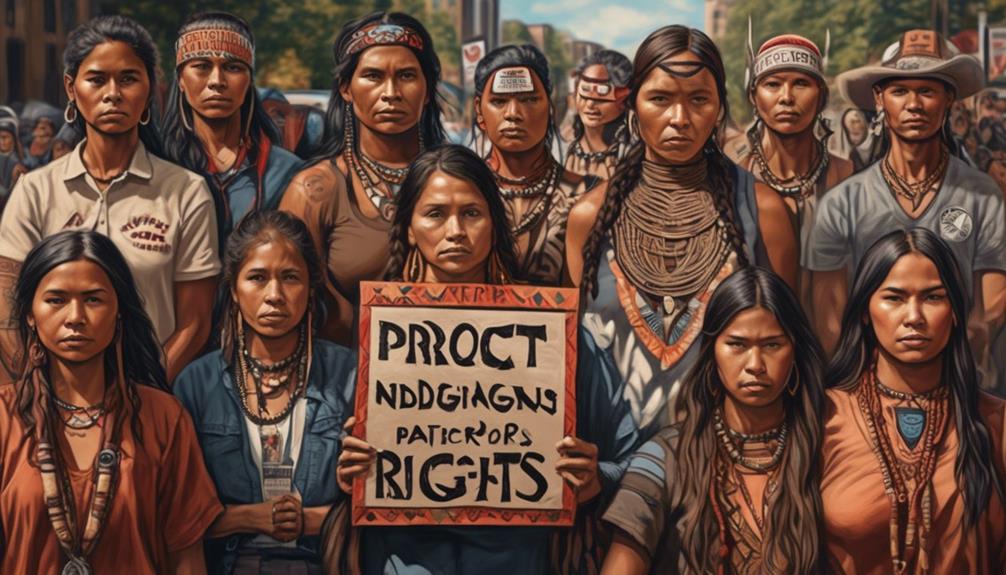
Advocacy for Indian Reservation Rights is a multifaceted and profoundly important endeavor, standing at the intersection of history, law, social justice, and cultural preservation. It represents a continuous effort to uphold the inherent sovereignty of Native American tribes and to ensure the fulfillment of treaty obligations made by the United States government.
Understanding this advocacy requires acknowledging the complex historical backdrop. Indian reservations were largely established through treaties, executive orders, or acts of Congress, often as a result of forced removal and land cessions. These lands, though significantly reduced from ancestral territories, were recognized as sovereign nations within the U.S. federal system.
The rights associated with these reservations are not ‘special’ privileges, but rather inherent sovereign rights and those explicitly reserved or granted through treaties and federal law. These rights are fundamental to the survival and self-determination of tribal nations, ensuring their ability to govern themselves and manage their resources.
At its core, advocacy champions the principle of tribal sovereignty – the right of Native American tribes to govern themselves, make their own laws, and manage their lands and resources free from undue external interference. This principle is constantly challenged and requires vigilant defense.
One of the most critical areas of advocacy revolves around land rights and territorial integrity. Many reservations face ongoing disputes over boundaries, land use, and the protection of sacred sites. Advocacy efforts seek to prevent further encroachment and to reclaim lands illegally taken or mismanaged.
Water rights are another paramount concern. Access to clean, sufficient water is vital for life, agriculture, and economic development on reservations. Historic agreements and modern legal battles frequently center on securing and protecting tribal water rights, often against competing interests from surrounding states or industries.

Resource management extends beyond water to minerals, timber, and hunting/fishing rights. Advocacy ensures that tribes have the authority and resources to manage these assets sustainably, in line with their cultural values and for the economic benefit of their communities, often battling powerful corporate interests.
Healthcare access and quality on reservations are often significantly below national standards. Advocacy pushes for adequate funding, improved facilities, and culturally competent care through the Indian Health Service (IHS) and other programs, addressing systemic disparities.
Similarly, education systems on reservations require robust advocacy. Efforts focus on securing equitable funding for tribal schools, developing culturally relevant curricula, improving infrastructure, and increasing access to higher education opportunities for Native youth.
Economic development is crucial for reservation self-sufficiency. Advocacy supports initiatives that promote sustainable businesses, job creation, and infrastructure development, while also fighting against discriminatory practices that hinder tribal economic growth.
The preservation of Native languages and cultural practices is a continuous battle against historical assimilation policies. Advocacy ensures funding for language revitalization programs, cultural centers, and the protection of traditional knowledge and ceremonies.
Justice and law enforcement within reservation boundaries present unique challenges due to complex jurisdictional issues involving tribal, state, and federal authorities. Advocacy works to strengthen tribal justice systems, address high rates of violence against Native women, and ensure equitable legal representation.
Challenges to effective advocacy are numerous. Legal complexities abound, with federal Indian law being a highly specialized and often contradictory field. Cases can drag on for years, requiring significant resources and expertise.
Political opposition also poses a formidable barrier. Policies that infringe on tribal sovereignty or deny treaty rights often stem from a lack of understanding, economic self-interest, or outright prejudice from state and federal governments.
Funding gaps are a persistent problem across all sectors on reservations, from infrastructure to healthcare. Advocacy continually presses for increased and consistent federal appropriations to meet the needs of tribal communities.
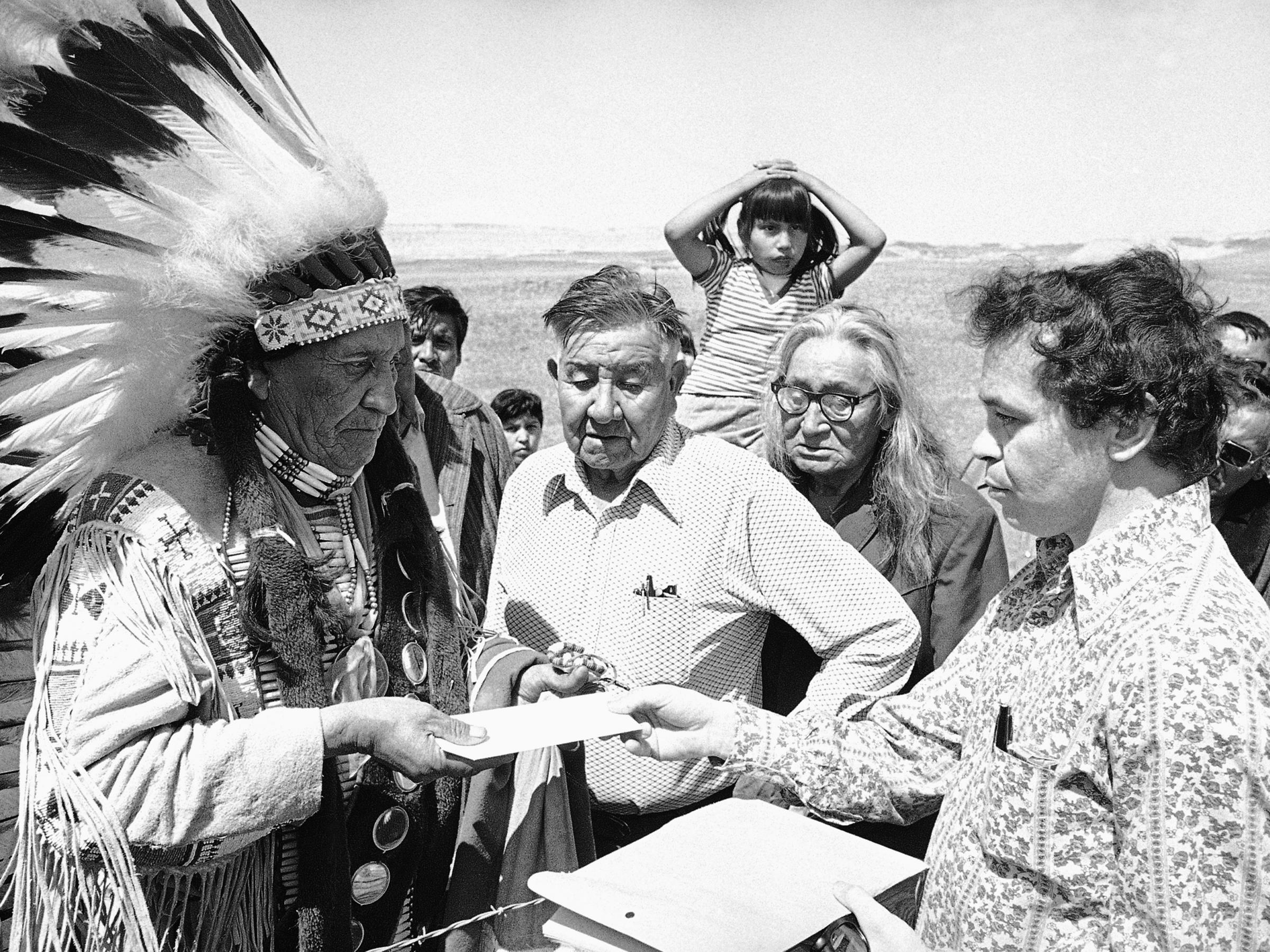
Public misunderstanding and historical misinformation further complicate advocacy efforts. Many non-Native citizens are unaware of treaty obligations, the concept of tribal sovereignty, or the ongoing struggles faced by Native Americans.
Who champions these vital causes? Primarily, tribal nations themselves lead the charge, utilizing their inherent sovereignty to negotiate, litigate, and lobby on their own behalf. Tribal leaders and legal teams are at the forefront.
A vast network of non-profit organizations and Indigenous-led advocacy groups also play a pivotal role. Organizations like the Native American Rights Fund (NARF), the National Congress of American Indians (NCAI), and various regional groups provide legal aid, policy analysis, and public education.
Legal aid organizations and pro bono lawyers are essential, offering expertise and representation to tribes and individuals who might otherwise lack the resources to defend their rights in complex legal battles.
Individual activists, both Native and non-Native, contribute significantly by raising awareness, organizing protests, and engaging in grassroots efforts to support specific causes, such as environmental protection or sacred site preservation.
Even some government agencies, particularly those focused on civil rights or Indigenous affairs, can sometimes play a supportive role, though their effectiveness often depends on political will and administrative priorities.
For individuals seeking to support advocacy for Indian Reservation Rights, education is the first step. Learn about the history, treaties, and current issues affecting specific tribes or Native Americans generally.
Financial contributions to reputable Native-led non-profits and legal defense funds provide critical resources for ongoing advocacy, litigation, and community programs.
Volunteering time and skills, if opportunities arise, can directly assist organizations working on these issues, from administrative support to research or event planning.
Contacting elected officials at local, state, and federal levels to express support for tribal sovereignty, treaty rights, and specific legislative initiatives can influence policy decisions.
Spreading awareness through social media, discussions with friends and family, and sharing accurate information helps combat misinformation and builds a more informed public constituency for Native rights.
Advocacy has led to significant victories, from landmark court cases affirming tribal hunting rights to successful campaigns protecting sacred lands from development. These successes underscore the power of persistent, collective action.
For example, the advocacy around the Dakota Access Pipeline at Standing Rock brought global attention to issues of tribal sovereignty, environmental justice, and treaty rights, mobilizing widespread support.
Another success story involves the ongoing efforts to restore tribal management over national parks and ancestral lands, allowing Indigenous knowledge to guide conservation efforts.
Advocacy also played a crucial role in the passage of legislation like the Indian Child Welfare Act (ICWA), which aims to keep Native American children within their families and communities, though it continues to face legal challenges.
In recent years, the push for the return of ancestral remains and cultural artifacts from museums and private collections, mandated by laws like NAGPRA, has seen increasing success due to dedicated advocacy.
The ongoing legal battles over gaming rights and tribal economic enterprises demonstrate the continuous need for advocacy to protect tribal self-sufficiency and economic development from external interference.
Looking forward, advocacy will continue to focus on strengthening tribal self-governance, ensuring equitable resource distribution, and addressing the lasting impacts of historical trauma through culturally appropriate solutions.
The fight for environmental justice on reservations, disproportionately affected by pollution and climate change, remains a vital area of advocacy, connecting indigenous rights to global ecological concerns.
Ultimately, advocacy for Indian Reservation Rights is a testament to the resilience and determination of Native American peoples to preserve their unique cultures, govern their lands, and secure a prosperous future for generations to come.
It is a call to action for all who believe in justice, equality, and the honoring of solemn agreements. Supporting this advocacy is not just about supporting a specific group, but about upholding fundamental human rights and the integrity of a nation’s promises.
By understanding the historical context, recognizing the inherent rights, and supporting the diverse forms of advocacy, we can collectively contribute to a more just and equitable future for all Indigenous communities.
The journey is long and complex, but the commitment to justice and self-determination for Native American tribes remains unwavering. Every voice, every action, contributes to this vital cause.
In conclusion, advocacy for Indian Reservation Rights is indispensable for upholding tribal sovereignty, protecting treaty agreements, and ensuring the well-being and cultural survival of Native American nations. It demands ongoing engagement, legal expertise, political will, and public understanding to overcome historical injustices and secure a brighter future.


