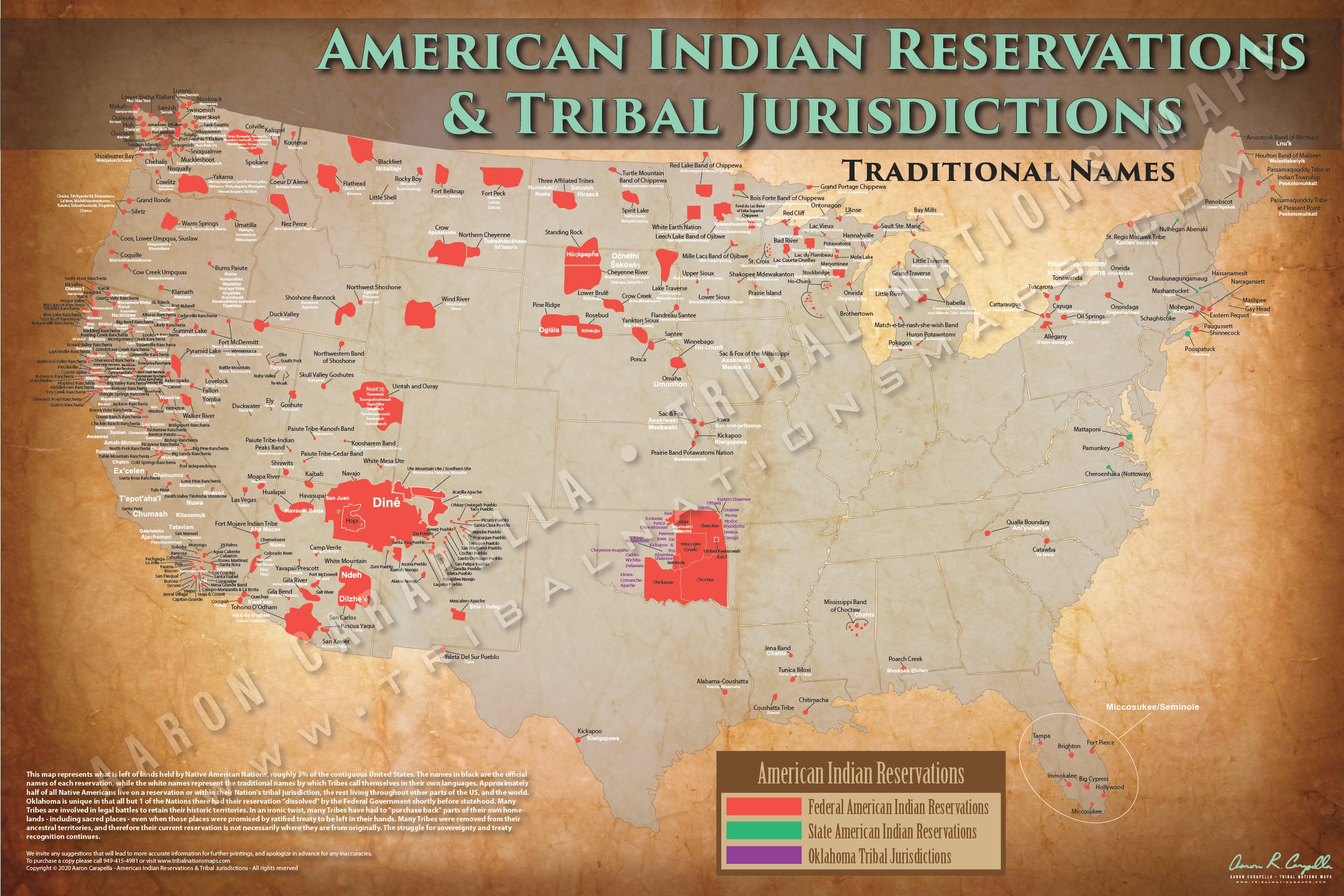
The landscape of justice within Indian Country is uniquely complex, shaped by centuries of history, distinct legal frameworks, and the inherent sovereignty of Native American tribes. For residents of Indian reservations, navigating legal issues often means confronting a multi-layered system that can be confusing, intimidating, and, without proper assistance, deeply unjust. This comprehensive guide delves into the vital role of legal aid for Indian reservations, highlighting its necessity, the specific challenges it addresses, and the organizations dedicated to ensuring access to justice for indigenous communities.
Legal aid on Indian reservations is not merely about providing legal representation; it is about upholding treaty rights, protecting cultural heritage, fostering economic development, and empowering tribal self-determination. It addresses systemic disparities and historical injustices that have profoundly impacted Native American populations.
Understanding the unique legal landscape is the first step. Indian Country operates under a complex interplay of tribal, state, and federal laws. This tri-jurisdictional maze means that a legal issue that might be straightforward elsewhere can become incredibly intricate on a reservation, requiring specialized knowledge and cultural competency.
Tribal sovereignty is a cornerstone of this legal framework. Federally recognized tribes possess inherent governmental powers, including the authority to establish their own laws and court systems. However, this sovereignty is not absolute and is often constrained by federal statutes and Supreme Court decisions, creating a dynamic and often contested legal environment.
Federal Indian Law is a distinct body of law that governs the relationship between the United States government and Native American tribes. It encompasses treaties, statutes, executive orders, and judicial decisions, all of which significantly impact tribal governance, land rights, and individual tribal members’ rights.
Why is legal aid particularly crucial for Native American communities? The reasons are multifaceted. Decades of federal policies, often aimed at assimilation or dispossession, have led to significant socio-economic challenges, including high rates of poverty, unemployment, and inadequate infrastructure on many reservations.
+set+aside+lands+farther+west.+Reduce+land+conflicts..jpg "Legal Aid For Indian Reservations")
These historical injustices contribute to systemic disparities within the justice system. Native Americans are disproportionately affected by certain legal issues and often face discrimination and a lack of understanding of their unique legal standing in state and federal courts.
Moreover, the geographic isolation of many reservations means limited access to legal resources. Finding and affording qualified legal representation, especially attorneys with expertise in tribal, state, and federal Indian law, can be a monumental hurdle for individuals and even tribal governments.
Another critical factor is the need for cultural competency in legal representation. Effective advocacy requires not just legal acumen but also a deep respect for and understanding of tribal cultures, traditions, and community values. A culturally insensitive approach can undermine trust and hinder the pursuit of justice.
Legal aid services cover a broad spectrum of needs within Indian Country. Criminal justice issues are a significant area, as tribal members may be subject to tribal, state, or federal jurisdiction depending on the nature of the crime, the location, and the individuals involved. This complexity necessitates skilled legal defense.
Family law matters are also paramount. These often involve child welfare cases (where the Indian Child Welfare Act, or ICWA, plays a crucial role), domestic violence, divorce, and child custody disputes, all of which require sensitive and knowledgeable legal support.
Civil rights and discrimination cases are essential for upholding the fundamental freedoms of Native Americans. This can include fighting discrimination in employment, housing, or public services, as well as addressing police misconduct or other violations of constitutional rights.
Housing and land rights are deeply intertwined with tribal sovereignty and individual well-being. Legal aid helps tribal members navigate complex land tenure systems on reservations (e.g., trust land, allotted land), resolve landlord-tenant disputes, and protect property rights.
Environmental justice is another vital area. Many reservations are disproportionately affected by environmental pollution and resource exploitation. Legal aid assists tribes and individuals in protecting their sacred sites, natural resources, and the health of their communities from harmful industrial practices.
Treaty rights and resource management are ongoing concerns. Legal aid organizations often work with tribal governments to assert and defend treaty-guaranteed rights related to hunting, fishing, water, and land, ensuring that historical agreements are honored.

Furthermore, legal assistance extends to areas like economic development and business law, helping tribes and tribal members establish businesses, navigate regulatory environments, and foster sustainable economic growth on reservations.
So, who provides these essential legal services? Several types of organizations are dedicated to serving Native American communities. Non-profit legal organizations, often funded by grants and donations, are key players. Examples include DNA-People’s Legal Services, Native American Rights Fund (NARF), and specific legal aid foundations.
Many tribal legal service programs are established and operated by tribal governments themselves, providing direct legal assistance to their members. These programs are often deeply embedded in the community and have a profound understanding of tribal laws and customs.
Pro bono initiatives and volunteer attorneys also contribute significantly. Law firms and individual lawyers often dedicate their time and expertise to assist Native American clients who cannot afford legal representation, often in partnership with non-profit organizations.
Additionally, academic institutions and legal clinics at universities sometimes offer specialized programs focused on federal Indian law and tribal advocacy, providing both legal services and training for future attorneys.
Accessing legal assistance typically begins with an initial consultation or intake process. Individuals seeking help usually contact a legal aid organization, where their situation is assessed, and eligibility criteria are reviewed. These criteria often relate to income levels and the nature of the legal issue.
The importance of referrals and networks cannot be overstated. Due to the specialized nature of federal Indian law and tribal law, legal aid providers often collaborate, referring clients to the most appropriate experts or organizations within their network, ensuring comprehensive support.
Despite the dedicated efforts, delivering legal aid to Indian reservations faces significant challenges. Geographic isolation means attorneys must often travel long distances, and reliable internet access for remote consultations can be an issue. This logistical hurdle impacts service delivery.
Funding shortfalls are a persistent problem. Legal aid organizations often operate on limited budgets, making it difficult to expand services, hire more staff, or offer competitive salaries to attract specialized attorneys.
Recruitment and retention of attorneys with expertise in federal Indian law and tribal law is another challenge. The unique demands and often lower pay in legal aid compared to private practice can make it difficult to attract and keep qualified professionals.
Bridging cultural gaps remains an ongoing effort. While many legal aid providers strive for cultural competency, the diversity among tribes means continuous learning and adaptation are necessary to provide truly effective and respectful legal services.
The impact of effective legal aid on tribal sovereignty and well-being is profound. By providing robust legal representation, these services help strengthen tribal justice systems, ensuring that tribal courts operate effectively and fairly within their jurisdiction.
Legal aid empowers individuals and communities. It gives a voice to those who might otherwise be marginalized, helps protect their rights, and provides avenues for redress, fostering greater self-sufficiency and resilience.
Furthermore, legal aid organizations often engage in advocacy for policy change at the federal and state levels. By highlighting systemic issues and proposing legislative solutions, they contribute to broader reforms that benefit all Native American communities.
The path forward for sustaining and expanding legal aid for Indian reservations requires a multi-pronged approach. Increased funding and government support are critical to address the chronic underfunding of these essential services.
Collaborative partnerships between tribal governments, non-profit organizations, law schools, and pro bono networks can help pool resources and expertise, creating a more robust support system.
Technological innovation, such as telehealth-style legal consultations and online resources, can help overcome geographic barriers and improve access to information and services in remote areas.
Finally, continued education and awareness are vital. Raising public understanding of federal Indian law, tribal sovereignty, and the unique challenges faced by Native American communities can foster greater support for legal aid initiatives.
In conclusion, legal aid for Indian reservations is an indispensable cornerstone of justice, sovereignty, and self-determination for Native American communities. While complex jurisdictional issues, historical disparities, and resource limitations present significant hurdles, dedicated organizations and individuals are tirelessly working to bridge the gap in legal access.
By supporting these vital services, we contribute not only to the legal empowerment of indigenous peoples but also to the broader pursuit of equity and justice within the United States. Ensuring that every individual on a reservation has access to competent, culturally sensitive legal representation is not just a matter of law; it is a matter of fundamental human rights and respect for tribal sovereignty.


