The issue of youth suicide on Indian Reservations represents a profound and heartbreaking crisis, often overlooked in broader national conversations. It is a complex challenge, deeply rooted in historical injustices, socioeconomic disparities, and a severe lack of culturally appropriate mental health resources.
Across many Indigenous communities in the United States, young people face suicide rates significantly higher than the national average. This disparity is not merely a statistic; it reflects generations of trauma and systemic neglect that continue to impact the well-being of Native youth.
The Alarming Reality: Unpacking the Statistics
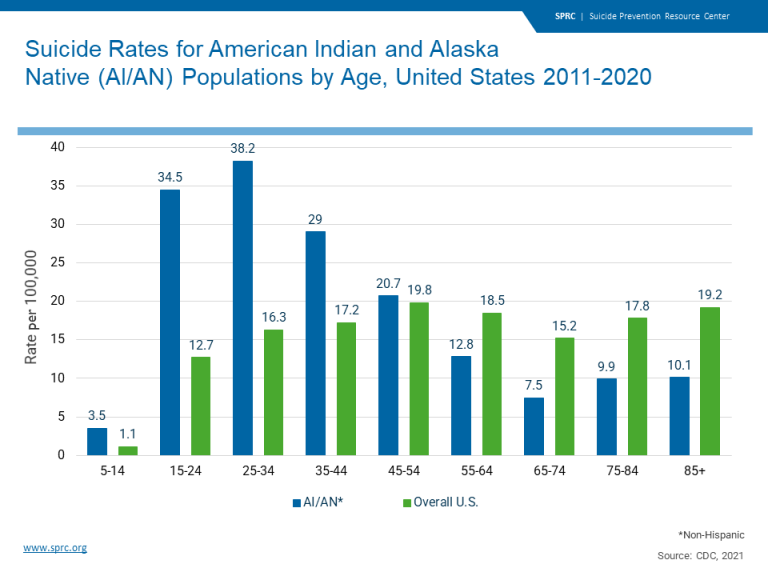
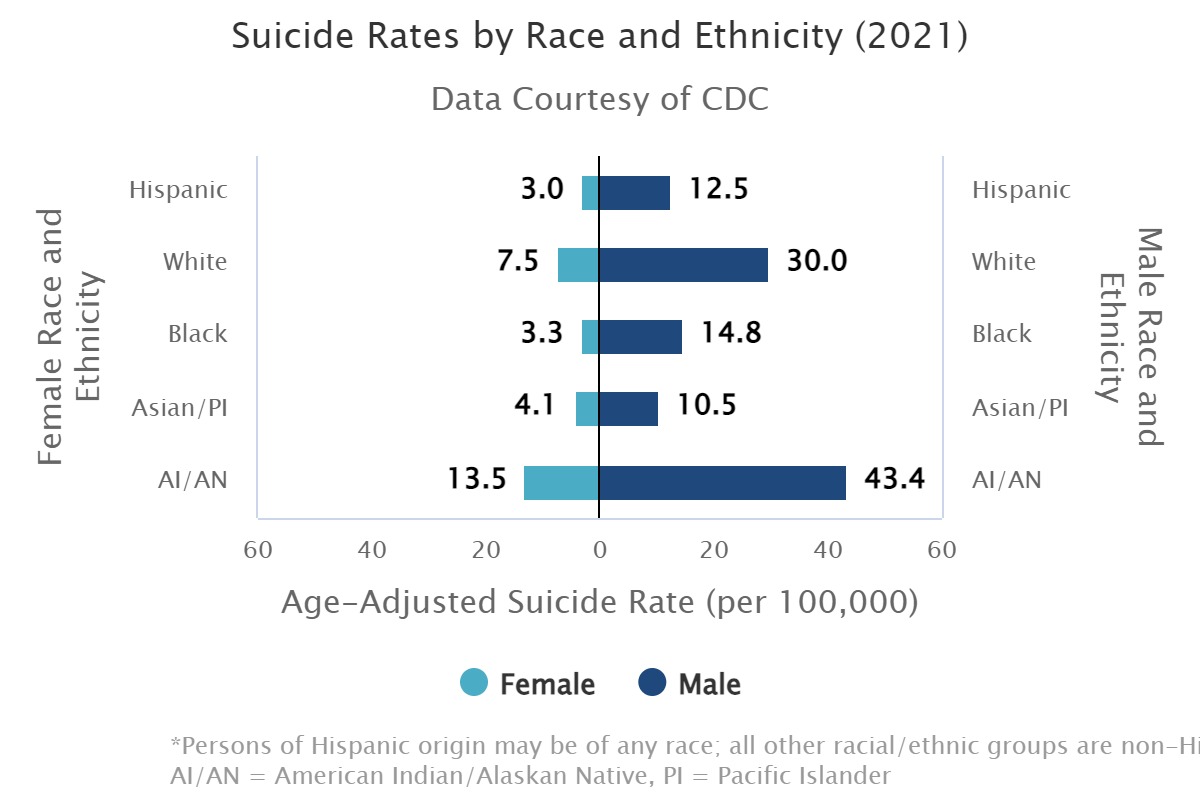
Data consistently reveals a stark reality: American Indian and Alaska Native (AI/AN) youth, particularly adolescents and young adults, experience the highest suicide rates of any ethnic group in the United States. These rates can be several times higher than the national average for their age cohorts.
For instance, among AI/AN people aged 10-24, suicide is often the second leading cause of death. In some tribal communities, these rates can be up to 10 times the national average, painting a grim picture of widespread despair and urgent need.
These statistics are not just numbers; they represent young lives lost, families shattered, and communities grappling with immense grief and trauma. The cumulative impact of these losses creates a cycle of distress that can be incredibly difficult to break.
A Deep Dive into the Root Causes
The elevated suicide rates among Native youth are not attributable to a single factor but rather a confluence of interconnected issues, many stemming from centuries of oppression and displacement.
One of the most significant contributors is intergenerational trauma, also known as historical trauma. This refers to the cumulative emotional and psychological wounds carried across generations, resulting from historical events such as colonization, forced relocation, genocide, and the boarding school era.
The forced removal of children from their families and cultures into federal Indian boarding schools, a policy designed for assimilation, inflicted deep wounds. Survivors often experienced abuse, neglect, and the systematic suppression of their language and traditions, leading to a profound loss of identity and connection.
These historical traumas manifest today as higher rates of mental health disorders, substance abuse, domestic violence, and, tragically, suicide among descendants, even those who did not directly experience the initial events.
Socioeconomic Disparities and Their Impact
Poverty, unemployment, and a lack of economic opportunities are pervasive issues on many reservations. These conditions contribute to chronic stress, hopelessness, and a feeling of entrapment, especially among young people who see limited prospects for their future.
Inadequate housing, food insecurity, and limited access to quality education further exacerbate these challenges. When basic needs are unmet, and the environment offers little hope, mental health naturally suffers, increasing vulnerability to suicidal ideation.
Barriers to Mental Healthcare Access and Quality
Beyond mere access, the services available often lack cultural competency. Western-centric mental health models may not resonate with Indigenous worldviews, which often emphasize holistic well-being, community, and spiritual connection. This mismatch can lead to mistrust and ineffective treatment.
The pervasive stigma surrounding mental health issues within some communities can also prevent individuals from seeking help. Fear of judgment or misunderstanding can keep young people from disclosing their struggles, even when services are available.
Substance Abuse and Co-occurring Disorders
Substance abuse, particularly alcohol and drug misuse, is a significant co-occurring problem. It often serves as a coping mechanism for underlying trauma, depression, and anxiety, but ultimately exacerbates mental health crises and increases suicide risk.
The cycle of addiction can be devastating, impacting not only the individual but also their family and community. Breaking this cycle requires integrated treatment approaches that address both substance use and mental health challenges simultaneously.
Loss of Cultural Identity and Connection
The erosion of traditional languages, ceremonies, and cultural practices due to historical policies has left many young people feeling disconnected from their heritage. A strong cultural identity is a protective factor against suicide, providing a sense of belonging, purpose, and resilience.
When young people feel a disconnect from their roots, they can experience an identity crisis that further contributes to feelings of isolation and hopelessness. Revitalizing cultural practices is therefore a vital component of prevention.
Discrimination and Systemic Racism
Native youth often face ongoing discrimination and racism in schools, healthcare settings, and society at large. These experiences can lead to feelings of marginalization, anger, and despair, undermining self-esteem and increasing stress.
The constant exposure to prejudice reinforces the historical narrative of being ‘less than,’ which can be incredibly damaging to a young person’s developing sense of self and their place in the world.
Pathways to Healing: Current Initiatives and Solutions
Despite the immense challenges, many Indigenous communities and their allies are working tirelessly to implement effective, culturally grounded prevention strategies. These efforts are often driven by a deep commitment to healing and strengthening their youth.
Tribal-Led Prevention Strategies are proving to be the most effective. These initiatives emphasize Indigenous wisdom, cultural revitalization, and community-based participatory approaches. They often integrate traditional healing practices with contemporary mental health support.
Examples include youth mentorship programs led by elders, language immersion camps, traditional arts and crafts workshops, and ceremonies that reinforce cultural pride and belonging. These initiatives build resilience by connecting youth to their heritage and community.
Federal and State Support Programs, such as those from the Indian Health Service (IHS) and the Substance Abuse and Mental Health Services Administration (SAMHSA), play a crucial role. These agencies provide funding, technical assistance, and resources for suicide prevention and mental health promotion in tribal communities.
However, consistent and adequate funding remains a significant challenge, often falling short of the immense needs. Advocacy for increased and sustained investment in Native youth mental health is critical.
Enhancing Access to Mental Health Services involves expanding telehealth options, especially in remote areas, and recruiting and retaining Indigenous mental health professionals. Training non-Native providers in cultural competency is also essential to ensure effective and respectful care.
School-Based Interventions are vital for early identification and support. Integrating mental health education into curricula, establishing peer support programs, and training school staff to recognize warning signs and respond appropriately can make a significant difference.
Addressing Social Determinants of Health holistically is also paramount. Initiatives that focus on economic development, improving educational outcomes, ensuring stable housing, and fostering community safety indirectly support mental well-being by creating more stable and hopeful environments.
The Critical Importance of Culturally Responsive Care
For prevention efforts to be truly effective, they must be deeply rooted in the cultural values and traditions of the communities they serve. This means moving beyond a ‘one-size-fits-all’ approach and embracing Indigenous worldviews.
Culturally responsive care integrates traditional healing methods, storytelling, ceremonies, and the wisdom of elders alongside evidence-based Western therapies. It acknowledges the spiritual, emotional, physical, and social interconnectedness that is central to many Indigenous cultures.
This approach builds trust, reduces stigma, and empowers individuals by validating their experiences within a culturally relevant framework. It fosters a sense of belonging and reinforces positive identity.
Building a Future of Hope and Resilience
Despite the profound challenges, Indigenous communities demonstrate remarkable resilience. Their strength lies in their enduring cultures, spiritual practices, and the deep bonds of family and community. Many youth are actively engaged in revitalizing their traditions and advocating for their peers.
Highlighting these strengths and empowering youth leadership are crucial components of prevention. By fostering environments where young people feel valued, heard, and connected, communities can cultivate hope and build a brighter future.
How You Can Help: A Call to Action
- Supporting Indigenous-led organizations: Donate time or resources to tribal programs and non-profits dedicated to youth mental health and cultural revitalization.
- Advocating for policy changes: Contact elected officials to advocate for increased federal funding and improved policies for Native American health and education.
- Educating yourself and others: Learn about the history and ongoing challenges faced by Indigenous communities to combat stereotypes and promote understanding.
- Promoting culturally competent care: Encourage healthcare systems to invest in training and hiring Indigenous mental health professionals.
Conclusion
The disproportionately high youth suicide rates on Indian Reservations are a stark reminder of the enduring legacy of historical trauma and systemic inequities. It is a crisis that demands immediate and sustained attention, rooted in respect, understanding, and genuine partnership.
By investing in culturally responsive prevention strategies, enhancing access to comprehensive mental healthcare, and supporting tribal-led initiatives that strengthen cultural identity and community bonds, we can collectively work towards a future where every Native youth has the opportunity to thrive, heal, and live a life filled with hope and purpose.


