
For centuries, Native American tribes have maintained a deep, spiritual, and practical connection to the land. This connection forms the basis of environmental stewardship on Indian reservations, blending traditional ecological knowledge (TEK) with contemporary conservation practices. This article explores the multifaceted aspects of this stewardship, addressing common questions and shedding light on the challenges and triumphs of protecting these vital ecosystems.
The Foundation: Traditional Ecological Knowledge (TEK)
Traditional Ecological Knowledge (TEK) represents a cumulative body of knowledge, practices, and beliefs, evolving through adaptive processes and handed down through generations by cultural transmission, about the relationship of living beings (including humans) with one another and with their environment. It encompasses a deep understanding of local ecosystems, sustainable resource management techniques, and a profound respect for the interconnectedness of all living things. This knowledge is not merely historical; it is a living, evolving system that continues to inform contemporary conservation efforts.
Key Principles of TEK
- Holistic Perspective: TEK views ecosystems as interconnected webs of life, recognizing the importance of biodiversity and the delicate balance of nature.
- Long-Term Observation: Generations of observation and interaction with the environment provide a deep understanding of ecological processes and long-term trends.
- Sustainable Practices: TEK emphasizes resource management practices that ensure the long-term health and productivity of ecosystems. This often includes rotational harvesting, controlled burns, and other techniques designed to mimic natural processes.
- Respect for Nature: TEK is rooted in a deep respect for the intrinsic value of nature and the understanding that humans are part of, not separate from, the environment.
Contemporary Environmental Challenges on Reservations
Despite the rich tradition of environmental stewardship, Indian reservations face numerous contemporary challenges that threaten the health of their ecosystems and the well-being of their communities. These challenges often stem from historical injustices, economic pressures, and jurisdictional complexities.
Resource Extraction and Pollution
Many reservations are located in areas rich in natural resources, such as coal, oil, and uranium. The extraction of these resources has often led to significant environmental damage, including water contamination, air pollution, and habitat destruction. Furthermore, historical mining activities have left a legacy of abandoned mines and contaminated sites that require extensive remediation.
Climate Change Impacts
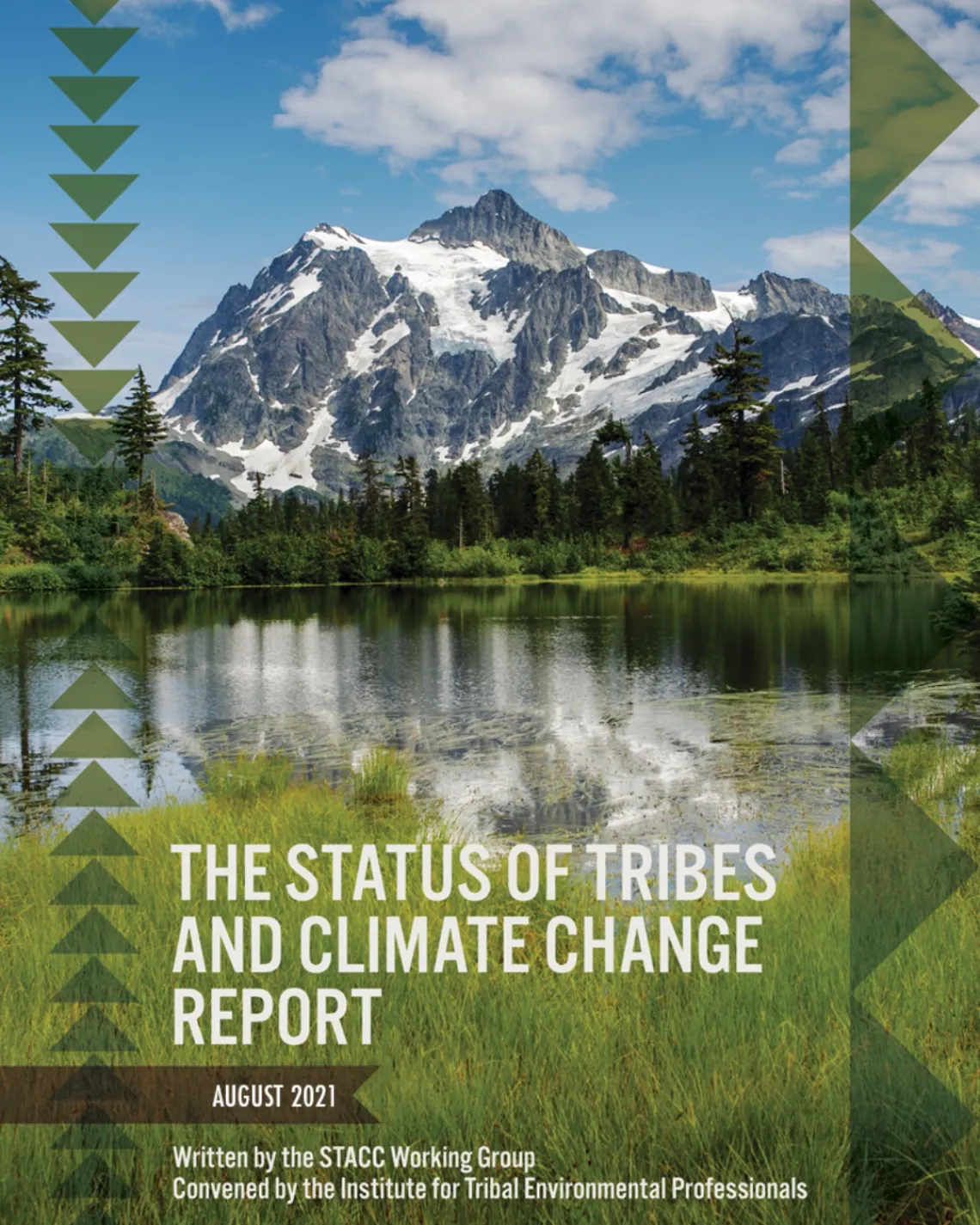
Climate change disproportionately affects many tribal communities, exacerbating existing environmental vulnerabilities. Rising temperatures, changing precipitation patterns, and increased frequency of extreme weather events threaten water resources, agricultural practices, and traditional ways of life. Coastal tribes are particularly vulnerable to sea-level rise and coastal erosion.
Jurisdictional Issues and Regulatory Gaps
The complex jurisdictional landscape on Indian reservations often creates challenges for environmental regulation and enforcement. Federal, state, and tribal governments may have overlapping or conflicting authority, leading to regulatory gaps and inconsistent enforcement of environmental laws. This can hinder efforts to protect natural resources and hold polluters accountable.
Tribal Environmental Programs: A Proactive Approach
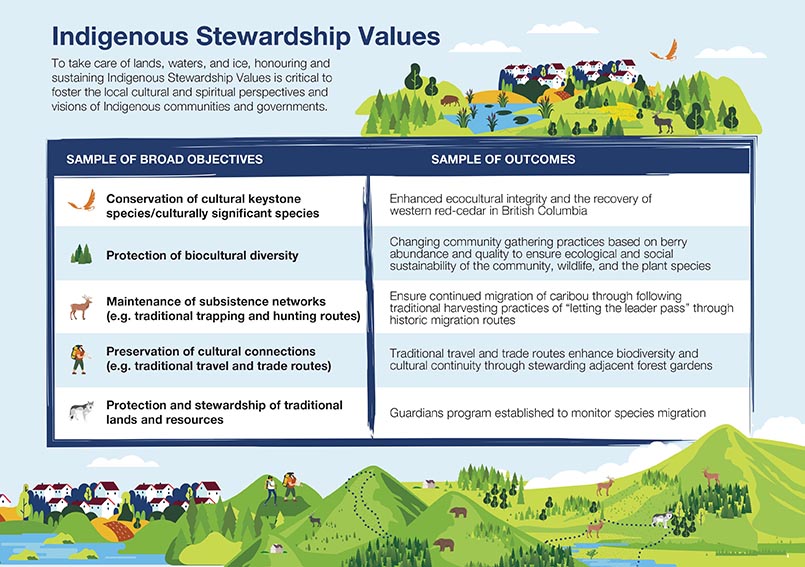
In response to these challenges, many tribes have developed comprehensive environmental programs to protect their natural resources and promote sustainable development. These programs often incorporate TEK with modern scientific methods to address specific environmental issues.
Water Resource Management
Water is a sacred resource for many tribes, and its protection is a top priority. Tribal water resource management programs often focus on monitoring water quality, restoring riparian habitats, and developing sustainable water use strategies. Some tribes are also asserting their water rights to ensure access to adequate water supplies for their communities and ecosystems.
Habitat Restoration and Species Conservation
Tribal environmental programs often include habitat restoration projects to enhance biodiversity and support threatened or endangered species. These projects may involve restoring wetlands, reforesting degraded areas, and removing invasive species. Tribes also play a crucial role in conserving culturally significant species, such as salmon, bison, and eagles.
Renewable Energy Development
Many tribes are embracing renewable energy sources, such as solar, wind, and geothermal, to reduce their reliance on fossil fuels and promote energy independence. Renewable energy projects can also create economic opportunities for tribal members and contribute to a cleaner environment.
Success Stories of Environmental Stewardship
Numerous success stories highlight the effectiveness of tribal environmental stewardship. These examples demonstrate the power of combining TEK with modern science to achieve meaningful conservation outcomes.
The Klamath River Restoration
The Yurok and Karuk Tribes have been instrumental in advocating for the restoration of the Klamath River, which has been severely impacted by dams and water diversions. Their efforts have led to increased awareness of the river’s ecological importance and have paved the way for dam removal and improved water management practices.
The Menominee Forest Management
The Menominee Tribe has practiced sustainable forestry for over 150 years, managing their forest resources in a way that maintains both ecological integrity and economic viability. Their approach serves as a model for sustainable forest management around the world.
Bison Restoration on the Great Plains
Several tribes are working to restore bison populations on the Great Plains, recognizing the ecological and cultural significance of this iconic species. These efforts involve reintroducing bison to tribal lands, managing grazing patterns, and promoting bison-based economic development.
Bridging the Gap: Collaboration and Partnerships
Effective environmental stewardship on Indian reservations requires collaboration and partnerships between tribal, federal, state, and local governments, as well as non-profit organizations and private landowners. These partnerships can leverage resources, share expertise, and build consensus around common goals.
Co-Management Agreements
Co-management agreements allow tribes to share management responsibilities for natural resources with federal or state agencies. These agreements can provide tribes with greater control over resource management decisions and ensure that their perspectives are considered.
Intertribal Organizations
Intertribal organizations provide a platform for tribes to collaborate on environmental issues, share best practices, and advocate for their collective interests. These organizations can also play a crucial role in coordinating research, monitoring, and enforcement activities.
Answering Common Questions (People Also Ask)
What is the role of the EPA on Indian reservations?
The Environmental Protection Agency (EPA) has a trust responsibility to protect the environment and public health on Indian reservations. The EPA provides funding, technical assistance, and regulatory oversight to tribal environmental programs. However, tribes also have the authority to develop and implement their own environmental regulations, often with EPA approval.
How can I support environmental stewardship on Indian reservations?
There are many ways to support environmental stewardship on Indian reservations. You can donate to tribal environmental organizations, advocate for policies that protect tribal sovereignty and natural resources, and educate yourself about the environmental challenges facing tribal communities. Supporting businesses that are tribally owned and sustainably operated is another great way to show support.
What are the biggest threats to the environment on Indian reservations?
The biggest threats to the environment on Indian reservations include resource extraction, pollution, climate change, and jurisdictional complexities. These threats can have devastating impacts on tribal communities and ecosystems.
The Path Forward: Empowering Tribal Sovereignty
The key to effective environmental stewardship on Indian reservations lies in empowering tribal sovereignty. Tribes must have the authority and resources to manage their natural resources in accordance with their own values and priorities. This requires strengthening tribal governance, promoting economic development, and ensuring access to education and training.
Strengthening Tribal Governance
Strong tribal governance is essential for effective environmental stewardship. This includes developing comprehensive environmental regulations, establishing effective enforcement mechanisms, and building the capacity of tribal environmental staff.
Promoting Economic Development
Sustainable economic development can provide tribes with the resources they need to protect their natural resources and improve the well-being of their communities. This includes supporting tribal businesses, promoting renewable energy development, and investing in sustainable tourism.
Conclusion: A Legacy of Stewardship
Environmental stewardship on Indian reservations is a testament to the enduring connection between Native American tribes and the land. By blending traditional ecological knowledge with modern conservation practices, tribes are working to protect their natural resources, preserve their cultural heritage, and create a sustainable future for their communities. Supporting these efforts is not only a matter of environmental justice but also a vital step towards building a more sustainable and equitable world for all.
This article highlights the critical role of environmental stewardship on Indian reservations. It emphasizes the importance of Traditional Ecological Knowledge (TEK), the challenges faced, and the proactive measures taken by tribes. Collaboration and empowerment are key to ensuring a sustainable future.
By understanding and supporting the environmental initiatives of Native American tribes, we contribute to a healthier planet and honor the legacy of stewardship that has been passed down through generations. Let’s work together to protect these vital ecosystems and empower tribal communities to continue their crucial work as guardians of the earth.


