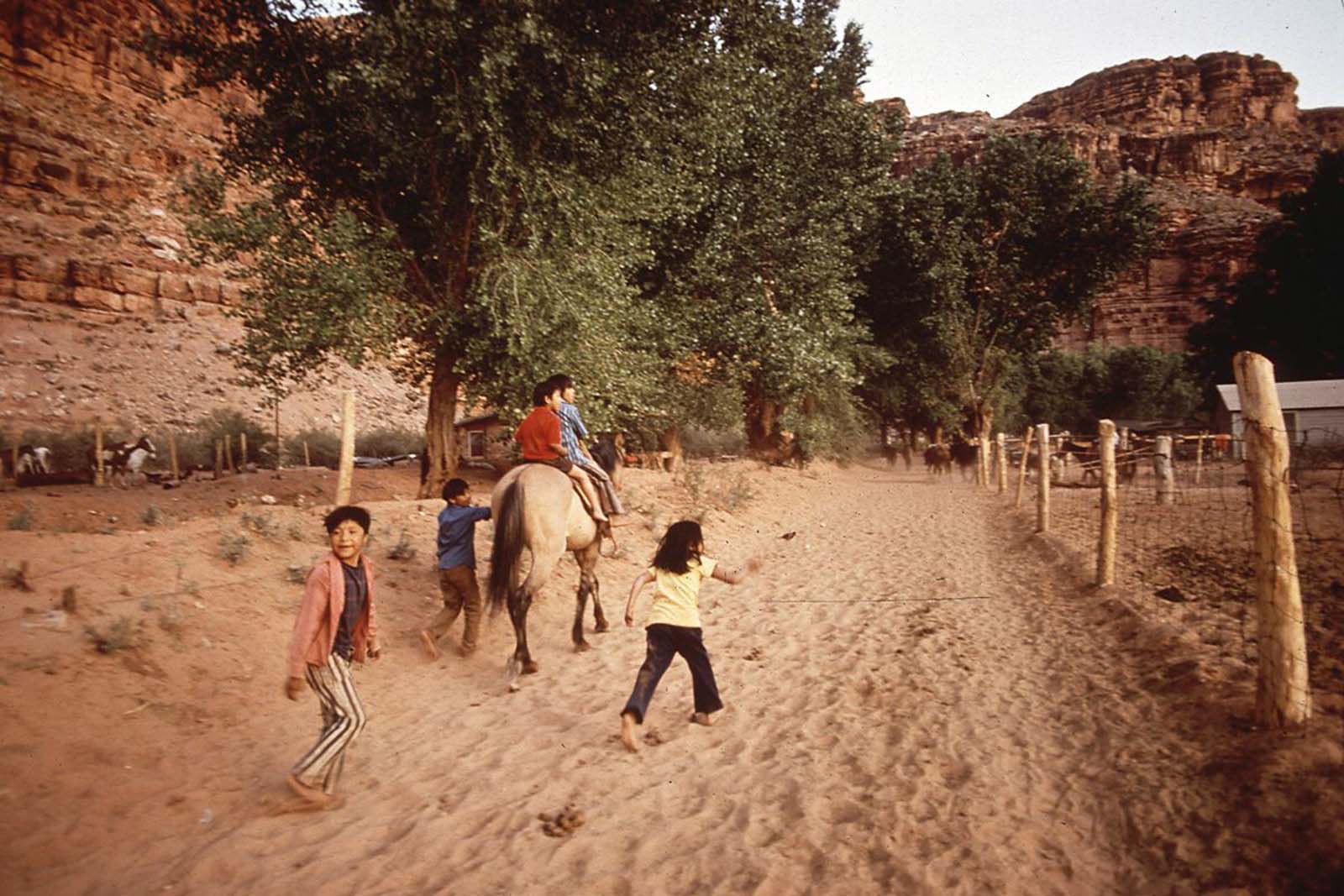
Indian reservations are more than just geographical locations; they are vibrant communities with unique histories, cultures, and challenges. Understanding daily life on these reservations requires a nuanced perspective that acknowledges both the struggles and the resilience of Native American people. This article aims to provide a comprehensive overview of what life is like on Indian reservations, addressing common questions and shedding light on important aspects of these communities.
What is an Indian Reservation?
An Indian reservation is an area of land reserved for a tribe or tribes under treaty or other agreement with the United States, executive order, or federal statute or administrative action as permanent tribal homelands, and where the federal government holds title to the land in trust on behalf of the tribe. These reservations vary significantly in size, location, and resources.
Who Lives on Indian Reservations?
Primarily, Indian reservations are home to members of federally recognized tribes. However, the demographics can be diverse, including non-Native individuals who may live, work, or conduct business within reservation boundaries. The tribal government holds authority over its members and the reservation land.
Historical Context: A Foundation for Understanding
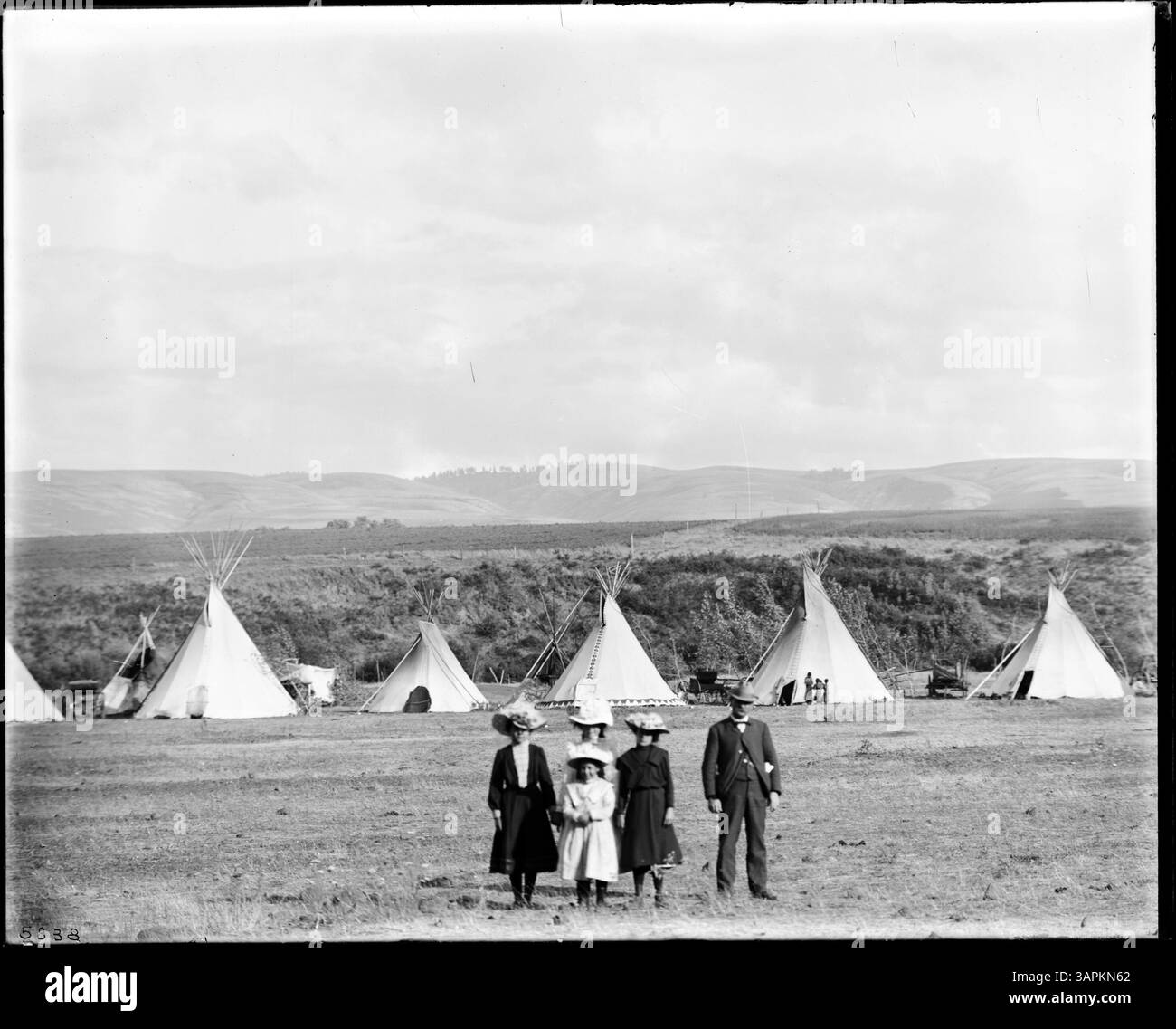
To truly understand daily life on Indian reservations, it’s crucial to acknowledge the historical context. Treaties, forced removals, and assimilation policies have had a profound and lasting impact on Native American communities. This history shapes the present-day realities faced by tribal members.
Cultural Preservation: Maintaining Identity in a Changing World
- Language Revitalization: Many tribes are actively working to teach and promote their native languages to younger generations.
- Traditional Arts and Crafts: Traditional art forms like weaving, pottery, and beadwork are not only cultural expressions but also sources of income.
- Ceremonies and Celebrations: Powwows, dances, and other ceremonies play a vital role in maintaining cultural identity and community cohesion.
- Storytelling: Oral traditions are kept alive through storytelling, passing down history, values, and beliefs.
Economic Realities: Challenges and Opportunities
- High Unemployment Rates: Lack of job opportunities is a persistent issue on many reservations.
- Poverty: Poverty rates are often significantly higher than the national average.
- Limited Access to Capital: Securing loans and investment can be difficult for tribal businesses.
- Tribal Enterprises: Casinos, resorts, and other businesses owned and operated by the tribe.
- Natural Resource Management: Utilizing natural resources like timber, oil, and gas in a sustainable way.
- Small Business Development: Supporting Native American entrepreneurs.
- Tourism: Promoting cultural tourism to generate revenue.
Education: Investing in the Future
- Underfunding: BIE schools are often underfunded compared to public schools.
- Teacher Turnover: High teacher turnover rates can disrupt the learning process.
- Cultural Relevance: Ensuring that the curriculum is culturally relevant and responsive to the needs of Native American students.
- Developing culturally relevant curriculum: Incorporating Native American history, language, and culture into the curriculum.
- Supporting Native American teachers: Providing training and support for Native American educators.
- Increasing parental involvement: Encouraging parents to be actively involved in their children’s education.

Healthcare: Addressing Health Disparities
- Limited Access to Care: Many reservations are located in remote areas with limited access to healthcare facilities.
- Underfunding: The IHS is chronically underfunded, leading to long wait times and limited services.
- Cultural Barriers: Cultural differences can sometimes create barriers to effective healthcare.
- Increasing funding for the IHS: Advocating for increased funding to improve healthcare services.
- Expanding access to telemedicine: Utilizing technology to provide healthcare services remotely.
- Training Native American healthcare providers: Increasing the number of Native American doctors, nurses, and other healthcare professionals.
- Integrating traditional healing practices: Incorporating traditional healing practices into healthcare.
Housing: Addressing Overcrowding and Inadequate Housing
- Limited Funding: Insufficient funding for housing programs.
- Land Ownership Issues: Complex land ownership patterns can make it difficult to build new homes.
- Remote Locations: Building in remote areas can be more expensive and challenging.
- Increasing funding for housing programs: Advocating for increased funding for programs like the Native American Housing Assistance and Self-Determination Act (NAHASDA).
- Developing innovative housing solutions: Exploring new and sustainable housing options.
- Addressing land ownership issues: Streamlining the process of obtaining land for housing development.
Self-Determination: Empowering Tribal Sovereignty
- Tribal Governance: Tribes have the right to establish their own governments and laws.
- Economic Development: Tribes have the right to control their own economic development.
- Education: Tribes have the right to control their own education systems.
- Healthcare: Tribes have the right to control their own healthcare systems.
Legal and Political Landscape: Navigating Complex Relationships
The legal and political landscape surrounding Indian reservations is complex. Tribal governments have a unique relationship with the federal government, often described as a government-to-government relationship. This relationship is defined by treaties, federal laws, and court decisions. Understanding this complex legal framework is essential for understanding the challenges and opportunities faced by tribal communities.
Community and Social Life: Strength in Unity
Addressing Common Misconceptions
- All Native Americans receive free money from the government: This is false. While some tribes receive revenue from natural resources or tribal enterprises, this money is used to fund tribal programs and services.
- Reservations are lawless: This is also false. Tribal governments have their own law enforcement agencies and court systems.
- All Native Americans live in poverty: While poverty rates are higher on reservations, many Native Americans are successful professionals, entrepreneurs, and leaders.
The Future of Indian Reservations: Hope and Resilience
- Investing in education: Ensuring that Native American youth have access to quality education.
- Promoting economic development: Creating jobs and economic opportunities on reservations.
- Preserving their culture: Maintaining and revitalizing Native American languages, traditions, and cultures.
- Advocating for tribal sovereignty: Protecting and strengthening tribal self-determination.
Conclusion: A Complex Tapestry of Life
Daily life on Indian reservations is a complex tapestry woven with threads of history, culture, challenge, and resilience. Understanding the realities of life on these reservations requires a commitment to learning, listening, and respecting the unique experiences of Native American people. By addressing the challenges and supporting the efforts of tribal communities, we can help create a brighter future for all.
This exploration into daily life on Indian reservations reveals the importance of cultural preservation, the complexities of economic development, the critical need for educational and healthcare improvements, and the overarching goal of self-determination. It’s a reminder of the ongoing journey towards justice, equity, and respect for Native American communities.
LSI Keywords: Tribal sovereignty, Native American culture, Indian Health Service, Bureau of Indian Education, reservation economics, cultural preservation, tribal governance, Native American education, healthcare disparities, self-determination, indigenous communities, tribal lands, treaty rights, reservation life, indigenous languages


