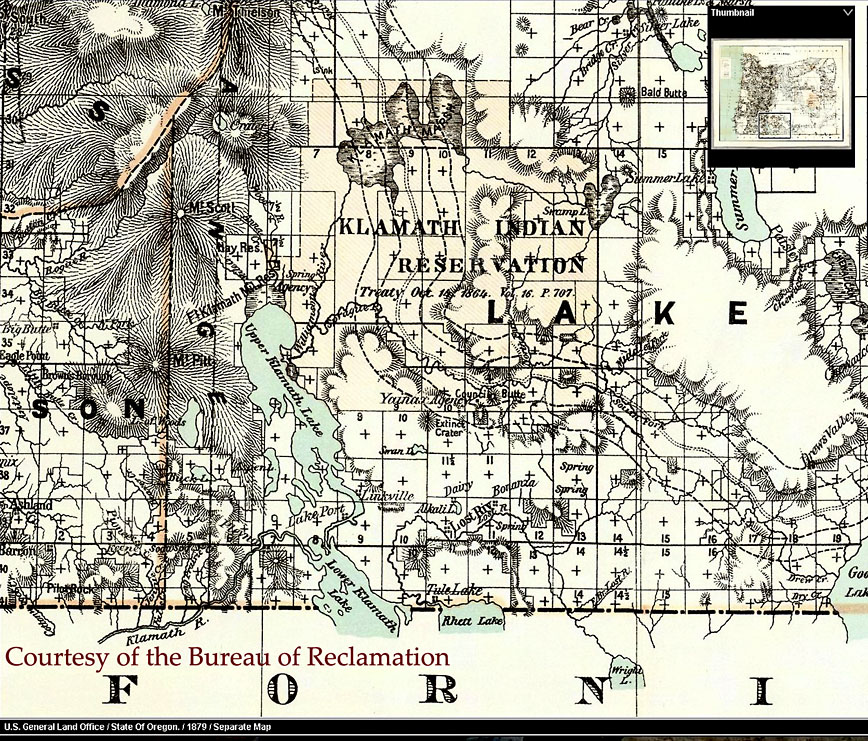
The Klamath Tribes Reservation, nestled in the picturesque landscape of Southern Oregon, represents more than just a geographical location; it embodies centuries of history, profound cultural heritage, and an extraordinary saga of resilience. This comprehensive overview delves into the heart of the Klamath Tribes, exploring their origins, the challenges they’ve faced, and their ongoing commitment to sovereignty and cultural preservation.
Comprising the Klamath, Modoc, and Yahooskin-Paiute peoples, the Klamath Tribes have called the vast Klamath Basin home for millennia. Their ancestral lands, rich in natural resources, sustained their communities through hunting, fishing, and gathering, fostering a deep spiritual connection to the land and its ecosystems.
A Glimpse into Early History and Treaty Making
Before European contact, the Klamath people thrived in a complex society with intricate social structures and sustainable practices. Their territory stretched across what is now south-central Oregon and northern California, centered around the abundant lakes and rivers of the Klamath Basin.
The pivotal moment in their modern history arrived with the Treaty of 1864. In this agreement, the Klamath, Modoc, and Yahooskin-Paiute ceded millions of acres of their aboriginal territory to the United States government, retaining a significantly smaller reservation. This treaty marked the formal establishment of the Klamath Reservation, promising protection and resources in exchange for land.
Life on the early reservation was a period of adaptation and significant change. The tribes worked to maintain their traditions while navigating new governmental policies, the introduction of different economic systems, and the pressures of assimilation.
The Devastating Era of Termination
One of the most tragic chapters in the history of the Klamath Tribes, and indeed for many Native American nations, was the federal policy of ‘termination.’ In 1954, the U.S. Congress passed the Klamath Termination Act, a policy designed to assimilate Native Americans by dissolving their tribal governments, ending federal services, and liquidating their assets.
The termination of the Klamath Tribes was particularly impactful due to their significant timber resources. The federal government argued that the Klamath were ‘ready’ for self-sufficiency, but the reality was a devastating loss of their land base, trust status, and governmental recognition.
The consequences were severe and far-reaching. Over 800,000 acres of tribally owned timberland, a cornerstone of their economic self-sufficiency and cultural identity, were sold off. Tribal members were forced to choose between withdrawing from the tribe and receiving a payout, or remaining tribal members with no land or federal recognition.
This era led to immense economic hardship, cultural disruption, and social challenges for the Klamath people. Many tribal members lost their homes, their jobs, and their connection to traditional support systems, scattering families and eroding the fabric of their community.
The Long Road to Restoration and Reaffirmation
Despite the profound setbacks, the spirit of the Klamath people remained unbroken. A dedicated movement for restoration began, driven by tribal elders and leaders who refused to let their heritage disappear. They tirelessly advocated for the return of their sovereign status and the recognition of their inherent rights.
After decades of persistent effort, advocacy, and political maneuvering, their efforts bore fruit. On August 27, 1986, President Ronald Reagan signed the Klamath Restoration Act into law. This monumental act officially reinstated the Klamath Tribes’ federal recognition, restoring their sovereign status and paving the way for rebuilding their nation.
The Restoration Act was a beacon of hope, but it did not automatically return the vast lands lost during termination. The tribes faced the daunting task of re-establishing their government, rebuilding their infrastructure, and revitalizing their cultural practices without the extensive land base they once held.

Modern Klamath Tribes: Governance, Economy, and Culture
Today, the Klamath Tribes operate as a federally recognized sovereign nation, governed by an elected Tribal Council. They are headquartered in Chiloquin, Oregon, and continue to manage significant resources and provide essential services to their members.
Economically, the Klamath Tribes have diversified their ventures. While timber remains an important resource, they have also invested in gaming (Kla-Mo-Ya Casino), tourism, and other enterprises to create jobs and foster self-sufficiency for their community.
Cultural preservation is a paramount focus. The tribes actively work to revitalize their languages (Klamath and Modoc), traditional ceremonies, arts, and storytelling. Educational programs ensure that younger generations learn about their rich heritage and ancestral knowledge.
The Enduring Challenge: Water Rights in the Klamath Basin
One of the most significant and ongoing challenges for the Klamath Tribes is the issue of water rights in the arid Klamath Basin. Their senior water rights, established by the 1864 treaty, are crucial for supporting traditional fishing practices, maintaining critical wetland habitats, and sustaining the health of the Klamath River ecosystem.
The basin is a complex ecosystem shared by agriculture, endangered species, and other stakeholders. Disputes over water allocation, particularly during drought years, often pit tribal rights against the needs of irrigators and environmental conservationists, leading to contentious legal and political battles.
The Klamath Tribes are at the forefront of advocating for sustainable water management practices that respect their treaty rights, protect salmon and other native fish populations, and ensure the long-term ecological health of the Klamath Basin.
People Also Ask: Common Questions About the Klamath Tribes
Environmental Stewardship and Future Aspirations
The Klamath Tribes are vital stewards of the land and water. They actively participate in forest management, wetland restoration, and efforts to protect endangered species, viewing these actions as an extension of their traditional responsibilities to care for Mother Earth.
Looking forward, the Klamath Tribes continue to pursue economic development opportunities, strengthen their cultural programs, and advocate for policies that honor tribal sovereignty and promote environmental justice. Their vision includes a thriving, self-sufficient community deeply rooted in its traditions and committed to a sustainable future for all.
The journey of the Klamath Tribes Reservation in Oregon is a powerful testament to the enduring spirit of Indigenous peoples. From the depths of termination to the triumph of restoration, their story is one of unwavering determination, cultural endurance, and a profound commitment to their ancestral lands and future generations.


