
Oregon’s picturesque coastline is home to a tapestry of natural beauty and profound history. Among its most compelling stories is that of the Confederated Tribes of Siletz Indians, whose reservation stands as a testament to resilience, cultural preservation, and self-determination. This comprehensive guide delves into the heart of the Siletz Tribe Reservation, exploring its past, present, and future.
The Siletz Reservation, officially known as the Confederated Tribes of Siletz Indians of Oregon, represents a unique and powerful narrative in Native American history. It’s not just a geographical location; it’s a living, breathing community that has overcome immense challenges to thrive and maintain its ancestral heritage.
Understanding the Siletz Tribe begins with acknowledging their deep roots in the Pacific Northwest. Before European contact, the ancestors of the Siletz people occupied vast territories across what is now western Oregon, from the coastal mountains to the Willamette Valley. They were diverse groups, speaking multiple languages and practicing distinct cultural traditions.
A Confluence of Peoples: The Confederated Tribes
The ‘Confederated’ aspect of the Siletz Tribe’s name is crucial. It signifies a gathering of over 27 distinct bands and tribes, forcibly removed from their ancestral lands during the mid-19th century. These groups, including the Shasta, Tututni, Chetco, Tillamook, Alsea, and many others, were consolidated onto a single reservation, leading to a complex blending of cultures and the eventual formation of a unified Siletz identity.
This forced consolidation was a direct result of the U.S. government’s policy of Indian Removal and a series of treaties, many of which were broken or unratified. The 1855 Treaty of Tansey Point, for instance, promised a permanent home, a promise that would prove fleeting for many.

The Great Removal and the Siletz Coast Reservation
The mid-1850s saw the tragic "Great Removal," where thousands of Indigenous people were marched from their homelands to the newly established Coast Reservation. This reservation, stretching for over a hundred miles along the Oregon Coast, was intended to isolate Native populations and open up land for white settlers.
The Siletz Agency, established in 1856, became the administrative center for a significant portion of this reservation. Life was incredibly difficult, marked by disease, starvation, and the suppression of traditional practices. Despite these hardships, the diverse groups began to forge new bonds and a shared sense of community.
Termination and Restoration: A Fight for Survival and Recognition
In the mid-20th century, the Siletz Tribe faced another existential threat: the federal policy of "termination." The Western Oregon Indian Termination Act of 1954 unilaterally ended the federal government’s recognition of many Oregon tribes, including the Siletz. This meant the loss of tribal lands, resources, and essential services, plunging the community into severe poverty and cultural distress.
However, the spirit of the Siletz people could not be terminated. For over two decades, tribal members tirelessly advocated for the restoration of their federal recognition. This grassroots movement, led by determined elders and community leaders, culminated in a historic victory.
On November 18, 1977, the Confederated Tribes of Siletz Indians became the second tribe in the United States to have its federal recognition restored. This landmark achievement, known as the Siletz Restoration Act, also re-established their reservation status, albeit on a much smaller land base than originally promised.
Geography and Location: Where the River Meets the Ocean
Today, the Siletz Reservation is primarily located in Lincoln County, Oregon, centered around the community of Siletz, approximately 15 miles northeast of Newport. While the tribal land base is relatively small compared to their ancestral territories, it includes crucial parcels along the Siletz River and extends to other areas within their original homeland.
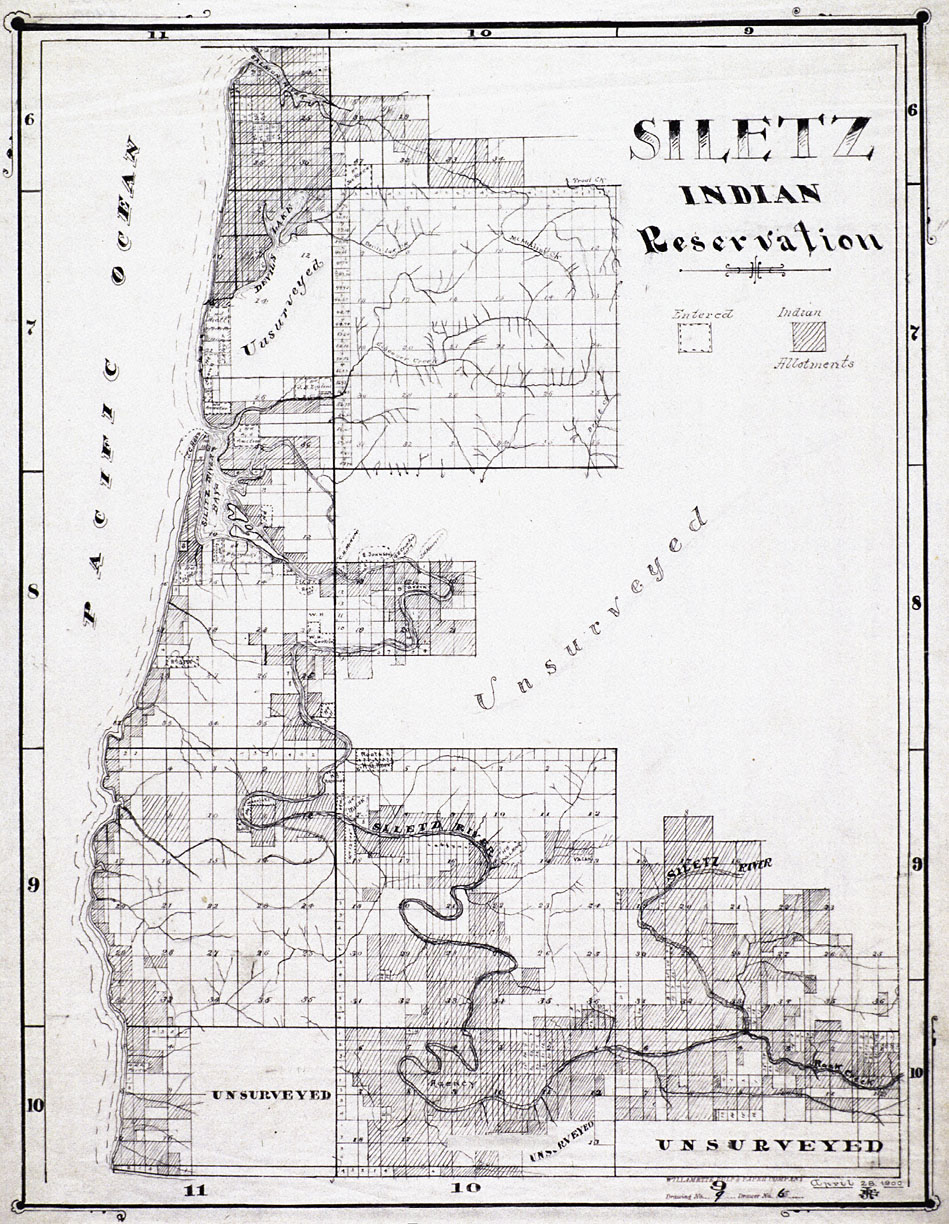
The reservation’s landscape is characterized by the lush forests of the Coast Range and the winding Siletz River, which flows into the Pacific Ocean. This natural environment continues to play a vital role in the tribe’s cultural practices and economic development.
Cultural Revival and Language Preservation
Following restoration, the Siletz Tribe embarked on a powerful journey of cultural revival. Efforts to reclaim and preserve their diverse traditions, ceremonies, and languages became paramount. The tribe actively supports programs focused on teaching the Siletz Dee-ni language, a unique Athabaskan language spoken by some of their ancestors, ensuring its survival for future generations.
Traditional arts, such as basket weaving, regalia making, and storytelling, are also flourishing. The tribe hosts cultural events and educational programs to connect younger generations with their heritage and share their rich history with the broader community.
Governance and Self-Determination
The Confederated Tribes of Siletz Indians operate under a democratically elected Tribal Council, which serves as the governing body. This council is responsible for making decisions that benefit the tribal members, manage tribal enterprises, and protect tribal sovereignty.
Self-determination is a cornerstone of the Siletz Tribe’s philosophy. They manage their own governmental services, including health care, education, housing, and social services, demonstrating their capacity to govern and provide for their people effectively.
Economic Development: The Chinook Winds Casino Resort
A significant driver of the Siletz Tribe’s economic resurgence is the Chinook Winds Casino Resort, located in Lincoln City, Oregon. Opened in 1995, Chinook Winds has become a major employer and economic engine for both the tribe and the surrounding region.
The revenues generated from the resort are reinvested into tribal programs and services, supporting education, elder care, cultural initiatives, and infrastructure development. This successful enterprise allows the tribe to achieve greater financial independence and provide essential resources to its members.
Beyond gaming, the tribe also engages in other enterprises, including natural resource management, forestry, and property development, all aimed at creating sustainable economic growth and opportunities for tribal members.
Environmental Stewardship and Resource Management
The Siletz Tribe holds a profound respect for the land and its resources, stemming from millennia of living in harmony with nature. They are active participants in environmental conservation efforts, particularly concerning the Siletz River watershed.
The tribe works to protect and restore fish habitats, manage forests sustainably, and ensure the health of the ecosystems within their aboriginal territory. Their traditional ecological knowledge provides invaluable insights into effective resource management.
Community Services and Programs
The Siletz Tribe provides a comprehensive array of services to its members, reflecting its commitment to their well-being. These include:
- Health Services: A tribal health clinic offers medical, dental, and behavioral health services.
- Education: Programs supporting early childhood education, scholarships for higher education, and cultural enrichment.
- Housing: Assistance programs to ensure safe and affordable housing for tribal families.
- Elder Care: Services and activities designed to honor and support the tribal elders.
- Social Services: Family support, youth programs, and community development initiatives.
These programs are vital in strengthening the community, preserving cultural identity, and ensuring that every tribal member has the opportunity to thrive.
Visiting the Siletz Reservation and Engaging with the Tribe
While the Siletz Reservation is primarily a private community for tribal members, the Confederated Tribes of Siletz Indians welcome visitors to certain public-facing enterprises and events. The Chinook Winds Casino Resort is a popular destination, offering entertainment, dining, and lodging.
The tribe also hosts various cultural events throughout the year, some of which are open to the public. These events provide opportunities to learn about Siletz culture, witness traditional dances, and experience the vibrant community spirit. It’s always advisable to check the official tribal website for specific event schedules and visitor guidelines.
The Siletz Today: A Beacon of Hope and Progress
Today, the Confederated Tribes of Siletz Indians stand as a powerful example of Indigenous resurgence. From the brink of termination, they have rebuilt their nation, revitalized their culture, and established a strong economic foundation. Their journey is a testament to the enduring strength, adaptability, and unwavering spirit of Native American peoples.
The Siletz Tribe continues to be a vital force in Oregon, contributing significantly to the state’s economy, cultural landscape, and environmental stewardship. Their story is an essential chapter in the broader narrative of American history, reminding us of the importance of sovereignty, self-determination, and respect for all cultures.
Conclusion: A Legacy of Resilience and Renewal
The Siletz Tribe Reservation in Oregon is far more than just a geographical location; it is a vibrant hub of culture, history, and progress. From the forced confederation of diverse bands to the devastating era of termination and the triumphant fight for restoration, the Siletz people have demonstrated extraordinary resilience.
Their commitment to cultural preservation, language revitalization, robust self-governance, and sustainable economic development serves as an inspiring model. The Confederated Tribes of Siletz Indians continue to honor their ancestors while forging a prosperous future, ensuring their enduring legacy for generations to come.
By understanding and respecting the journey of the Siletz Tribe, we gain deeper insight into the complex history of Oregon and the unwavering spirit of its Indigenous peoples.
.jpeg?w=200&resize=200,135&ssl=1 "Job Training Programs On Indian Reservations")


