
The Confederated Tribes of Grand Ronde Community of Oregon stands as a powerful testament to resilience, cultural preservation, and self-determination. Located in the beautiful Willamette Valley, this sovereign nation embodies centuries of history, a vibrant present, and a promising future. Understanding the Grand Ronde Community means delving into a rich tapestry of diverse tribal lineages, a profound connection to the land, and an inspiring journey through adversity and triumph.
For those seeking to understand the heart of Oregon’s Native American heritage, the Grand Ronde Reservation offers a compelling narrative. It is a place where ancient traditions meet modern governance, and where the commitment to community and cultural identity remains unwavering.
A Rich Tapestry of Heritage: Understanding the Grand Ronde Community
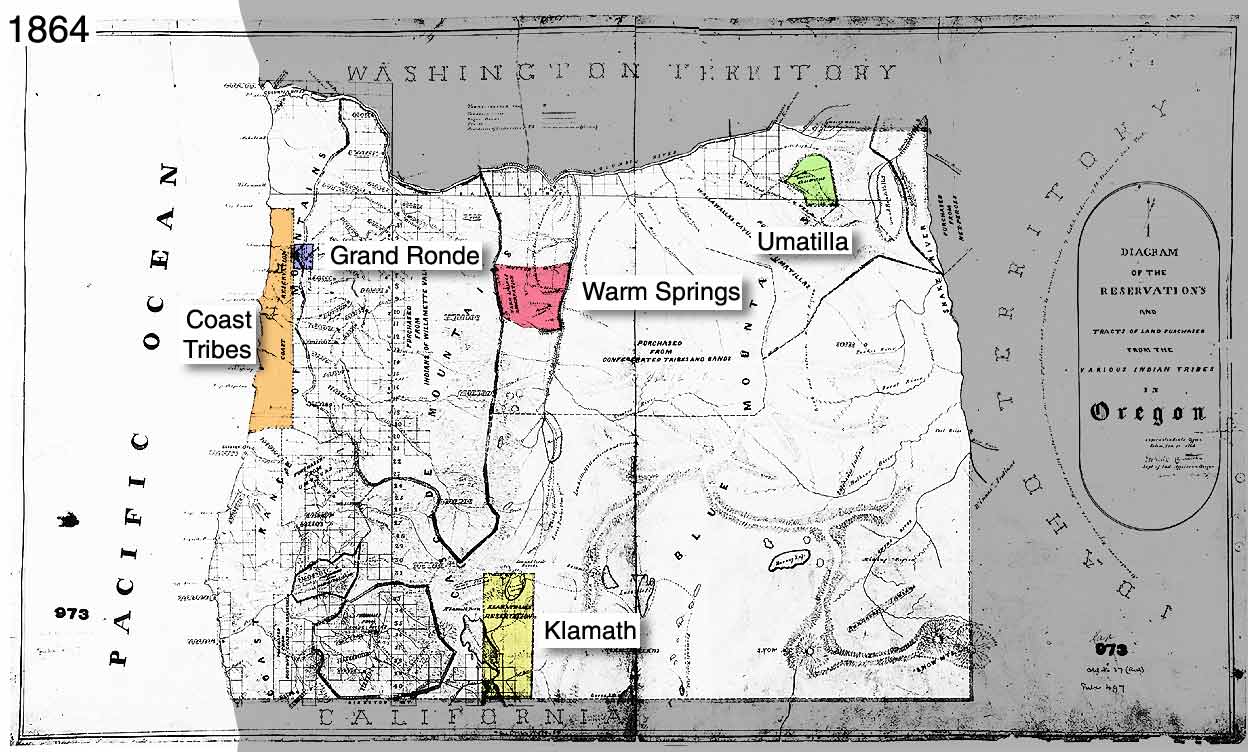
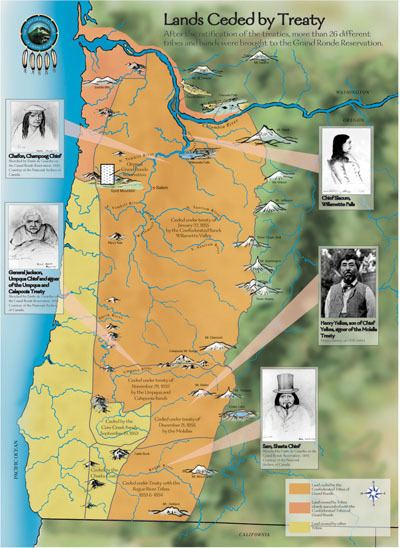
The Grand Ronde Community is not a single tribe but a confederation of over 30 tribes and bands from western Oregon, northern California, and southwest Washington. This unique amalgamation was a direct result of forced relocation policies during the mid-19th century. Tribes such as the Kalapuya, Clackamas, Cowlitz, Rogue River, Umpqua, and many others were removed from their ancestral lands and concentrated onto the Grand Ronde Reservation.
This confederation, forged under duress, became a new, unified community. Despite the immense challenges of displacement and cultural disruption, these diverse peoples found common ground, intermarried, and began to build a shared future, laying the foundation for the vibrant community we see today.
The reservation itself spans approximately 12,000 acres, nestled amidst the scenic forests and rivers of Polk and Yamhill counties. While significantly smaller than their original combined territories, this land base serves as the physical and spiritual home for the Confederated Tribes, providing a crucial foundation for their cultural practices and economic development.
A Journey Through Time: The Enduring History of Grand Ronde
Before European contact, the ancestral lands of the Grand Ronde constituent tribes were teeming with life and diverse cultures. These indigenous peoples lived sustainably for millennia, managing the rich natural resources of the Willamette Valley, coastal areas, and mountain ranges. Their societies were complex, with sophisticated trade networks, distinct languages, and intricate spiritual beliefs.
The mid-19th century brought dramatic and devastating changes. With the influx of Euro-American settlers following the Oregon Trail, treaties were negotiated, often under duress, leading to the ceding of vast ancestral territories. The U.S. government established reservations, including Grand Ronde in 1856, as a place to relocate these disparate tribes.
Life on the early Grand Ronde Reservation was incredibly difficult. The forced relocation, often involving arduous marches, led to immense loss of life and cultural dislocation. People from different linguistic and cultural backgrounds were thrown together, often with inadequate resources and under strict governmental control. Despite these hardships, the community persevered, adapting and forging new identities while striving to maintain their heritage.
The 20th century presented new challenges, particularly with the federal policy of ‘termination’ in the 1950s. In 1954, the Confederated Tribes of Grand Ronde were officially terminated, meaning their federal recognition, lands, and services were stripped away. This act had catastrophic consequences, leading to widespread poverty, loss of land, and further cultural erosion.
However, the spirit of the Grand Ronde people was not broken. A dedicated and persistent grassroots movement emerged, advocating for the restoration of their tribal status. After decades of tireless effort, lobbying, and community organizing, their perseverance paid off. On November 18, 1983, President Ronald Reagan signed the Grand Ronde Restoration Act, officially reinstating the Confederated Tribes of Grand Ronde’s federal recognition and tribal sovereignty.
This historic moment marked a new beginning, allowing the Tribe to rebuild its government, reclaim its lands, and revitalize its culture with renewed vigor and determination. It stands as a powerful example of indigenous resilience and the fight for self-determination.
Sovereignty in Action: Governance and Self-Determination
Since restoration, the Confederated Tribes of Grand Ronde have fully embraced their sovereign status, establishing a robust and effective tribal government. The Tribal Council, elected by the community, serves as the governing body, overseeing all aspects of tribal affairs, from economic development to cultural programs and environmental stewardship.
Exercising self-determination means the Tribe has the inherent right to govern itself, make its own laws, and manage its own resources. This includes operating its own justice system, developing its infrastructure, and providing essential services to its members, free from direct federal or state interference.
This self-governance has been instrumental in the Tribe’s ability to thrive, allowing them to tailor programs and initiatives specifically to the needs and values of their community, rather than relying on external agencies.
Cultural Resurgence: Preserving and Revitalizing Traditions
One of the most remarkable achievements of the Grand Ronde Community post-restoration has been its profound commitment to cultural revitalization. After generations of suppression, the Tribe has made incredible strides in bringing back languages, ceremonies, and traditional arts.
A cornerstone of this effort is the Chinuk Wawa language program. Chinuk Wawa, a trade language once widely spoken across the Pacific Northwest, was adapted by the Grand Ronde ancestors. Today, the Tribe operates a highly successful immersion program, teaching Chinuk Wawa to children from a young age, ensuring its survival and continued use. This effort is vital for connecting new generations to their linguistic heritage.
Beyond language, traditional arts such as basket weaving, carving, and regalia making are being taught and celebrated. Annual events like the Grand Ronde Contest Powwow and the Treaty Days Celebration are vibrant expressions of cultural pride, bringing together tribal members and visitors to share in traditional dances, songs, and storytelling.
These cultural programs not only preserve invaluable heritage but also strengthen community bonds and instill a deep sense of identity and belonging among tribal members. It is a powerful demonstration of what the Grand Ronde Tribe is known for: its unwavering dedication to its ancestral legacy.
Economic Vitality: Building a Sustainable Future
Economic development has been a critical component of the Confederated Tribes of Grand Ronde’s post-restoration success. The Tribe has strategically built a diversified economic portfolio, creating jobs and generating revenue that supports tribal programs and services.
The most prominent tribal enterprise is Spirit Mountain Casino, which opened in 1995. Located just off Highway 18, it is a major employer in Polk County and a significant contributor to the regional economy. The casino’s success provides crucial funding for tribal government operations, healthcare, education, housing, and cultural programs, demonstrating a direct link between economic sovereignty and community well-being.
Beyond gaming, the Tribe also manages extensive timberlands, operates a gas station and convenience store, and invests in other ventures. These diversified enterprises ensure a stable economic base and allow the Tribe to pursue long-term sustainability goals, reducing reliance on external funding and enhancing their self-sufficiency.
A Community of Care: Services and Infrastructure
With economic success comes the ability to provide comprehensive services for tribal members. The Confederated Tribes of Grand Ronde offers a wide array of programs designed to improve the quality of life for its people. These include modern healthcare facilities, robust educational initiatives, and affordable housing options.
The Tribe’s health services provide medical, dental, and behavioral health care, ensuring that tribal members have access to vital wellness resources. Education programs span from early childhood development to scholarships for higher education, fostering academic achievement and career development. Additionally, the Tribe invests in infrastructure, elder care, social services, and youth programs, creating a holistic support system for its community.
Stewards of the Land: Environmental Commitment
The Grand Ronde people have an inherent and profound connection to the land and natural resources. This deep respect is reflected in their commitment to environmental stewardship. The Tribe actively engages in sustainable forest management, water quality protection, and wildlife habitat restoration efforts on and around the reservation.
Their natural resources department works to protect endangered species, manage fisheries, and restore native plant populations. These efforts are not just about conservation; they are about honoring ancestral responsibilities to care for Mother Earth and ensuring that future generations will continue to benefit from a healthy and vibrant environment.
Visiting the Grand Ronde Community: A Glimpse into Tribal Life
While the Grand Ronde Reservation is primarily a home for its tribal members, visitors are welcome to experience aspects of the community. Spirit Mountain Casino is a popular destination, offering entertainment, dining, and lodging. It provides an opportunity for non-tribal members to support tribal economic development directly.
For those interested in cultural immersion, attending public events like the annual Powwow or Treaty Days can offer a respectful glimpse into tribal traditions, provided visitors adhere to cultural etiquette and guidelines. The Grand Ronde Cultural Resources Department often shares information about public-facing events and educational opportunities.
It’s important to remember that the reservation is a sovereign nation and a living community. Respectful engagement, an open mind, and a willingness to learn are key when visiting.
Conclusion
The Confederated Tribes of Grand Ronde Community of Oregon represents an extraordinary story of survival, cultural revitalization, and self-determination. From the forced confederation of diverse tribes to the devastating period of termination and the triumphant restoration, the Grand Ronde people have consistently demonstrated remarkable strength and resilience. Today, they stand as a model of effective tribal governance, economic prosperity, and unwavering commitment to their rich cultural heritage. Their journey is not just a chapter in Oregon’s history, but a dynamic, ongoing narrative of a sovereign nation building a vibrant future while honoring its profound past.


