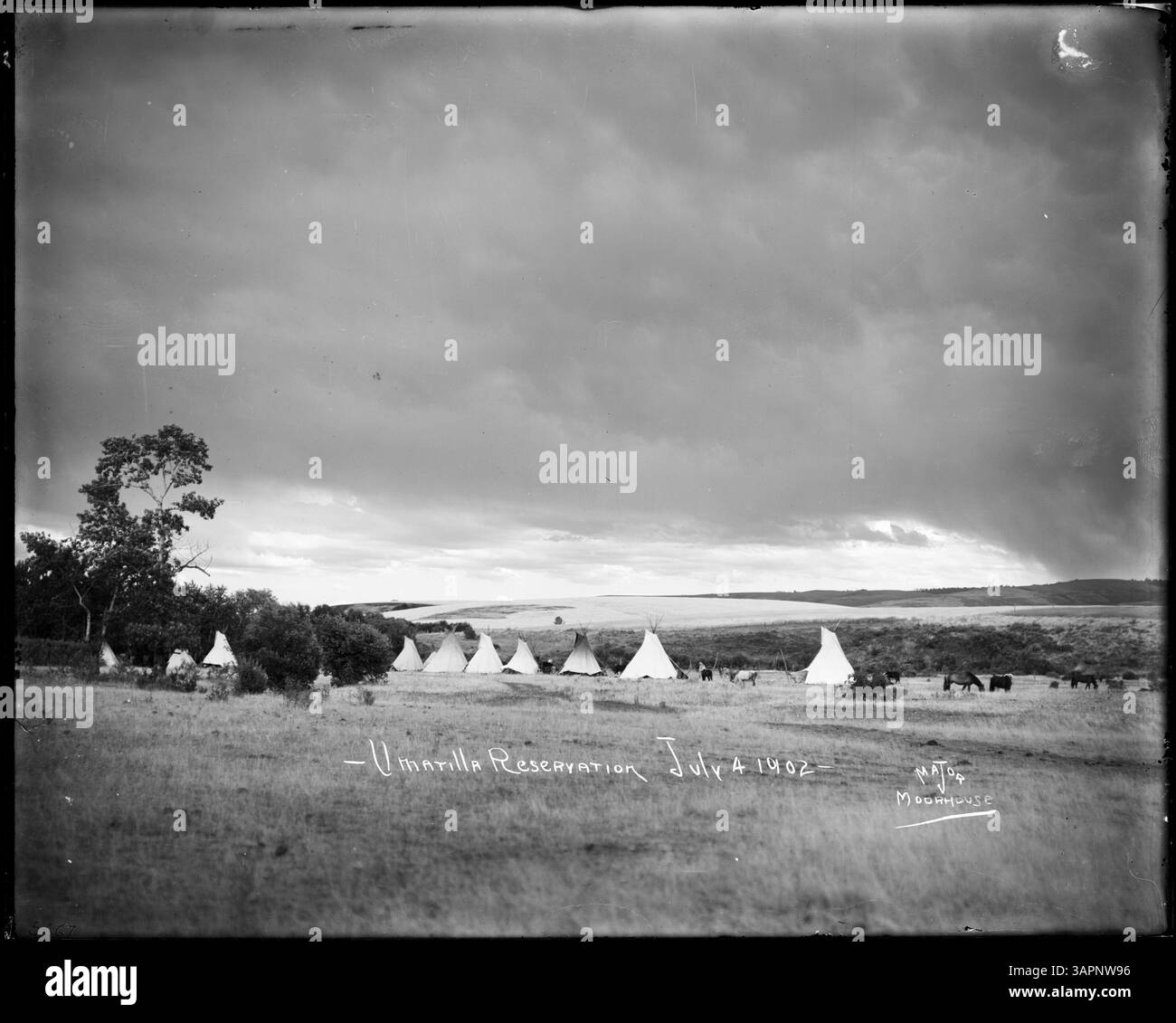
Nestled in the picturesque landscape of northeastern Oregon, the Umatilla Indian Reservation is far more than just a geographical location; it is a vibrant testament to enduring culture, profound history, and resolute sovereignty. Home to the Confederated Tribes of the Umatilla Indian Reservation (CTUIR), this ancestral land represents centuries of heritage, a powerful story of resilience, and a forward-looking vision for its people.
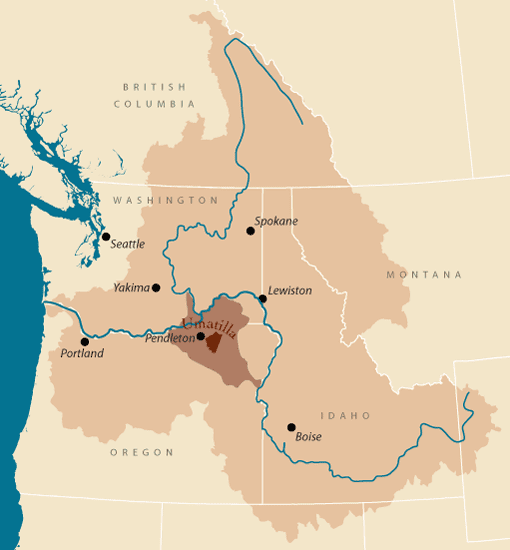
The Umatilla Indian Reservation, often referred to simply as ‘The Rez,’ encompasses approximately 172,000 acres of land near Pendleton, Oregon. It is a place where the past and present converge, offering a unique glimpse into the lives of the Cayuse, Umatilla, and Walla Walla tribes who have called this region home since time immemorial.
A Rich Tapestry of History: Pre-Contact to Modern Day
Before the arrival of European settlers, the ancestors of the CTUIR thrived across a vast traditional homeland spanning parts of what are now Oregon, Washington, and Idaho. These were sophisticated societies, skilled in fishing, hunting, and gathering, with intricate trade networks and a deep spiritual connection to the land and the Columbia River system.
The Columbia River Plateau was a hub of activity, providing abundant salmon, roots, and game. The tribes were renowned for their horsemanship, having adopted horses in the 18th century, which revolutionized their hunting and travel capabilities, connecting them to distant tribes and trade routes.
The mid-19th century brought dramatic change. Increasing pressure from westward expansion led to a series of treaties between the U.S. government and various Indigenous nations. The Treaty of Walla Walla in 1855, though fraught with coercion and misunderstanding, established the Umatilla Indian Reservation as a permanent homeland for the Cayuse, Umatilla, and Walla Walla peoples.
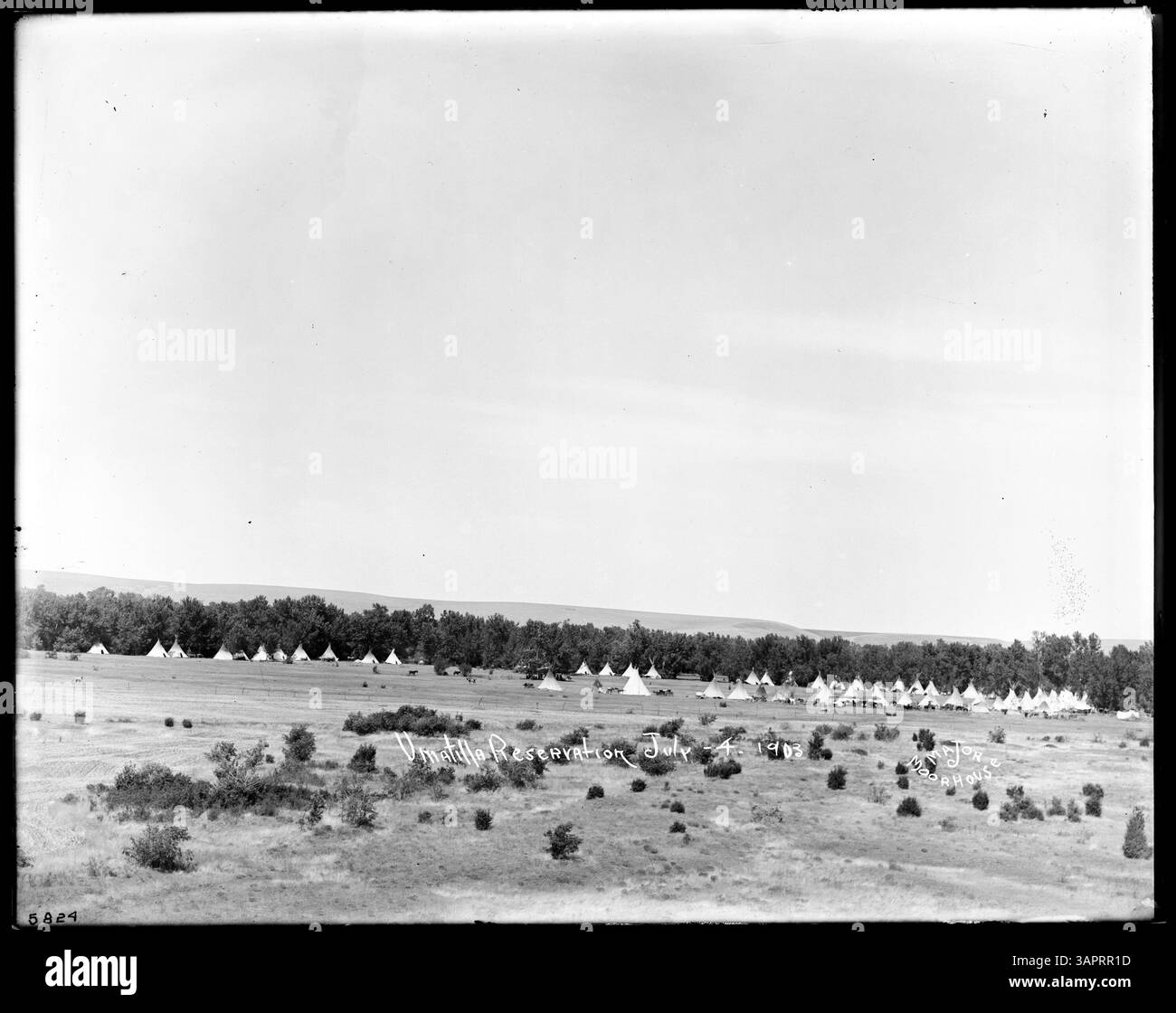
This treaty, while ceding millions of acres of ancestral lands, reserved specific rights for the tribes, including hunting, fishing, and gathering rights off-reservation at all usual and accustomed places. These treaty rights remain foundational to the CTUIR’s sovereignty and ongoing legal battles.
The late 19th and early 20th centuries were marked by federal policies of assimilation, including the Dawes Act (Allotment Act), which sought to break up tribal lands into individual parcels. This period saw significant land loss and cultural suppression, but the spirit of the Confederated Tribes endured.
The Confederated Tribes: A Union of Peoples
The CTUIR is a confederation of three distinct but culturally related tribes: the Cayuse, Umatilla, and Walla Walla. Each tribe maintains its unique identity, language, and traditions, yet they are united under a common government to protect their collective interests and heritage.
- Cayuse: Known historically for their horsemanship and fierce independence, the Cayuse were influential traders in the Columbia River Plateau.
- Umatilla: The Umatilla people traditionally lived along the Umatilla River and the Columbia River, relying heavily on salmon fishing.
- Walla Walla: Residing along the Walla Walla River and the Columbia, the Walla Walla were also deeply connected to the river and its resources.
This confederation exemplifies a powerful model of intertribal cooperation and self-governance, demonstrating strength in unity while honoring individual tribal identities.
Geography and Natural Beauty of the Reservation
The Umatilla Indian Reservation is situated in a diverse ecological zone, characterized by rolling hills, fertile valleys, and proximity to the majestic Blue Mountains. The Umatilla River, a vital waterway, flows through the reservation, eventually joining the Columbia River.
The landscape offers a mix of agricultural lands, rangelands, and forested areas, providing critical habitat for various wildlife species. This geographical diversity underscores the tribes’ traditional reliance on a wide array of natural resources, from salmon in the rivers to deer and elk in the uplands, and various roots and berries throughout.
Vibrant Culture and Enduring Traditions
Cultural preservation is a cornerstone of life on the Umatilla Indian Reservation. The CTUIR actively works to revitalize and maintain their distinct languages (Sahaptin and Nimíipuu/Nez Perce, with Cayuse having become extinct), traditional ceremonies, and artistic expressions.
The annual Tamástslikt Cultural Institute, located on the reservation, serves as a world-class museum and cultural center. It provides an immersive experience into the history, culture, and contemporary life of the Cayuse, Umatilla, and Walla Walla peoples, offering educational programs, exhibits, and events for both tribal members and the public.
Traditional practices such as basket weaving, beadwork, storytelling, and ceremonial dances continue to be passed down through generations, ensuring that the rich cultural heritage remains vibrant and alive. The deep respect for elders and the connection to the land are central tenets of their worldview.
Economic Development and Self-Sufficiency
The CTUIR has made significant strides in economic development, demonstrating a commitment to self-sufficiency and creating opportunities for its members. A prime example is the Wildhorse Resort & Casino, a major enterprise that includes a hotel, golf course, convention center, cineplex, and various dining options.
Beyond gaming, the CTUIR manages a diverse portfolio of businesses, including agriculture, energy, and natural resource enterprises. These ventures not only provide employment but also generate revenue that is reinvested into tribal services, infrastructure, and community programs, fostering a robust local economy.
The tribes’ commitment to economic diversification is a testament to their strategic planning and determination to build a sustainable future for their people, reducing reliance on external funding and strengthening their self-determination.
Tribal Governance and Sovereignty
The Confederated Tribes operate under a modern, democratically elected tribal government. The Board of Trustees, comprised of nine elected members, serves as the governing body, making decisions on behalf of the CTUIR and overseeing tribal programs and services.
This strong system of tribal government is a direct exercise of their inherent sovereignty. The CTUIR asserts its jurisdiction over its lands and members, developing its own laws, justice system, and regulatory frameworks, often in collaboration with federal and state agencies.
The Nixyaawii Governance Center, located in the tribal capital of Nixyaawii, houses the tribal government offices and serves as the administrative hub for the reservation, symbolizing the tribes’ commitment to self-governance and progressive leadership.
Environmental Stewardship and Resource Management
A profound connection to the land and water drives the CTUIR’s extensive efforts in environmental stewardship. The tribes are leading vital initiatives in salmon restoration, working tirelessly to restore fish populations and improve habitat in the Umatilla River and its tributaries, as well as the larger Columbia River Basin.
Their involvement in managing natural resources extends to water rights, forest management, and wildlife conservation. The CTUIR actively participates in regional and national forums to advocate for sustainable practices and protect ecosystems that are critical to their cultural identity and subsistence.
The historical significance of places like Celilo Falls, a traditional fishing ground inundated by the Dalles Dam, underscores the tribes’ ongoing advocacy for river health and the protection of treaty-reserved fishing rights.
Community Services and Quality of Life
The CTUIR provides a comprehensive range of services to its members, enhancing the quality of life on the reservation. These include healthcare facilities, educational programs from early childhood to higher education support, housing assistance, and social services.
Education is highly valued, with the tribes investing in culturally relevant curricula and supporting academic success. These services reflect the tribal government’s commitment to the well-being and development of every tribal member, from youth to elders.
Visiting the Umatilla Indian Reservation: Respectful Engagement
Visitors are welcome to experience certain aspects of the Umatilla Indian Reservation, particularly through attractions like the Tamástslikt Cultural Institute and Wildhorse Resort & Casino. However, it is paramount to approach a visit with respect and cultural sensitivity.
- Always seek permission before photographing individuals or participating in cultural events.
- Respect private property and tribal lands.
- Learn about tribal history and customs beforehand to foster a deeper understanding.
- Support tribal businesses and initiatives.
Engaging respectfully allows visitors to gain valuable insights into the contemporary life and rich heritage of the Confederated Tribes.
A Vision for the Future
The Confederated Tribes of the Umatilla Indian Reservation continue to look to the future with strength and determination. Their ongoing work in economic diversification, cultural revitalization, natural resource protection, and asserting tribal sovereignty ensures that the legacy of the Cayuse, Umatilla, and Walla Walla peoples will thrive for generations to come.
Their story is one of enduring spirit, a powerful example of how Indigenous nations are reclaiming their rightful place, stewarding their lands, and shaping their destinies in modern America.
Conclusion: A Legacy of Resilience and Progress
The Umatilla Indian Reservation in Oregon stands as a powerful symbol of Indigenous resilience, cultural richness, and self-determination. From its deep historical roots to its dynamic present and hopeful future, the Confederated Tribes of the Umatilla Indian Reservation exemplify the strength of community, the importance of tradition, and the unwavering pursuit of sovereignty. Exploring this unique corner of Oregon offers invaluable lessons in history, environmental stewardship, and the vibrant enduring spirit of its people.


