The Seminole Nation of Oklahoma holds a unique and important place in the history and landscape of the state. This comprehensive guide explores the Seminole Nation, covering its historical roots, cultural heritage, governmental structure, and contemporary role in Oklahoma. Understanding the Seminole Nation requires delving into a complex history marked by resilience, adaptation, and a deep connection to the land.
The Seminole people, meaning ‘wild’ or ‘runaway,’ originally comprised various Native American groups, primarily from Georgia, Florida, and Alabama. They coalesced in Florida during the 18th century, resisting European encroachment and developing a distinct identity. This resistance led to the Seminole Wars, conflicts with the United States government that significantly shaped their history.
The Seminole Wars were a series of conflicts in the 19th century between the Seminole people and the U.S. Army. These wars stemmed from disputes over land and the U.S. government’s attempts to remove the Seminoles from Florida. The most notable were the First Seminole War (1817-1818) and the Second Seminole War (1835-1842), the latter being particularly devastating and costly for both sides. Osceola, a charismatic and influential Seminole leader, played a pivotal role in the Second Seminole War, leading the resistance against U.S. forces.
The Indian Removal Act of 1830 mandated the relocation of Native American tribes from their ancestral lands in the southeastern United States to lands west of the Mississippi River. This act profoundly impacted the Seminole people, leading to forced removal and displacement. Despite fierce resistance, many Seminoles were eventually forced to relocate to what is now Oklahoma, along the ‘Trail of Tears,’ a harrowing journey marked by hardship and loss.
Upon arriving in Indian Territory (present-day Oklahoma), the Seminoles established their own nation with a distinct government and territory. They adapted to the new environment while striving to preserve their cultural traditions and sovereignty. The Seminole Nation’s initial settlement was near the Creek Nation, and they were initially considered part of the Creek Nation. However, they maintained their distinct identity and eventually established their own separate nation.
The Seminole Nation of Oklahoma is currently headquartered in Wewoka, Oklahoma. The tribal government operates under a constitution that separates powers among the legislative, executive, and judicial branches. The tribe is led by an elected Chief, who serves as the principal executive officer. The Tribal Council, composed of elected representatives from different Seminole bands, serves as the legislative body, enacting laws and policies for the nation. The Seminole Nation also has its own court system to resolve legal disputes within its jurisdiction.
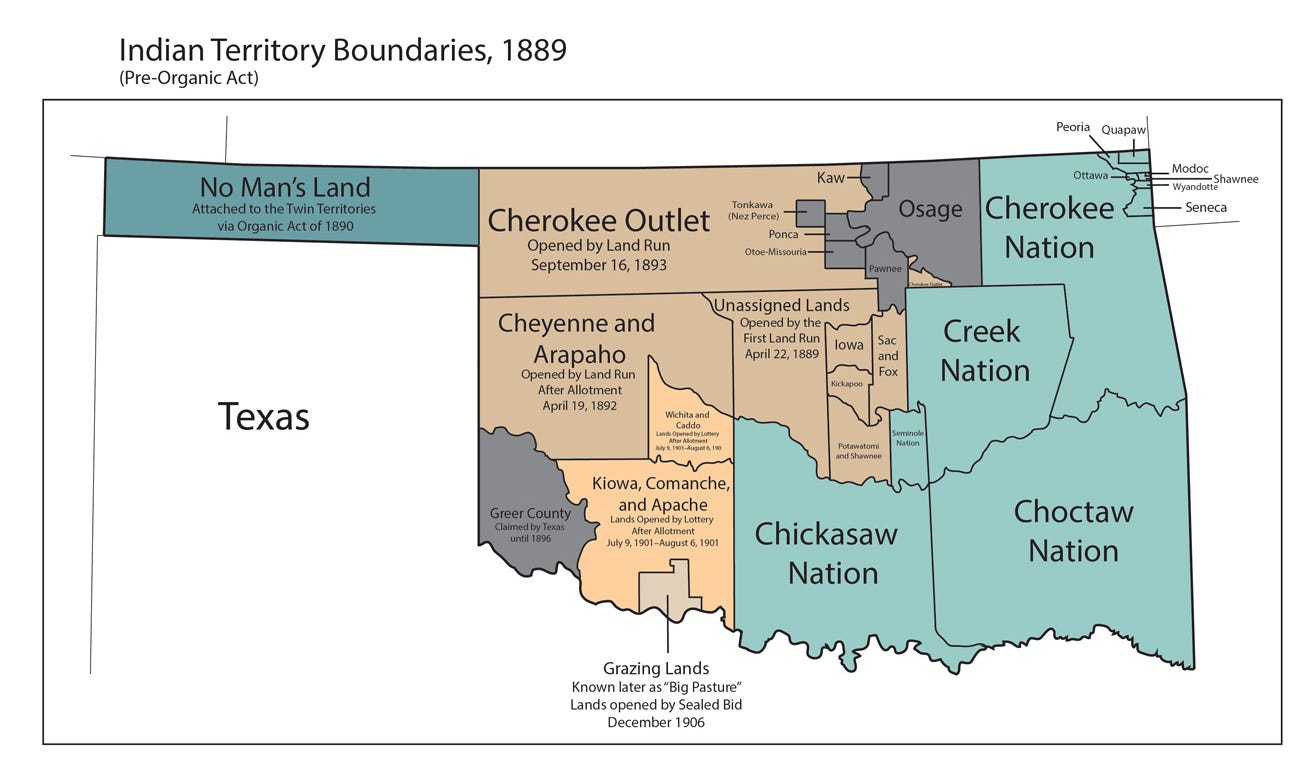
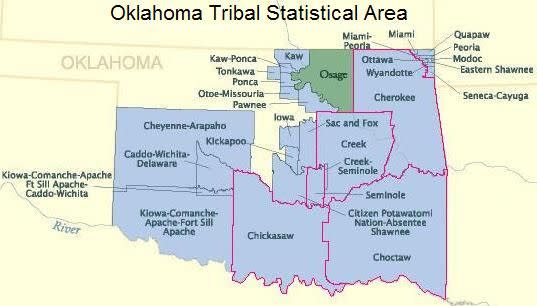
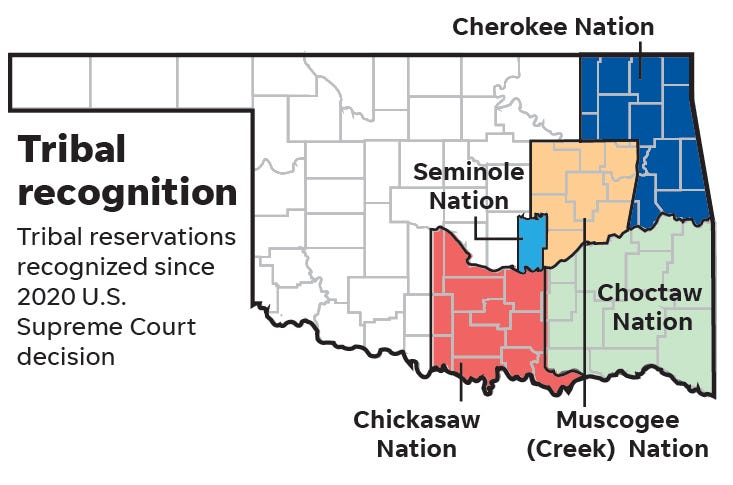
The Seminole Nation’s territory covers a significant portion of central Oklahoma. This area includes both tribal trust lands and lands owned by individual Seminole citizens. The nation’s boundaries are defined by historical treaties and agreements with the U.S. government. Within this territory, the Seminole Nation exercises jurisdiction over its citizens and resources.
The Seminole Nation’s economy is diverse, including tribal enterprises, gaming, agriculture, and other businesses. The tribe operates casinos and other entertainment venues that generate revenue for tribal programs and services. Additionally, the Seminole Nation invests in economic development projects to create jobs and opportunities for its citizens. Agriculture, particularly cattle ranching and farming, remains an important part of the Seminole economy.
The Seminole Nation places a high value on preserving and promoting its cultural heritage. The tribe operates cultural centers and museums that showcase Seminole history, art, and traditions. Language revitalization programs are also in place to ensure the survival of the Seminole language, which is an integral part of their cultural identity. Traditional arts and crafts, such as beadwork, basketry, and clothing, are actively practiced and passed down through generations.
The Seminole Nation has made significant contributions to education, healthcare, and social services for its citizens. The tribe operates schools, scholarship programs, and other educational initiatives to improve educational outcomes. Healthcare facilities and programs provide access to quality medical care for Seminole citizens. Social services, such as housing assistance and elder care, are also provided to support the well-being of the community.
The Seminole Nation actively engages in intergovernmental relations with the U.S. federal government, the state of Oklahoma, and other tribal nations. These relationships are essential for addressing issues of mutual concern, such as land rights, resource management, and economic development. The Seminole Nation advocates for its sovereignty and the rights of its citizens in these interactions.
Contemporary challenges facing the Seminole Nation include preserving its cultural identity in a rapidly changing world, addressing economic disparities, and ensuring the health and well-being of its citizens. The tribe is working to overcome these challenges through strategic planning, community engagement, and partnerships with other organizations.
Many people wonder about the current status of the Seminole Nation’s reservation. While the Seminole Nation of Oklahoma does not have a single, contiguous reservation in the traditional sense, they do have tribal trust lands scattered throughout their jurisdiction in central Oklahoma. These lands are held in trust by the U.S. government for the benefit of the Seminole Nation and its citizens. The Seminole Nation exercises governmental authority over these trust lands and other areas within its jurisdiction.
Another common question revolves around the citizenship requirements for the Seminole Nation. Citizenship is generally based on lineal descent from a Seminole ancestor listed on the Dawes Rolls, a census taken of tribal members in the late 19th and early 20th centuries. Specific requirements may vary, so it’s best to consult the Seminole Nation’s official website or tribal enrollment office for the most up-to-date information.
People often inquire about the cultural practices of the Seminole Nation. The Seminole culture is rich and diverse, with traditions that have been passed down through generations. Some notable cultural practices include stomp dances, traditional clothing, beadwork, and the Seminole language. The Seminole Nation actively promotes and preserves these cultural practices through cultural centers, museums, and educational programs.
Understanding the relationship between the Seminole Nation and the state of Oklahoma is crucial. The Seminole Nation is a sovereign nation with a government-to-government relationship with the state of Oklahoma. The tribe and the state cooperate on various issues, such as law enforcement, economic development, and natural resource management. However, the Seminole Nation retains its sovereignty and the right to govern its own affairs.
The Seminole Nation’s historical journey has been marked by both adversity and resilience. From their origins in Florida to their forced removal to Oklahoma, the Seminole people have faced numerous challenges. Despite these challenges, they have persevered and maintained their cultural identity and sovereignty. The Seminole Nation’s story is a testament to the strength and determination of the Seminole people.
The Seminole Nation of Oklahoma plays a vital role in the cultural and economic landscape of the state. The tribe contributes to the economy through its businesses and enterprises. It also enriches the cultural diversity of Oklahoma through its traditions and heritage. The Seminole Nation is an important part of Oklahoma’s past, present, and future.
The Seminole Nation of Oklahoma stands as a testament to the resilience and cultural richness of the Seminole people. Their journey from Florida to Oklahoma, marked by resistance and adaptation, has shaped their unique identity. Today, the Seminole Nation thrives as a sovereign nation, preserving its heritage, contributing to the economy, and working towards a brighter future for its citizens.
Understanding the Seminole Nation involves appreciating its complex history, governmental structure, cultural traditions, and contemporary challenges. By learning about the Seminole Nation, we gain a deeper understanding of the diverse cultures and histories that make up the fabric of Oklahoma and the United States.
In conclusion, the Seminole Nation of Oklahoma is more than just a geographical location; it’s a vibrant community with a rich history and a promising future. By understanding their past and present, we can better appreciate their contributions and support their continued success. The Seminole Nation’s story is one of resilience, adaptation, and a deep commitment to preserving their cultural heritage for generations to come.


