
The Absentee-Shawnee Tribe of Oklahoma holds a significant place in the state’s history and contemporary landscape. Understanding their reservation, its origins, and its present-day function provides valuable insight into the tribe’s resilience and cultural preservation efforts. This comprehensive guide explores the key aspects of the Absentee-Shawnee Tribe Reservation, offering a detailed look at its history, governance, economy, and community.
The Absentee-Shawnee Tribe’s journey to Oklahoma is marked by displacement and adaptation. Originally residing in the Ohio River Valley, the Shawnee people faced increasing pressure from European settlers, leading to westward migration. The term ‘Absentee’ refers to a group of Shawnee who, in the early 19th century, moved further west, away from the main Shawnee settlements, seeking to maintain their traditional way of life. They eventually settled in present-day Oklahoma, then known as Indian Territory.
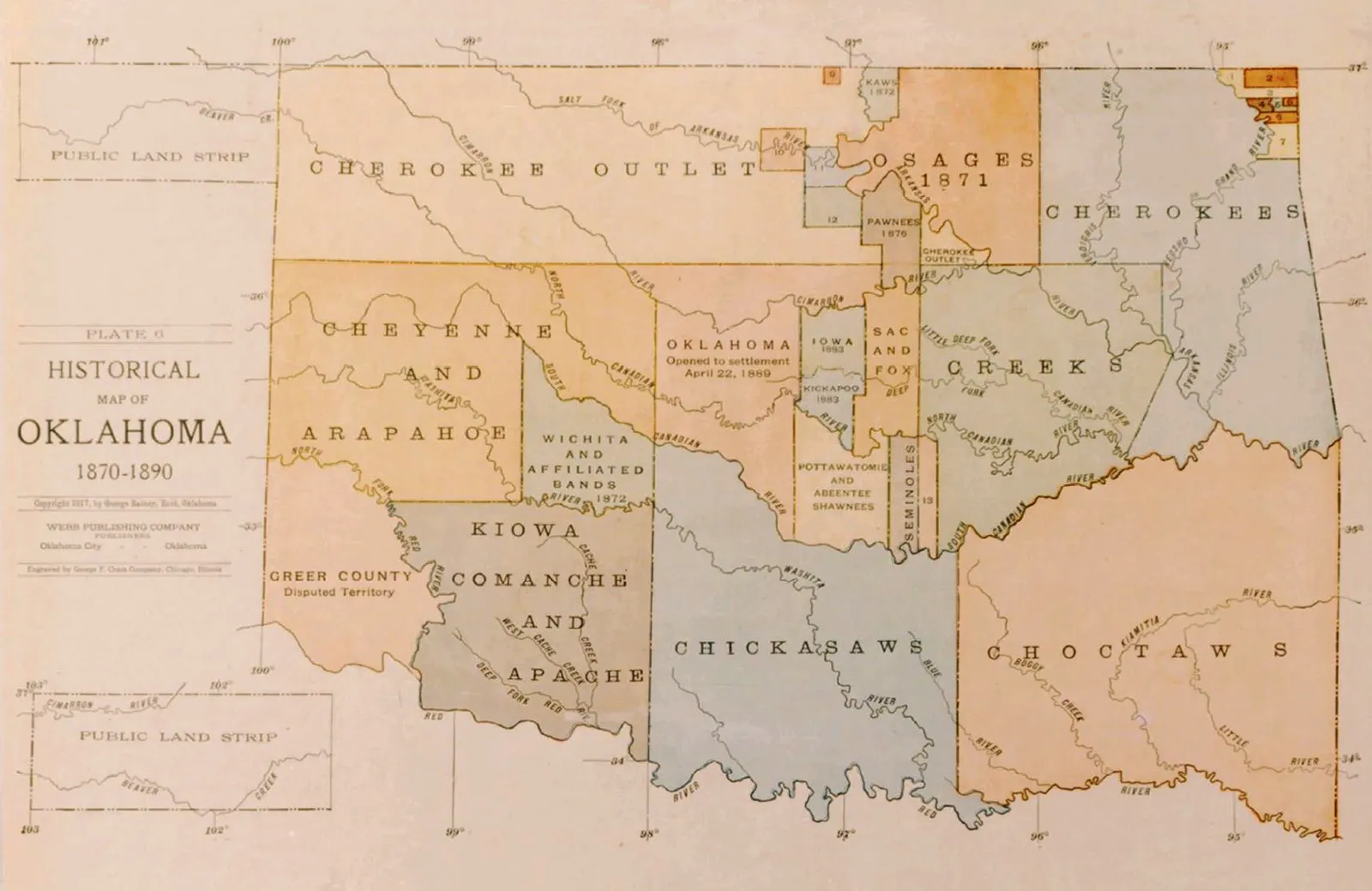
The establishment of the Absentee-Shawnee Reservation was formalized through treaties with the United States government. These treaties aimed to allocate land to the tribe in exchange for ceding their ancestral territories. However, the history of these treaties is complex and often reflects unequal power dynamics between the tribe and the U.S. government. The Dawes Act of 1887 further impacted the reservation, leading to allotment of tribal lands to individual members and the subsequent loss of significant portions of the reservation land base.
The Absentee-Shawnee Tribe Reservation is located in central Oklahoma, primarily in Pottawatomie County. However, tribal jurisdiction and land ownership are complex, involving a mix of tribal trust lands, individually owned allotments, and fee simple lands. Understanding the geographical context is crucial for comprehending the challenges and opportunities facing the tribe.
The current size of tribal land holdings is significantly smaller than the original reservation boundaries due to the impacts of allotment and subsequent land sales. Despite these challenges, the tribe actively works to consolidate its land base and exercise its sovereign rights within its jurisdictional area.
The Absentee-Shawnee Tribe operates under a constitution that establishes its government structure. The tribe has a democratically elected governing body, typically consisting of a tribal chief, a second chief, and a tribal legislature or council. These leaders are responsible for enacting laws, managing tribal resources, and representing the tribe in its interactions with other governments and organizations.

The tribal government provides a wide range of services to its members, including healthcare, education, housing assistance, and social programs. These services are funded through a combination of tribal revenue, federal grants, and other sources. The tribe also operates its own court system to adjudicate legal matters within its jurisdiction.
Economic development is a major focus for the Absentee-Shawnee Tribe. The tribe owns and operates various businesses, including casinos, convenience stores, and other enterprises. These businesses generate revenue that supports tribal government operations and provides employment opportunities for tribal members.
The tribe is actively involved in promoting economic diversification to reduce its reliance on gaming revenue. This includes exploring opportunities in renewable energy, agriculture, and other sectors. The tribe also works to attract outside investment to the reservation to create jobs and stimulate economic growth.
The Absentee-Shawnee Tribe is deeply committed to preserving its cultural heritage. The tribe operates a cultural center that showcases its history, traditions, and art. Language preservation is also a key priority, with the tribe offering language classes and developing resources to promote the use of the Shawnee language.
The tribe actively promotes traditional arts and crafts, such as beadwork, pottery, and basketry. These art forms are not only a source of cultural expression but also provide income opportunities for tribal members. The tribe also hosts cultural events and festivals throughout the year to celebrate its heritage and share it with the wider community.
The Absentee-Shawnee Tribe has a unique relationship with the federal government, stemming from treaties and federal laws. The tribe is recognized as a sovereign nation, with the right to self-government. However, this sovereignty is not absolute and is subject to certain limitations imposed by federal law.
The tribe works closely with various federal agencies, such as the Bureau of Indian Affairs (BIA), to manage its resources and administer programs. The tribe also advocates for its rights and interests in Washington, D.C., working to ensure that federal policies are consistent with its needs and priorities.
The Absentee-Shawnee Tribe also maintains relationships with the state of Oklahoma and local governments. These relationships are important for addressing issues such as law enforcement, infrastructure development, and economic cooperation. The tribe works to foster positive relationships with these governments while protecting its sovereign rights.
The Absentee-Shawnee Tribe faces numerous challenges, including poverty, unemployment, and health disparities. The tribe is actively working to address these challenges through various programs and initiatives. These include job training programs, educational scholarships, and healthcare services.
The tribe is also focused on addressing issues such as substance abuse and domestic violence, which disproportionately affect Native American communities. The tribe operates programs to provide support and treatment to individuals and families affected by these issues.
The Absentee-Shawnee Tribe is committed to investing in the education of its members. The tribe offers scholarships and grants to students pursuing higher education. The tribe also supports local schools and educational programs to improve educational outcomes for tribal children.
The tribe recognizes the importance of preserving its natural resources for future generations. The tribe works to protect its water, land, and wildlife through sustainable management practices. The tribe also promotes environmental awareness and education among its members.
The Absentee-Shawnee Tribe is actively involved in efforts to address climate change and its impacts on tribal communities. The tribe is exploring renewable energy options and implementing strategies to adapt to changing environmental conditions. The tribe also advocates for policies that protect the environment and promote sustainability.
The Absentee-Shawnee Tribe Reservation is a dynamic and evolving community. The tribe is working to balance its cultural traditions with the demands of the modern world. The tribe is committed to building a strong and prosperous future for its members while preserving its unique heritage.
The Absentee-Shawnee Tribe’s story is one of resilience, adaptation, and cultural preservation. Despite facing numerous challenges throughout its history, the tribe has persevered and continues to thrive. The reservation serves as a center of cultural identity and a base for the tribe’s economic and social development.
What are the main economic drivers of the Absentee-Shawnee Tribe?
Gaming, retail, and other business ventures. The tribe uses revenue from these sources to fund essential services and programs.
How does the Absentee-Shawnee Tribe preserve its culture?
Through cultural centers, language programs, and traditional arts initiatives. These efforts ensure the continuity of Shawnee traditions for future generations.
What challenges does the Absentee-Shawnee Tribe face?
Poverty, unemployment, health disparities, and environmental concerns. The tribe actively works to address these challenges through various programs and initiatives.
The Absentee-Shawnee Tribe Reservation represents more than just a geographical location; it embodies the resilience, cultural richness, and self-determination of the Absentee-Shawnee people. From their historical journey to their contemporary endeavors in economic development, cultural preservation, and community well-being, the tribe’s story is a testament to their enduring spirit. By understanding the complexities and nuances of the reservation, we gain a deeper appreciation for the Absentee-Shawnee Tribe’s contributions to Oklahoma and the broader Native American community.
As the tribe continues to navigate the challenges and opportunities of the 21st century, their commitment to preserving their heritage, strengthening their sovereignty, and improving the lives of their members remains unwavering. The Absentee-Shawnee Tribe Reservation stands as a symbol of hope, resilience, and cultural pride for generations to come.
The Absentee-Shawnee Tribe is actively working to strengthen its government and institutions. This includes updating its constitution, improving its administrative capacity, and enhancing its judicial system. The tribe is committed to ensuring that its government is transparent, accountable, and responsive to the needs of its members.
The tribe is also focused on promoting civic engagement among its members. This includes encouraging tribal members to participate in elections, attend tribal meetings, and become involved in tribal government. The tribe believes that a strong and engaged citizenry is essential for a healthy and thriving community.
The Absentee-Shawnee Tribe is committed to working with other tribes and organizations to advance the interests of Native Americans. The tribe is a member of various intertribal organizations and actively participates in advocacy efforts on issues such as tribal sovereignty, treaty rights, and federal funding for tribal programs.
The tribe also works to build relationships with non-Native communities and organizations to promote understanding and cooperation. The tribe believes that building bridges between cultures is essential for creating a more just and equitable society.
The Absentee-Shawnee Tribe is a vibrant and resilient community with a rich history and a promising future. The tribe is committed to preserving its cultural heritage, strengthening its sovereignty, and improving the lives of its members. The Absentee-Shawnee Tribe Reservation is a testament to the enduring spirit of the Shawnee people.


