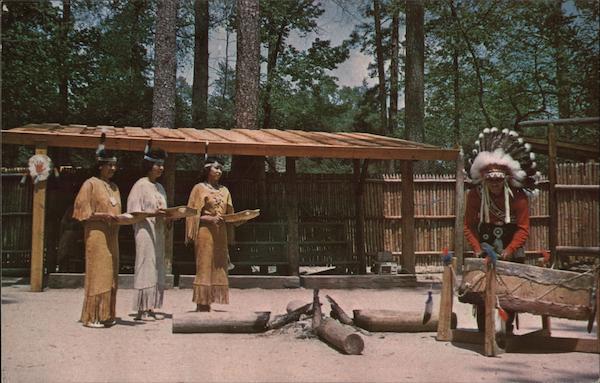
Nestled in the piney woods of East Texas, the Alabama-Coushatta Tribe of Texas Reservation stands as a testament to resilience, cultural preservation, and enduring sovereignty. As one of only three federally recognized tribes in Texas, the Alabama-Coushatta hold a unique and pivotal place in the state’s history and its contemporary landscape. Their story is one of unwavering determination, adapting to new environments while meticulously safeguarding their ancestral traditions.
This comprehensive article will explore the multifaceted world of the Alabama-Coushatta, from their ancient origins and arduous journey to Texas, to the vibrant community they maintain today. We will delve into their cultural practices, economic endeavors, and the ongoing efforts to preserve their distinct heritage for future generations.
The journey of the Alabama-Coushatta people to their present-day home in Polk County, Texas, is a narrative rich with migration and adaptation. Originally distinct tribes, the Alabama (Alibamu) and Coushatta (Koasati) peoples shared common Muskogean linguistic roots and cultural practices in the Southeastern Woodlands, primarily in what is now Alabama and Georgia.
During the 18th and early 19th centuries, increasing pressures from European colonization and the expansion of the United States led these tribes to migrate westward. Seeking refuge and new lands, they eventually settled in areas of Louisiana and then into Spanish-controlled Texas, often forming alliances with other indigenous groups.
Their arrival in Texas predates its statehood, establishing a deep historical connection to the land. Through periods of Spanish, Mexican, Republic of Texas, and finally U.S. rule, the Alabama-Coushatta consistently demonstrated their adaptability and diplomatic skill, often navigating complex political landscapes to maintain their communities.
Unlike many other tribes forcibly removed from their lands, the Alabama-Coushatta secured a land grant from the Republic of Texas in 1840, recognizing their long-standing presence and peaceful relations. This initial land grant laid the groundwork for what would eventually become their federally recognized reservation.

The path to federal recognition was a long and arduous one, marked by periods of both support and neglect. Though recognized by the State of Texas much earlier, federal recognition, which provides crucial government-to-government relations and access to federal programs, was formally granted in 1987. This recognition affirmed their inherent tribal sovereignty and their unique status within Texas.
The Alabama-Coushatta Tribe of Texas Reservation is situated approximately 17 miles east of Livingston, Texas, in Polk County. Comprising approximately 4,600 acres, the reservation is a patchwork of trust lands and fee-simple lands, providing the physical foundation for the tribal community.
Its location within the ecological region of the Big Thicket National Preserve means the reservation is surrounded by rich biodiversity, offering both natural beauty and resources. This proximity to the Big Thicket has historically influenced their way of life, from traditional hunting and gathering to modern-day environmental stewardship.
The reservation operates under its own sovereign government, a democratically elected Tribal Council. This council is responsible for the administration of tribal affairs, including economic development, infrastructure, health services, education, and the protection of natural resources. This self-governance is a cornerstone of tribal sovereignty.
At the heart of the Alabama-Coushatta identity is their vibrant culture, meticulously preserved and celebrated. Language is a primary pillar; the tribe actively works to revitalize and teach both the Alabama and Koasati (Coushatta) languages, which are distinct but related Muskogean languages. Language immersion programs and educational initiatives are crucial for ensuring these ancestral tongues thrive.
Traditional arts and crafts remain a vital part of their cultural expression. Basket weaving, using natural materials like longleaf pine needles and river cane, is particularly renowned. These intricate baskets are not merely decorative; they carry stories, history, and are a tangible link to ancestral knowledge.
Ceremonies and festivals play a significant role in community life. The annual Green Corn Dance, though often a private tribal event, is a deeply spiritual and communal celebration of harvest, renewal, and thanksgiving. Other cultural events and gatherings throughout the year reinforce communal bonds and educate younger generations about their heritage.
Family values and communal support are paramount within the Alabama-Coushatta community. The extended family unit is strong, and a sense of collective responsibility permeates daily life. This communal spirit is evident in how the tribe addresses challenges and celebrates successes together.
A major driver of economic development for the Alabama-Coushatta Tribe is Naskila Gaming. Opened in 2016, Naskila Gaming provides Class II electronic bingo games and has been instrumental in generating revenue for tribal services, creating jobs, and fostering economic self-sufficiency.

The establishment and operation of Naskila Gaming have, however, involved significant legal and political challenges, primarily concerning state-tribal gaming compacts. The tribe has consistently advocated for its sovereign right to operate gaming facilities on its trust lands, highlighting the critical role these enterprises play in tribal welfare.
Beyond gaming, the tribe engages in other economic ventures, including tourism and cultural outreach. The Alabama-Coushatta Cultural Center, though currently undergoing revitalization, has historically served as a gateway for visitors to learn about the tribe’s history, traditions, and contemporary life through exhibits, demonstrations, and performances.
Diversification of economic activities remains a priority, ensuring a stable future for the tribe. Efforts are continually made to explore new opportunities that align with their cultural values and contribute to long-term prosperity.
The tribal government provides a wide array of essential services to its members, reflecting its commitment to community well-being. These include comprehensive healthcare services, educational programs, social services, and housing assistance. The tribe strives to create a supportive environment where members can thrive.
Infrastructure development is ongoing, ensuring access to modern amenities and services on the reservation. This includes maintaining roads, utilities, and community buildings, all vital for a healthy and functioning community.
Environmental stewardship is deeply embedded in the Alabama-Coushatta worldview. As caretakers of their ancestral lands, the tribe actively participates in conservation efforts, protecting the natural resources of the Big Thicket region and ensuring the health of their environment for future generations.
How many Alabama-Coushatta are there? The official enrollment numbers fluctuate, but the tribe typically numbers around 1,300 members, with many residing on or near the reservation. This relatively small population underscores the importance of every individual in the preservation of their unique heritage.
What language do the Alabama-Coushatta speak? Members primarily speak English, but the tribal government actively promotes the revitalization of both the Alabama and Koasati languages through educational programs, language classes, and cultural events. These efforts are critical for maintaining their distinct linguistic heritage.
Is the Alabama-Coushatta Tribe federally recognized? Yes, the Alabama-Coushatta Tribe of Texas received federal recognition in 1987, solidifying their government-to-government relationship with the United States. This recognition is distinct from their earlier state recognition by Texas.
Can you visit the Alabama-Coushatta Reservation? While the tribal residential areas are private, visitors are welcome at Naskila Gaming, which operates on the reservation. The tribe also hosts cultural events and has historically operated a cultural center where the public can learn about their history and traditions. It’s always advisable to check their official website for current visitor information and event schedules.
What is the Alabama-Coushatta Tribe known for? They are known for their remarkable resilience, their strong commitment to cultural preservation (especially language and basket weaving), their unique status as one of Texas’s federally recognized tribes, and their economic self-sufficiency efforts, particularly through Naskila Gaming.
Despite their triumphs, the Alabama-Coushatta Tribe faces ongoing challenges. Maintaining tribal sovereignty in the face of external legal and political pressures, particularly concerning gaming, is a continuous effort. They tirelessly advocate for their rights as a self-governing nation.
Cultural revitalization is another critical area. While significant progress has been made, ensuring that younger generations embrace and carry forward the Alabama and Koasati languages, traditional arts, and ceremonies requires sustained dedication and resources.
Balancing economic development with cultural values is a delicate act. The tribe is committed to pursuing ventures that not only provide financial stability but also respect their ancestral lands and traditions, fostering a sustainable future for their people.
The Alabama-Coushatta Tribe of Texas Reservation is a vibrant, living testament to the strength and spirit of its people. Their journey from the Southeastern Woodlands to the piney woods of East Texas is a compelling narrative of survival, adaptation, and the unwavering commitment to cultural identity.
Through their diligent efforts in language preservation, traditional arts, economic development, and self-governance, the Alabama-Coushatta continue to enrich the cultural tapestry of Texas and the United States. Their story serves as an inspiring example of resilience, sovereignty, and the enduring power of community.
As they look to the future, the Alabama-Coushatta Tribe remains dedicated to safeguarding their heritage, empowering their members, and contributing positively to the broader society, all while honoring the legacy passed down through countless generations.


