Nestled deep within the vast, enigmatic expanse of the Florida Everglades lies the sovereign territory of the Miccosukee Tribe of Indians of Florida. Far more than just a geographical location, the Miccosukee Reservation represents a testament to centuries of resilience, cultural preservation, and a profound connection to one of the world’s most unique ecosystems.
This comprehensive guide aims to illuminate the fascinating world of the Miccosukee Tribe, offering insights into their rich history, distinct cultural identity, and their vital role in shaping Florida’s heritage and future. We will explore their origins, their enduring traditions, economic endeavors, and their unwavering commitment to environmental stewardship.
A Legacy Forged in the Everglades: Historical Roots
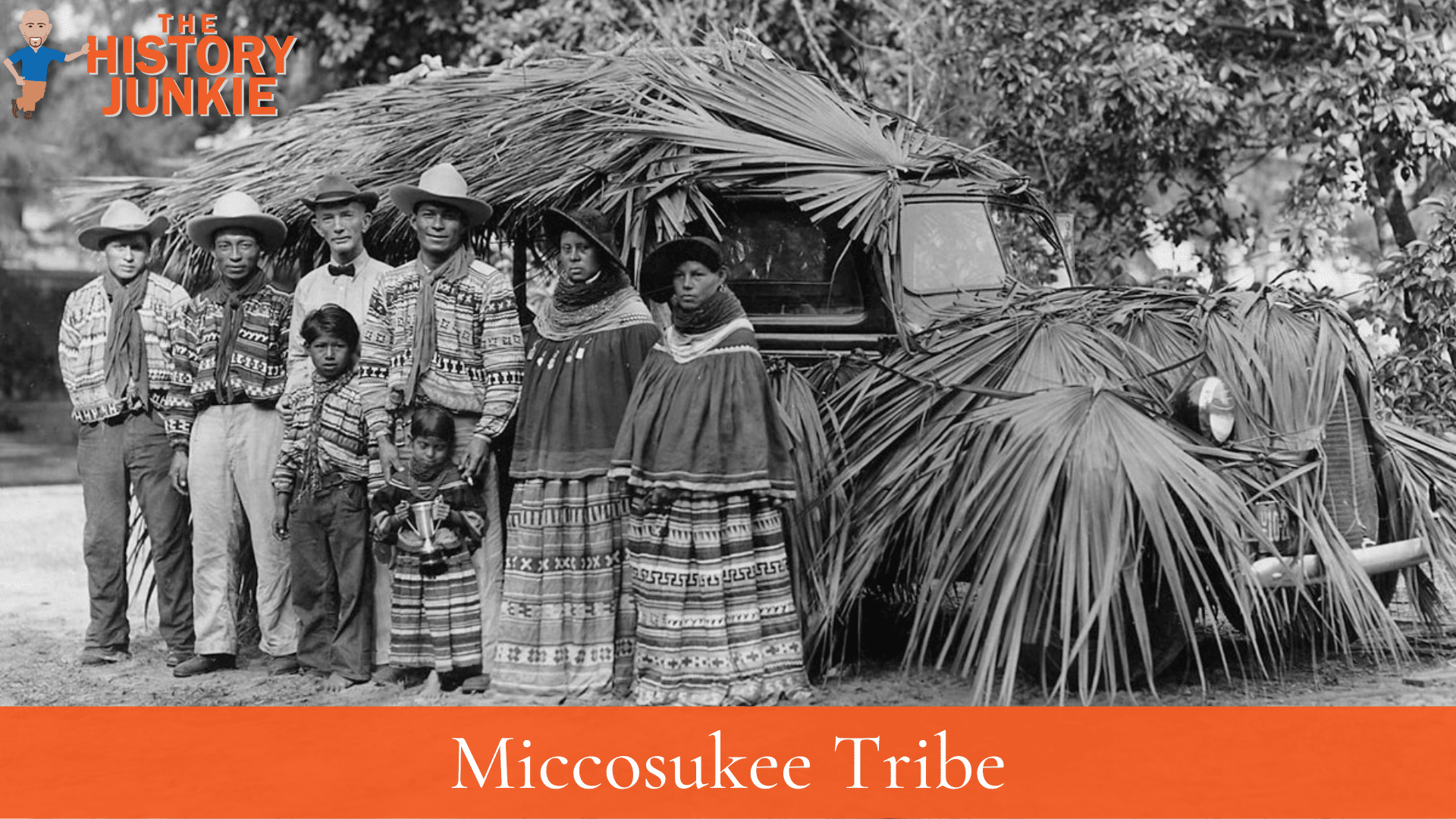
The story of the Miccosukee Tribe is inextricably linked with the dramatic history of Florida’s indigenous peoples. Their ancestors, part of the broader Creek Confederacy, migrated into Florida from the northern territories in the 18th century, becoming known as Seminoles. However, distinct cultural and linguistic differences began to emerge, particularly between those who spoke Muscogee (Creek) and those who spoke Mikisúkî.
During the tumultuous Seminole Wars of the 19th century, many indigenous Floridians were forcibly removed to Indian Territory (present-day Oklahoma). Yet, a determined group, including the ancestors of the Miccosukee, chose to resist and retreat deeper into the impenetrable Everglades, a sanctuary that became their stronghold and cultural heartland.
It was this unwavering determination to remain in their ancestral lands that ultimately led to their distinct recognition. While often grouped with the Seminole, the Miccosukee developed a unique identity, maintaining their language, customs, and an independent spirit forged by generations of living in harmony with the challenging Everglades environment.

The Miccosukee Tribe officially gained federal recognition in 1962, establishing their sovereignty and formalizing their status as a distinct nation within the United States. This recognition was a pivotal moment, allowing them to govern themselves and protect their cultural legacy more effectively.
Cultural Tapestry: Language, Traditions, and Art
The Miccosukee culture is a vibrant tapestry woven from ancient traditions and a deep reverence for nature. At its core is the Mikisúkî language, a Muskogean language that remains an integral part of daily life and cultural transmission. Efforts to preserve and teach Mikisúkî are paramount, ensuring its continuity for future generations.
Traditional ceremonies play a crucial role in Miccosukee life. The Green Corn Dance, or Busk, is one of the most significant annual rituals, a celebration of renewal, thanksgiving, and community solidarity. It marks the harvest of corn and signifies spiritual cleansing and rebirth.
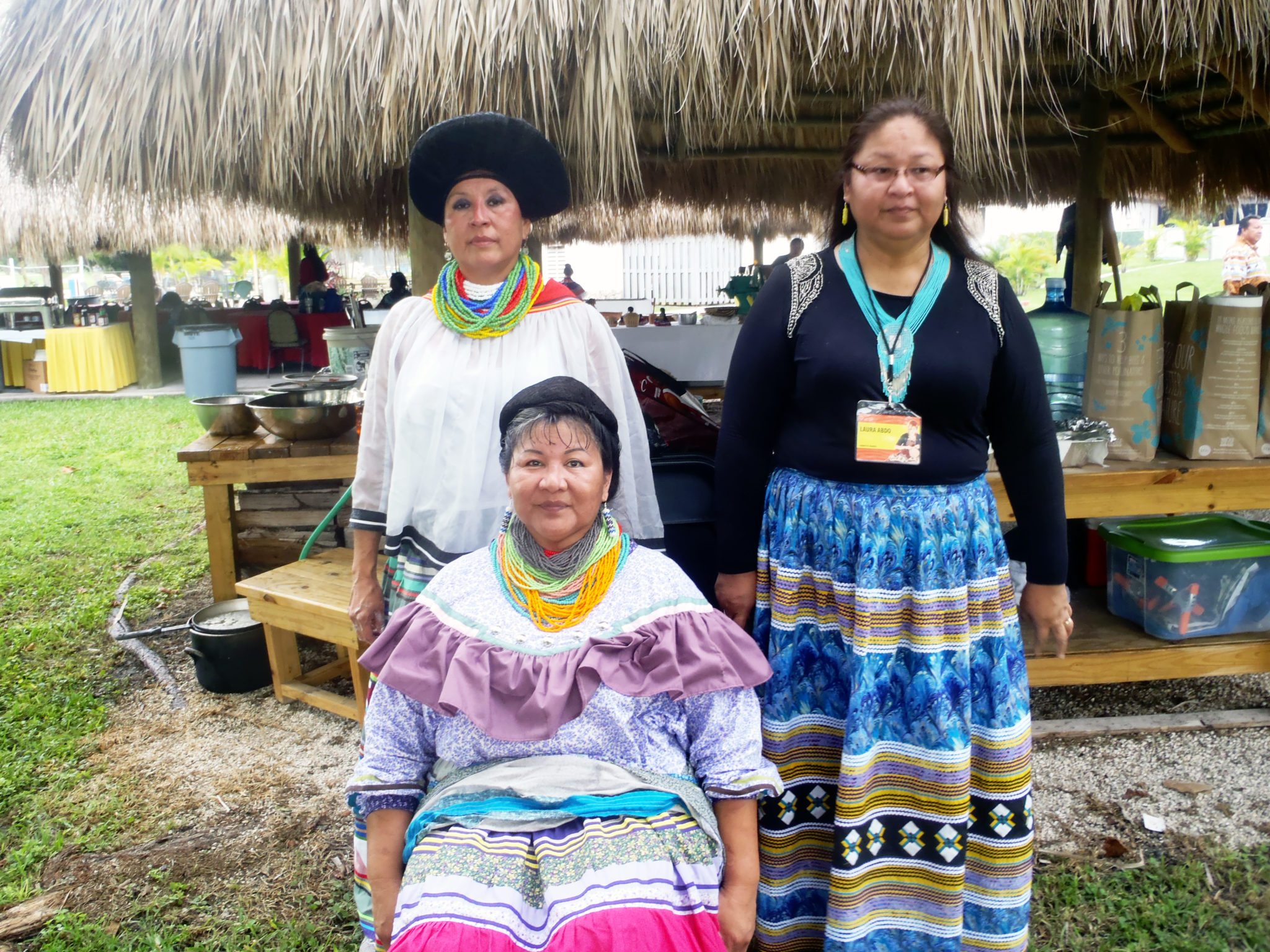
Miccosukee artistry is renowned, particularly their intricate patchwork. This distinctive craft, characterized by geometric designs and vibrant colors, is seen in traditional clothing and decorative items. Each pattern often holds symbolic meaning, passed down through generations. Other traditional crafts include basket weaving, doll making, and wood carving, all reflecting their connection to the Everglades’ natural resources.
Their traditional diet, too, reflects their environment, consisting of fish, game (such as deer and alligator), and various wild plants and crops like corn, squash, and beans. Traditional Miccosukee homes, known as chickees, are open-sided, thatch-roofed structures perfectly adapted to the hot, humid climate of the Everglades, designed to allow air circulation while providing shelter.
The Miccosukee Reservation: A Sovereign Homeland
This unique geographical placement means the Miccosukee people are not just residents of the Everglades, but its original stewards. Their reservation lands encompass vital wetlands, sawgrass prairies, and cypress forests, serving as a critical habitat for diverse wildlife and a crucial component of the greater Everglades ecosystem.
As a sovereign nation, the Miccosukee Tribe exercises self-governance, managing their own affairs, including law enforcement, education, healthcare, and economic development. This autonomy is fundamental to their ability to protect their culture, land, and people.
Economic Development and Community Life
To sustain their community and preserve their heritage, the Miccosukee Tribe has developed various economic enterprises. One of their most prominent ventures is the Miccosukee Resort & Gaming, a significant employer and revenue generator located on the Tamiami Trail. This facility offers gaming, dining, entertainment, and accommodations, attracting visitors from across the region.
Beyond gaming, the Tribe also engages in tourism and eco-tourism initiatives that highlight their unique culture and the beauty of the Everglades. The Miccosukee Indian Village is a prime example, offering visitors an immersive experience into Miccosukee traditions, history, and the natural environment.
- Traditional chickee homes
- Live alligator demonstrations
- Handicraft displays and sales (patchwork, beadwork)
- Museum exhibits detailing Miccosukee history and culture
- Airboat rides through the Everglades
These ventures not only provide economic stability but also serve as platforms for cultural exchange, allowing the public to learn about and appreciate the Miccosukee way of life. The Tribe also operates a fuel plaza, convenience stores, and other businesses, contributing to their economic independence.
Guardians of the Everglades: Environmental Stewardship
The Miccosukee Tribe’s existence is intrinsically linked to the health of the Everglades. For centuries, they have lived in intimate harmony with this fragile ecosystem, understanding its intricate balance and the threats it faces. Their deep traditional knowledge of the land, water, and wildlife makes them invaluable partners in conservation efforts.
The Tribe actively participates in Everglades restoration projects, advocating for policies that protect water quality and natural flow. They monitor environmental changes, conduct scientific research, and work to mitigate the impacts of pollution and habitat degradation. Their voice is crucial in discussions about the future of this national treasure.
For the Miccosukee, the Everglades is not merely a resource; it is their home, their provider, and a sacred space. Preserving it is not just an environmental goal, but a cultural imperative, ensuring the continuity of their traditions and way of life for generations to come.
Modern Challenges and Enduring Resilience
Like many indigenous communities, the Miccosukee Tribe faces modern challenges, including balancing economic development with cultural preservation, addressing healthcare needs, and ensuring educational opportunities for their youth. They navigate the complexities of maintaining sovereignty within a larger federal and state framework.
However, the Miccosukee people continue to demonstrate remarkable resilience and adaptability. They are committed to educating their children in both traditional ways and modern academics, empowering them to thrive in a rapidly changing world while upholding their heritage.
Their legal and political advocacy ensures their rights are protected and their voice is heard on issues ranging from land use to water management. The Tribe’s commitment to self-determination remains unwavering, guiding their decisions and shaping their future.
Visiting the Miccosukee Reservation and Indian Village
For those interested in learning more, a visit to the Miccosukee Indian Village offers a direct window into this vibrant culture. Located on the Tamiami Trail (U.S. 41) west of Miami, it’s an accessible way to engage with Miccosukee history and present-day life. Can you visit the Miccosukee Indian Village? Absolutely! It’s open to the public and provides an educational and culturally enriching experience.
Visitors can enjoy airboat rides that provide thrilling glimpses of the Everglades’ unique flora and fauna, often including alligators, birds, and other wildlife in their natural habitat. The village also features a museum, craft shops, and opportunities to interact with tribal members who share their knowledge and artistry.
Beyond the village, the Miccosukee Resort & Gaming offers another facet of the Tribe’s presence, providing entertainment and amenities for guests. It’s a testament to their successful economic diversification and commitment to providing opportunities for their community.
Conclusion: A Living Legacy in the Heart of Florida
The Miccosukee Tribe of Indians of Florida Reservation stands as a powerful symbol of endurance, cultural strength, and environmental guardianship. From their ancestors’ courageous retreat into the Everglades to their modern-day pursuit of self-determination, the Miccosukee people have maintained a distinct identity and a profound connection to their homeland.
Their dedication to preserving their language, traditions, and the precious Everglades ecosystem offers invaluable lessons for us all. The Miccosukee are not just a part of Florida’s past; they are a vital, living legacy, continuing to shape its present and future with their unwavering spirit and wisdom.
Understanding and respecting the Miccosukee Tribe is essential for anyone seeking to comprehend the full tapestry of Florida’s history, culture, and its invaluable natural environment. Their story is one of unwavering resilience, a beacon of cultural survival in the heart of the Sunshine State.


